
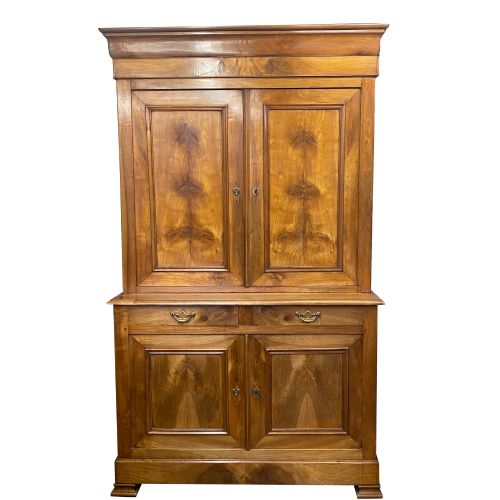
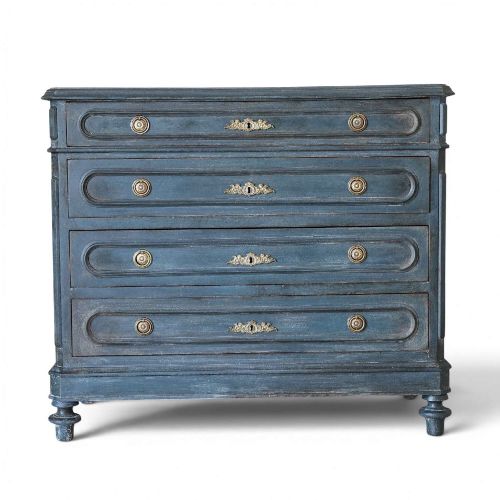
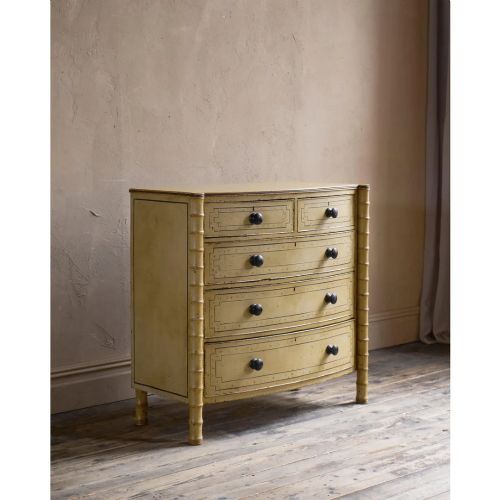
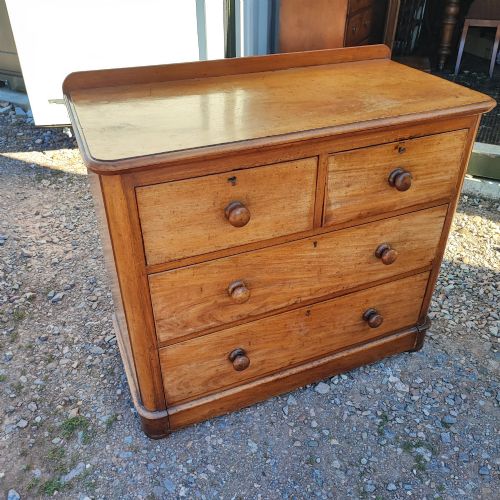
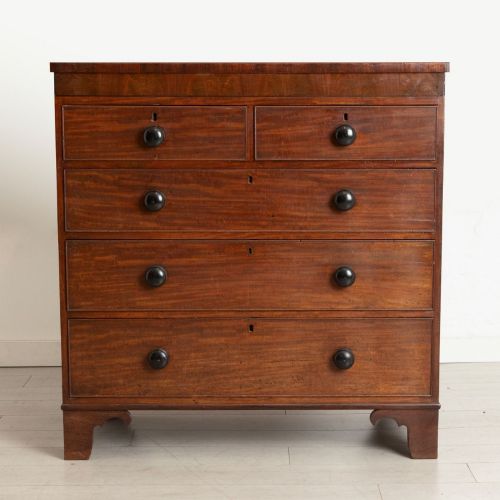


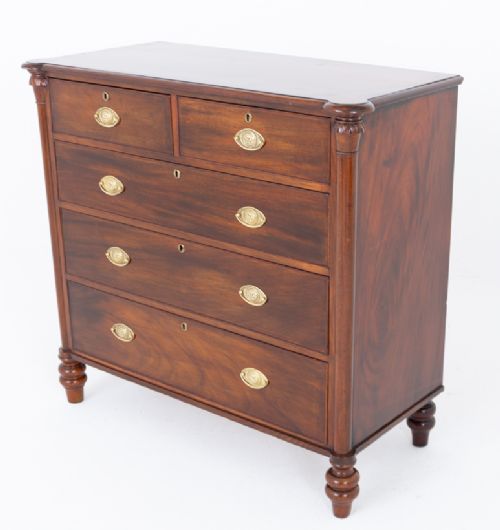
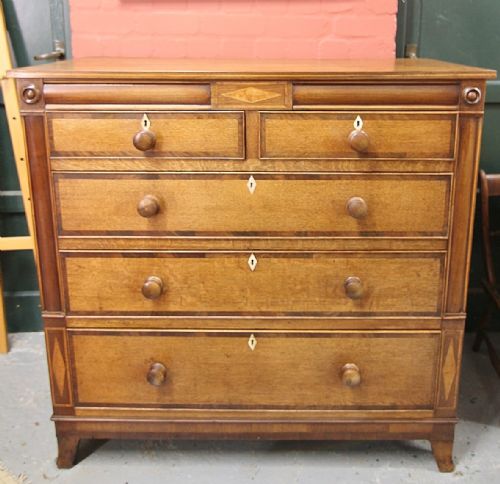


19th Century Timber Dresser
A 19th century timber dresser provides sturdy utility and rich historical character, bringing substantial storage and display space to a room.
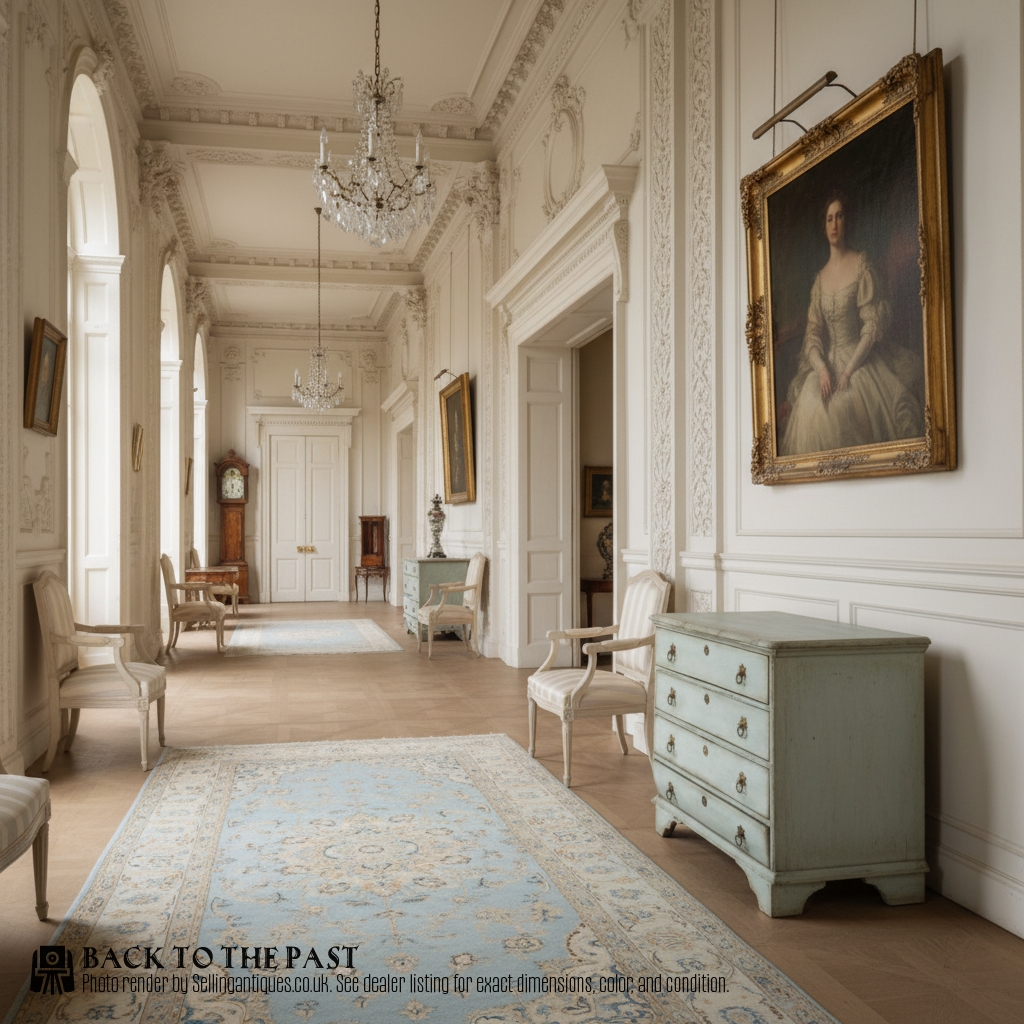
19th Century Timber Dresser
A 19th century timber dresser encompasses a wide variety of storage and display furniture originating from different European and British regional traditions. Buyers searching for a 19th century timber dresser encounter everything from robust kitchen units and painted farmhouse servers to formal mahogany chests of drawers and glazed bookcases.
The pieces represented in these listings span several distinct periods, including the Georgian era, the Victorian period, and regional revivals like Louis XVI and French Provincial styles. Most examples serve as functional storage pieces designed for domestic utility, utilising local timbers such as pine, oak, cherry, and mahogany.
Form and proportion vary considerably depending on the original function, ranging from low dresser bases and servers to towering two-part housekeeper cupboards and vaisseliers. Buyers frequently meet large painted kitchen pieces and polished mahogany drawer units as the most common expressions of this category.
How they were made
Makers constructed these pieces using a variety of solid hardwoods and softwoods, frequently applying mahogany, burr walnut, rosewood, oak, pine, and cherry. Timber selection dictated the structural approach, with dense mahoganies and walnuts used for formal cabinetwork while sturdy pine and oak served domestic utility.
Joinery methods relied upon traditional hand-cut techniques such as dovetailing for drawer construction and mortise and tenon joints for frames. Surface treatments range from clear wax finishes highlighting natural wood grain to original historic paint layers and faux bamboo detailing.
Listings feature woods including pine, mahogany, oak, burr walnut, rosewood, and cherry alongside painted timber surfaces.
What varies in quality
The standard of timber selection and figuring marks a significant distinction across these pieces, seen in highly figured flame mahogany veneers and rich burr walnut grains compared to plain utility timbers. Superior examples demonstrate meticulous grain matching and careful board selection across large surfaces.
Craftsmanship in the joinery and internal construction separates standard domestic furniture from exceptional workshop production. Finely turned elements, precise secret drawers, and intact original brass hardware indicate higher workshop execution.
C. Hindley·Gillows of Lancaster
The 19th Century Timber Dresser Glossary
- Dresser base
- The lower section of a kitchen or dining dresser, typically featuring a combination of drawers and cupboards beneath a solid timber top.
- Commode
- A low cabinet or chest of drawers, often associated with continental European craftsmanship and decorative serpentine shaping.
- Flame mahogany
- A veneer cut from the fork of the mahogany tree, producing a distinctive flickering flame-like grain pattern prized in formal furniture.
- Vaisselier
- A traditional French storage piece or dresser designed for holding tableware, combining lower cupboards with upper display shelving.
- Wellington chest
- A tall, narrow chest of drawers secured by a hinged locking stile that fastens down the side with a key.
19th Century Timber Dresser: Frequently Asked Questions
What is a dog kennel dresser?
A dog kennel dresser is a regional kitchen piece featuring a central recessed archway or opening positioned beneath the main bank of drawers.
This specific architectural layout allowed for under-counter storage or utility baskets in 19th century domestic spaces.
How do I identify a 19th century chest of drawers?
Identifying these pieces involves examining the timber grain, hand-cut dovetail joinery, and structural proportions typical of the Georgian and Victorian eras.
Interior secondary woods and original hardware fittings provide further physical clues to the exact manufacturing period.
What is the difference between a chiffonier and a sideboard?
A chiffonier is typically a smaller, more compact sideboard featuring an enclosed cupboard base often surmounted by a raised shelf or small gallery.
Sideboards generally offer larger proportions with extended surface areas and multiple configuration options for dining room storage.
Are painted finishes on these pieces original?
Original paint surfaces show authentic wear patterns, historic pigment layering, and natural ageing consistent with nineteenth-century domestic use.
Detailed inspection helps determine whether surface paint represents the original finish or a later decorative application.