

Painted Pottery Ornament
These painted pottery ornament pieces bring character to a room through centuries of ceramic artistry.
Painted Pottery Ornament
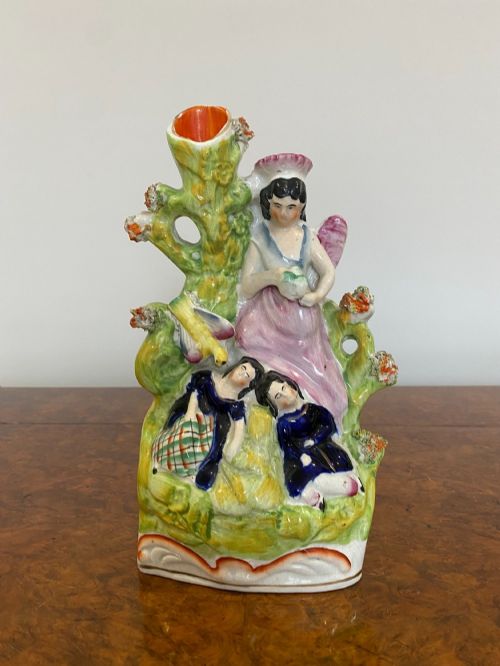
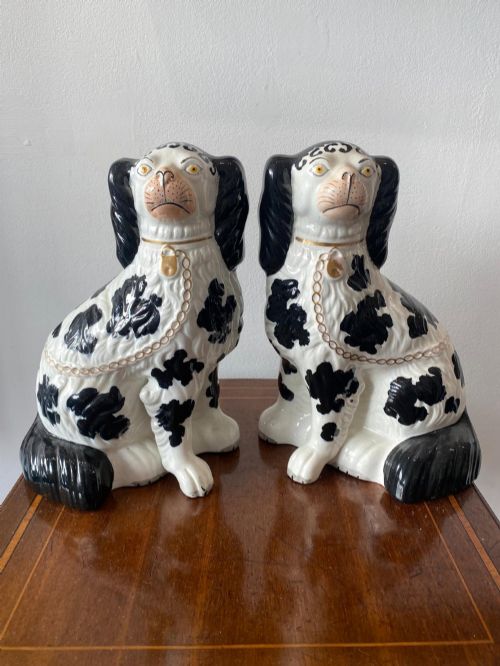
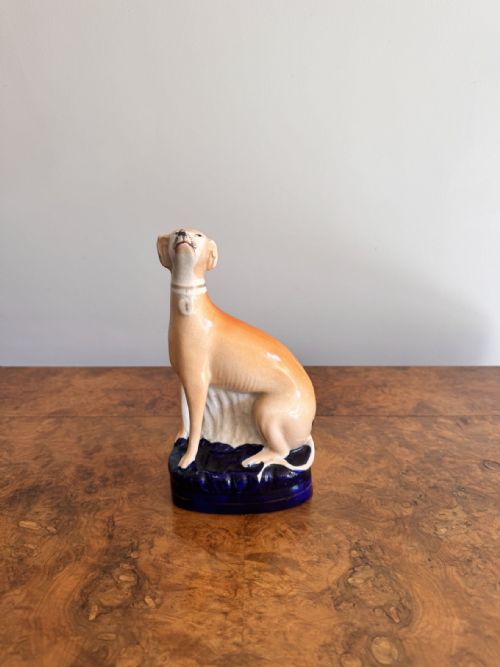
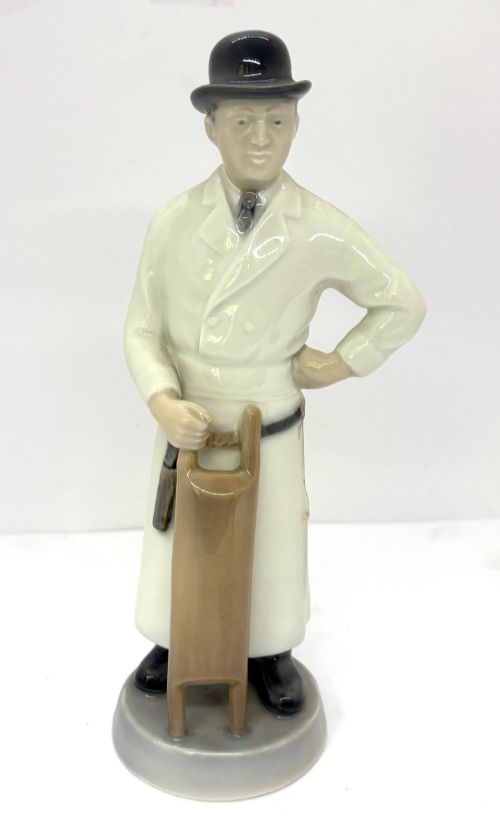
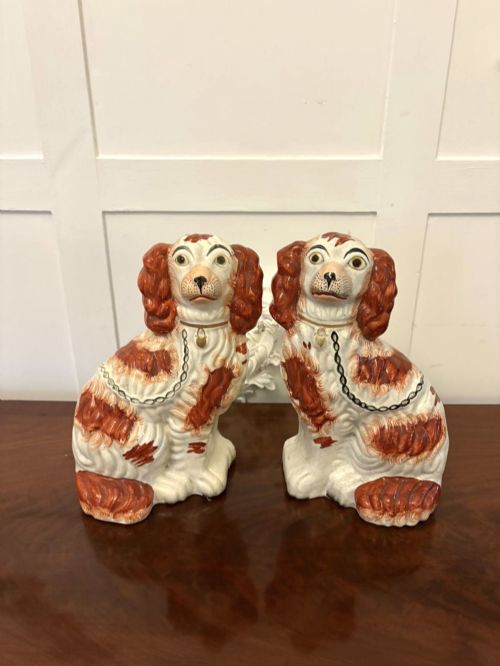
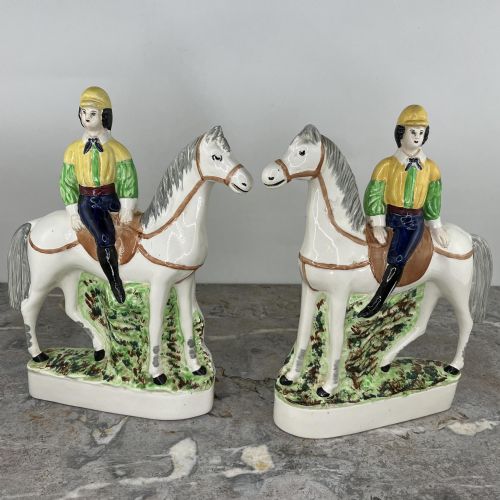
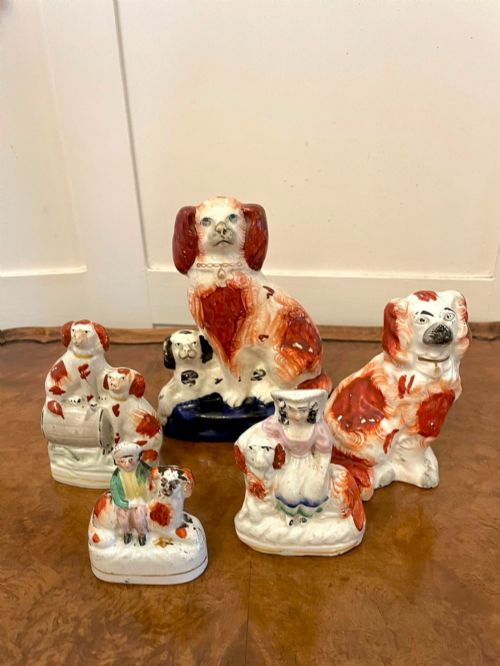
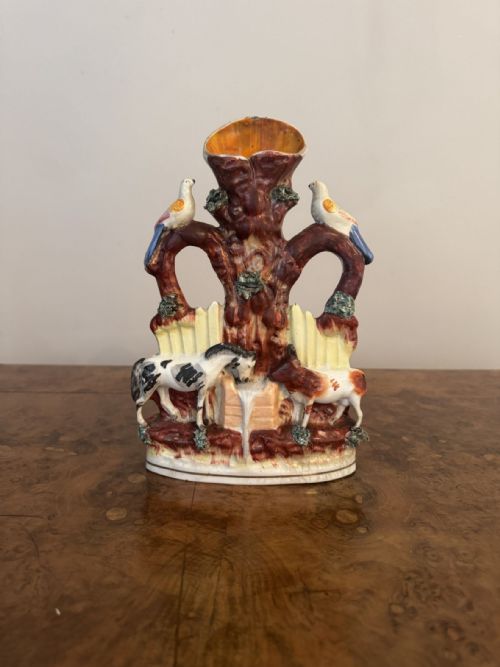
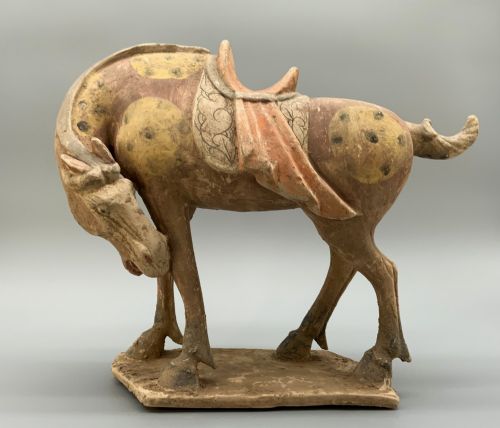
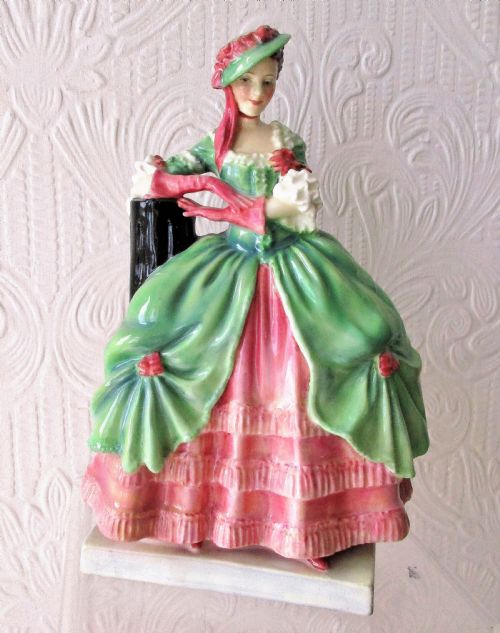
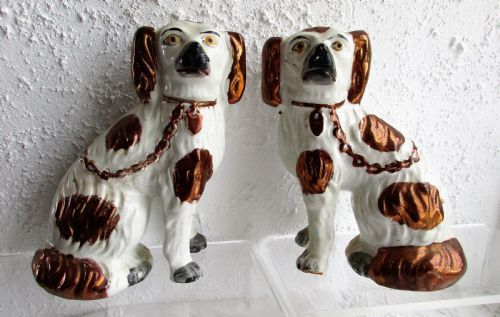
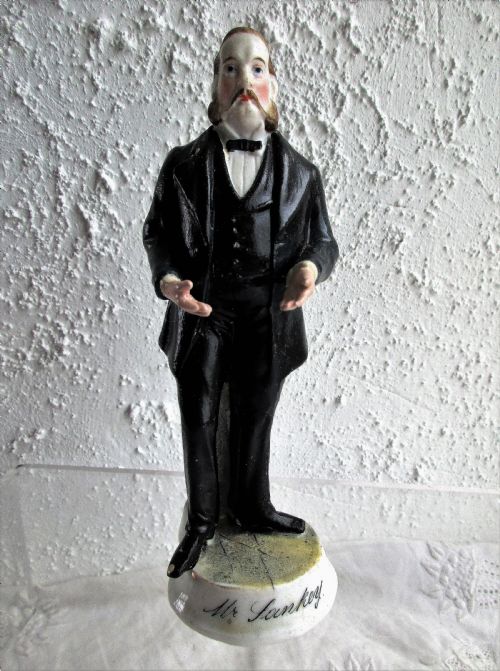
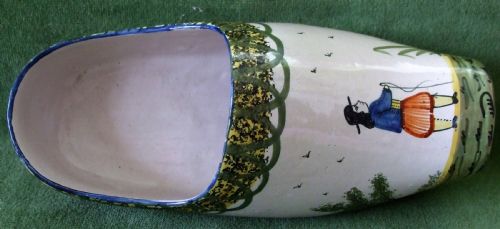
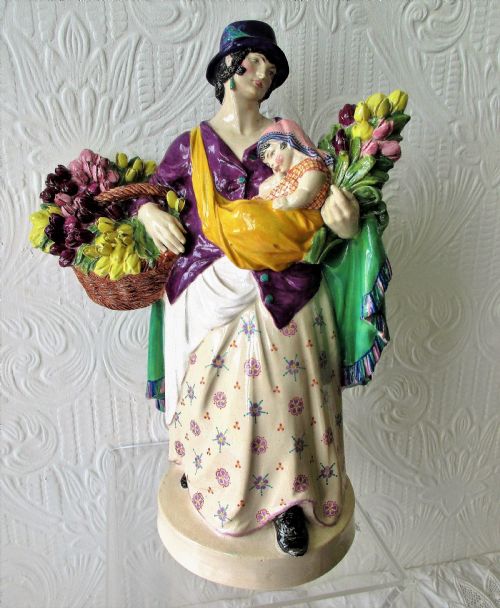
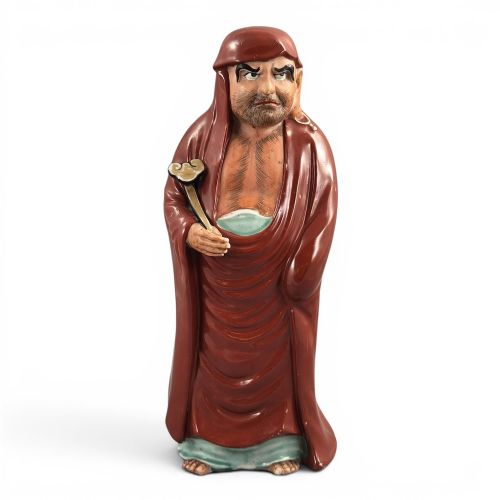
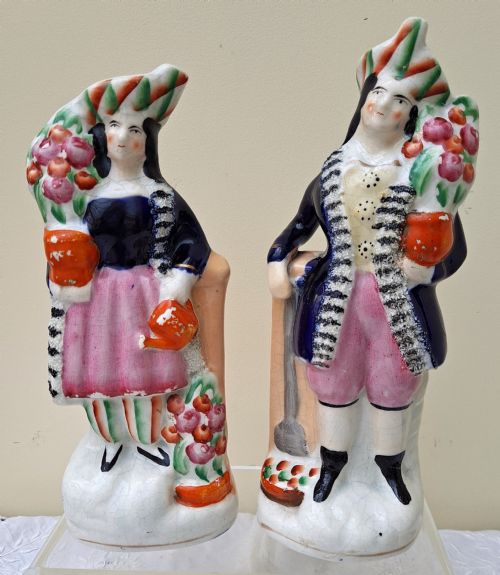
When you search for a painted pottery ornament, you encounter figural ceramics spanning the nineteenth and twentieth centuries. The selection on this page consists predominantly of Victorian Staffordshire dogs, spaniels, and portrait figures, alongside French earthenware, Chinese porcelain, and English studio pottery.
Makers and potteries from England, France, China, and Japan produced these glazed and enamelled figures for domestic display. Buyers often select pairs of seated spaniels, flatback pastoral couples, or decorative animals to place on mantelpieces and shelves.
The objects range from Staffordshire earthenware flatbacks to Edwardian china figures and Japanese Satsuma wares. Each painted pottery ornament reflects the prevailing decorative taste of its period, from Victorian folk art to Art Deco and Ming revival styles.
How they were made
Potters shaped these figures from earthenware, porcelain, and ceramic bodies, often utilising moulds for Staffordshire dogs and flatback groups. Artisans then applied lead glazes, enamel colours, and occasional gold leaf details before firing the clay in kilns.
Hand-painting techniques varied from the simple brushwork on nineteenth-century Staffordshire spaniels to the intricate hand enamel decoration on Chinese ceramic figurines. Studio potters such as Charles Vyse employed distinct modelling and glazing methods for individual porcelain and pottery figures.
Painted Pottery Ornament Retail Price Guide 2026
Typical asking prices for painted pottery ornament among the pieces listed under this phrase on Sellingantiques today, from the lower quarter to the upper quarter. They describe what is for sale here now, not the wider market.
Listings feature earthenware, porcelain, and ceramic materials decorated with lead glaze, enamel, and gold leaf across the nineteenth and twentieth centuries.
What varies in quality
The depth and consistency of the glaze affect the overall finish, particularly on pieces utilising sancai glazes or rich lead finishes. Original pairs with matching decoration and minimal wear on the painted surfaces rank higher in desirability among collectors.
Charles Vyse·John Bevington·Royal Doulton·Wedgwood and Co
The Painted Pottery Ornament Glossary
- Flatback
- A ceramic figure modelled fully on the front and sides while the reverse remains flat, designed to sit flush against a wall or mantelpiece.
- Staffordshire dog
- A type of earthenware spaniel figure produced in the Staffordshire potteries during the nineteenth century, typically displayed in mirrored pairs.
- Faience
- European tin-glazed earthenware, often associated with French production centres such as Quimper.
- Okimono
- A Japanese term for a decorative object or carving intended for display on a shelf or in a room alcove.
- Pearlware
- A refined type of earthenware developed in the late eighteenth century featuring a thin glaze with a slight bluish tint.
Painted Pottery Ornament: Frequently Asked Questions
What periods do these painted pottery ornament pieces cover?
The listings span from the nineteenth century through the Edwardian era and into the early twentieth century. You will find Victorian Staffordshire pieces alongside Chinese Qing dynasty and Japanese Meiji works.
Production dates extend to the 1930s and 1940s, encompassing Art Deco porcelain and French earthenware figures. Each period brought distinct modelling styles and glazing techniques to the decorative objects.
Where were Staffordshire dog ornaments displayed?
Victorian households traditionally placed pairs of Staffordshire spaniels on mantelpieces flanking the fireplace. People positioned them facing inward toward each other.
These ceramic dogs served purely as decorative ornaments in nineteenth-century parlours. They often sat on shelves or window sills to brighten domestic interiors.
How do I identify a flatback figure?
A flatback figure has a finished, painted front and sides intended for viewing, while the back is unmodelled or flattened. Potters designed them this way so the pieces could rest directly against a wall.
This construction method is common among nineteenth-century Staffordshire portrait groups and cottage figures. It distinguishes them from freestanding sculptures meant to be viewed from all angles.
Are these ceramic figures hand-painted?
Many of the pieces feature hand-applied enamel colours and details over the glaze. Nineteenth-century Staffordshire figures and Chinese ceramic pieces often show individual brushwork applied by painters.
Studio pottery figures and fine porcelain items received careful hand decoration by named artists. This manual application results in slight variations between individual pieces.