
Painted Pottery Figure
A painted pottery figure brings centuries of human expression into a room, spanning ancient burial figures and Victorian earthenware.
Painted Pottery Figure
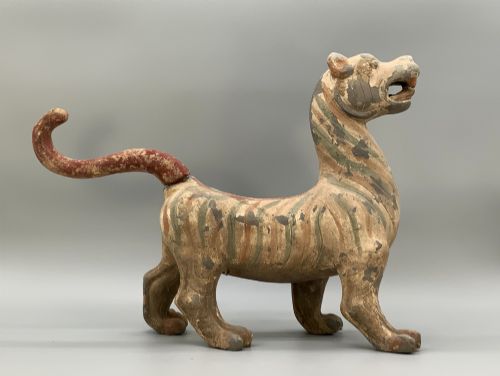
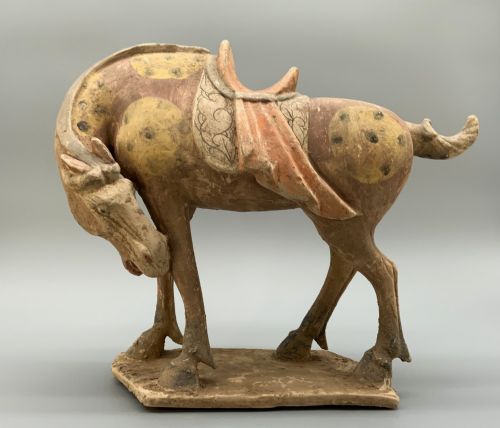
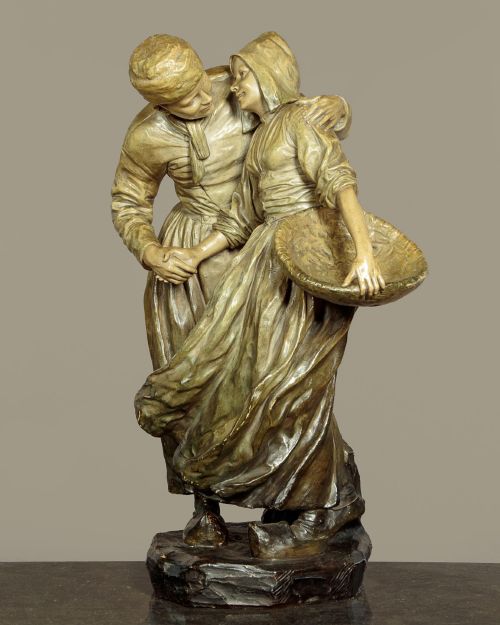
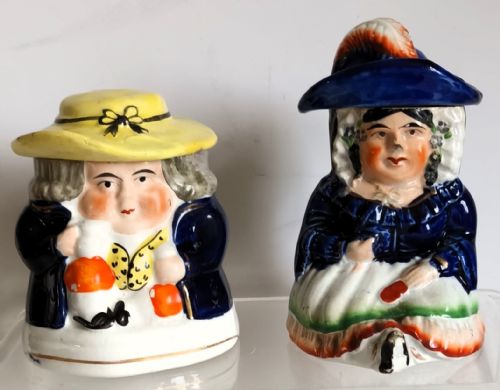
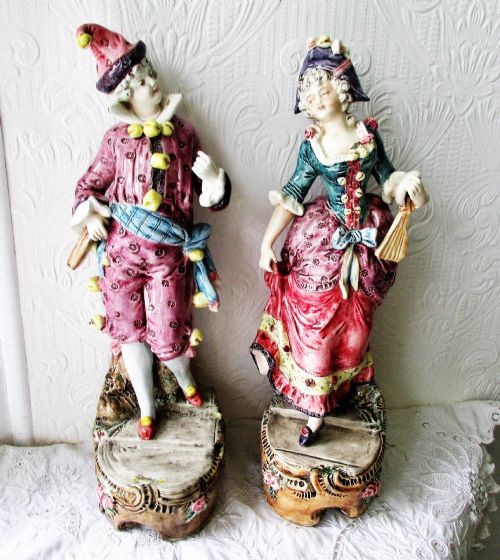
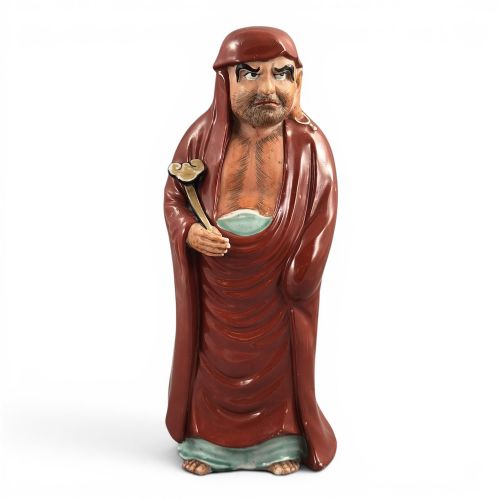
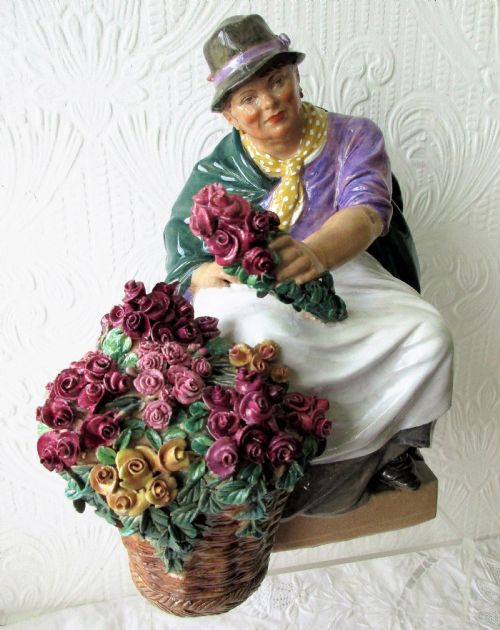
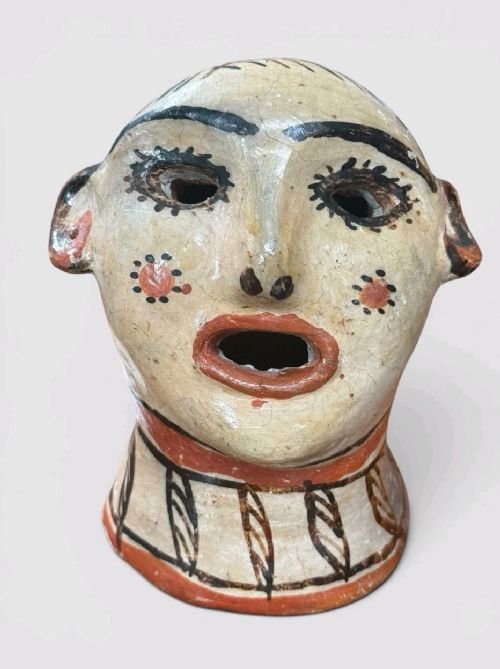
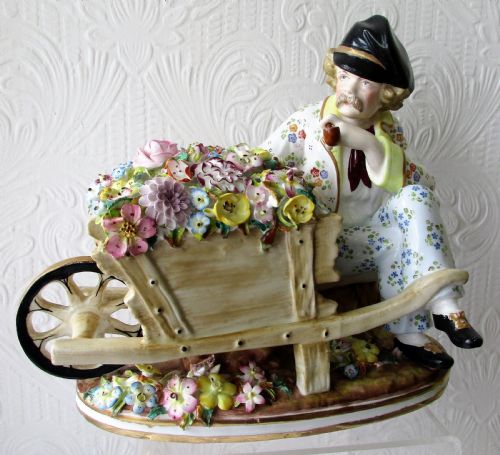
A painted pottery figure encompasses sculptural ceramics rendered with surface pigments, ranging from ancient archaeological artefacts to nineteenth-century domestic ornaments. When you search for a painted pottery figure on this page, you encounter everything from Han Dynasty tomb guardians and Tang Dynasty horses to Victorian Staffordshire earthenware and studio pottery figurines.
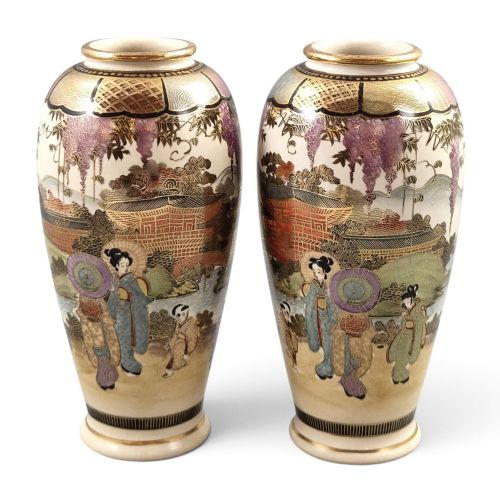
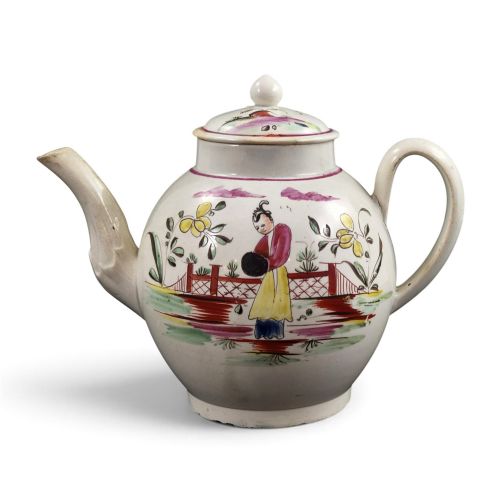
The selections span diverse origins, including Chinese dynastic works, Japanese Satsuma wares, French faience, and English pearlware and creamware. Domestic mantelpiece subjects sit alongside mythological beasts, historical portrait groups, and traditional figures shaped by makers such as Charles Vyse and Goldscheider.
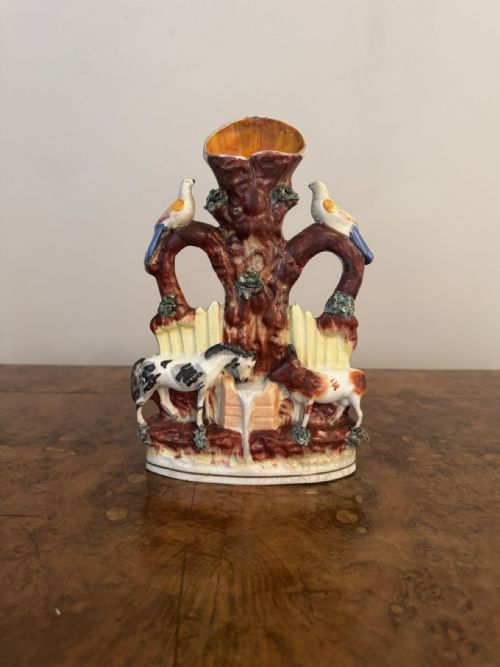
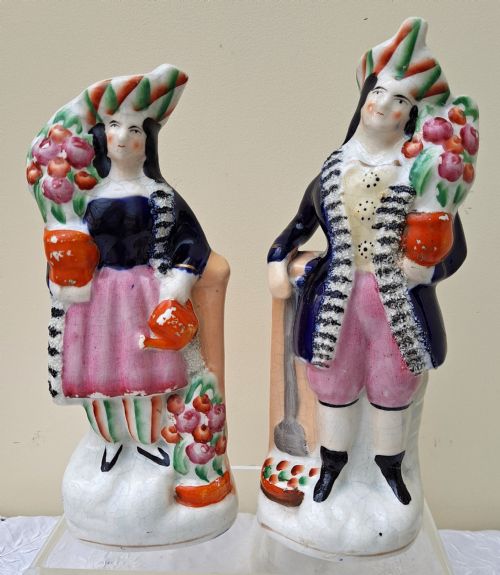
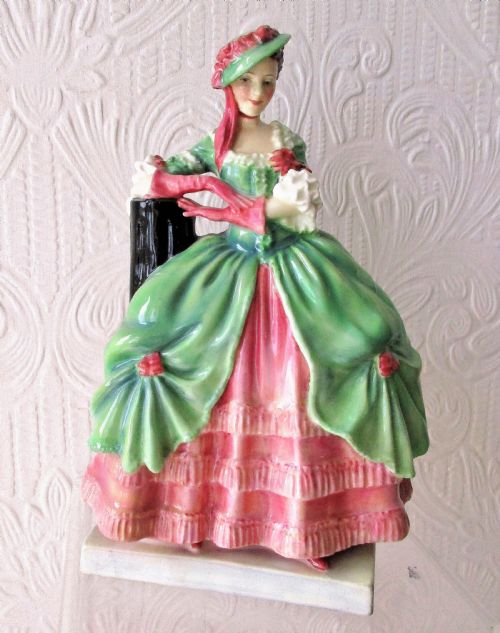
Victorian Staffordshire pieces and twentieth-century earthenware examples appear frequently in the listings. These objects reflect both mass production for the domestic parlour and refined studio traditions, offering collectors a broad chronological spread of ceramic sculpture.
Materials and technique
Makers utilised earthenware, terracotta, stoneware, and porcelain as the structural body for these figures. Earthenware and terracotta provided a porous, accessible base suited for hand-modelling or moulding, while porcelain and creamware offered refined, durable surfaces.
Surface decoration relies upon applied pigments, enamel, slip, and glaze, occasionally heightened with gold leaf. Painters applied colours directly over fired clay or beneath a translucent glaze, sealing the pigments during a secondary kiln firing.
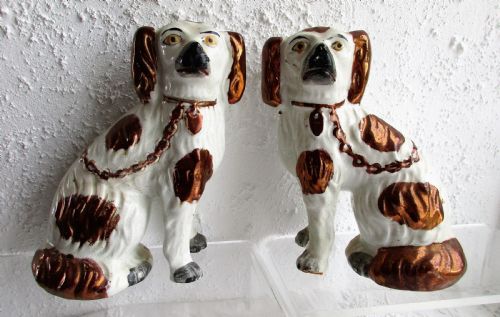
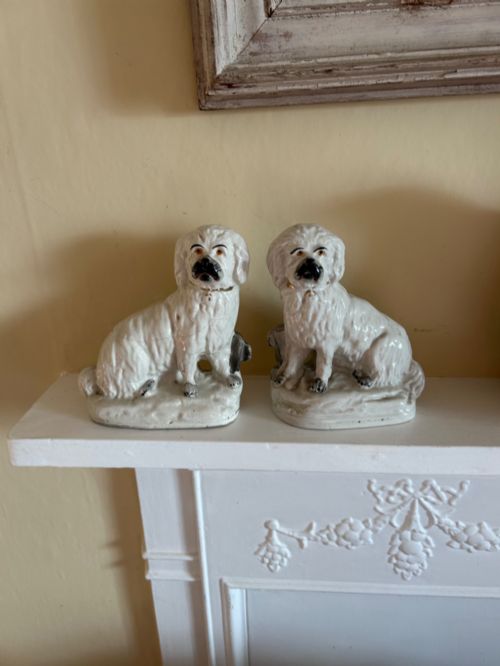
Victorian spaniels stare out from mantelpieces with unwavering loyalty, painted with rosy cheeks and gilded chains.
Assessing quality
The distinction between standard commercial output and master production lies in the individuality of the sculpture. Finer examples retain sharp contours from the mould or hand-carving, whereas lesser items suffer from softened details and hurried, generic colour application.
Charles Vyse·John Bevington·Goldscheider·Bergman
The Painted Pottery Figure Glossary
- Earthenware
- Porous pottery fired at lower temperatures, commonly used for traditional figures and Staffordshire pottery. It requires a glaze or paint layer to hold liquids.
- Terracotta
- Unglazed or painted fired red-brown clay, frequently utilised for classical sculptures and nineteenth-century figural groups. The matte surface accepts cold-painted pigments readily.
- Slip
- A liquid mixture of clay and water applied to pottery for decoration or surface smoothing before firing. It serves as a base for painted motifs in studio and ancient ceramics.
- Glaze
- A vitreous coating fused to ceramic pottery through firing to colour, decorate, or waterproof the object. Enamel and metallic accents are often added over this glossy layer.
- Sancai
- A three-colour glaze technique characteristic of Chinese pottery, typically employing amber, green, and creamy white tones. It creates distinctive flowing colour variations across Tang dynasty style figures.
- Flatback
- A style of Staffordshire pottery figure designed to be viewed from the front, featuring a flat, unpainted reverse side. These pieces sat neatly against cottage mantelpieces.
Painted Pottery Figure: Frequently Asked Questions
How do I date an old pottery figure?
Dating relies upon stylistic markers, clay composition, and the type of glaze or pigment applied to the surface. Examining the underside and manufacturing seams offers further clues regarding the period of production.
Comparative study with known examples from specific dynasties or Victorian potteries helps narrow the decade. Experts also look at the wear patterns on the pigments to confirm age.
Were these figures meant for display?
Most figural ceramics served as decorative ornaments on mantelpieces, sideboards, or display cabinets. Domestic earthenware figures brought colour and character to Victorian homes.
Earlier dynastic examples functioned as tomb furniture or ritual objects intended to accompany the deceased. Their purpose shifted over centuries from sacred burial guards to celebrated drawing-room ornaments.
How should I clean painted pottery?
Dusting gently with a soft, dry brush is the safest method for maintaining ceramic figures with painted surfaces. Moisture can lift delicate cold-painted pigments or historical enamels.
Avoid using chemical cleaners, detergents, or abrasive cloths entirely. Professional advice should be sought if deeper conservation is required.
What is a flatback figure?
A flatback is a nineteenth-century Staffordshire figure moulded with a finished front and a plain, unpainted flat back. This construction saved materials and allowed the ornament to sit flush against a wall.
They depict historical events, literary characters, and everyday rural scenes. Collectors prize them for their distinctively naive charm and social history.