



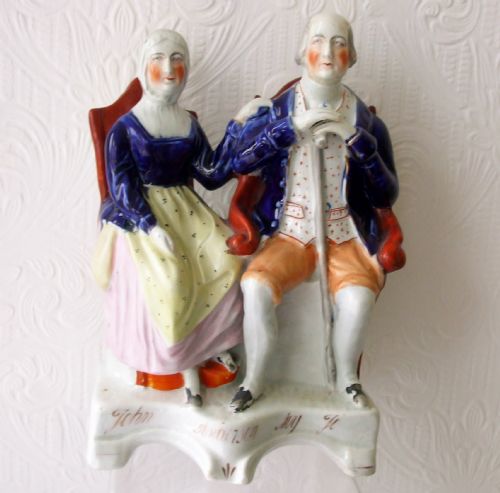
English Ceramic Ornament
These English ceramic ornament pieces span centuries of figurative modelling, bringing character and domestic history directly into your rooms.
English Ceramic Ornament
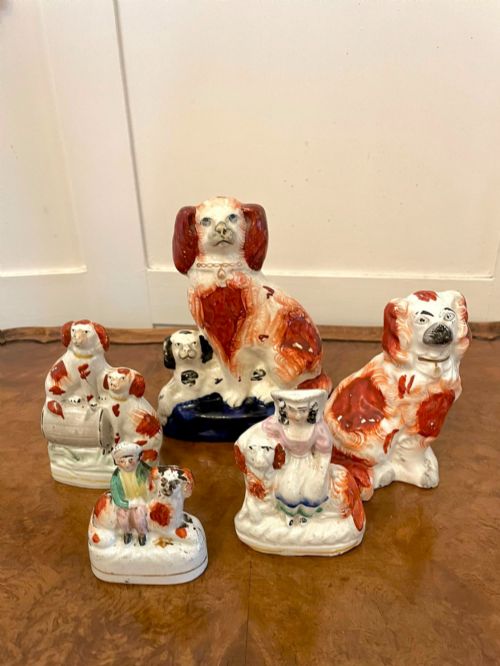
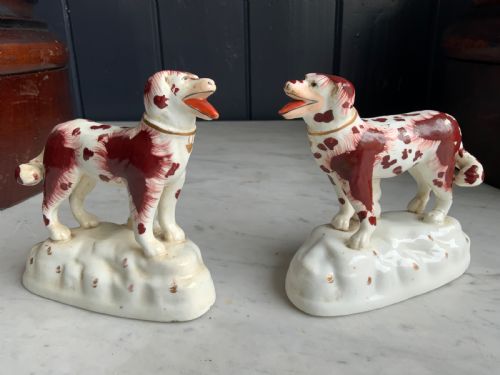
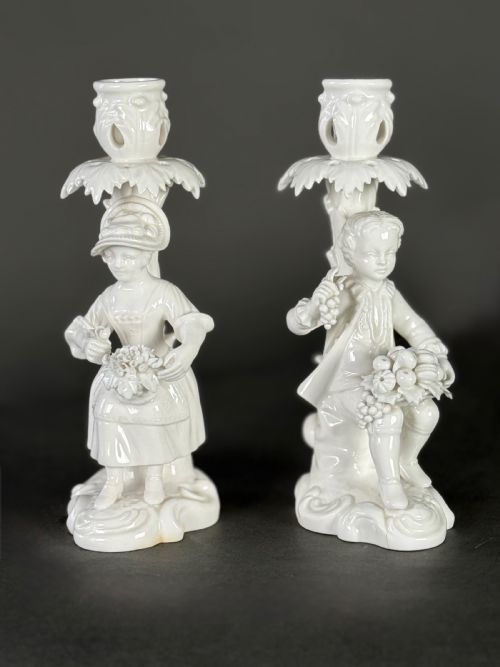
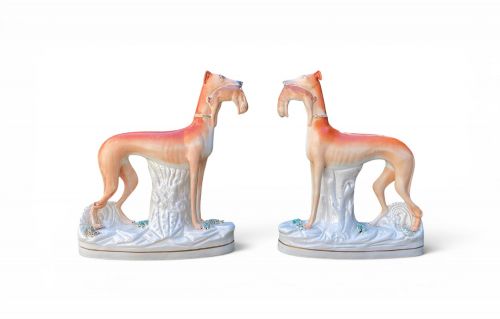
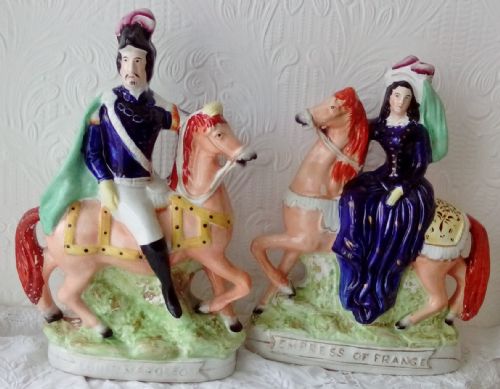
When you search for an english ceramic ornament, you encounter figurative pottery and porcelain produced across the eighteenth, nineteenth and twentieth centuries. These objects take the form of Staffordshire dogs, portrait figures, theatrical pairs and decorative animals designed for mantelpieces and display cabinets.
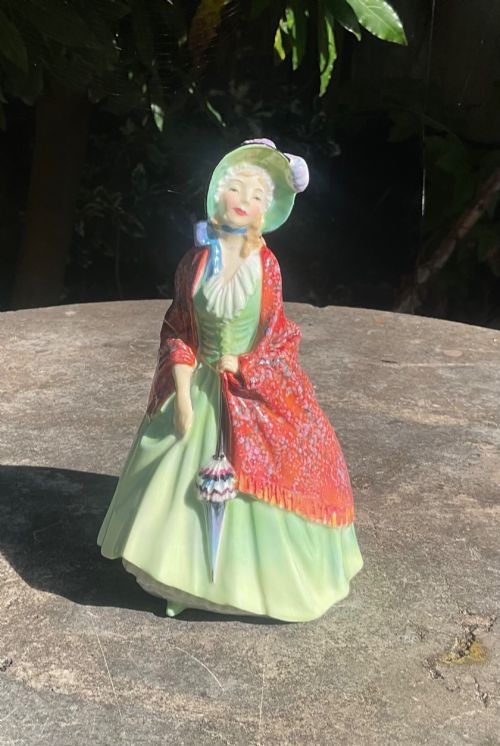
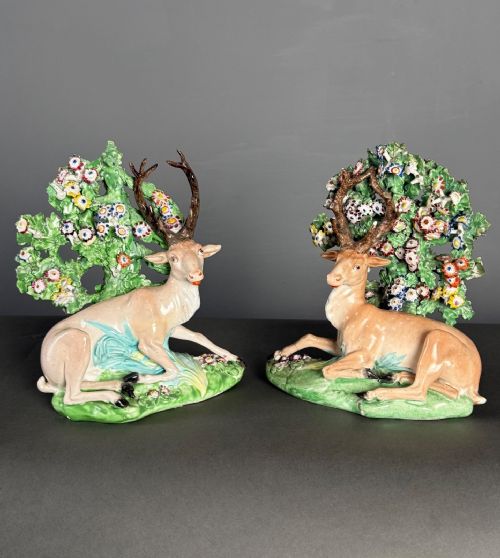
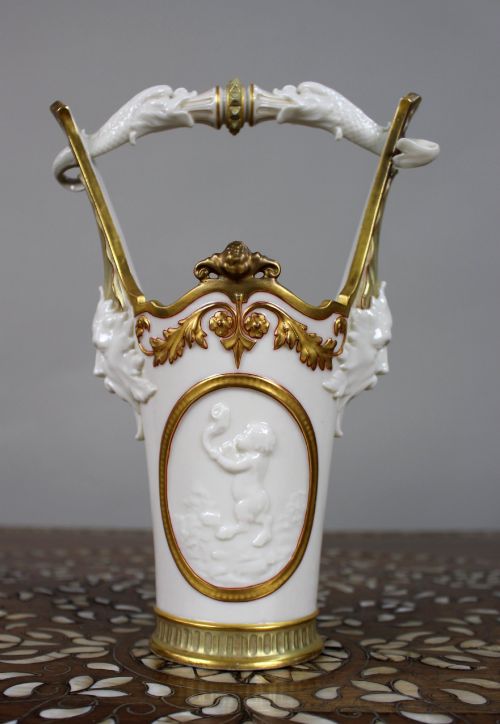
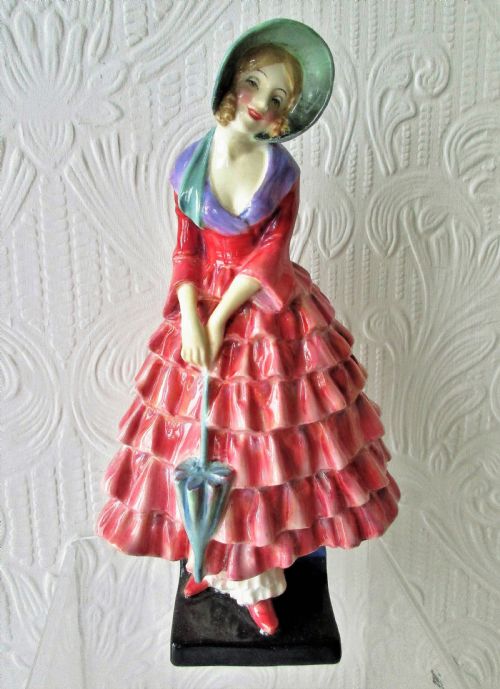
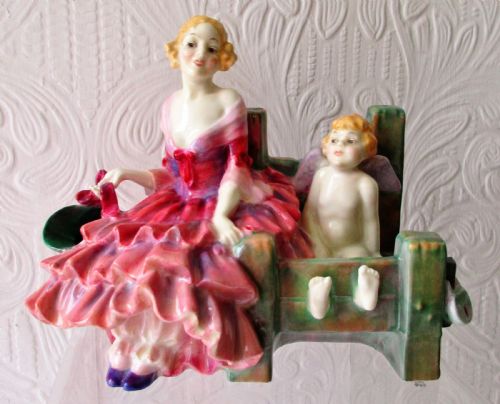
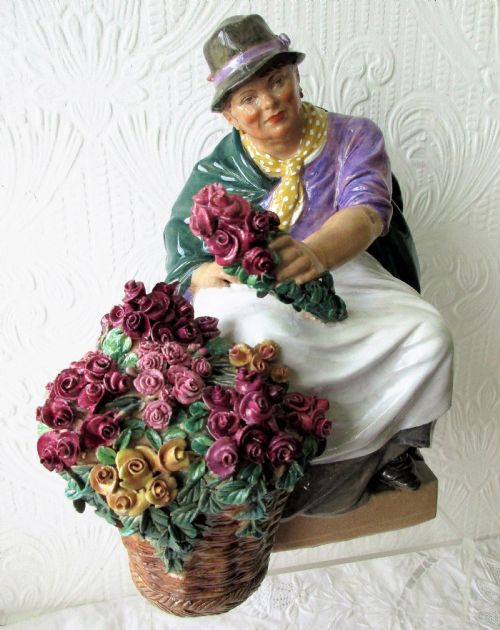
The most common examples on this page are nineteenth-century Victorian Staffordshire earthenware figures and spaniels, alongside twentieth-century porcelain figurines by Royal Doulton. They range from utilitarian shelf ornaments to finely modelled Derby stag figures and exhibition vases.
How They Were Made
Potters shaped these objects using earthenware, bone china and hard-paste or soft-paste porcelain, often applying lead or tin glazes over the clay body. Many nineteenth-century Staffordshire pieces utilised slip-casting or press-moulding techniques before hand-painting with enamel colours and occasional touches of gold leaf.
Earlier factory pieces from Derby and Worcester involved skilled throwing, modelling and high-temperature kiln firing to achieve durable porcelain surfaces. The resulting bodies vary from porous pottery covered in glossy glaze to dense, vitrified china.
Listings feature earthenware, porcelain and bone china figures spanning the Georgian, Victorian and Art Deco periods.
What Varies in Quality
Quality rests upon the crispness of the original moulding and the precision of the hand-painting applied to the surface. Earlier and more expensive pieces display finely delineated facial expressions, detailed clothing textures and careful placement of enamel colours without running.
Lesser examples show blurred moulding lines, careless glazing pools and generic decoration applied hastily in commercial workshops. The presence of named historical subjects or specific theatrical titles often indicates a higher grade of manufacture intended for discerning buyers.
Royal Doulton·Royal Worcester·Charles Vyse
The English Ceramic Ornament Glossary
- Earthenware
- A porous pottery body fired at lower temperatures, commonly used for Victorian Staffordshire figures and dogs. It requires a vitreous glaze to ensure it remains waterproof.
- Pearlware
- A refined type of earthenware developed in the late eighteenth century featuring a subtle bluish glaze that pooled in recesses to mimic Chinese porcelain. It forms the body of early portrait figures and lions.
- Spill Vase
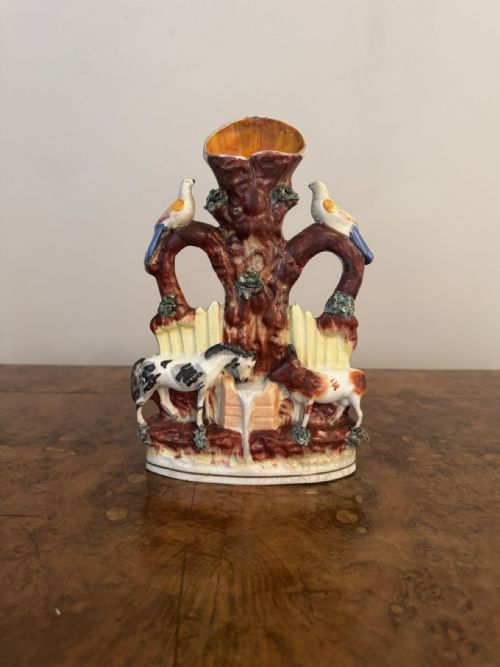
- A hollow cylindrical ceramic vessel attached to a figure, designed to hold wooden spills used for lighting pipes and candles. These often depict animals or pastoral scenes.
- Soft-paste Porcelain
- An artificial porcelain mixture fired at lower temperatures than hard-paste, producing a warm translucent body found in eighteenth-century factory wares. It absorbs enamel colours deeply into the glaze.
- Enamel
- Opaque vitreous pigments applied over fired glazes to decorate ceramics with bright surface colours. Artisans fixed these details through a subsequent low-temperature firing.
English Ceramic Ornament: Frequently Asked Questions
What are Staffordshire comforter spaniels?
Staffordshire comforter spaniels are paired ceramic dog figures manufactured in nineteenth-century England to sit on mantelpieces. Potters typically decorated them with copper lustre patches and gold chains.
Victorians placed these matching dogs on either side of the fireplace to watch over the hearth. They remain among the most recognisable types of antique pottery found today.
How do I date a ceramic figurine?
Dating involves examining the type of ceramic body, the style of the base and any factory marks stamped or painted underneath. Earthenware bodies often indicate nineteenth-century production, while specific pattern numbers help narrow down the decade.
Factory marks evolved over time, allowing collectors to cross-reference symbols with historical records. Stylistic clues in the clothing and subject matter also point towards specific eras like the Victorian period or the nineteen-thirties.
Where were these ornaments displayed?
These ornaments were primarily displayed in domestic reception rooms upon mantelpieces, sideboards and glass-fronted cabinets. They served as decorative focal points that demonstrated the taste and interests of the household.
Portrait figures commemorated contemporary heroes, theatrical stars or political events, while animal figures brought nature indoors. Their placement added colour and narrative charm to Victorian and Edwardian interiors.
What is a spill vase figure?
A spill vase figure combines a decorative ceramic sculpture with an integrated hollow tube designed to hold thin wooden fire lighters. These spills were used to transfer flames from the hearth to lamps and pipes.
This practical addition allowed makers to combine utility with figurative art. They frequently depict farm animals, woodland creatures or domestic scenes with the open cylinder rising beside the main subject.