
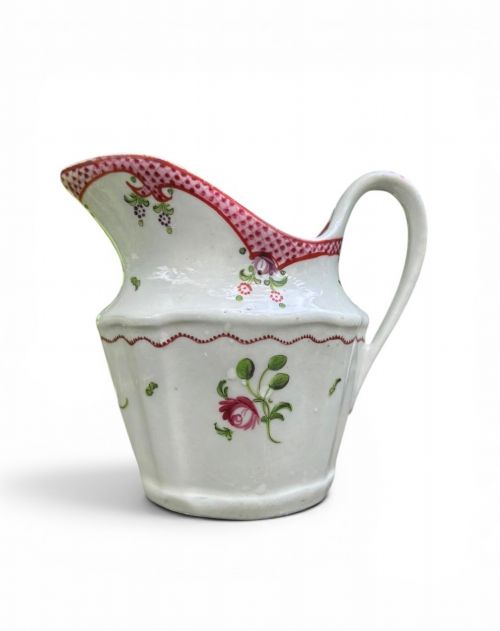


Painted Porcelain Creamer
A painted porcelain creamer brings eighteenth and nineteenth century ceramic artistry directly to the table.
Painted Porcelain Creamer
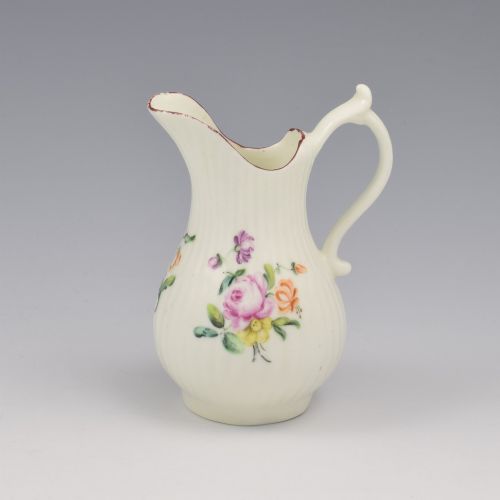
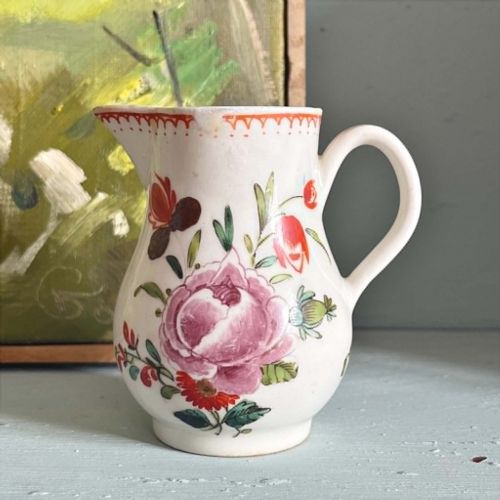
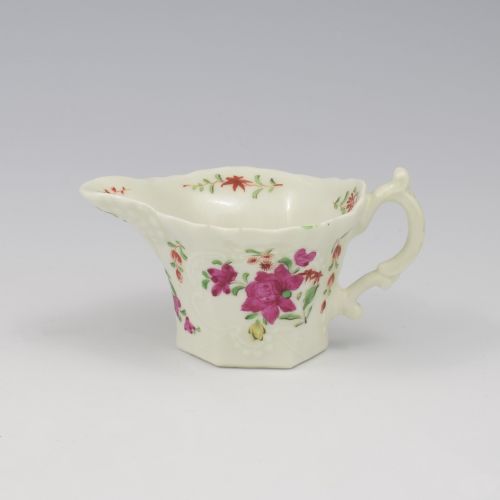
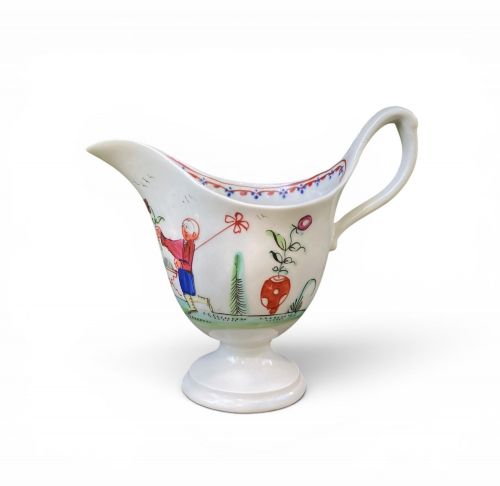
A painted porcelain creamer serves as a small pouring vessel for milk or cream, shaped into sparrowbeaks, ewers, and sauce boats. These items originate from periods spanning the eighteenth and nineteenth centuries, including Georgian and Victorian eras.
Buyers encounter forms decorated with polychrome flowers, armorial crests, and handpainted birds or fruit scenes. English factories such as Worcester, New Hall, and Royal Worcester appear frequently alongside continental manufacturers like Meissen.
The selection ranges from early soft-paste porcelain jugs with fluted baluster bodies to later hard-paste porcelain pieces adorned with gilding. Each specimen reflects the domestic dining habits and ceramic technologies of its specific decade.
How they were made
Potters shaped these vessels using soft-paste or hard-paste porcelain compositions, often throwing them on a wheel or forming them in moulds to create complex shapes like dolphin handles and rope edges. These bodies required careful firing in kilns before decorators applied pigments.
Artisans handpainted the surfaces using polychrome enamel colours, sometimes adding gold leaf or gilding to rims and handles. The combination of underglaze or overglaze painting with rich metallic accents defined the decorative finish of each piece.
Porcelain ducks occasionally share space with quails and lampreys, proving eighteenth-century tea tables favoured a menagerie.
What varies in quality
The sophistication of the handpainted decoration sets individual pieces apart, ranging from simple floral panels to elaborate botanical or armorial commissions. Skilled brushwork in depicting subjects like birds, insects, and fruit indicates a higher grade of manufacture.
Form and modelling also distinguish the range, as seen in complex mouldings such as lamprey handles, dolphin ewers, and fluted baluster profiles. The clarity of the porcelain body and the precision of the gilding further elevate the status of a vessel.
Derby Porcelain·Bow porcelain·Worcester Porcelain·New Hall·Meissen·H and R Daniel·Royal Worcester·Chamberlain Worcester·John Rose Coalport·Minton·Rockingham Porcelain·Herculaneum
The Painted Porcelain Creamer Glossary
- Soft-Paste Porcelain
- An artificial porcelain body composed of white clay and glass frit, fired at lower temperatures than hard-paste. This material characterises many eighteenth-century English factory productions.
- Hard-Paste
- A true porcelain made from china clay and petuntse, fired at high temperatures to create a dense, vitrified body. Continental makers and later English potteries utilised this durable composition.
- Sparrowbeak
- A small, narrow-spouted milk jug shape popular in eighteenth-century English ceramics. The distinct beak form assists with precise pouring.
- Ewer
- A jug with a wide spout and a large handle, modelled after classical metal vessels. Ceramic versions served decorative and practical pouring functions.
- Gilding
- The application of gold leaf or gold powder to ceramic surfaces for decorative accent. Artisans used this technique on rims, handles, and panel borders.
- Kakiemon
- A style of Japanese enamelled porcelain featuring asymmetrical arrangements of flowers, birds, and animals. European factories frequently copied these palettes and motifs.
Painted Porcelain Creamer: Frequently Asked Questions
What is a painted porcelain creamer used for?
These vessels were designed for serving milk or cream during tea and dining services. Their spouts and handles allowed users to pour liquids cleanly at the table.
Over time, many of these utilitarian jugs transitioned into decorative cabinet pieces or specialised table displays for collectors.
How do I identify an eighteenth century piece?
Eighteenth-century examples often feature soft-paste porcelain bodies, handpainted polychrome floral motifs, and early forms like sparrowbeaks or fluted balusters. Examining the paste under magnification can reveal characteristic translucency and body traits.
Factories from this era, such as Bow, Worcester, and early New Hall, applied distinct potting techniques and glaze characteristics typical of the period.
What is the difference between soft-paste and hard-paste?
Soft-paste porcelain utilises an artificial mixture containing glass frit, fired at lower temperatures to produce a warm, creamy body. Hard-paste porcelain consists of natural china stone and clay fired at much higher temperatures into a dense, vitrified white material.
European factories like Meissen mastered hard-paste earlier, while many English makers relied on soft-paste formulations during the eighteenth century.
How should I care for antique porcelain?
Antique porcelain requires gentle hand washing in warm water with mild soap, avoiding dishwashers and harsh scrubbing materials. Storing pieces safely away from vibrations protects delicate spouts and handles.
Enamel decorations and gold leaf can wear down with aggressive cleaning, so careful handling preserves the painted surfaces.
What styles influenced these ceramic designs?
Design styles evolved through Georgian, Regency, and Victorian periods, incorporating Rococo scrolls, French Restoration elegance, and Chinese Export influences. Makers also drew inspiration from Japanese aesthetics, producing Kakiemon revival patterns.
These varied influences appear in the moulded shapes, armorial crests, and pictorial themes painted across the bodies.