




Georgian Bow Porcelain
Georgian bow porcelain represents early English ceramic artistry, offering collectors eighteenth-century figures and tableware prized for soft-paste bodies and hand-painted enamel decoration.
Georgian Bow Porcelain
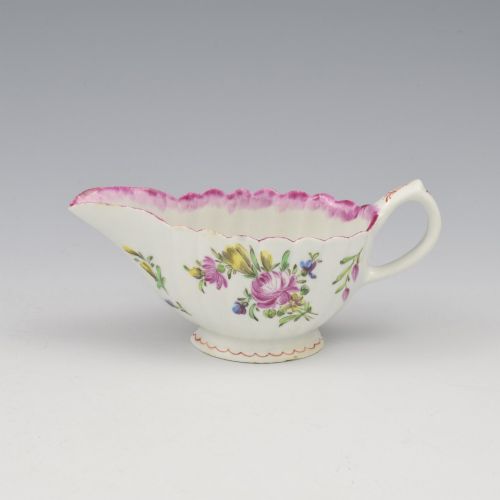
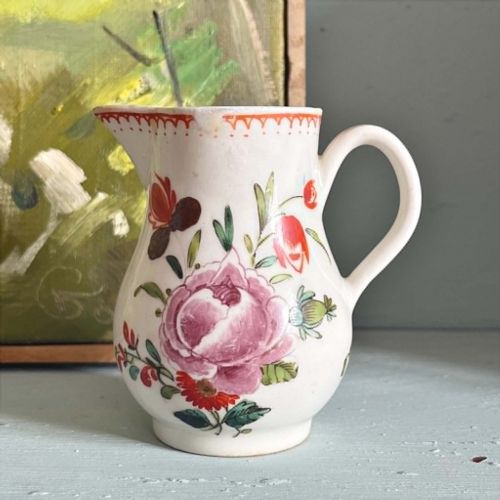
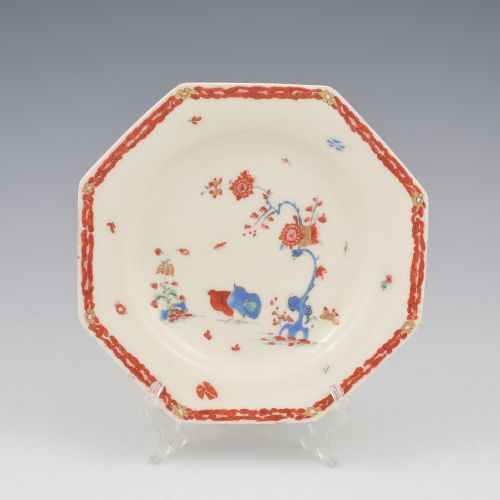
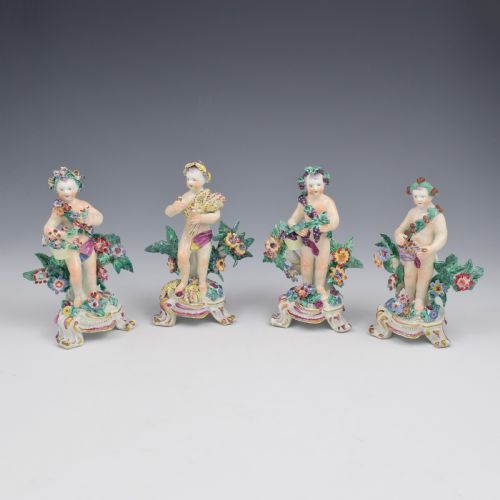
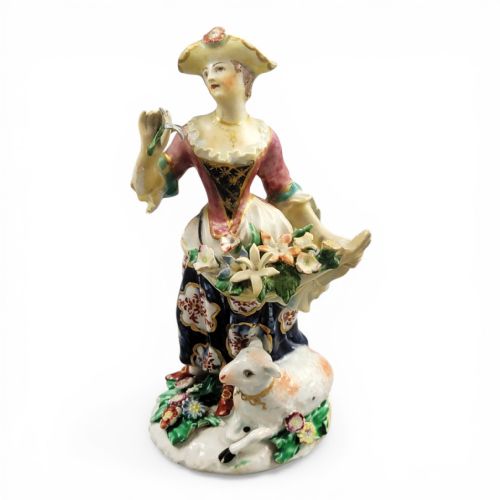
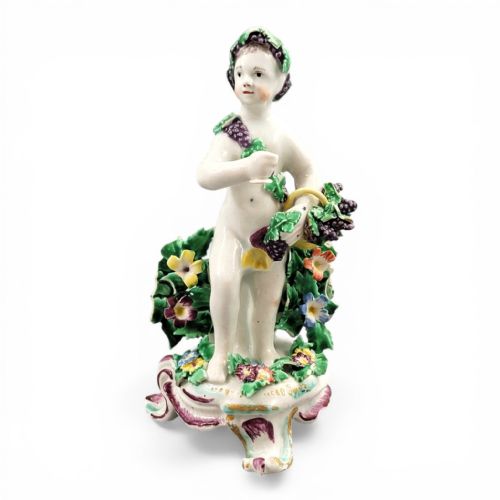
When you search for georgian bow porcelain, you encounter eighteenth-century English soft-paste ceramics originating from the east London manufactory. The selection includes domestic tableware such as sauce boats, creamer jugs, and octagonal serving dishes, alongside decorative figures representing putti, allegorical seasons, and pastoral characters.
How they were made
Makers utilised soft-paste porcelain bodies, shaped by hand or moulded to create utilitarian vessels and sculptural figures. These pieces received underglaze blue painting or overglaze polychrome enamel decoration, sometimes enhanced with gold leaf and gilding.
Firing took place in early kilns, resulting in the characteristic warm tone and glaze pooling associated with eighteenth-century English production. Sculptural items like bocage candlesticks and putti figures incorporated applied botanical elements and detailed pastel hues.
Listings feature eighteenth-century soft-paste porcelain objects, combining domestic tableware like sauce boats and plates with sculptural figures.
What varies in quality
The complexity of the object also defines the tier, separating simpler blue and white tableware from elaborate sets of allegorical figures or bocage candlesticks. Preservation of the original soft-paste body and delicate overglaze decoration remains central to the standing of each piece.
The Georgian Bow Porcelain Glossary
- Soft-paste Porcelain
- An early artificial ceramic composition fired at lower temperatures than true hard-paste porcelain. This body creates a softer glaze appearance characteristic of eighteenth-century English factories.
- Kakiemon
- A Japanese enamel style featuring asymmetric compositions of birds, flowers, and banded hedges. Bow potters frequently adopted this palette for octagonal plates and serving dishes.
- Bocage
- An applied background of leaves and branches common on eighteenth-century figures. This leafy arbor frames porcelain characters such as putti and rustic subjects.
- Putto
- A plump male child figure derived from classical art, often depicted singly or in sets representing the seasons. These sculptural pieces form a significant part of figure production.
- Sparrowbeak Creamer
- A small domestic jug with a distinct pinched spout resembling a bird's beak. These vessels usually feature polychrome enamel floral painting.
Georgian Bow Porcelain: Frequently Asked Questions
How do I identify bow porcelain?
Examination of the soft-paste body, glaze characteristics, and typical eighteenth-century forms helps distinguish these pieces from later ceramics. Painted motifs, such as Kakiemon patterns or blue and white Chinese figures, provide further clues.
Many examples exhibit characteristic potting flaws and glaze pooling typical of early English kilns. Comparing known painting styles on figures and tableware aids in proper attribution.
What are bocage candlesticks?
Bocage candlesticks incorporate applied porcelain foliage and branches wrapping around a central socket and figurative element. These decorative lighting pieces date to the mid-eighteenth century.
The leafy background frames the figures standing before them, creating a lush three-dimensional effect. They represent the more elaborate sculptural output of the factory.
How were sauce boats used?
Sauce boats served gravy and sauces at formal dining tables during the Georgian period. Their handled forms and fluted bodies accommodated pouring during meals.
Potters decorated them with blue and white Chinese scenes or polychrome floral enamels to match other tablewares. They remain among the most durable domestic survivals from the factory.
What is soft-paste porcelain?
Soft-paste porcelain is a vitrified ceramic mixture containing glass frit and white clay, fired at lower heats than hard-paste porcelain. It yields a warm, slightly translucent body.
This material allowed early English factories to experiment with form and glaze before true porcelain ingredients became widespread. It absorbs enamels into the glaze differently than later wares.