
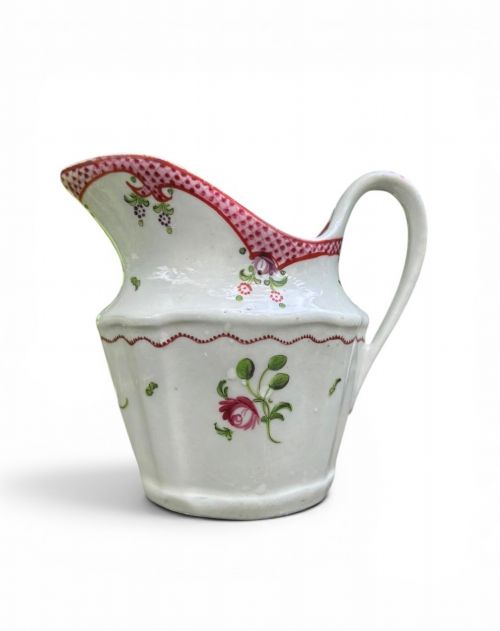


Floral Porcelain Creamer
A floral porcelain creamer brings eighteenth and nineteenth century domestic charm directly to the table through hand-painted botanical motifs.
Floral Porcelain Creamer
A floral porcelain creamer is a small ceramic vessel designed for serving milk or cream at tea, decorated predominantly with painted botanical or floral patterns. When searching for a floral porcelain creamer, buyers encounter items ranging from Georgian soft-paste jugs to Victorian earthenware and porcelain pieces.
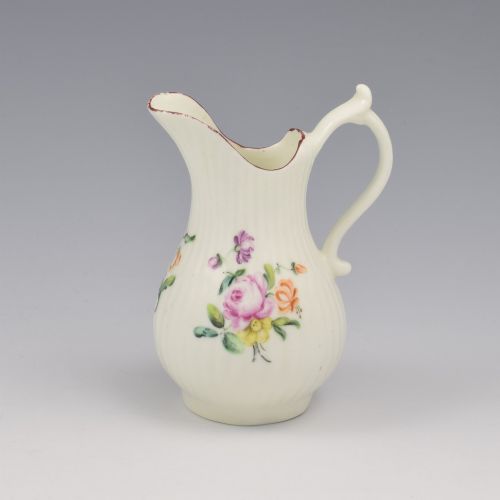
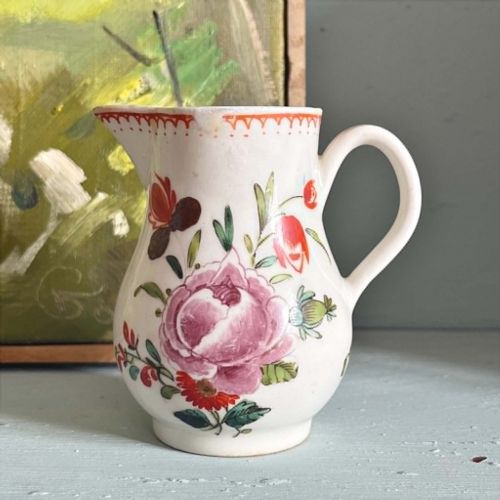
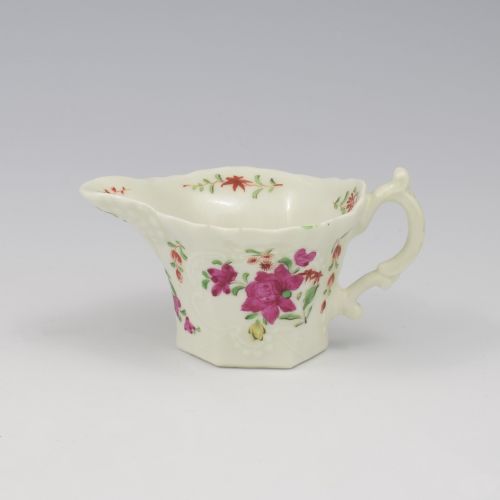
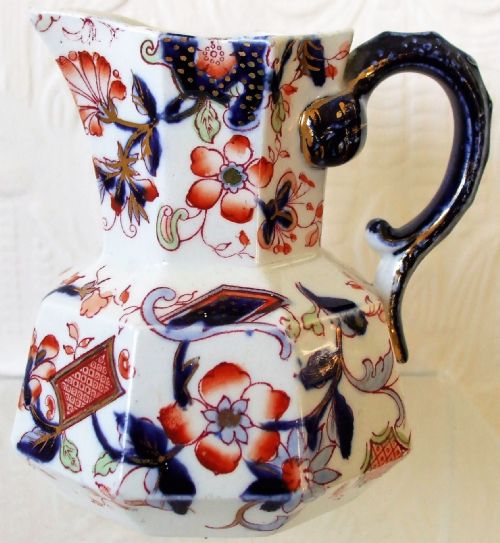
The selections on this page span the eighteenth and nineteenth centuries, featuring forms such as sparrowbeak jugs, low Chelsea ewers, and hydra pitchers. These objects originate from prominent English and continental factories, uniting utilitarian function with delicate decorative artistry.
How they were made
Potters shaped these vessels using hard-paste and soft-paste porcelain, as well as ironstone, moulding forms like hexagonal sauce boats and fluted baluster jugs. Early makers relied on soft-paste bodies that required careful firing and produced a characteristic warm translucency under the glaze.
Decorators applied polychrome enamel colours by hand, often incorporating gold leaf and gilding to highlight rims, handles, and floral panels. The painting combines underglaze blue with overglaze enamels to secure vibrant, lasting botanical details.
Listings feature porcelain creamers spanning the eighteenth and nineteenth centuries, incorporating soft-paste and hard-paste bodies alongside ironstone.
What varies in quality
Quality rests upon the precision of the hand-painting and the crispness of the porcelain moulding, especially around delicate spouts and handles. Superior pieces exhibit finely delineated floral sprays and expertly applied gilding that enhances the underlying ceramic form.
Early eighteenth-century pieces from factories like Bow or Worcester demonstrate a high degree of artistic refinement in their potting and enamel work. Later nineteenth-century examples shift towards robust ironstone bodies and more mechanised transfer-printing combined with hand finishing.
Derby·Bow·Worcester·Keeling and Co·New Hall·Meissen·Masons·Royal Worcester·John Rose Coalport·Rockingham·Liverpool Herculaneum
The Floral Porcelain Creamer Glossary
- Soft-paste porcelain
- An early ceramic composition fired at lower temperatures than hard-paste, prized for its creamy body and unique glaze interaction. It was widely used in eighteenth-century English factories before true porcelain became common.
- Sparrowbeak
- A small, distinctive jug shape featuring a pointed lip resembling a bird's beak. This form is frequently found on eighteenth-century creamers designed for individual tea service.
- Hydra jug
- A vessel featuring a flared rim, a looped handle, and characteristic moulded snake or serpent-like handle attachments. The shape draws inspiration from classical antiquity.
- Gilding
- The application of gold leaf or gold paint to ceramic surfaces for decorative emphasis. It typically outlines rims, panels, and handles on finer tea wares.
Floral Porcelain Creamer: Frequently Asked Questions
How do I clean a porcelain creamer?
Wash these pieces gently by hand using warm water and a mild detergent. Avoid soaking or using abrasive sponges that might damage fragile nineteenth-century gilding.
Dry the creamer immediately with a soft cloth to protect any residual hand-painted enamels. Dishwashers are much too harsh for historic ceramic bodies and overglaze decoration.
Can I still use these for serving cream?
These historical vessels remain fully functional for serving milk or cream at tea. Their spouts and handles were originally designed for everyday domestic pouring.
Keep in mind that eighteenth-century soft-paste porcelain is sensitive to thermal shock. Warm the jug gently with lukewarm water before pouring hot liquids into it.
What is a sparrowbeak jug?
A sparrowbeak jug is an eighteenth-century creamer shape characterised by a narrow, beak-like pouring lip. This specific profile allowed for precise pouring into small tea cups.
Early factories such as Bow and Worcester frequently utilised this charming form for their domestic tea sets.
How do I date an antique creamer?
Dating relies on examining the paste, glaze characteristics, and factory marks found underneath the base. Eighteenth-century pieces often display unglazed foot rims and hand-painted workman symbols rather than printed stamps.
Stylistic shifts also provide clues, moving from Rococo curves in the seventeen-fifties to neoclassical forms and later Victorian ironstone bodies by the eighteen-thirties.