


Hand Painted Cream Pitcher
A hand painted cream pitcher brings domestic history to the table, offering intimate scale and painted colour from centuries past.
Hand Painted Cream Pitcher
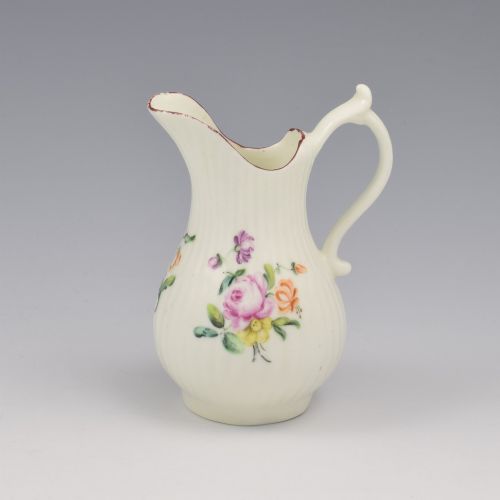
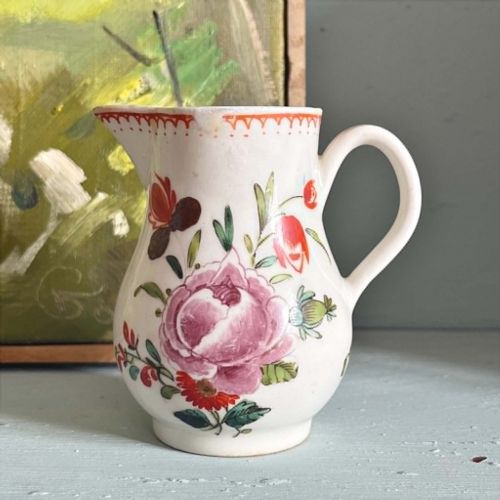
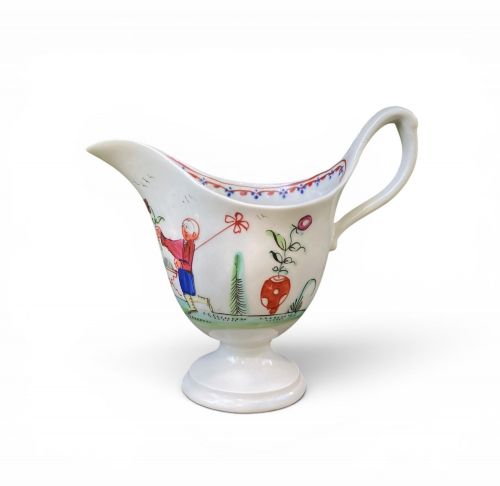
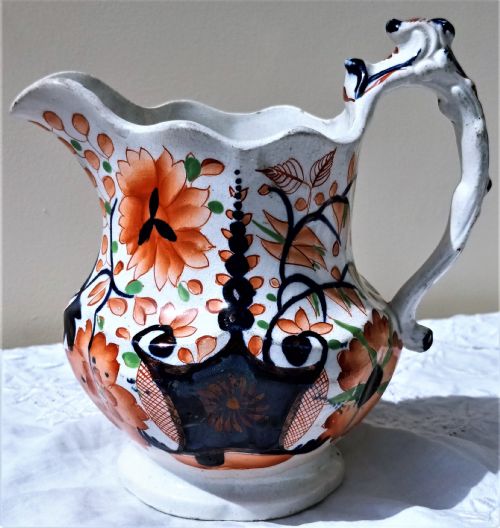
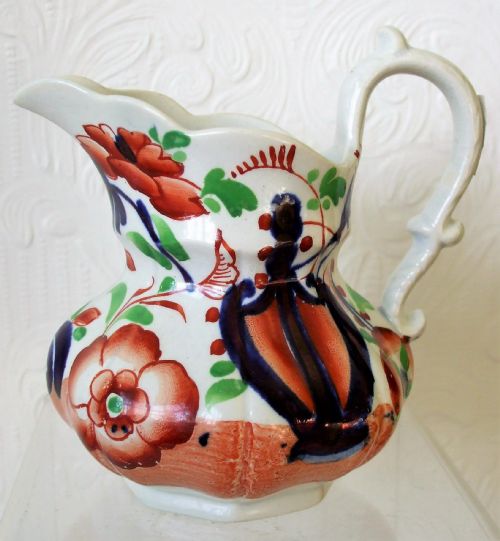
A hand painted cream pitcher is a small ceramic vessel designed for serving milk or cream at tea, appearing in forms from eighteenth-century sparrowbeak jugs to nineteenth-century ewers and milk jugs. Buyers browsing this page encounter pieces originating across the eighteenth, nineteenth, and early twentieth centuries, reflecting changing domestic habits and ceramic fashions.
Makers represented span early English porcelain works such as Derby, Bow, and New Hall, alongside continental factories like Meissen and Old Paris, and prolific nineteenth-century producers like Royal Worcester. These items served functional roles in tea and coffee services before transitioning into cabinet pieces and decorative table ornaments.
Materials and methods
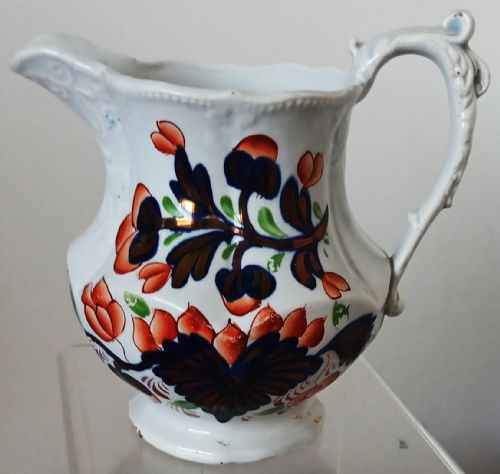
Potters shaped these vessels using both soft-paste and hard-paste porcelain, earthenware, and pearlware, often forming them through throwing, moulding, or slip-casting. Early examples like the sparrowbeak creamer show delicate, pinched spouts, whilst later Victorian ewers utilise robust ceramic bodies designed to support heavy moulded decoration and applied handles.
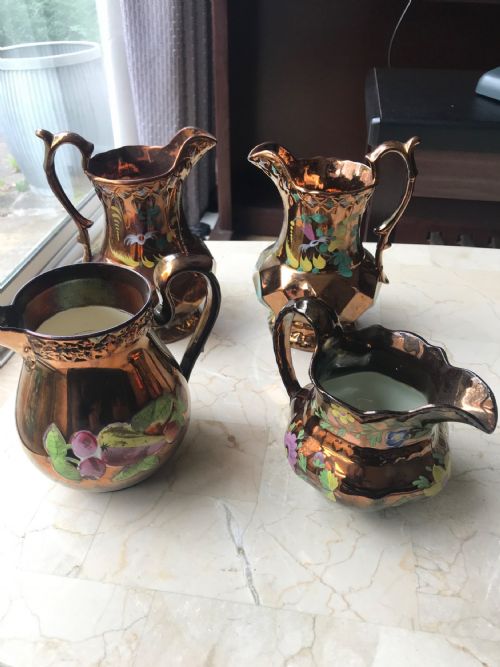
Decoration relied on hand-painted overglaze and underglaze pigments, incorporating polychrome flowers, birds, insects, and topographical views. Artisans added richness through the application of gold leaf, gilding, and copper lustre glazes that required multiple firings in kilns to fix the metallic sheens and enamels.
Early porcelain makers gave birds and insects free rein across tea sets, ensuring every morning cream jug came furnished with its own microscopic ecosystem.
Distinctions in craftsmanship
Quality rests in the precision of the potter's form and the clarity of the hand-painted brushwork, separating swift factory production from accomplished studio painting. Finer pieces display crisp moulding, such as cabbage leaf reliefs or fluted baluster walls, which provide a clean ground for intricate botanical or avian scenes.
The application of secondary finishes like gilding, copper lustre, or polychrome enamel reveals the maker's hand; superior examples maintain sharp detail and secure adherence without running or blurring into the glaze. The artistic ambition of the painted subject, from simple geometric patterns to signed fruit studies or topographical landscapes, ultimately defines the upper tier of the range.
Derby Porcelain·Bow porcelain·New Hall·Meissen·H and R Daniel·Royal Worcester·John Rose Coalport·Doulton Burslem·Crown Derby
The Hand Painted Cream Pitcher Glossary
- Sparrowbeak
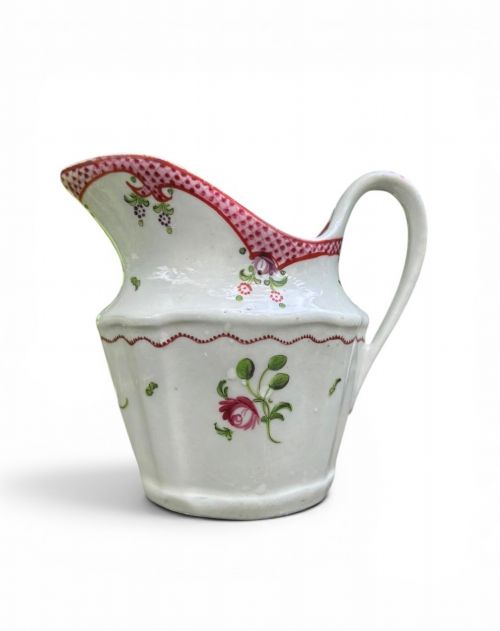
- A small eighteenth-century cream jug characterised by a distinctive, pinched spout resembling a bird's beak. This form appears frequently on early porcelain examples.
- Ewer
- A large jug with a wide spout and elaborate handle, often utilised for decorative purposes in nineteenth-century ceramics rather than functional dairy service.
- Pearlware
- A refined earthenware developed by Josiah Wedgwood in the late eighteenth century, featuring a bluish glaze that pooled in recesses to mimic Chinese porcelain.
- Copper lustre glaze
- A metallic ceramic glaze containing copper that produces a reflective, coppery sheen when fired, popular on nineteenth-century Staffordshire pottery.
- Blush ivory
- A tinted, matt cream-coloured ground developed by Royal Worcester in the late nineteenth century, typically decorated with soft floral or fruit motifs.
Hand Painted Cream Pitcher: Frequently Asked Questions
How do I date an antique cream jug?
Dating relies on identifying the ceramic body, glaze characteristics, and factory marks where present. Soft-paste porcelain and pearlware typically point towards the eighteenth century, whilst blush ivory and heavy copper lustre glazes indicate the Victorian era.
Shape also guides the timeline, moving from simple sparrowbeak profiles to elaborate Victorian ewers and pedestal forms. Comparing painted motifs and pattern numbers with known factory production periods helps narrow the manufacturing decade.
Were these pitchers used for milk or cream?
These vessels were designed for pouring milk or cream during tea and coffee service. Smaller forms, such as sparrowbeak creamers, held modest quantities suited for individual or small-party dining.
Larger items functioned as milk jugs or decorative ewers, reflecting the expanding scale of nineteenth-century table settings. Despite their decorative appearance today, their original purpose remained domestic and functional.
What is the difference between porcelain and earthenware?
Porcelain is a vitrified, dense ceramic fired at high temperatures, making it non-porous and often translucent when held to the light. Early English factories like Bow and Derby utilised soft-paste porcelain before mastering hard-paste bodies.
Earthenware, such as Staffordshire pottery and pearlware, is a porous ceramic fired at lower temperatures that requires an opaque or clear glaze to hold liquids. Earthenware pieces tend to feel heavier and thicker than fine porcelain creamers.
Why are some jugs marked with painter signatures?
Signed pieces typically date from the late nineteenth and twentieth centuries, particularly from factories like Royal Worcester where skilled artists specialised in botanical, avian, or fruit painting. Artists such as Freeman and Stinton signed their work to denote individual craftsmanship.
Unsigned pieces from earlier centuries reflect anonymous factory production where decorators worked collaboratively on standard patterns. Signed works command strong interest from collectors focusing on specific studio hands.