

Painted Pine Furniture
Painted pine furniture brings domestic character into a room through honest utilitarian forms finished in period colour.
Painted Pine Furniture
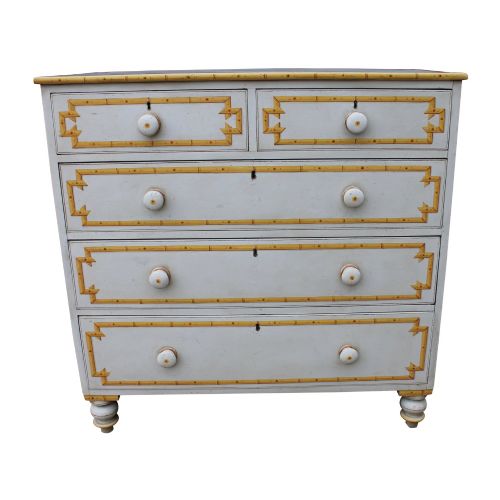
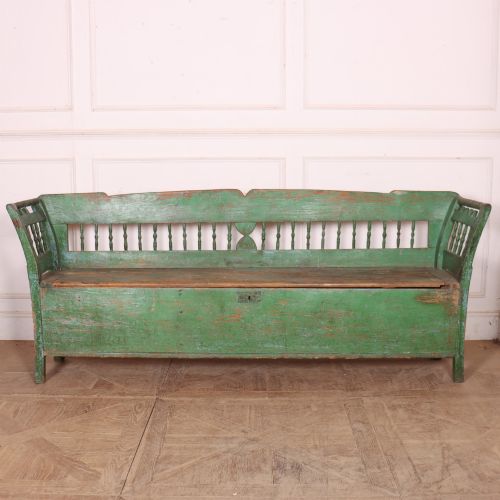
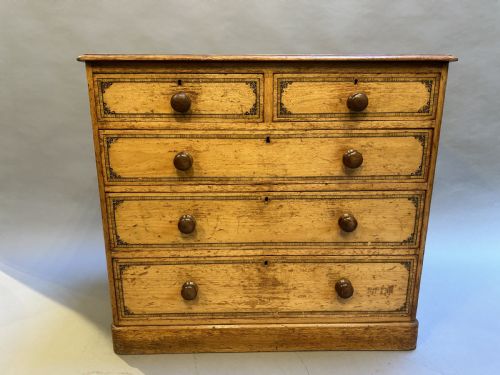
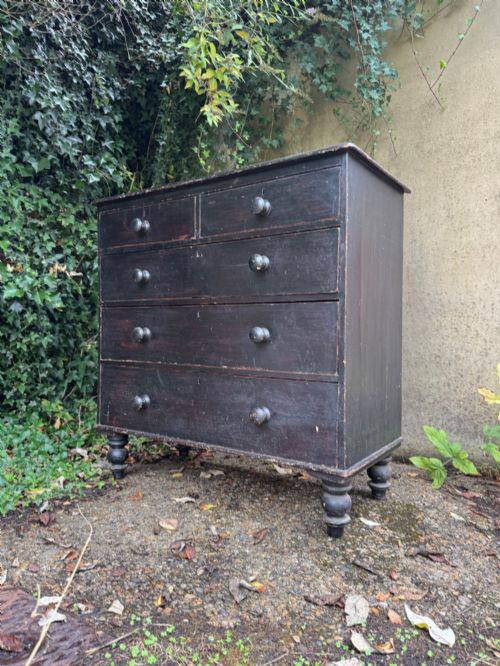
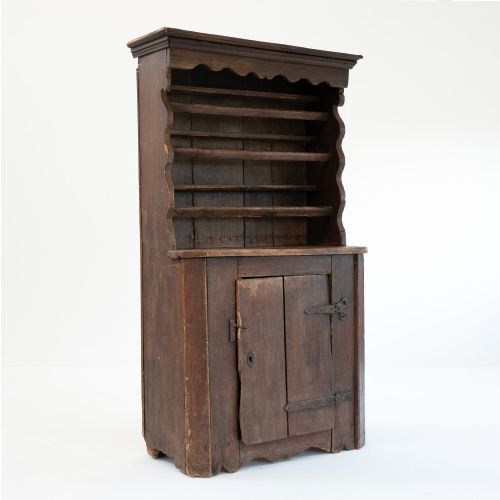
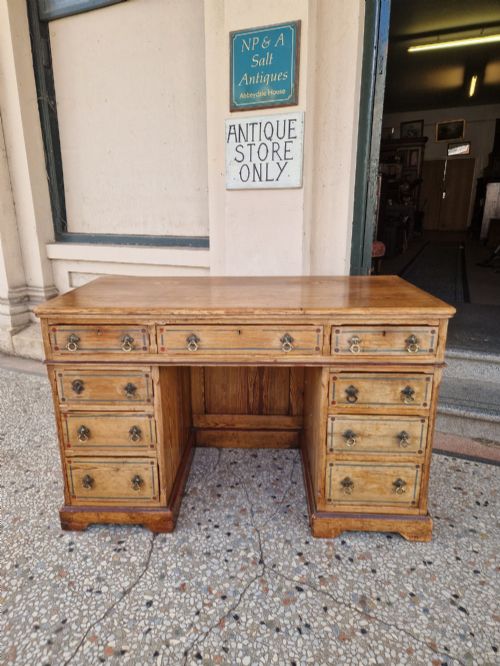
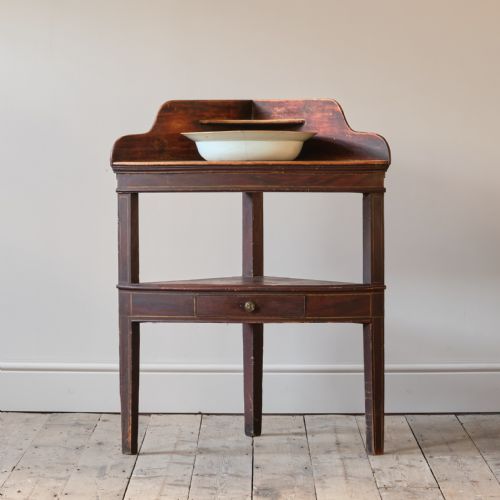
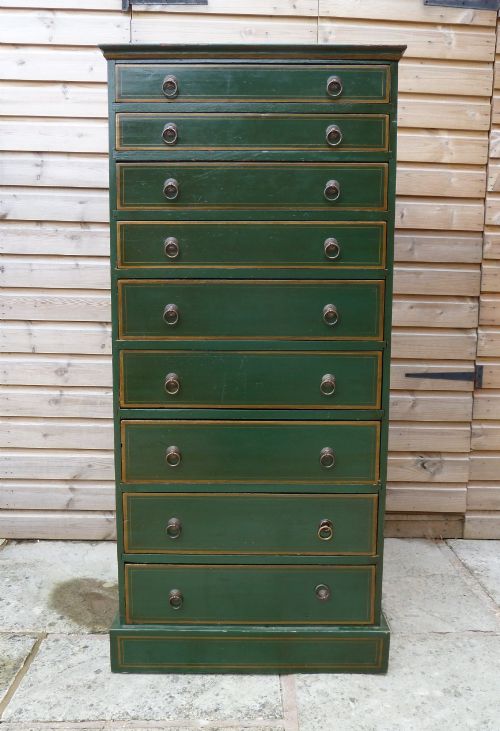
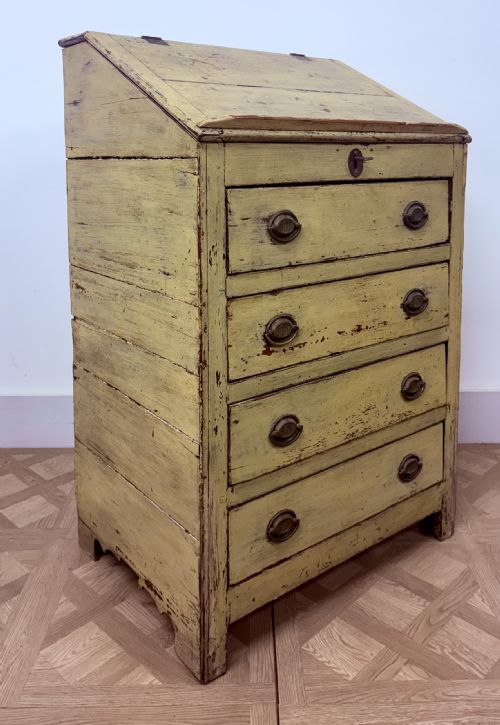
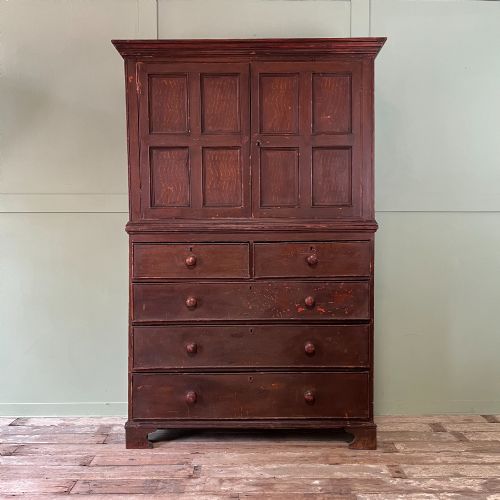
Painted pine furniture comprises practical household pieces built from softwood and finished with coats of pigment, often taking domestic forms such as chests of drawers, cupboards, benches, and dressers. These items emerge from rural and provincial workshops across Britain, Ireland, Scandinavia, and continental Europe, serving everyday storage and seating needs in farmhouses, cottages, and institutions. Buyers encounter domestic storage units alongside regional seating like settles and benches, each retaining layers of historical finish.
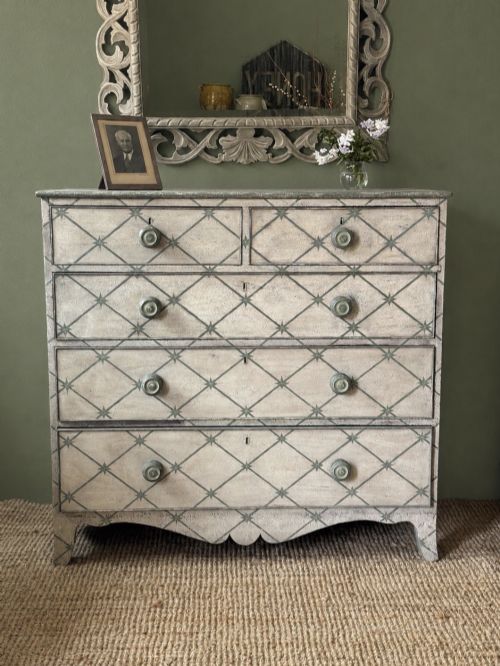
The material record spans from the seventeenth century through the Edwardian era, with nineteenth-century Victorian pieces appearing most frequently alongside earlier Georgian and eighteenth-century examples. Regional variations range from English country workshops to Scandinavian folk art traditions and Gustavian design, showing how diverse communities utilised humble softwood. Stencilled finishes, scumble painting, and original coloured surfaces define the visual character of these utilitarian survivals.
How they were made
Carpenters constructed these pieces primarily using pine timber, joining boards with pegged mortise and tenon joints, dovetails on drawer construction, and iron or brass hardware for hinges and pulls. Softwood planks provided an accessible medium for provincial makers who shaped cabinets, dressers, and desks with straightforward hand tools.
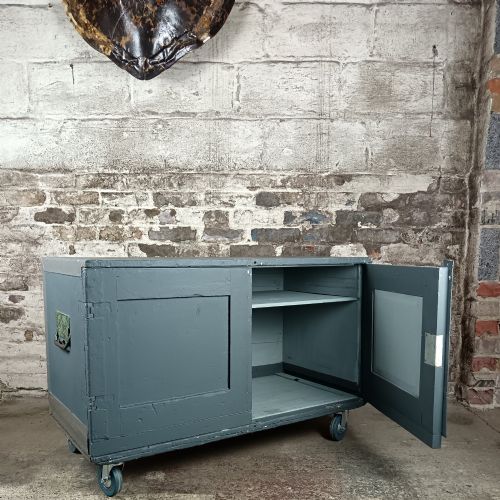
Surfaces received protective and decorative coats of paint, including scumble glazes, stenciling, and layered pigments that patinated over decades of daily use. Iron brackets, ceramic fittings, and metal strapping occasionally reinforced structural points, particularly on transport cases and large storage presses.
Regional styles on this site span Victorian Country, Scandinavian Folk Art, Gustavian, English Country, and Rustic Farmhouse traditions.
What varies in quality
The distinction between ordinary utility items and exceptional survivals rests upon the survival of original decorative paint surfaces and untouched structural timber. Pieces retaining their primary pigmented coats, regional stencilling, or historic scumbling hold greater historic interest than those stripped down to bare wood or repainted in modern times.
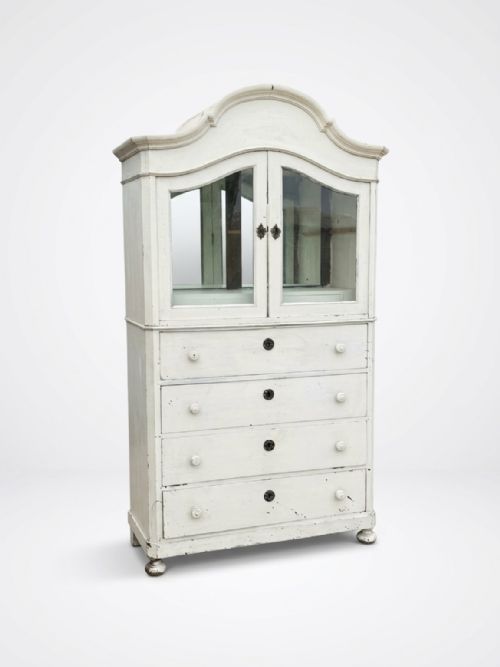
Proportional harmony and regional decorative vernacular also separate standard workshop output from finer folk art examples. Refined serpentine commodes, bonnet top cabinets, and documented marriage chests demonstrate superior joinery and deliberate artistic intent compared to basic utilitarian storage.
The Painted Pine Furniture Glossary
- Scumble paint
- A decorative technique where translucent topcoats are manipulated with combs or rags over a lighter base to imitate grain. This method created textured, mottled finishes popular on nineteenth-century domestic storage.
- Marriage chest
- A celebratory storage trunk commissioned to mark a wedding, frequently inscribed with dates and initials. These pieces often feature regional folk art motifs particular to Scandinavian and European traditions.
- Potboard dresser
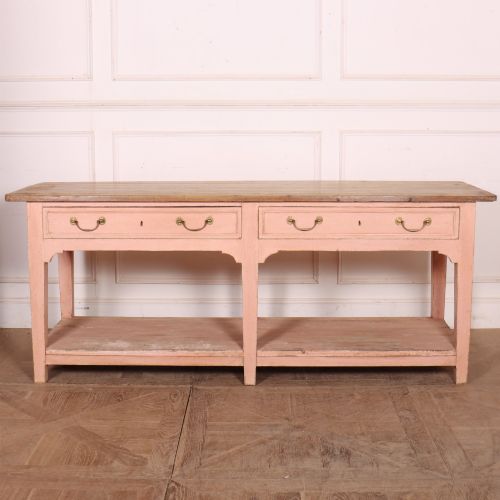
- A kitchen dresser featuring an open low shelf beneath the main counter surface for storing heavy earthenware. This base design originated in vernacular country houses for functional kitchen storage.
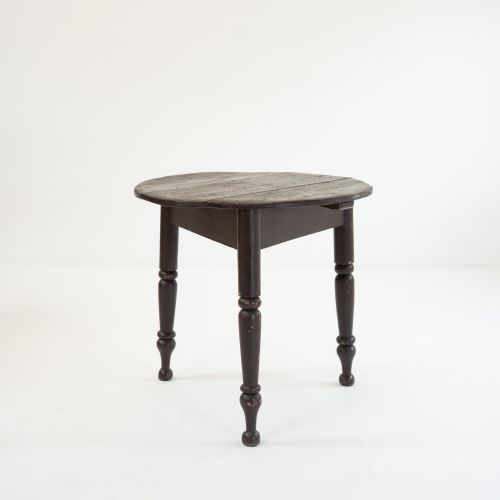
- Cricket table
- A small, lightweight occasional table supported by three splayed legs designed for uneven stone floors. The triangular leg arrangement provided steady footing in rustic domestic settings.
- Settle bench
- A high-backed wooden bench with solid sides intended to block draughts in open hearth rooms. Enclosed lower compartments sometimes provided hidden storage beneath the seat.
Painted Pine Furniture: Frequently Asked Questions
How do I care for painted pine furniture?
Keep these pieces away from direct heat sources and strong sunlight to prevent the historic paint layers from drying out or crazing. Dust gently with a dry cloth and avoid modern chemical polishes that can soften aged oil or distemper finishes.
Maintain stable indoor humidity levels in your home to protect the underlying softwood from seasonal expansion and contraction. Gentle treatment preserves the integrity of both the timber and the original surface decoration.
Are these pieces from the Victorian period?
Many examples date from the Victorian era, spanning kitchen cabinets, scumbled chests of drawers, and school cupboards. These nineteenth-century utility items formed the backbone of domestic storage before mass-produced commercial furniture dominated.
However, the selection also reaches back through Georgian and eighteenth-century pieces to earlier seventeenth-century coffers. Each era contributes distinct construction details and regional painting styles that help establish its age.
What is scumble paint?
Scumble paint involves dragging or combing a translucent glaze over a lighter prepared base coat to simulate more expensive timber grains. Makers utilised this accessible technique to give humble pine a decorative, patterned finish.
Victorian housekeepers and rural craftsmen frequently employed scumbling on chests of drawers and cupboards to brighten interiors. Surviving examples display mottled or feathered patterns unique to the decorator's hand.
How can I tell original paint from later decoration?
Original paint surfaces show natural wear, oxidation, and crackleur that match the age of the underlying pine construction. Microscopic examination of paint layers often reveals accumulation of historic dirt and stable adhesion to the wood pores.
Later repainting frequently conceals structural wear or sits uniformly across repaired areas without expected fading. Assessing the consistency of the patina across handles, edges, and hidden surfaces guides correct attribution.