
Antique Black Chest
An antique black chest brings deep tone and grounded weight to a room, ranging from country pine to lacquered export pieces.
Antique Black Chest
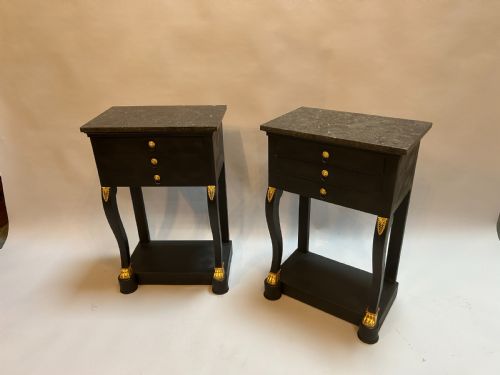
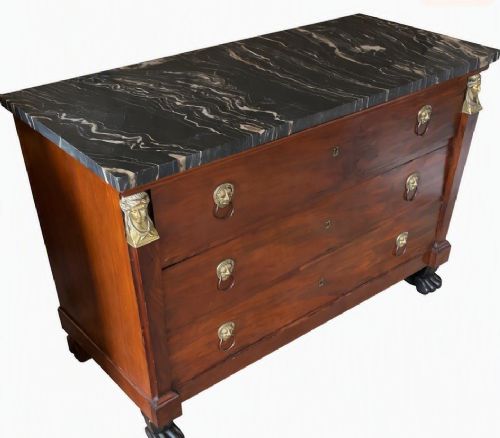
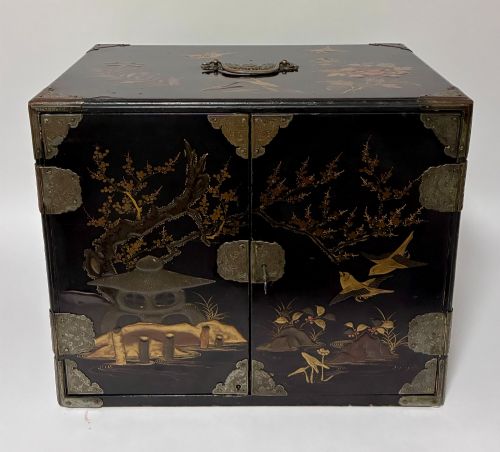
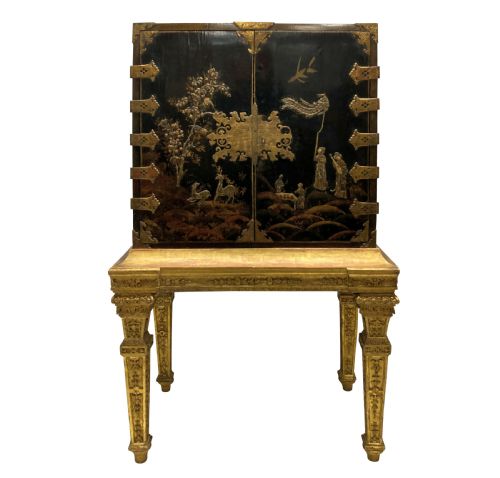
When searching for an antique black chest, buyers encounter a wide variety of storage furniture spanning several centuries. The selection includes everything from utilitarian pine utility boxes and tool chests to elaborate lacquered cabinets on stands.
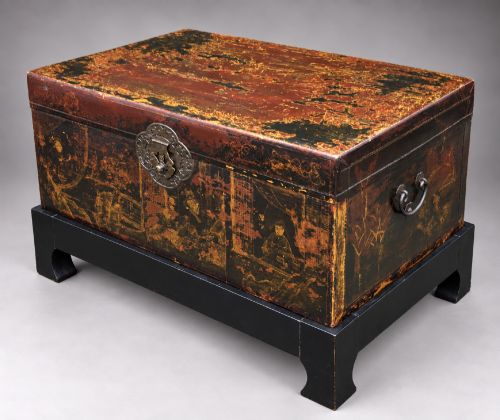
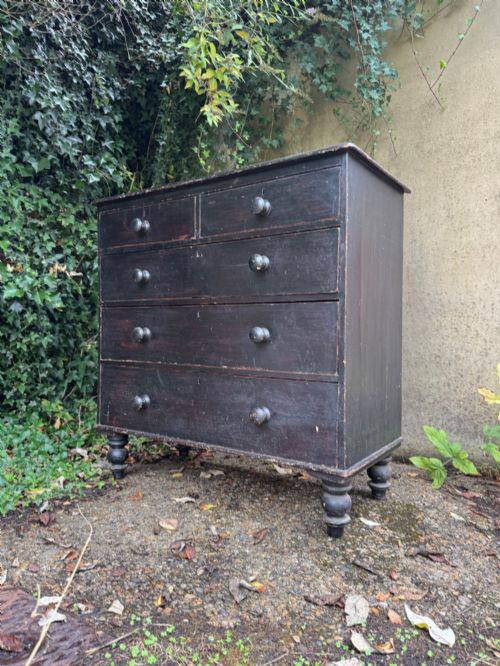
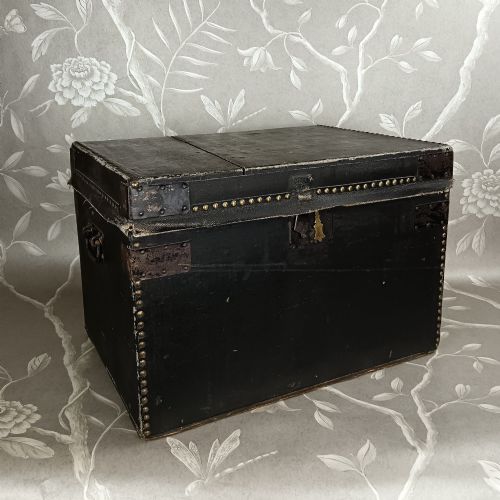
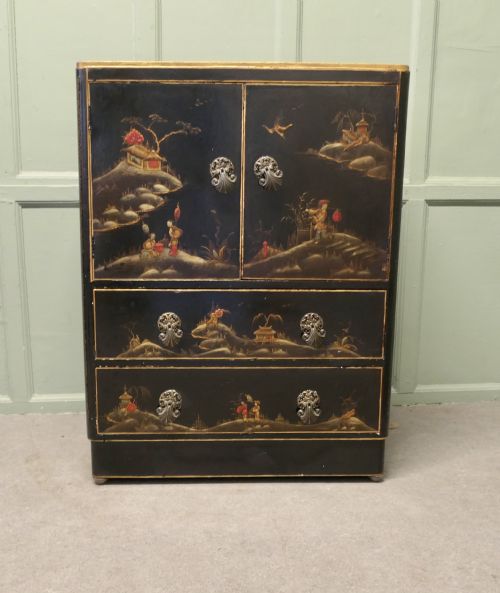
The most frequently met examples on this page are Victorian painted pine chests of drawers from Hungary and England, alongside travel trunks and Chinese export lacquer pieces. These items serve practical storage needs while anchoring a room with dark pigment.
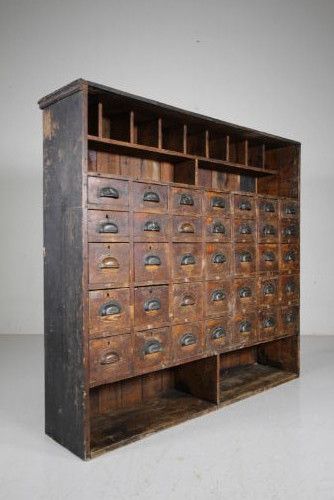
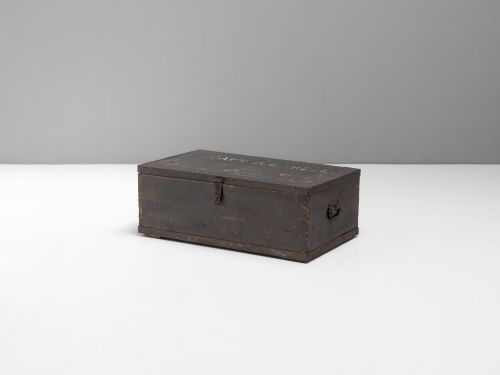
Origins stretch from British and Hungarian country workshops to Japanese, Chinese, and Korean makers, taking the form of commodes, coffers, and apothecary cabinets. Each period brings distinct construction methods and decorative schemes to the dark surface.
How they were made
Makers utilised solid timbers such as pine, camphorwood, and elm as the structural base for these pieces, often applying layered paint or lacquer directly over the wood. Paint finishes received protective varnish or wax seals to withstand daily domestic use.
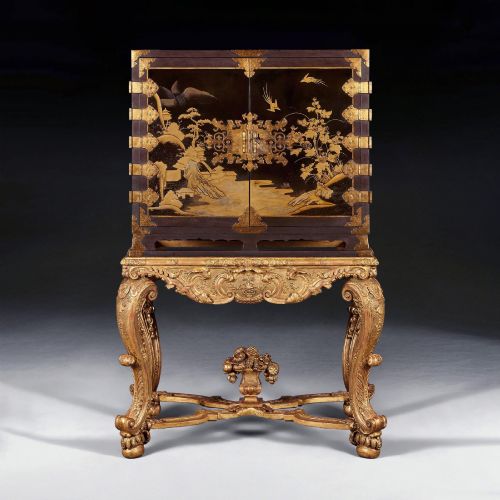
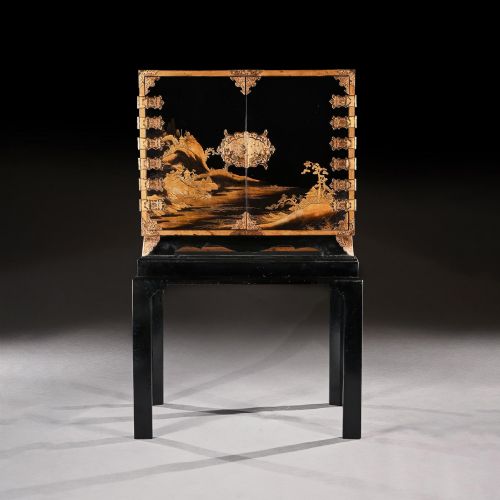
Asian export items involved painstaking layers of natural lacquer applied to wooden carcasses, embellished with gold leaf and raised gilt decoration depicting landscapes and figures. European alternatives relied on japanning techniques or flat black paint over pine and ebonised fruitwoods.
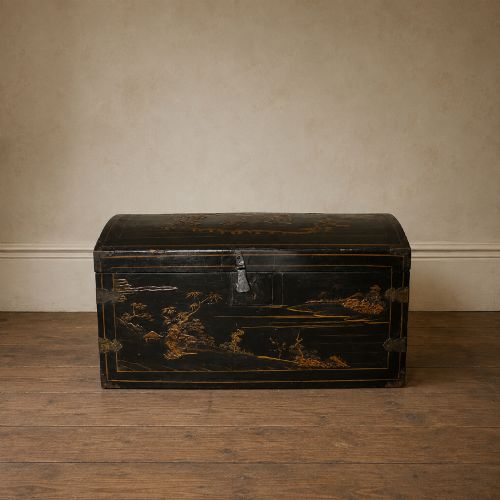
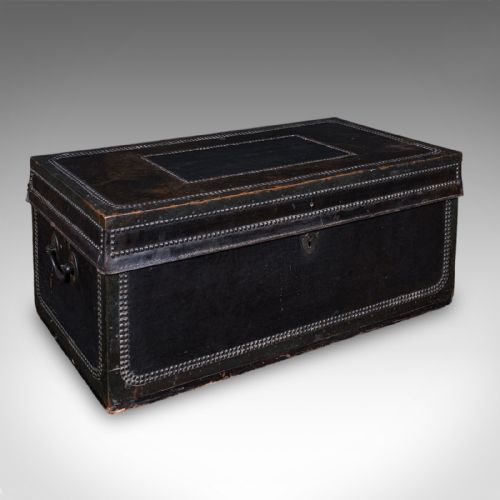
Hardware played an essential role, with blacksmiths and cabinetmakers fitting brass, iron, and metal drop handles, strap hinges, and lock plates. Travel trunks incorporated reinforced corners and leather straps to endure long journeys.
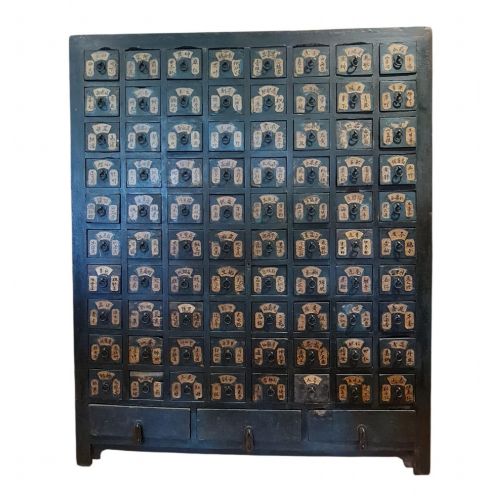
One exceptional apothecary chest crams eighty miniature drawers into a single cabinet for traditional Chinese medicine ingredients.
What varies in quality
The degree of surface preservation dictates much of the distinction between examples, particularly whether original painted decoration or lacquer remains intact beneath subsequent layers of wear. Patina accumulated through decades of handling separates honest aged surfaces from unsympathetic modern repainting.
Joinery standards define the better pieces, visible in the snug fit of drawer dovetails, the stability of carcase frames, and the smooth action of lids and doors. Finer cabinets feature integrated stands, hand-chased brass mounts, and intricate gilt detailing executed with precision.
Wm Insall of Bristol
The Antique Black Chest Glossary
- Chinoiserie
- European imitation and adaptation of Chinese artistic styles and motifs, frequently expressed in gold lacquer decoration on a black ground.
- Japanning
- European method of finishing wood with a hard, glossy black varnish that mimics Asian lacquerware.
- Commode
- A low chest of drawers or cabinet introduced in the eighteenth century, often standing on relatively tall legs.
- Coffer
- A large strongbox or chest used historically for storing valuables, textiles, or documents.
- Campaign trunk
- A portable storage chest designed for military officers or travellers, fitted with recessed brass handles and reinforced corners.
Antique Black Chest: Frequently Asked Questions
What is an antique black chest?
An antique black chest is a storage piece finished in dark paint, lacquer, or ebonised wood, encompassing domestic drawers, travel trunks, and decorative cabinets.
These items date from the seventeenth century through to the early twentieth century, originating from European country workshops and Asian export centres alike.
How do I clean a lacquered chest?
Dust surfaces gently with a soft, dry microfibre cloth to prevent scratching the delicate finish of lacquer or painted wood.
Avoid chemical polishes, modern detergents, and excessive moisture, consulting a conservator if the surface shows signs of flaking.
Were these chests used for travel?
Many examples on the market, such as campaign trunks and apothecary boxes, served functional transport roles for military officers, merchants, and sailors.
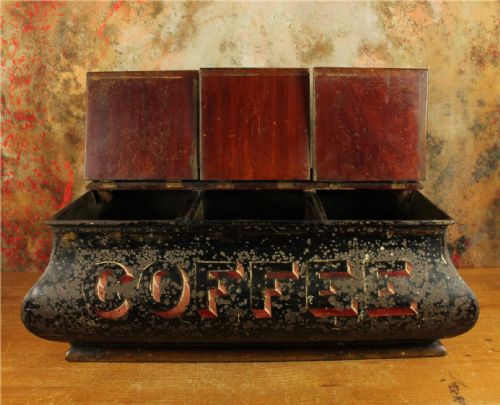
Other forms, including tea caddies and large lacquer cabinets, remained static pieces intended solely for domestic display and storage.
How do I date a black painted chest?
Dating relies on examining construction traits like handmade dovetails, timber selection, lock types, and the composition of the paint or lacquer layer.
Hardware styles, secondary woods, and regional construction methods further help pinpoint the era of manufacture.