
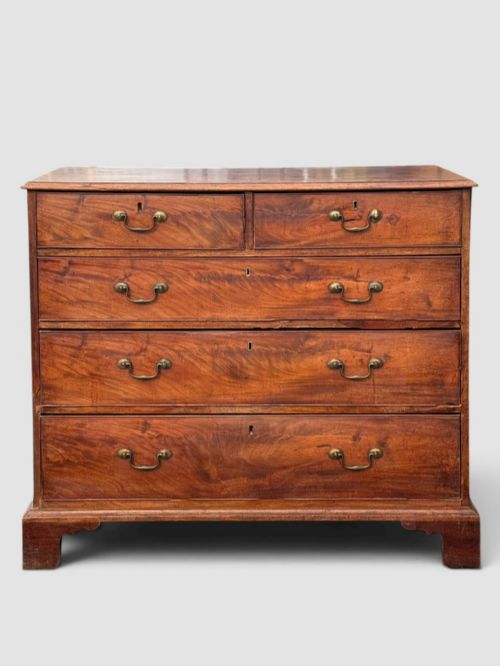
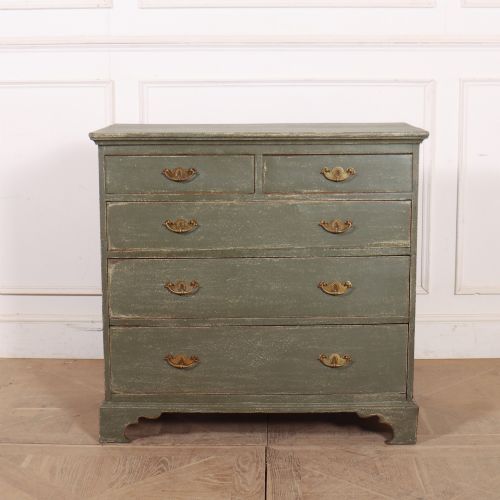
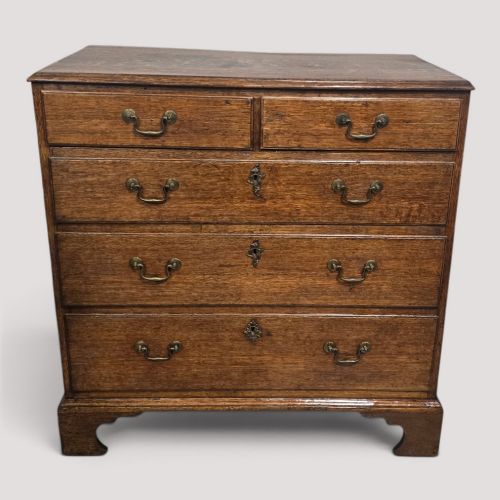
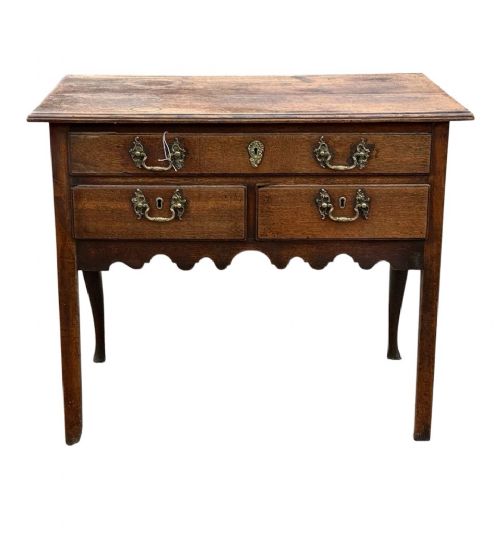
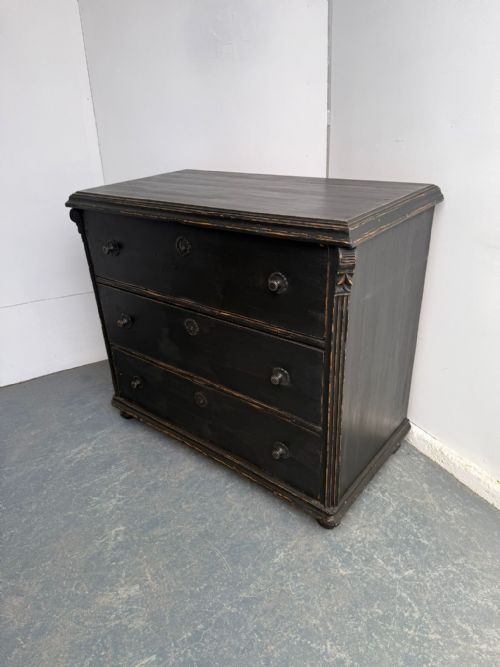


Georgian 3 Drawer Dresser
A georgian 3 drawer dresser offers sturdy timber construction and practical surface space, making it a functional centrepiece for traditional and modern interiors alike.
Georgian 3 Drawer Dresser
A georgian 3 drawer dresser usually appears as a sturdy oak or mahogany dresser base, providing low storage surfaces and deep compartments for domestic use. Buyers looking for this form will encounter practical furniture designed primarily for utility during the eighteenth century and subsequent revival periods.
The selection includes low potboard dresser bases alongside chest of drawers configurations labelled under related sideboard and dresser categories. Most examples date from the georgian and regency eras, with later nineteenth century and twentieth century interpretations also appearing.
How they were made
Cabinet makers relied predominantly on solid oak and mahogany timbers, frequently embellishing surfaces with flame mahogany veneer or burr walnut figures. Brass handles and escutcheons provided functional contrast to the dark timber grain.
Construction techniques involved traditional drawer dovetails and crossbanding in satinwood on select regency items. Timber selection dictated the structural integrity and visual depth of each base or chest.
Listings feature oak, mahogany, walnut, and satinwood, spanning the eighteenth, nineteenth, and early twentieth centuries.
What varies in quality
Quality separates pieces through the selection of timber figures, such as highly figured walnut or book-matched flame mahogany veneers. Superior examples display refined proportions, crisp moulding details, and original brass hardware rather than later replacements.
The execution of secondary timbers inside the drawers and the integrity of the structural joints indicate the level of craftsmanship involved. Pieces retaining their original patination and unblemished surface finishes command greater appreciation among collectors.
Whytock and Reid·J Moorcroft
The Georgian 3 Drawer Dresser Glossary
- Dresser base
- A low sideboard or table featuring drawers, traditionally used in kitchens or dining rooms for food preparation and storage. They often include an open lower shelf known as a potboard.
- Bow front
- A convex curved cabinet front popular during the regency and late georgian periods. This curved design softens the rigid angles of a room.
- Crossbanding
- A strip of veneer applied perpendicularly to the grain of the main surface, often utilising satinwood or a contrasting timber to frame drawer fronts.
- Brushing slide
- A pull-out shelf integrated above the top drawers, historically used for folding linen or serving as a temporary writing surface.
- Potboard
- An open lower shelf built into the base of a dresser, originally intended for storing heavy pots and ceramic vessels.
Georgian 3 Drawer Dresser: Frequently Asked Questions
Where were these dressers used?
These pieces traditionally stood in kitchens, pantries, and dining rooms where storage and surface workspace were essential for daily domestic tasks.
Over time, owners moved them into hallways and living rooms to display ceramics and store household linens.
How do I maintain the wood?
Keep timber surfaces away from direct heat sources and strong sunlight to prevent the natural mahogany or oak from drying out and cracking.
Apply a traditional beeswax polish occasionally to nourish the grain and maintain a soft, protective lustre.
How do I date a piece?
Examine the drawer construction methods, timber choices, and hardware styles to determine the likely period of manufacture.
Hand-cut dovetails, secondary softwood linings, and original brass drop handles typically point towards eighteenth or early nineteenth century origins.