








Hungarian Pine Dresser
These heavy hungarian pine dresser pieces bring rustic utility and folk art colour straight from Central Europe into British rooms.
Hungarian Pine Dresser
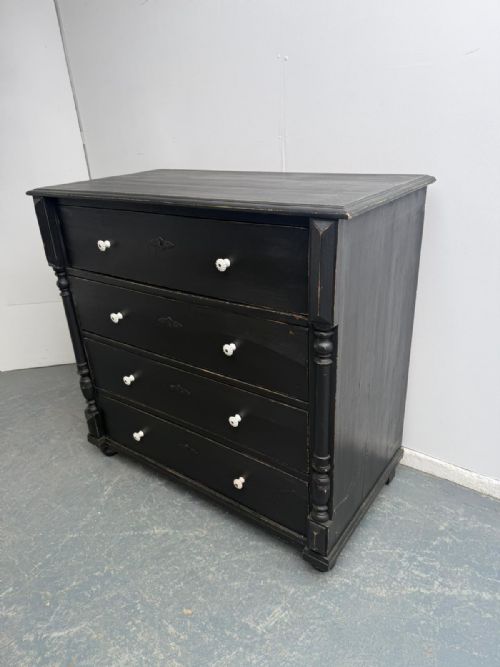
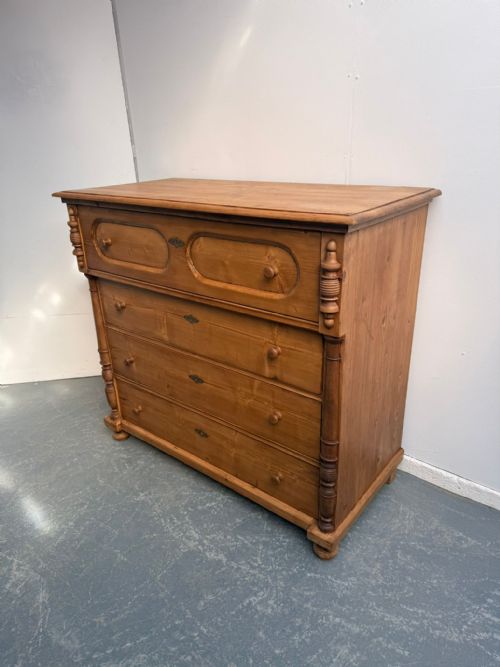
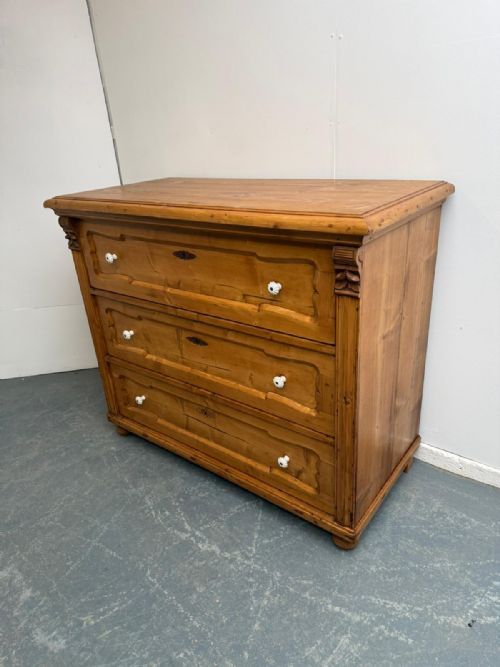
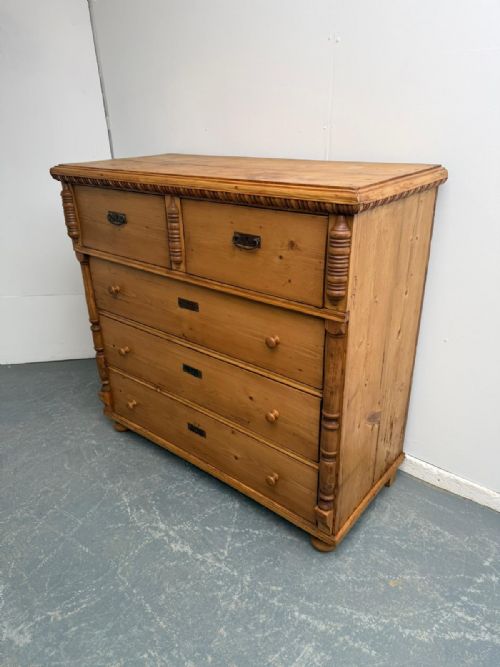
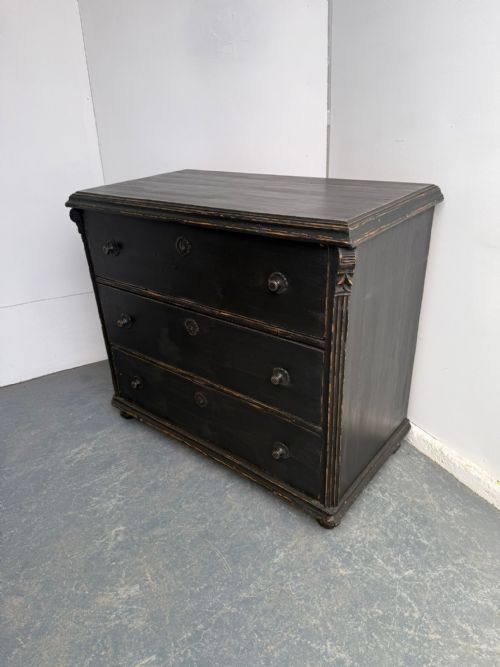
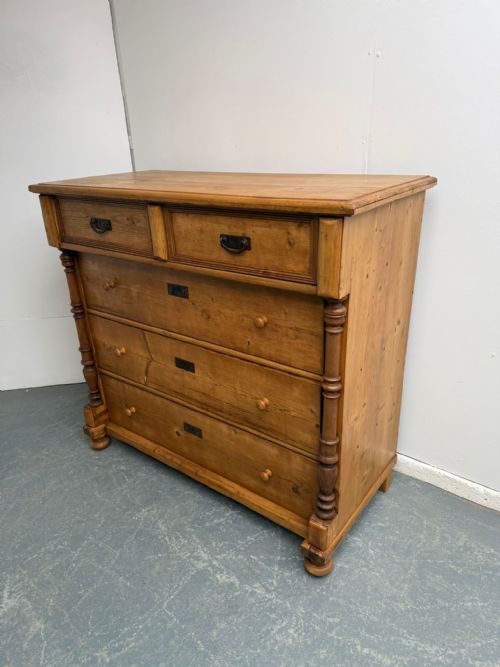
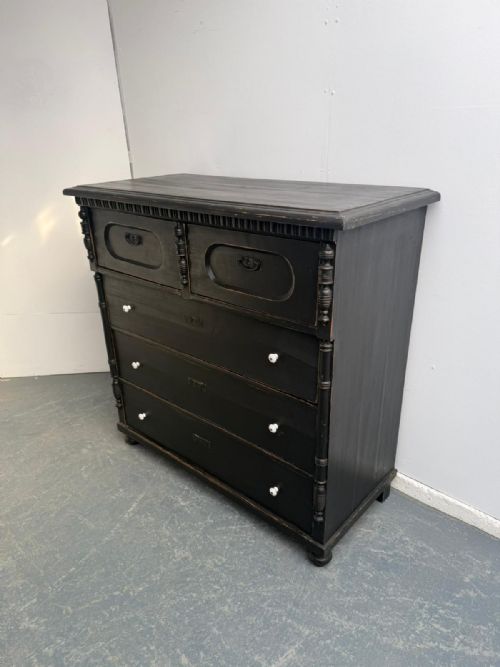
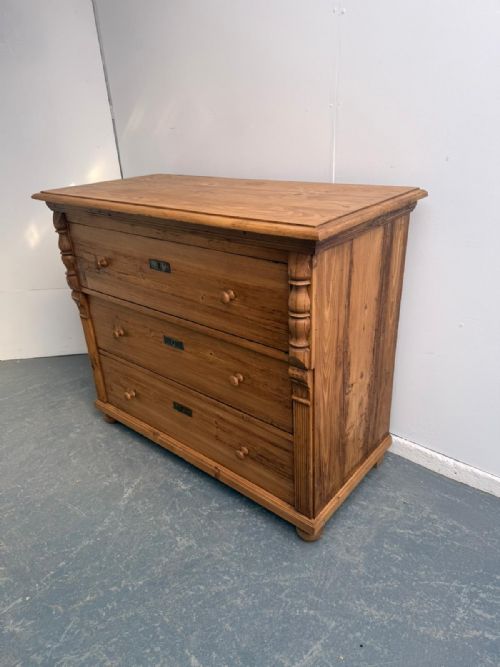
When you search for a hungarian pine dresser, you encounter robust storage furniture originating from Central Europe, spanning periods from the Georgian and Victorian eras up to nineteen-ten and the nineteenth century. These items manifest primarily as multi-drawer chests, kitchen dressers, two-piece dressers, dresser bases, cupboards and cabinets.
The aesthetic bridges several traditions, encompassing Victorian country, rustic farmhouse, European country, and distinct European and Hungarian folk art styles. Buyers encounter monumental proportions, including massive five-drawer chests, low wide configurations, and columned facades alongside carved floral details.
Surfaces divide clearly between warm waxed finishes that expose the natural grain of old pine and original painted treatments. Paintwork displays striking choices like black, cream and teal, or green, matching the traditional palette of regional folk furniture.
Materials and construction
Makers built these pieces predominantly from solid pine, utilising sturdy timber harvested locally for everyday utility. Iron and brass hardware, such as metal drawer pulls and hinges, secure the heavy doors and drawer components.
Surface treatments define the exterior appearance, combining plain waxed pine with layers of applied paint in black, cream, teal, and green. Ceramic elements and glass occasionally appear on fixtures, while hand-carving decorates specific panels on bases and cupboards.
Hungarian Pine Dresser Retail Price Guide 2026
Typical asking prices for hungarian pine dresser among the pieces listed under this phrase on Sellingantiques today, from the lower quarter to the upper quarter. They describe what is for sale here now, not the wider market.
Current listings feature Victorian and Georgian periods alongside nineteenth-century and nineteen-ten items, rendered in pine, painted pine, iron, brass, ceramic, and glass.
Distinctions in quality
Quality rests upon the integrity of the original surfaces and structural scale. Pieces retaining their earliest painted finishes or deep waxed patinas hold greater visual distinction than those altered over time.
Construction details separate standard items from superior examples. Columned architectural elements, carved floral motifs, and intact multi-piece construction indicate higher craftsmanship within regional workshop traditions.
The Hungarian Pine Dresser Glossary
- Dresser base
- A lower sideboard or cabinet component without upper shelving. These items provide surface space and enclosed storage behind doors.
- Waxed pine
- Timber treated with natural wax to nourish the wood and produce a mellow sheen. This finish highlights the grain patterns of the old pine.
- Folk art style
- Decorative painting and carving traditions tied to specific geographic regions. In these pieces, it involves coloured paintwork and floral motifs.
- Kitchen dresser
- A large storage unit designed for domestic utility. Examples include multi-drawer chests and two-piece configurations with doors.
- Columned
- Furniture incorporating architectural pillar details flanking the drawers or doors. This stylistic choice adds formal weight to regional country pieces.
Hungarian Pine Dresser: Frequently Asked Questions
What is a hungarian pine dresser?
A hungarian pine dresser is a heavy storage piece originating from Central Europe, constructed from solid pine during the Georgian and Victorian periods.
These items range from large kitchen dressers and dresser bases to multi-drawer chests and cupboards, often finished with wax or regional folk paint.
How were these dressers used?
These items served for domestic storage in Central European homes, holding household goods, textiles, and kitchen provisions.
Large bases and multi-drawer chests provided both surface utility and enclosed compartments for daily household organisation.
How do I live with one?
Place a hungarian pine dresser in a kitchen, hallway, or living space where its scale and rustic character anchor the room.
Allow sufficient clearance for deep drawers and heavy doors, keeping the piece away from direct heat sources to protect the aged pine timber.
How do I tell periods apart?
Georgian examples and Victorian pieces share robust pine construction, but stylistic details reveal their era. Look for columned supports and specific folk paint colours typical of nineteenth-century workshops.
Comparing hardware, construction joints, and surface treatments helps place items within the Victorian, Georgian, or nineteen-ten timeline.