

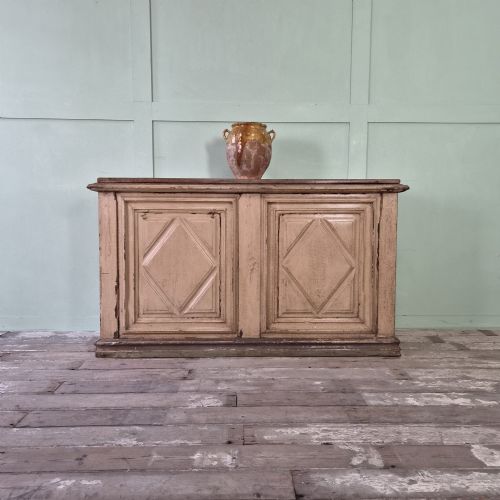

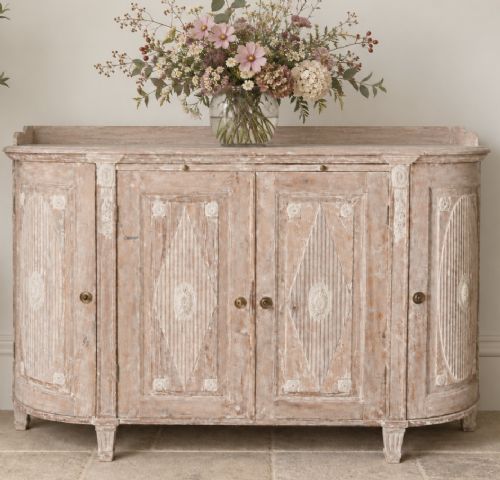
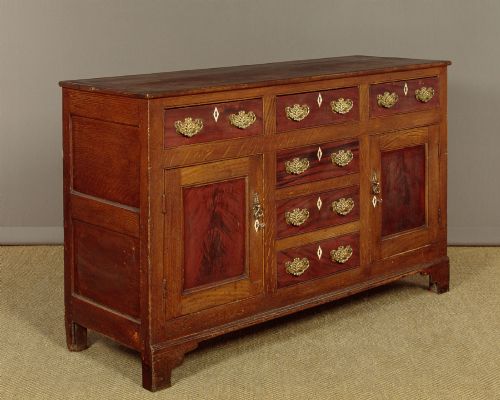
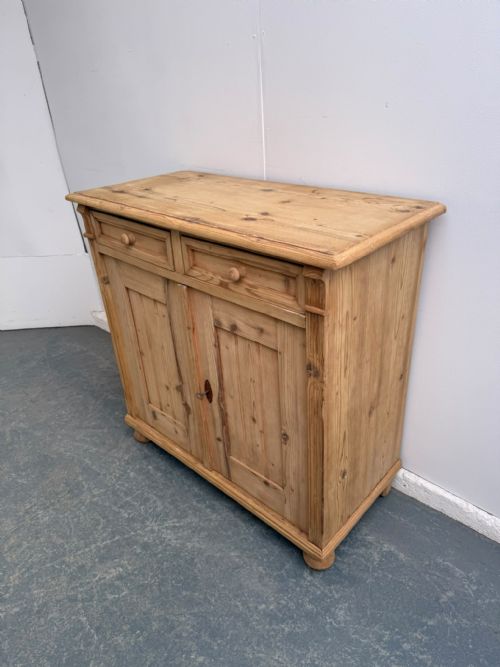


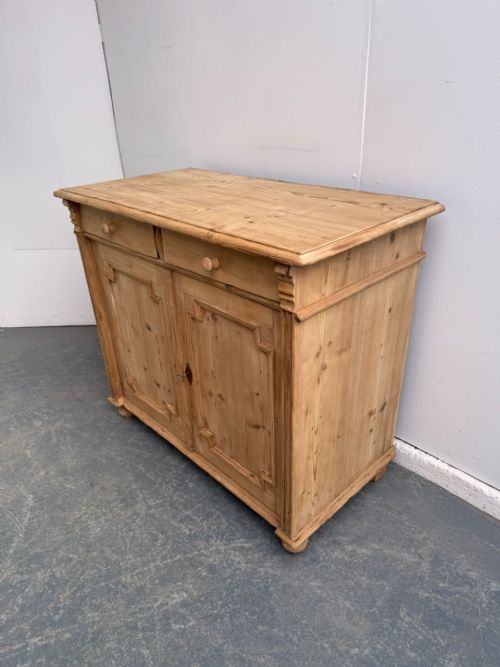
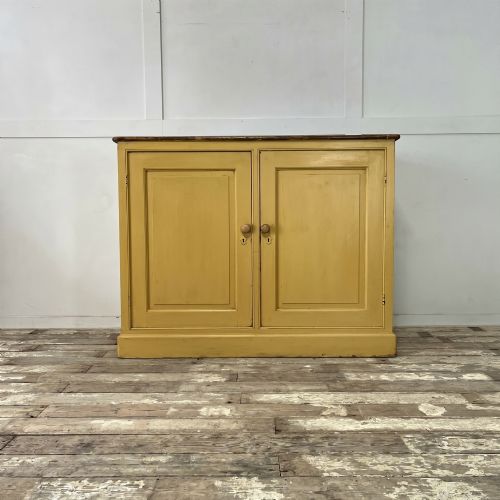


Painted Pine Credenza
A painted pine credenza brings practical storage and honest country character to a room through sturdy timbers and layered decorative finishes.
Painted Pine Credenza
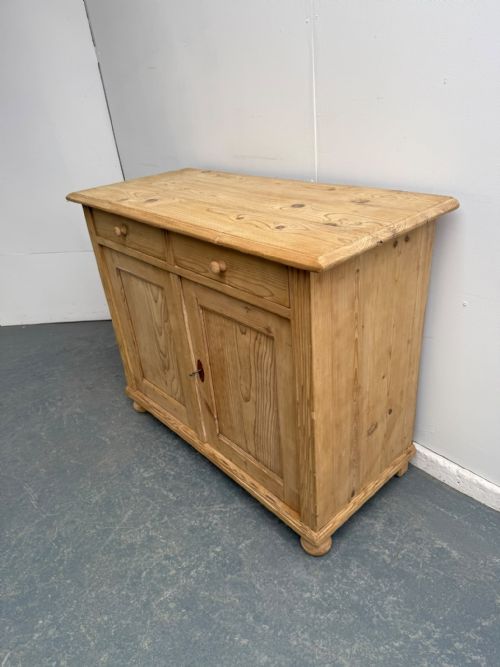
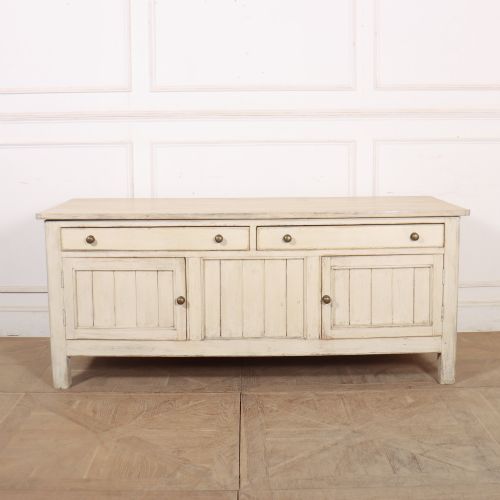
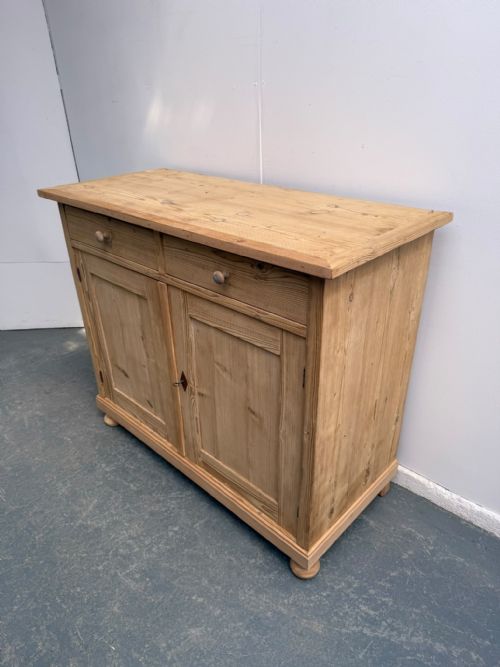
A painted pine credenza encompasses sturdy storage furniture designed for domestic use, drawing heavily from English and Scandinavian country traditions. When exploring this phrase, buyers encounter substantial dresser bases, kitchen cupboards, and sideboards built from utilitarian timber.
The pieces on this page originate predominantly from the nineteenth and eighteenth centuries, reflecting the robust joinery of Georgian and Victorian rural workshops. Domestic utilitarian forms dominate the selection, often taking the shape of low wide storage cupboards or potboard dresser bases.
Regional variations emerge across English, Scottish, Hungarian, and Swedish examples, showing distinct local preferences in proportions and door arrangements. Many items present functional configurations featuring combinations of drawers and cupboards suited to everyday storage.
Materials and construction
Makers constructed these sturdy carcasses using solid pine timber, selected for its local availability and reliable workability in rural workshops. Carpenters joined structural elements with straightforward joinery techniques, attaching panelled doors with iron or brass hardware.
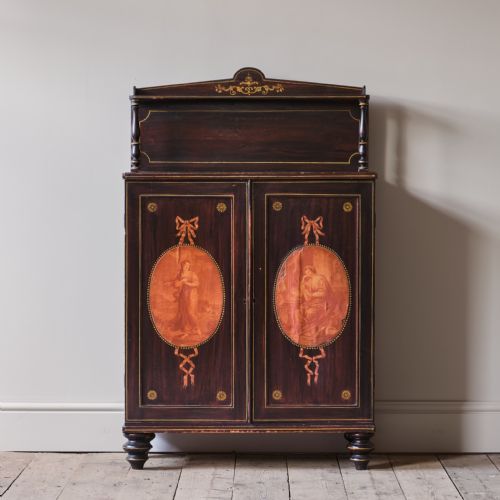
Surfaces received protective and decorative coats of paint, ranging from early scraped finishes to simulated graining like rosewood. Some examples preserve layers of original paint applied decades ago, while others await adaptation through fresh painting or waxing.
Painted Pine Credenza Retail Price Guide 2026
Typical asking prices for painted pine credenza among the pieces listed under this phrase on Sellingantiques today, from the lower quarter to the upper quarter. They describe what is for sale here now, not the wider market.
Several cupboards retain nineteenth-century bread slides, offering a charming glimpse into the daily baking habits of historic rural kitchens.
Distinguishing quality
Quality rests upon the preservation of original surface paint and the integrity of the underlying pine structure. Pieces retaining genuine historic paint layers without modern intervention command greater interest among purists.
Proportion and scale distinguish finer vernacular examples from standard utility pieces, alongside the presence of period hardware such as brass pulls or iron hinges. Structural soundness in the drawers and cupboard doors ensures lasting daily utility.
The Painted Pine Credenza Glossary
- Potboard dresser base
- A low kitchen sideboard featuring an open lower shelf used traditionally for storing pots and heavy earthenware. This shelf sits raised off the floor on short feet or stiles.
- Bread slide
- A pull-out wooden tray integrated into the cabinetry of a dresser base, utilised historically for cooling freshly baked loaves. It slides smoothly within channels beneath the main work surface.
- Simulated paint
- A decorative surface treatment where a painter applies pigments to pine to imitate costly exotic hardwoods like rosewood or mahogany. This technique offered an economical alternative for formal domestic interiors.
- Scraped paint
- A conservation term describing a painted surface where later decorative layers are carefully removed to reveal earlier historic colours underneath. This process exposes the original pigment history of the timber.
- Dresser base
- The lower half of a kitchen dresser, functioning independently as a sideboard or low cabinet with drawers and cupboards. These heavy bases served as primary workspace and storage in country kitchens.
Painted Pine Credenza: Frequently Asked Questions
How are these pieces used today?
These versatile items function brilliantly as sideboards in dining rooms, media consoles in living spaces, or storage cabinets in hallways. Their generous cupboards and drawers accommodate modern tableware, linens, and household items with ease.
The sturdy flat tops provide ample surface area for lamps, books, or decorative displays, bringing both utility and rustic warmth to contemporary interiors.
What periods do these items come from?
The selection spans primarily the eighteenth and nineteenth centuries, encompassing Georgian, Regency, and Victorian eras of rural craftsmanship. Pieces from the eighteen-seventies and eighteen-nineties appear frequently alongside earlier eighteenth-century examples.
Scandinavian and English country workshops produced the majority of these sturdy pine items, reflecting regional vernacular styles of their respective decades.
How do I identify original paint?
Original paint shows natural wear patterns, craquelure, and subtle variations in tone that accumulate naturally over long periods of domestic use. Examining edges and protected corners reveals the underlying layers and pigment consistency characteristic of historic application.
Professional evaluation often involves looking for signs of historic preparation beneath the top coat, distinguishing authentic aged surfaces from modern decorative treatments.
How do I care for painted pine furniture?
Maintain painted surfaces by dusting regularly with a soft, dry cloth and avoiding harsh chemical cleaning products that might strip historic finishes. Keep the timber away from direct heat sources and extreme humidity fluctuations to prevent wood movement.
Wax can be applied sparingly to unpainted sections or waxed pine areas to nourish the wood, while painted sections simply require gentle cleaning to preserve their integrity.