
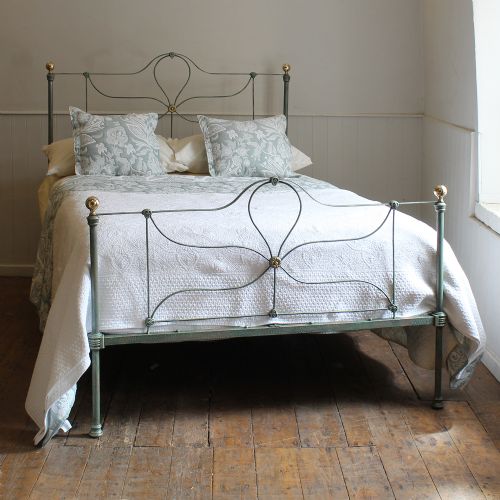
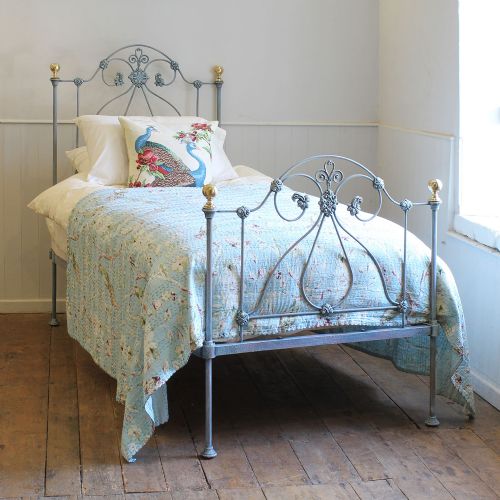
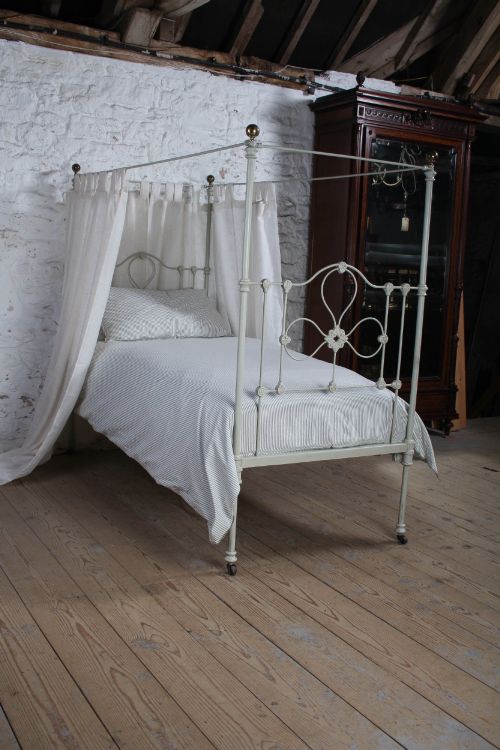
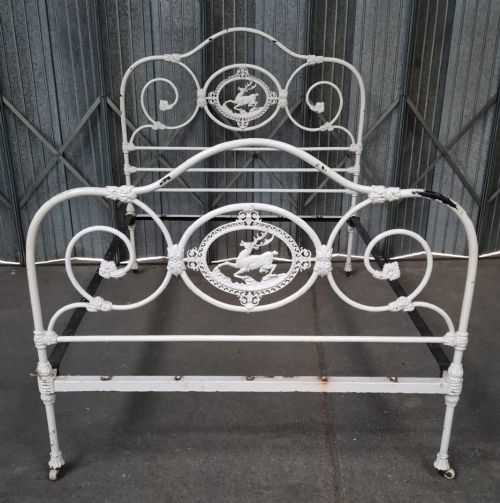
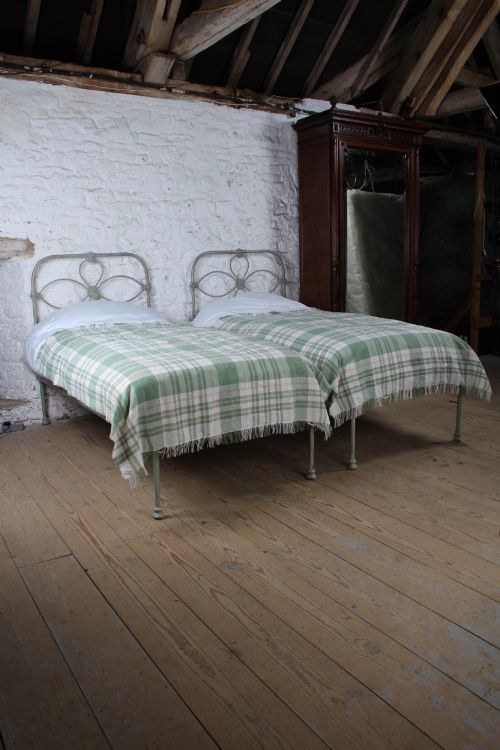
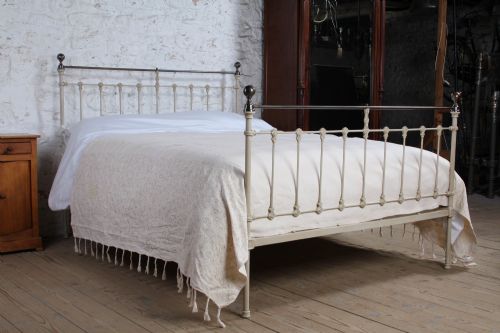


Painted Metal Bed Frame
A painted metal bed frame brings robust structure and enduring character to a bedroom, drawing on Victorian and early twentieth-century designs.
Painted Metal Bed Frame
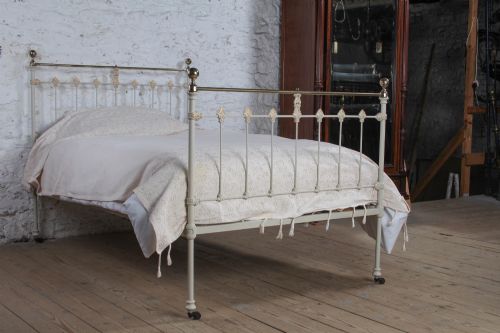
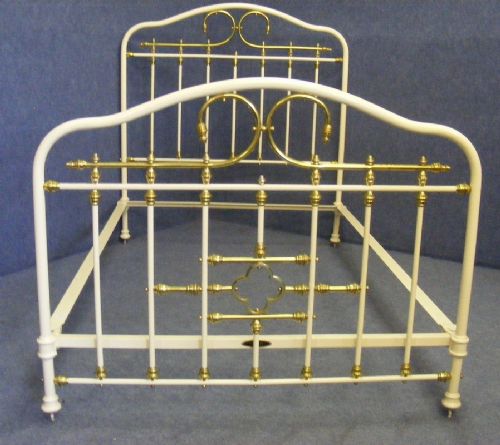
A painted metal bed frame offers a sturdy sleeping platform developed across the nineteenth and early twentieth centuries. Pieces span eras from the 1850s through to Edwardian production, encompassing Victorian and 19th Century aesthetics alongside regional variations.
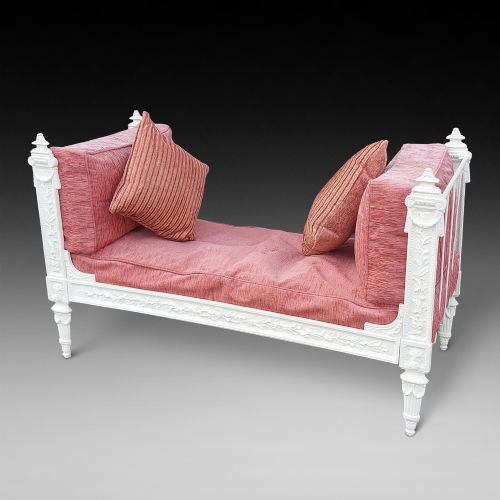
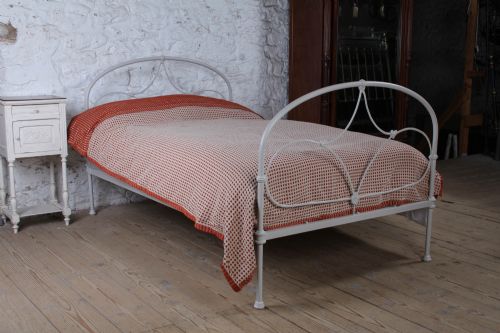
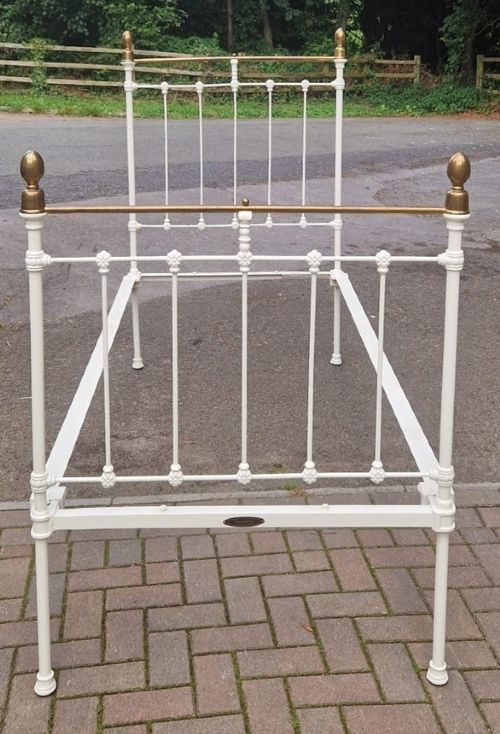
Buyers will most frequently encounter double and king size formats, though single beds, daybeds, and small double sizes also appear. Many examples combine painted finishes with brass details or straight rails.
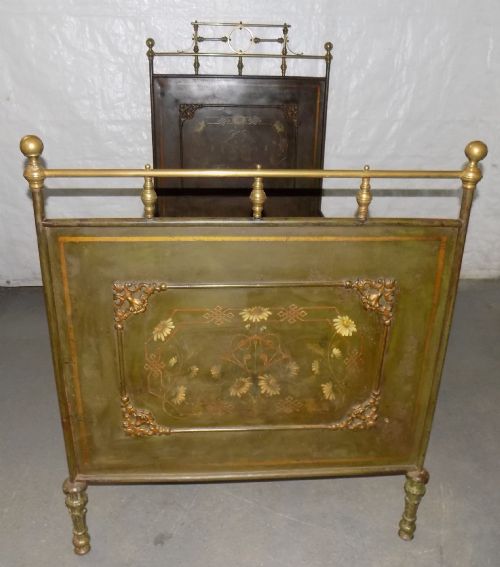
Origins stretch across British, Irish, French, Italian, Austrian, and Portuguese workshops. Styles range from simple platforms to ornate Celtic Revival and curvaceous toleware designs.
Materials and construction
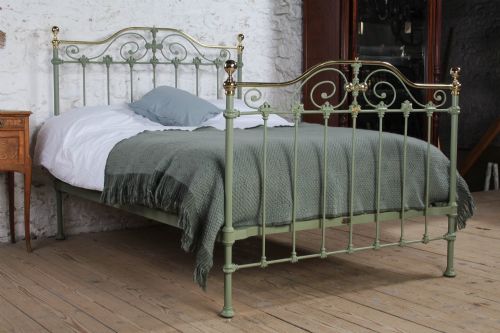
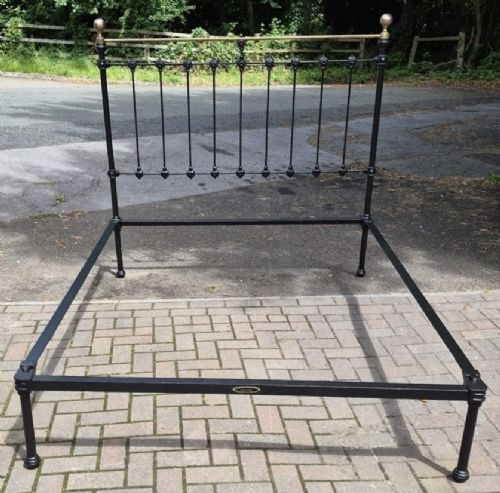
Construction relies heavily on cast iron, wrought iron, and forged iron, occasionally paired with sheet metal and brass components. Frames are finished with paint, often in cream, ivory, green, white, or black.
Metalworking techniques of the period involved casting structural elements and forging decorative details, secured with robust joints. Surfaces received protective and decorative coats of paint, frequently surviving in original condition alongside polished brass accents.
Materials span cast iron, wrought iron, forged iron, brass, and painted metal.
Assessing quality
Quality rests on the crispness of the ironwork casting and the refinement of brass ornamentation. Finer examples display deliberate shaping, ribbon reeds, and detailed metal embellishments rather than plain mass-produced casting.
Proportion and scale distinguish superior frames, from standard single sizes up to super king dimensions. The integrity of the original joints and the preservation of early paint surfaces elevate a piece above standard utility items.
R W Winfield·Heals
The Painted Metal Bed Frame Glossary
- Cast iron
- A strong, hard alloy poured into moulds to create solid structural and decorative components. It forms the heavy framework of many period beds.
- Toleware
- Lacquered or enamelled metalware, often associated with painted decorative finishes on nineteenth-century continental European pieces.
- Half tester
- A bedstead featuring a canopy that extends only partway over the head of the bed, supported by the main frame.
- Platform bed
- A solid base style designed to support a mattress directly without traditional side rails or sagging wire springs.
- Ribbon reed
- A delicate decorative moulding resembling a ribbon tied around a rod, found on finer iron and brass frames.
Painted Metal Bed Frame: Frequently Asked Questions
What sizes are available?
Sizes range from single and small double beds up to double, king, and super king dimensions. Extra wide formats and platform configurations also appear.
Buyers can find specific proportions like three quarter queen sizes or matching pairs designed to join together.
How do I identify the period?
Dating relies on stylistic clues such as straight rails, brass decorative elements, and specific casting techniques. Victorian and Edwardian pieces often show distinct foundry marks or construction methods.
Continental examples from Austria, Italy, and Portugal display regional decorative traits particular to the nineteenth century.
Are these beds sturdy?
Period metal frames utilise heavy cast and forged iron designed for enduring structural strength. Their robust construction supports modern mattress weights reliably.
Original joints and side rails provide stable foundations, though buyers should verify configuration details such as whether ends are straight or open.
Can I use a modern mattress?
Many frames accommodate standard modern mattress sizes, though exact historical dimensions can vary slightly from contemporary standards. Platform styles and standard bedsteads offer flat support.
Checking the internal width and length ensures proper fitting for standard UK or European mattress proportions.