


Painted Leaded Glass Window
When you search for a painted leaded glass window, you enter a world of architectural glasswork that combines hand painting with traditional cames.
Painted Leaded Glass Window
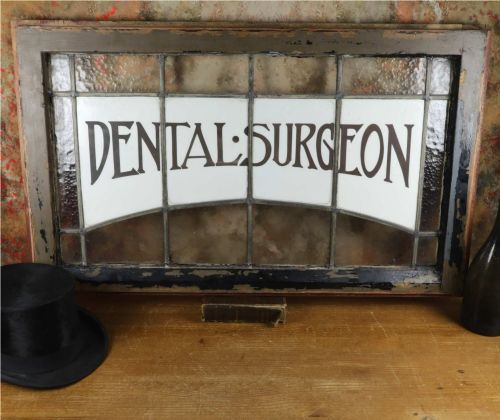
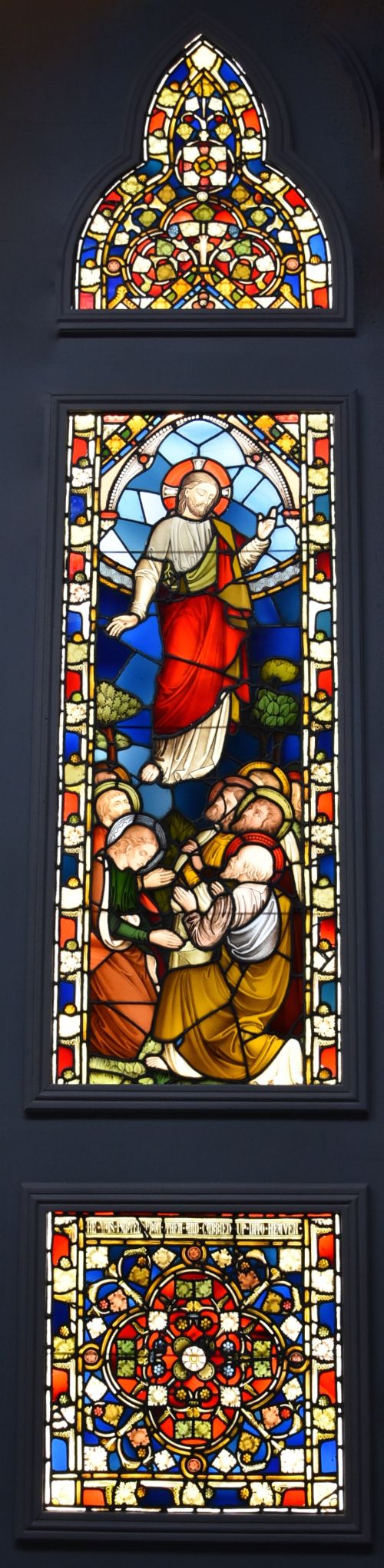
A painted leaded glass window is an architectural panel constructed from individual pieces of coloured and clear glass held together by lead cames, featuring details applied with paint. The selection here spans the Victorian era through the Edwardian period, 1900, 1910, and 1920, alongside Gothic Revival designs and mid-nineteenth-century examples.
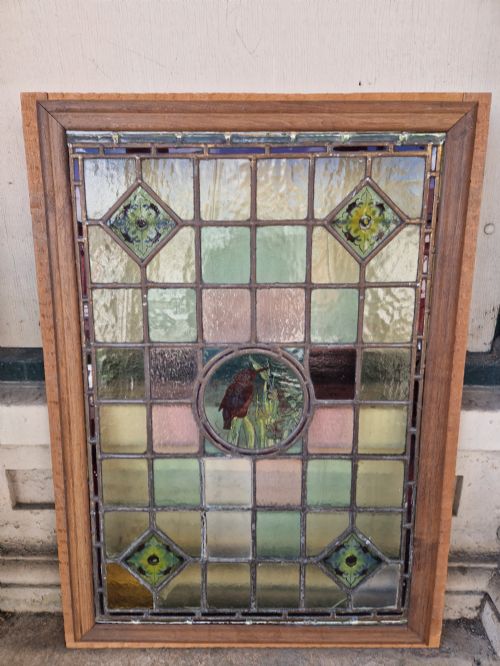
Most items appear as stained glass panels, window panels, and architectural salvage recovered from domestic and ecclesiastical buildings. Common pictorial subjects range from countryside and winter scenes to birds on branches, floral swags, and religious iconography.
How they were made
Maker's workshops built these windows by cutting sheets of glass to fit intricate geometric or pictorial templates before applying enamel paints to the surface. These painted details were then kiln-fired to fuse the pigment permanently into the glass.
Individual glass pieces were assembled within lead cames, soldered at the joints, and cemented for structural stability, often housed within timber frames made of pine.
Keep an eye out for historical figures like Henry VIII and Walter Raleigh peering through the glass.
What varies in quality
Quality in a painted leaded glass window rests on the intricacy of the hand painting and the complexity of the glass selection, such as the inclusion of bullseyes and amber glass accents. Finely detailed brushwork depicting figures, animals, or natural scenes elevates a panel beyond simple geometric leading.
The structural integrity of the lead network and the preservation of the painted surface dictate the overall standard, alongside the survival of original timber surrounds.
The Painted Leaded Glass Window Glossary
- Came
- A grooved strip of lead used to hold pieces of glass together in a window. These flexible strips form the structural grid of the panel.
- Bullseye
- A round piece of glass with a prominent centre formed by the glassblowing process. They frequently appear as textural accents within borders.
- Stained glass
- Glass that has been coloured during its manufacture by the addition of metallic oxides. The term also encompasses glass panels painted and fired after initial production.
- Architectural salvage
- Building materials recovered from structures slated for demolition or renovation. Many period windows enter circulation through this preservation process.
Painted Leaded Glass Window: Frequently Asked Questions
How were painted leaded glass windows used?
These windows served primarily as functional architectural elements in churches, public buildings, and domestic residences, providing privacy while allowing natural light to filter through coloured glass.
Many examples functioned as interior transoms, shop windows, or dedicated feature panels designed to highlight specific pictorial themes.
How do I hang a window panel?
Panel hanging requires secure perimeter support rather than relying on the lead cames alone, as lead is a soft metal that stretches under sustained weight. Sturdy timber frames or specialised metal brackets attached to the surrounding window reveal provide the necessary structural backing.
Professional installation ensures the panel remains flat and distributes weight evenly across the entire frame.
How do I identify Victorian panels?
Victorian examples often display Gothic Revival influences, deep religious themes, or crisp heraldic and figurative subjects such as ships and historical portraits. The use of heavy lead cames and rich, saturated glass colours typically points toward the nineteenth century.
Arch top configurations and large church salvage pieces also characterise this period of production.
How do I clean leaded glass?
Maintenance requires gentle cleaning with a soft cloth and mild, non-abrasive solution to protect both the fragile painted enamel surfaces and the surrounding lead cames. Harsh chemical cleaners can degrade the aged lead and erode the fired paint details over time.
Regular dusting and careful wiping preserve the clarity of the glass without disturbing the historical fabric of the panel.