


Leaded Stained Glass Window
These leaded stained glass window pieces bring natural light and historic colour into an interior through architectural glass and lead.
Leaded Stained Glass Window
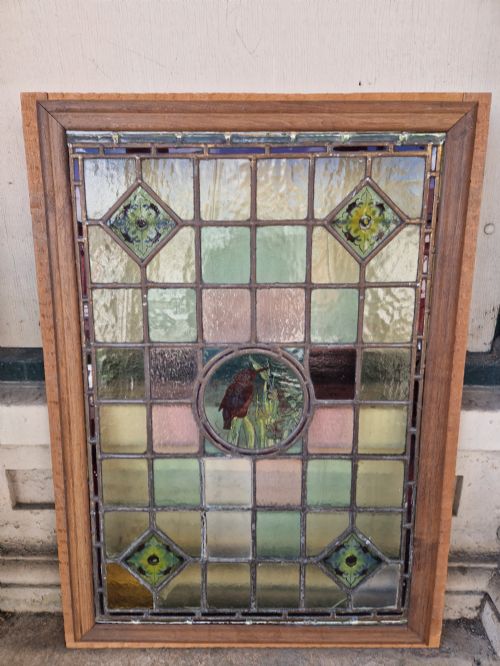
A leaded stained glass window comprises architectural glass held together by lead cames, forming panels and windows that originate from periods ranging from the mid-nineteenth century through the Edwardian era and into the early twentieth century. Buyers encounter architectural salvage, church windows, and domestic panels featuring pictorial scenes, floral designs, birds, and clear bullseyes.
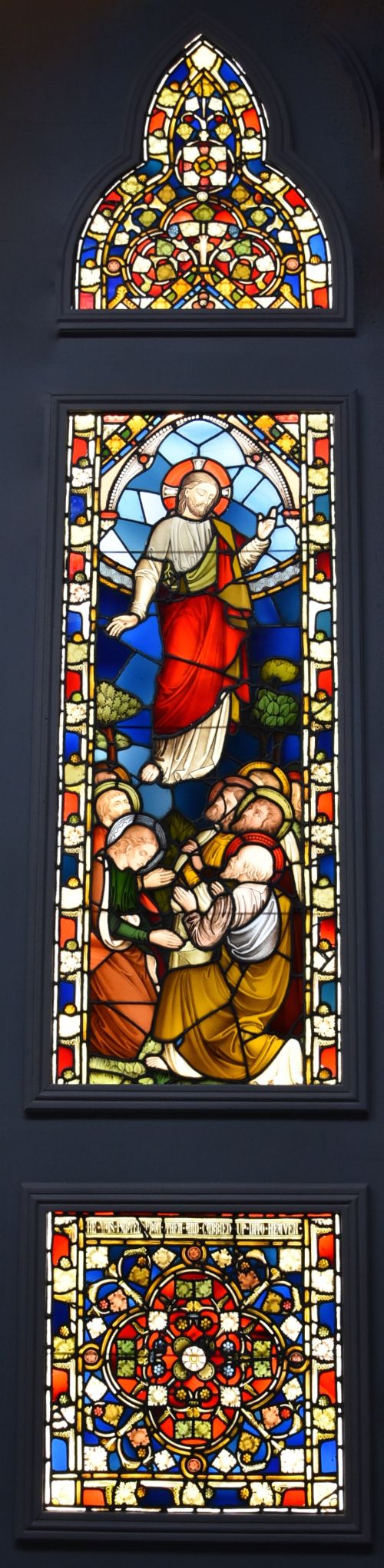
The domestic panels and windows often reflect Edwardian, Arts and Crafts, and Victorian styles, sometimes mounted in timber or pine frames. Larger ecclesiastical examples present arch-top church formats with diamond or square panes, alongside decorative triptychs and heraldic shields.
Pictorial designs form a significant portion of the selection, showing hand-painted countryside scenes, castles, winter landscapes, and literary or historical motifs such as Shakespeare and Victorian knights. Alongside these, trade signs and specific figural works like Dutch children or birds on branches appear frequently.
How they were made
Construction relies upon individual pieces of glass joined by flexible lead cames, which are soldered at the junctions to create a rigid architectural panel. Many examples incorporate hand-painted details fired onto the glass surface to render figurative elements, scenery, and heraldry.
Support and framing commonly involve timber, pine wood, and architectural salvage surrounds that house the leaded glass panels. The inclusion of blown glass elements such as bullseyes adds texture and varied light refraction within the lead framework.
Leaded Stained Glass Window Retail Price Guide 2026
Typical asking prices for leaded stained glass window among the pieces listed under this phrase on Sellingantiques today, from the lower quarter to the upper quarter. They describe what is for sale here now, not the wider market.
Several panels star unexpected characters, including a Victorian knight in armour, a Dutch boy and girl, and various birds perched on branches.
What varies in quality
Quality rests upon the intricacy of the hand-painted artistry and the complexity of the glass selection, where detailed pictorial scenes of countryside views or historical figures require superior draughtsmanship. The presence of specialised glass types, such as amber bullseyes or cut and painted sections, elevates the artistic ambition of a panel.
The integrity of the lead network and the preservation of the painted surface dictate the visual impact of the architectural salvage. Panels that retain their original timber frames and structural stability without losing the crispness of their fired enamel work represent the higher tier of these pieces.
The Leaded Stained Glass Window Glossary
- Lead came
- The H-shaped lead strip used to hold individual pieces of glass together in a window. These pliable strips are soldered at the joints to form the structural grid.
- Bullseye
- A roundel of glass formed at the centre of a spun glass disc, often incorporated into windows to add texture and clear or amber highlights. They appear frequently in nineteenth-century and Edwardian panels.
- Architectural salvage
- Building elements rescued from older structures before demolition, including windows, panels, and timber frames. These pieces retain their original historic context.
- Triptych
- A picture or panel divided into three sections, sometimes seen in large-scale decorative stained glass compositions. This format allows for expansive narrative or landscape designs.
- Arch top
- A window or panel featuring a curved upper edge, commonly found in ecclesiastical and Victorian church architecture. These contrast with standard rectangular panel formats.
Leaded Stained Glass Window: Frequently Asked Questions
How do I hang a leaded glass window?
These architectural panels require secure perimeter fixings or dedicated hanging chains attached to the structural frame rather than the lead cames alone. Weight distribution is vital to prevent sagging in larger leaded assemblies.
When mounting inside a room against a wall, backlighting with a uniform light box transforms the panel into a glowing interior feature. For window placements, traditional rebate installation ensures the historic timber or iron supports bear the load safely.
Were these always meant for domestic homes?
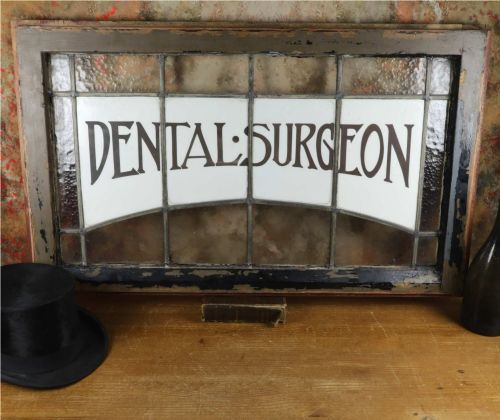
While many surviving panels originate from domestic Edwardian and Victorian properties, a substantial number derive from churches, trade shops, and dental surgeries. Architectural salvage preserves both ecclesiastical arch-top windows and commercial practice signs.
Domestic installations often utilised hall doors, transoms, and exterior windows for privacy and decoration. Commercial examples, such as tobacco shop or dental panels, served specific trade advertising functions.
How do I distinguish Victorian from Edwardian panels?
Victorian panels frequently lean towards Gothic Revival styles, heavy architectural salvage formats, and classical painted heraldry. The glass work often incorporates rich, dense colours and formal religious or domestic iconography.
Edwardian and Arts and Crafts examples generally embrace lighter aesthetics, featuring naturalistic bird motifs, floral swags, and clear or amber bullseyes. The framing timbers also shift lighter in proportion during the early twentieth century.
What maintenance do historic glass panels need?
Historic lead and glass structures benefit from minimal physical intervention and gentle cleaning with soft cloths and non-abrasive solutions. Avoid applying pressure to the painted glass surfaces or the flexible lead cames.
Periodic inspection of the timber frames and surrounding putty ensures the panel remains stable within its opening. Specialist conservators handle structural releading if the lead network loses its rigidity over time.