


Antique Church Window
These antique church window pieces bring architectural presence and rich coloured light to a room, offering genuine ecclesiastical character for modern interiors.
Antique Church Window
An antique church window brings historic architectural salvage into domestic spaces, ranging from substantial architectural frames to smaller decorative panels. When you search for antique church window, you encounter pieces designed to alter interior light and space through historic craft.
The selection on this page relies heavily on nineteenth-century examples, including Victorian arch top designs with square or diamond panes. Gothic revival styles dominate, alongside earlier medieval woodwork and framed stained glass.
How they were made
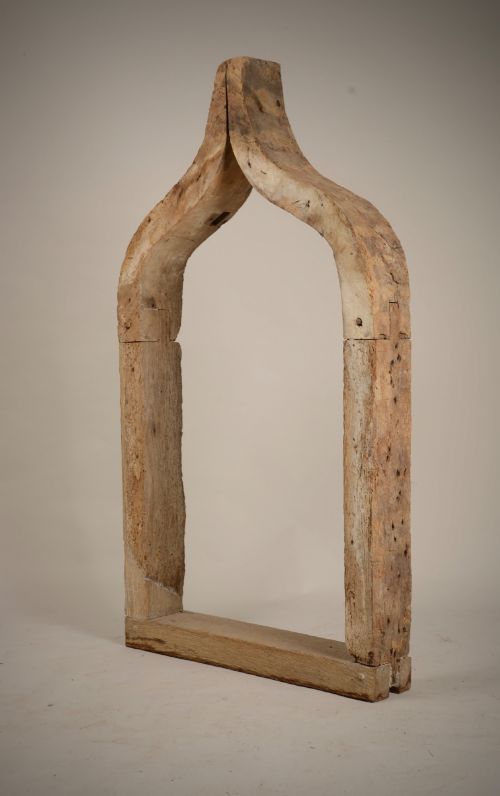
Makers constructed these structural frames and panels using traditional timbers such as oak, pine wood, and general timber. Carpenters carved ecclesiastical tracery and built arch top frames by hand to support heavy architectural glass.
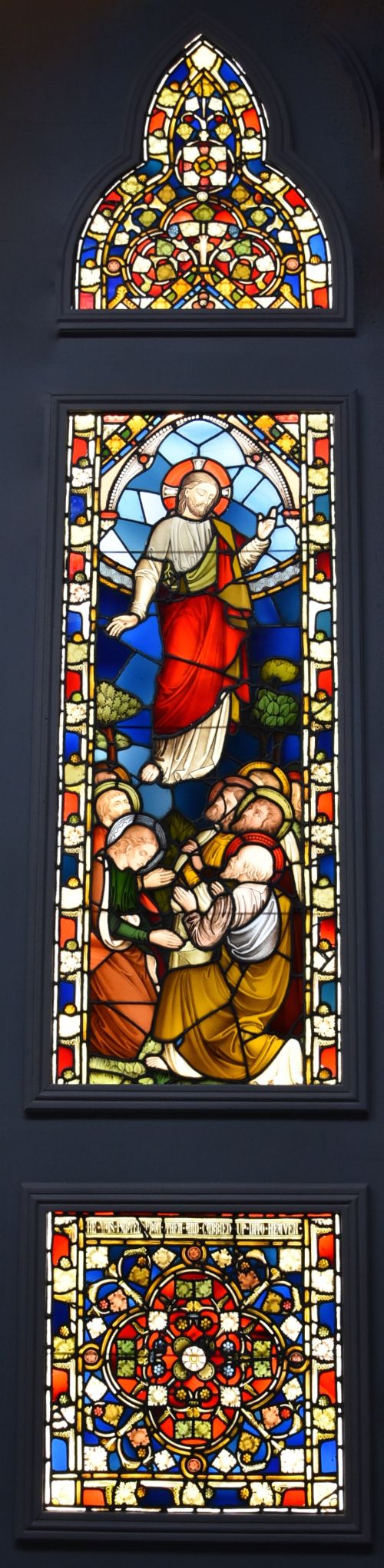
Glaziers assembled the windows using lead cames to hold pieces of glass together within the timber framework. Many panels feature hand painted scenes on glass, depicting countryside or religious subjects fired directly onto the material.
Listings feature periods spanning from pre-sixteenth century medieval work through to nineteenth-century Victorian and Edwardian pieces, utilising oak, pine, and leaded glass.
What varies in quality
The distinction between ordinary architectural salvage and a superior piece lies in the ambition of the original design and the complexity of the hand painted work. Elaborate stained glass triptychs and finely carved tracery represent the upper end of the range.
Materials also dictate the hierarchy, with seasoned oak frames and intricate leaded glass panels showing greater craftsmanship than simpler pine structures. The survival of original hand painted details determines the ultimate character of each piece.
Hardman and Co
The Antique Church Window Glossary
- Arch top
- A structural frame featuring a curved upper section, commonly found in nineteenth-century ecclesiastical architecture. This shape softens rigid wall lines when hung as a mirror or displayed as a panel.
- Tracery
- The stonework or timber framework supporting glass in a window, often taking decorative intersecting forms. In ecclesiastical woodwork, this carving defines the Gothic style of the piece.
- Leaded glass
- Individual pieces of glass held together by strips of lead known as cames. This technique allowed makers to create complex geometric patterns and pictorial scenes.
- Triptych
- A panel painting or window divided into three sections, often hinged or displayed together as a unified composition. These pieces typically carry narrative religious imagery.
- Gothic Revival
- An architectural and decorative style drawing on medieval medieval forms, prominent during the nineteenth century. It is identified by pointed arches, heavy timber, and religious motifs.
Antique Church Window: Frequently Asked Questions
How do I hang a heavy church window frame?
These timber and glass pieces require secure wall fixings distributed evenly across the primary wooden frame rather than relying on decorative trim. You must anchor the weight directly into wall studs or masonry to support the heavy timber and lead construction safely.
For mirrored or glass-backed versions, ensure the hanging wire or brackets match the substantial weight of the antique materials. Professional installation is often necessary for large arch top panels.
Can these windows be used outdoors?
Most of these pieces are suited for interior display, where fluctuating weather will not degrade historic timber or original paintwork. Placing them outside exposes vulnerable lead cames and hand painted glass to moisture and frost damage.
If you choose to place a timber frame outside, regular protective treatment is essential to preserve the wood. Interior placement remains the safest way to maintain the structural integrity of antique glass and frames.
How do I tell Victorian windows from earlier pieces?
Victorian pieces often feature standardised arch top designs and machine-cut timber alongside traditional joinery. These nineteenth-century examples frequently use square or diamond panes or revival Gothic motifs.
Pre-sixteenth century medieval windows show heavier adze marks on the timber and simpler, earthier structural forms. The tooling on the wood and the chemistry of the glass provide clear clues to the manufacturing era.
How do I clean antique stained glass?
You should clean the glass surfaces gently using a soft, dry cloth or a slightly damp sponge without harsh chemical cleaners. Strong detergents can strip hand painted details or degrade aged lead cames.
Avoid applying liquid directly onto painted scenes or vulnerable timber frames. Regular dusting prevents particle buildup without risking damage to delicate historic surfaces.