






Painted Imari Platter
These painted imari platter examples bring vibrant cobalt and iron-red palettes into a room, offering striking ceramic decoration.
Painted Imari Platter
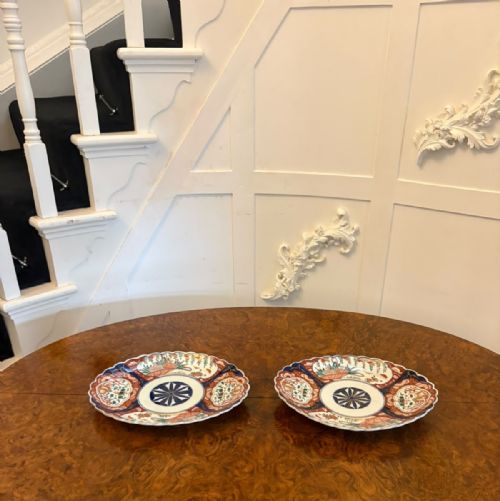
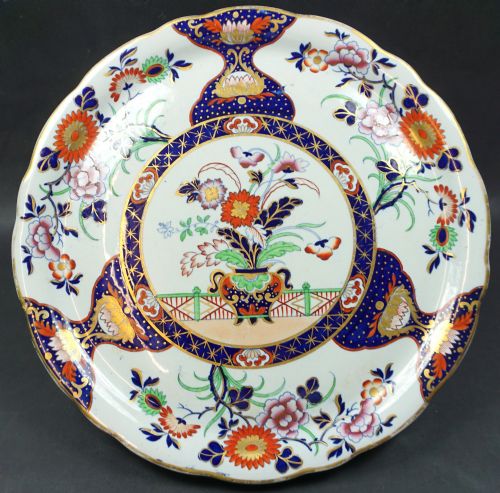
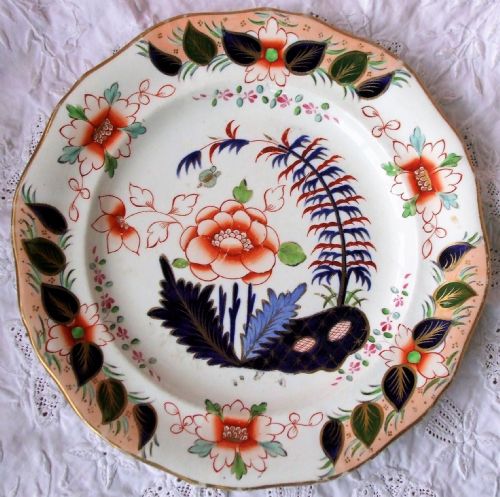
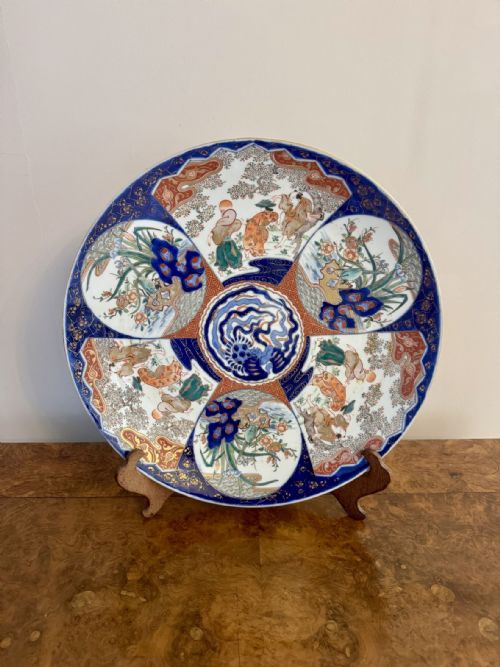
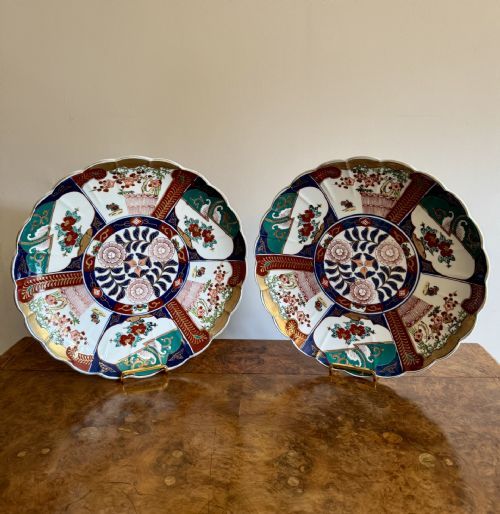
A painted imari platter search reveals robust porcelain and ceramic wares primarily originating from Japan, alongside select English interpretations. These pieces take various forms including large chargers, broad plates, and shaped dishes.
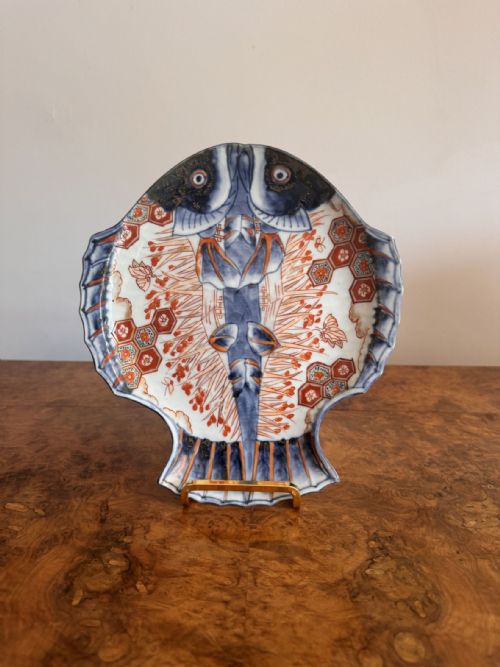
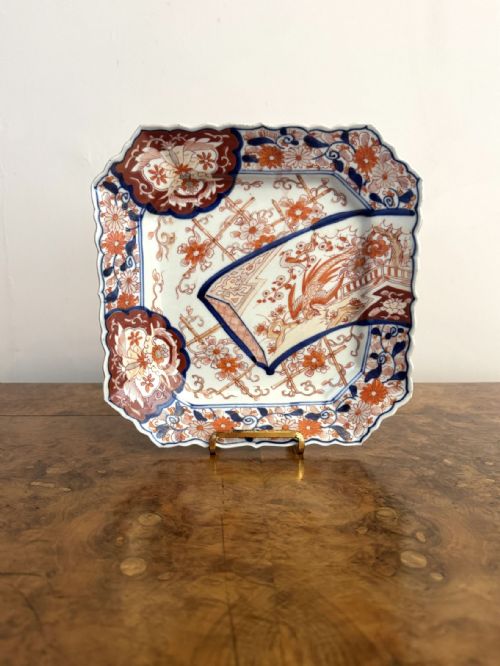
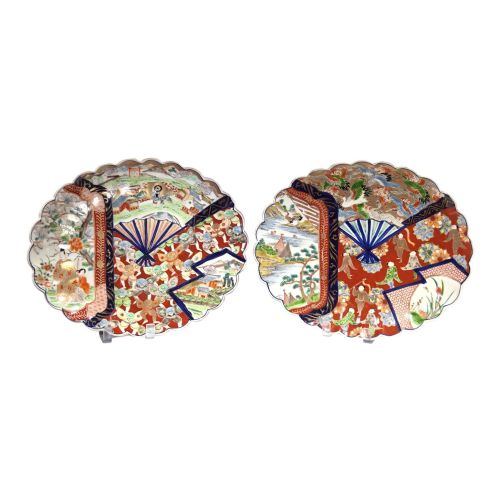
The selection leans heavily toward pieces from the nineteenth century and the Meiji period. Buyers encounter round chargers, square plates, scalloped edges, and unusual configurations like fish and fan shapes.
Origin points stretch from Japanese Arita kilns to English potteries adopting the distinct palette. The common thread is the rich decorative surface applied to sturdy ceramic bases.
Materials and construction methods
Potters shaped hard-paste porcelain and ironstone, applying cobalt underglaze before high-temperature firing. This created the deep blue foundation characteristic of the style.
Painters added iron-red enamel and gold leaf highlights over the glaze in secondary firings. Gilding and meticulous brushwork defined the intricate floral, bird, and figural scenes.
Some artisans pushed beyond traditional circles, shaping sturdy porcelain into the form of swimming fish and folding fans.
Distinctions in quality and execution
Execution of the hand-painted motifs separates standard production from superior examples. The crispness of the cobalt underglaze and the precision of the enamel work dictate visual impact.
The ambition of the form also shapes the tier of the piece, moving from standard round plates to complex square, octagonal, or sculptural fish shapes.
Hicks and Meigh·John Davenport of Longport
The Painted Imari Platter Glossary
- Imari
- A style of Japanese export porcelain characterised by a palette of cobalt blue, iron-red, and gold. The name derives from the port of shipment in Japan.
- Charger
- A large decorative plate intended for display rather than table service. These substantial vessels provide a wide canvas for complex painted compositions.
- Meiji Period
- The era in Japanese history spanning from 1868 to 1912. Pieces from this time often exhibit detailed hand-painted floral, bird, and figural motifs.
- Cobalt Underglaze
- A blue pigment applied to the raw ceramic body before glazing and firing. This technique ensures the colour remains permanent and protected beneath the glassy surface.
- Ironstone
- A type of heavy earthenware patented in England as a durable alternative to porcelain. English potteries used this material to produce wares decorated in the Imari palette.
Painted Imari Platter: Frequently Asked Questions
How do I display a painted imari platter?
These large plates and chargers suit wall mounting using appropriate wire hangers or placement on sturdy plate stands. Their vibrant palettes demand strong placement where light can catch the gilding.
Ensure the display method supports the substantial weight of porcelain or ironstone bodies safely.
Are painted imari platter pieces dishwasher safe?
Historical ceramics require gentle hand washing in lukewarm water with mild soap. Modern dishwashers risk damaging the delicate overglaze enamels and gold leaf.
Harsh detergents and abrasive scrubbers will strip the hand-painted details from the ceramic surface over time.
What is the difference between Japanese and English versions?
Japanese examples utilise native porcelain bodies with traditional Arita kiln origins and Meiji period aesthetics. English interpretations often employ heavy ironstone created by domestic potteries.
Both adopt the distinctive cobalt and iron-red palette, but the underlying ceramic material and potting style reveal the true provenance.
How can I date a painted imari platter?
Dating relies on examining the ceramic body, glaze characteristics, and potting style. Nineteenth-century pieces often display specific underglaze tones and hand-painted brushwork traits.
Maker marks on English ironstone or stylistic markers from the Meiji period help narrow the manufacturing window.