


Gilt Porcelain Charger Plate
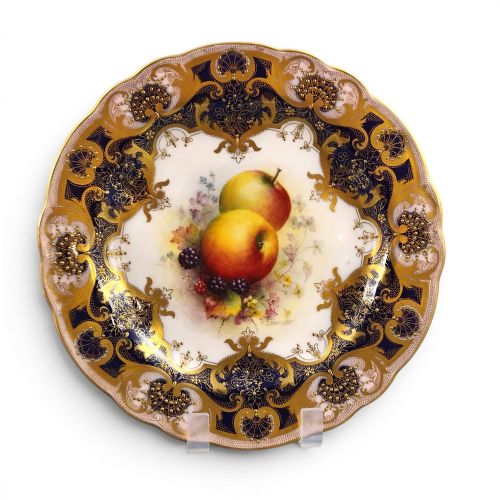
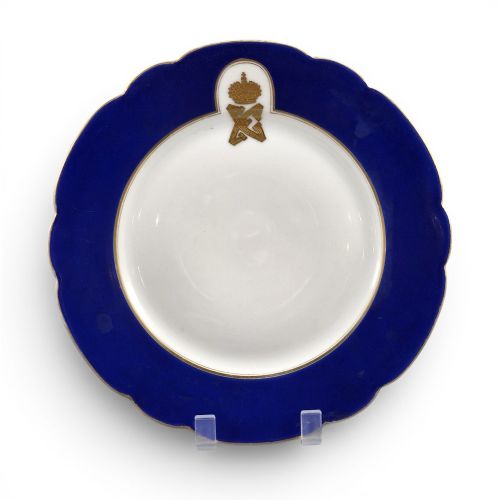
A gilt porcelain charger plate brings hand-painted richness and metallic brilliance to a room, serving as both display art and a historical object.
Gilt Porcelain Charger Plate
A gilt porcelain charger plate is a large decorative or display dish finished with metallic gilding. When you search for this phrase, you encounter large platters intended for formal presentation rather than everyday dining.
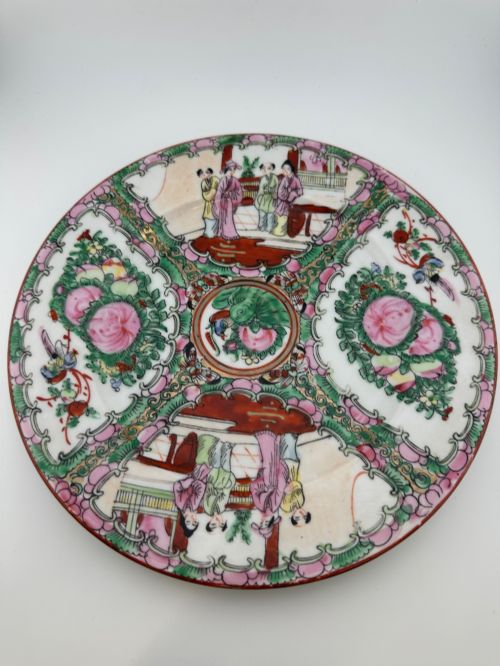
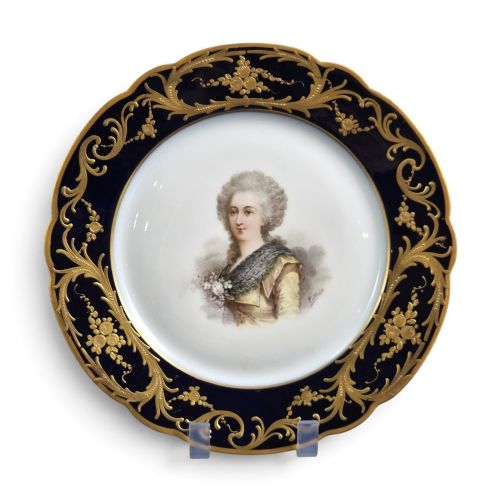
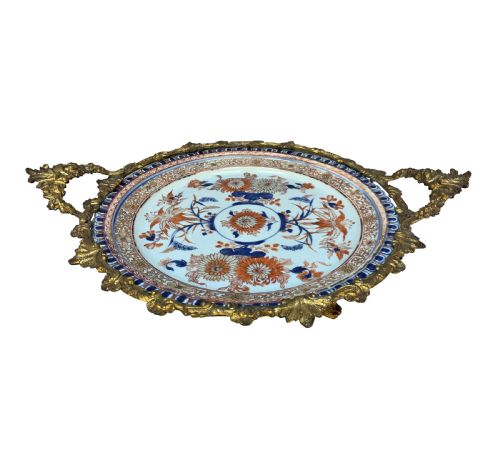
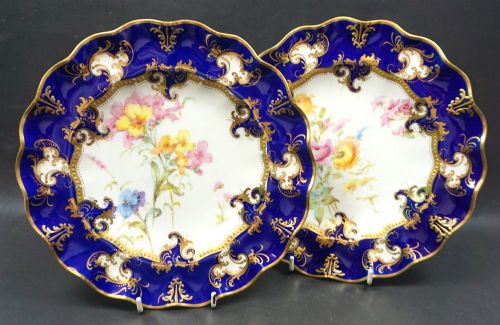
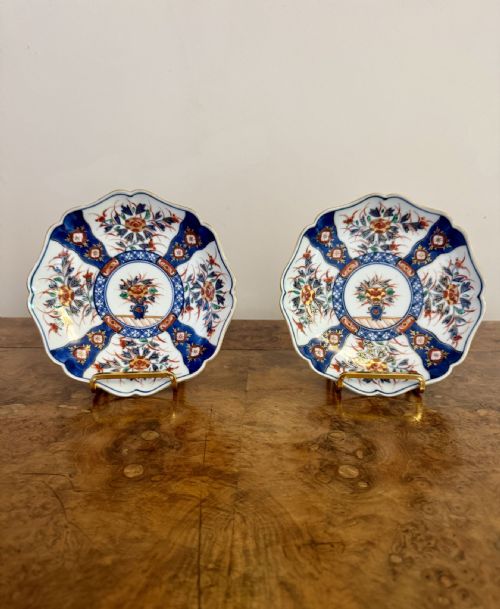
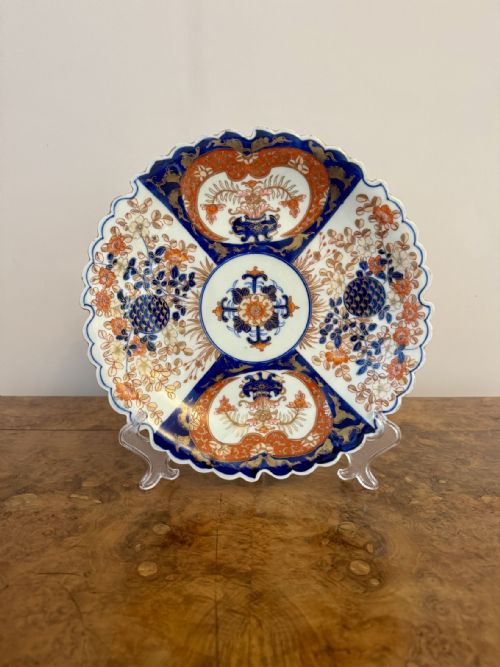
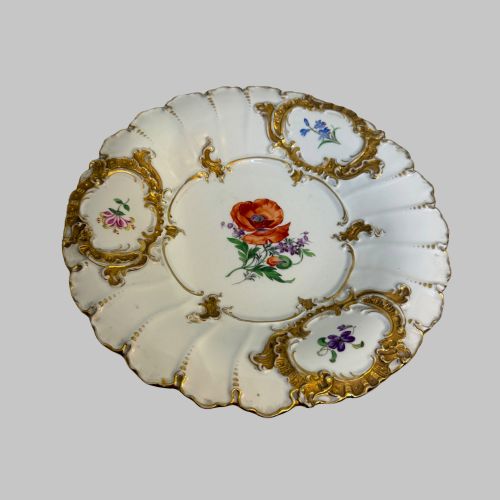
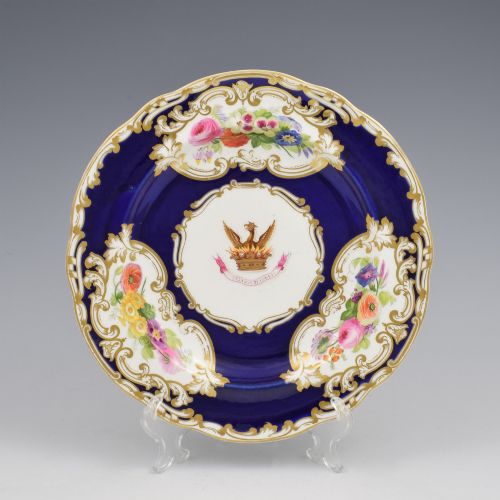
The selections available span several traditions, including Japanese Imari, Chinese export wares, and European factories such as Vienna and Meissen. Nineteenth-century examples dominate the offerings, often featuring elaborate hand-painted scenes or rich cobalt grounds.
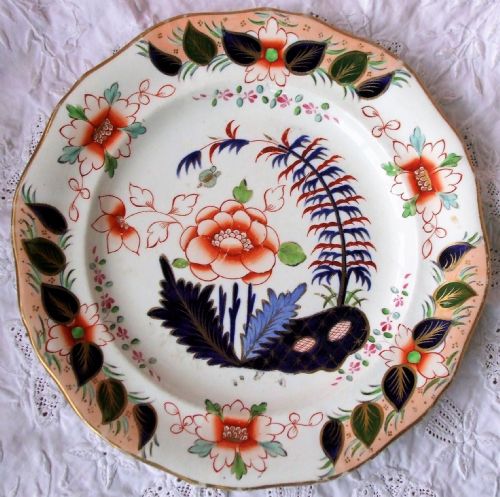
Forms range from broad shallow dishes to deep chargers and cabinet plates designed for wall hanging or stand display. Ironstone variants also appear alongside fine translucent porcelain.
Materials and production methods
The foundation of each piece is hard-paste or soft-paste porcelain, shaped and fired at high temperatures before receiving its glaze. Cobalt glaze and enamel colours are applied by hand in intricate patterns.
Gold leaf, liquid gold, or heavy gilding is added in final stages and often burnished to create contrast against the white ceramic body or colourful grounds. Ormolu mounts occasionally frame the edges of select items.
Potteries employed skilled painters to execute complex figural scenes, floral motifs, and armorial crests. Kiln marks and decorator signatures frequently appear on the underside.
Several plates depict classical deities lounging near forges, proving that even ancient gods needed a reliable workspace.
Assessing craftsmanship and execution
Quality rests in the precision of the hand-painting and the weight of the applied gold leaf. Finer pieces display detailed brushwork in figural panels and deeply saturated underglaze colours.
The crispness of the porcelain moulding and the stability of any applied metal mounts distinguish standard production from exceptional studio output. Well-preserved gilding without extensive rubbing indicates careful handling over generations.
Royal Crown Derby·Royal Worcester·Meissen·Copeland
The Gilt Porcelain Charger Plate Glossary
- Charger
- A large decorative plate traditionally used for ceremonial purposes or placed beneath smaller course dishes. These items measure substantially more than standard dinner plates.
- Gilding
- The application of gold leaf or gold dust suspended in a medium to ceramic surfaces. This technique adds reflective highlights to borders and motifs.
- Imari
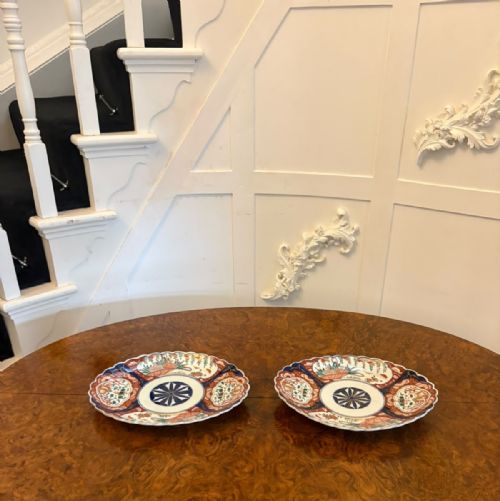
- A style of Japanese export porcelain characterised by underglaze blue, iron red, and abundant gold. European factories frequently copied these distinct palettes.
- Ironstone
- A heavy durable ceramic patented in the nineteenth century to imitate porcelain. It provides a sturdy body for large decorative chargers.
- Reticulated
- Pierced or openwork ceramic decoration formed by cutting patterns into the rim before firing. This technique requires significant skill to prevent warping in the kiln.
Gilt Porcelain Charger Plate: Frequently Asked Questions
How were charger plates used?
Historically, large chargers served as base plates beneath other dishes during formal banquets or acted as decorative centrepieces on sideboards. They remained primarily ornamental in domestic settings.
Over time, wealthy households displayed them on walls or cabinets to showcase artistic patronage and fine ceramic manufacturing.
Can these plates be hung on walls?
Many large charger plates feature pierced feet or were manufactured alongside specific display hardware for wall mounting. Safe exhibition requires coated wire hangers that distribute weight evenly across the rim.
Standard picture wire should be avoided in favour of dedicated plate hangers designed to prevent slipping.
What is Japanese Imari porcelain?
Japanese Imari porcelain originates from the Arita region and is defined by a distinct palette of cobalt blue, iron red, and gold. Designs typically incorporate floral panels and brocade patterns.
Exported in large quantities to Europe, this style heavily influenced Western ceramic design during the Victorian era.