



Painted Floral Wall Mirror
A painted floral wall mirror brings botanical charm and light to a room through hand-painted blossoms, carved wood, and antique glass.
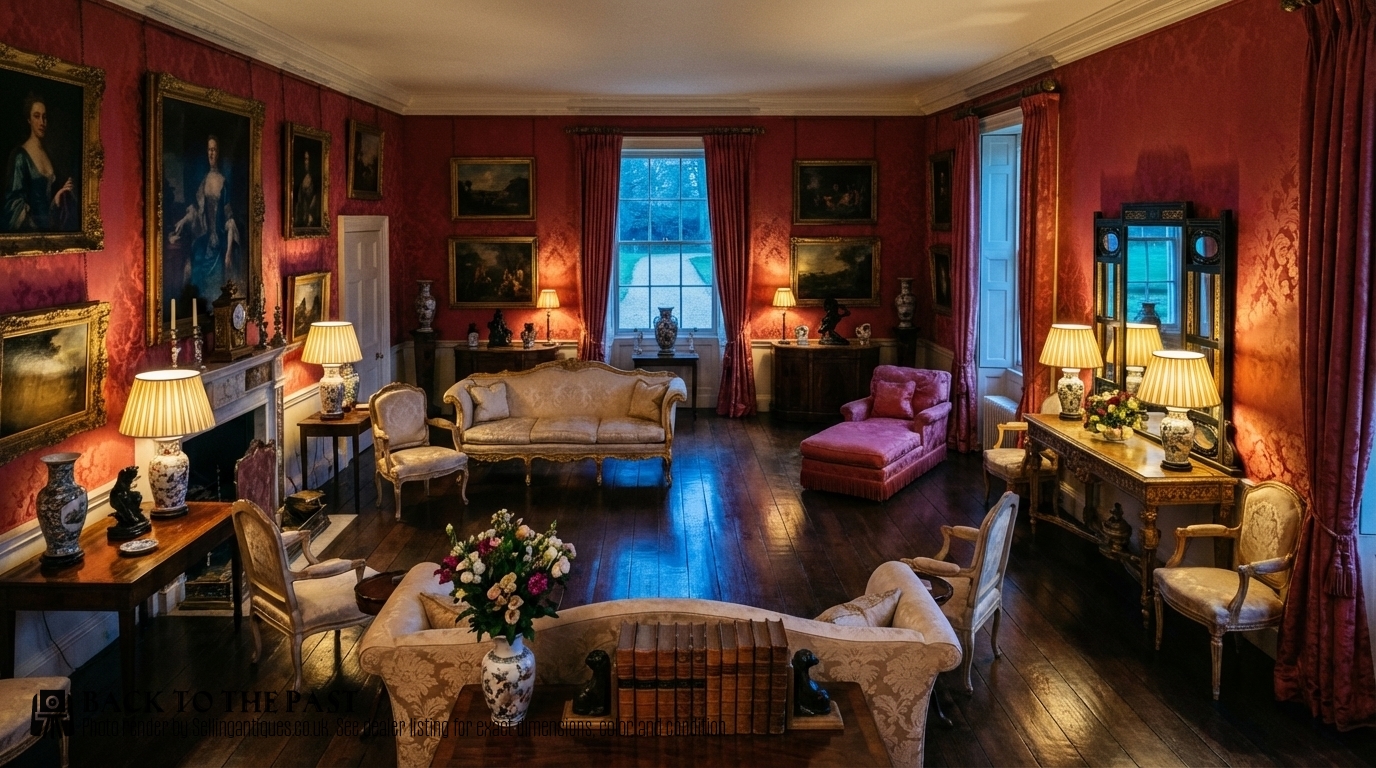
Painted Floral Wall Mirror
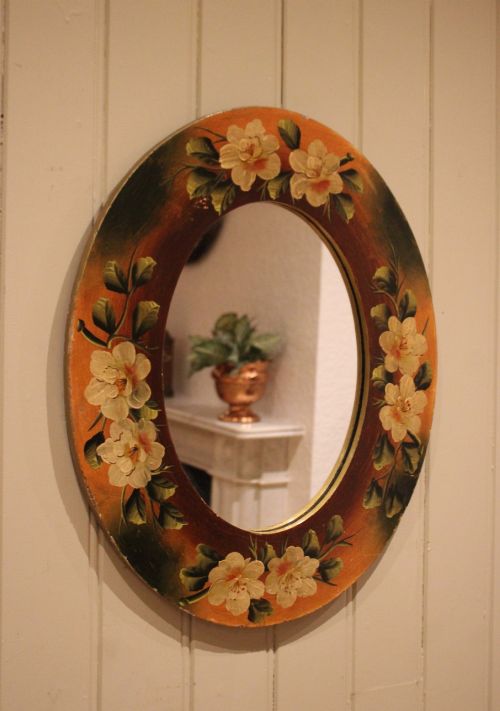
A painted floral wall mirror is a decorative looking glass featuring hand-painted botanical motifs, floral garlands, or gesso flowers upon wood frames. When you search for a painted floral wall mirror, you encounter pieces ranging from compact Edwardian and Victorian examples to grand French overmantels and Italian pier glasses.
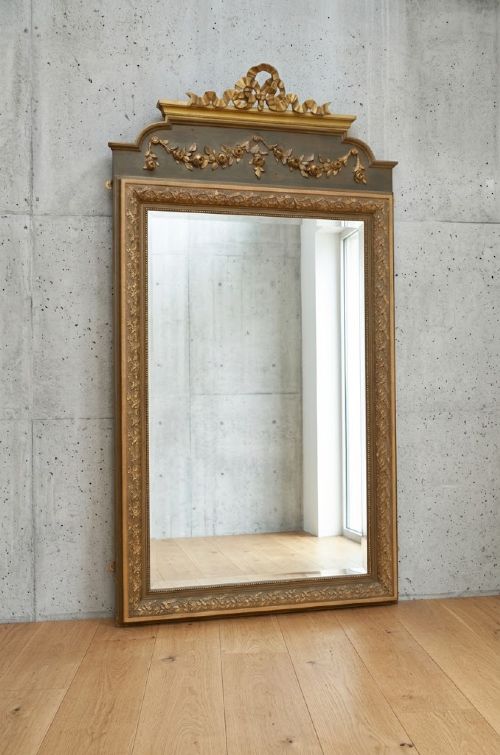
The selection on this page includes French trumeau mirrors, Victorian overmantels, and Venetian styles dating from the eighteenth century through to the early twentieth century. Forms vary from simple oval wall hangings to large architectural overmantel mirrors and tall pier glasses designed to sit between windows.
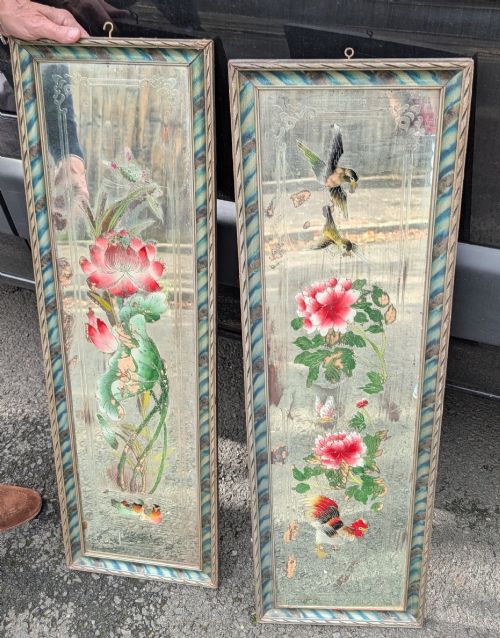
Continental pieces from France and Italy often display elaborate carved frames with ribbon crests or giltwood accents, whilst British Victorian examples incorporate reverse-painted roses or ebonised and painted surfaces. Many items reflect revival periods, drawing upon George II, Queen Anne, and Rococo design traditions.
How they were made
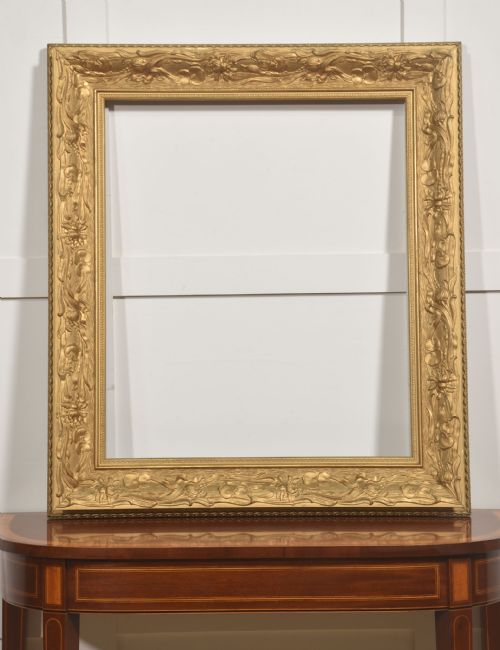
Makers constructed these frames primarily from wood, such as walnut, satinwood, or carved timber, preparing the surfaces with layers of gesso before applying paint, gold leaf, or gilding. This plaster-like gesso substance allowed artisans to model crisp floral reliefs, ribbon crests, and elaborate scrollwork directly onto the wooden substrate.
Artisans applied pigments by hand to create floral panels, botanical sprays, and reverse-painted glass details featuring roses and lilies. Gilding and gold leaf were frequently combined with olive green, white, or ebonised paint finishes to create the contrasting decorative effects seen across the nineteenth and twentieth-century pieces.
The archive records French wall mirrors finished in painted gesso alongside delicate silk-backed and reverse-painted floral glass designs.
What varies in quality
Quality rests upon the crispness of the hand-carved woodwork, the depth of the gesso floral moulding, and the finesse of the hand-painted botanical details. Superior examples display spirited brushwork and deeply undercut carvings rather than flat, mechanically produced surface decoration.
The integrity of the original glass and the harmonious relationship between the painted frame and the mercury or silvered mirror plate dictate the standing of the piece. Finer mirrors retain their original gilding and undisturbed painted surfaces, showing honest patination acquired over centuries of use.
The Painted Floral Wall Mirror Glossary
- Gesso
- A plaster-like mixture applied to wood frames to provide a smooth surface for painting or carving. Artisans moulded this material into raised floral motifs and intricate scrollwork.
- Trumeau mirror
- A tall wall glass incorporating a painted panel or artwork above the mirror plate. These French decorative pieces were traditionally designed to hang between windows.
- Pier glass
- A tall, narrow mirror created to hang on the wall space between two windows. They frequently feature painted wood or giltwood frames with matching console tables.
- Overmantel mirror
- A wide glass designed to be positioned directly above a fireplace mantelpiece. These architectural pieces often showcase elaborate floral crests and substantial wooden frames.
- Giltwood
- Wood that has been coated with a thin layer of gold leaf or gold paint. It frequently appears alongside painted floral decorations on nineteenth-century frames.
Painted Floral Wall Mirror: Frequently Asked Questions
Where should I hang a painted floral wall mirror?
These mirrors suit living rooms, hallways, and bedrooms where their botanical painted details can reflect natural light. Hang them above a mantelpiece, a console table, or on a plain wall to let the floral frame stand out as a focal point.
Ensure the wall fixings match the weight of the timber and gesso frame. Larger overmantel and trumeau versions require secure anchoring into wall studs to support their substantial size safely.
How do I clean a painted wooden frame?
Dust the carved wood and gesso floral decorations gently with a soft, dry brush or microfibre cloth. Avoid using commercial cleaning sprays, water, or chemical solvents, as these can damage the hand-painted botanical details and antique gilding.
Clean the glass plate separately using a mild glass cleaner applied to a cloth rather than sprayed directly onto the mirror. This prevents moisture from seeping under the edge of the frame and harming the antique silvering.
How do I date an antique wall mirror?
Examine the construction methods, the wood types used for the backing and frame, and the characteristics of the glass plate. Eighteenth and nineteenth-century pieces often display hand-bevelled edges, old fixings, and natural wear to the painted surface.
Stylistic clues such as Aesthetic Movement ebonisation, Edwardian proportions, or Victorian reverse-painted roses also help narrow down the period. Comparing the gesso moulding and paint patination against documented examples provides further confirmation of age.
Are these mirrors suitable for daily use?
Antique mirrors function effectively for daily reflection, though older glass plates may exhibit minor foxing, dark spots, or gentle distortion. These natural signs of age contribute to the character of the piece without hindering its practical use in a modern home.
Handle the frames with care when dusting or repositioning them. The historic gesso and painted surfaces are delicate and appreciate stable indoor environments away from excessive dampness or direct sunlight.