


Edwardian Ebonised Mirror
An Edwardian ebonised mirror brings dark polish and crisp reflection into a room, offering the sharp contrast of blackened wood against gilt highlights or painted detail.
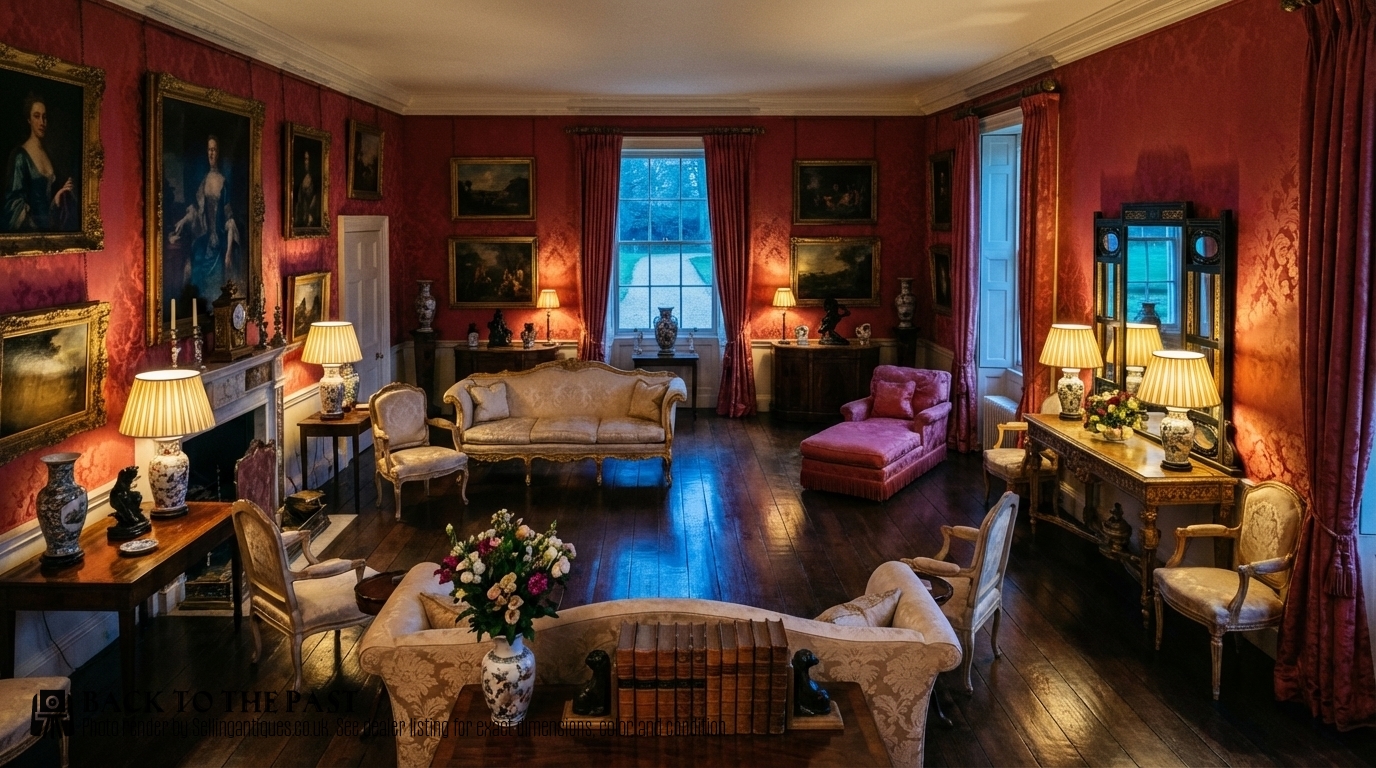
Edwardian Ebonised Mirror
When you search for an edwardian ebonised mirror, you encounter dark-finished frames made during the early twentieth century alongside related Victorian and 19th Century survivals. These pieces range from simple wall mirrors to large overmantel formats and smaller table or dressing table designs.
How they were made
Frames are constructed primarily from wood, finished with an ebonised coating to simulate expensive ebony, and frequently enhanced with composition material mouldings or marquetry veneers. Glass components include flat mirror glass as well as specialised convex glass and etched rectangular plates.
Makers applied gilt lacquer, parcel-gilt highlights, and painted details directly onto the dark surfaces, particularly on pieces influenced by Chinoiserie or Aesthetic Movement designs.
Materials recorded across the inventory include ebonised wood, giltwood, composition material, marquetry veneers, and etched mirror glass.
What varies in quality
The standard of an ebonised mirror rests on the depth of the finish and the clarity of the glass, with superior examples showing crisp hand-etching and well-preserved gilt accents. Simpler designs rely on clean proportions, whilst ornate overmantels depend on the crispness of their composition mouldings.
The integrity of the frame construction and the preservation of the original ebonised surface distinguish finer workshop output from more utilitarian pieces.
Rowley Gallery
The Edwardian Ebonised Mirror Glossary
- Ebonised
- Wood treated with a dark stain or finish to imitate ebony. This process was widely utilised during the Victorian and Edwardian periods to achieve a formal, dramatic appearance.
- Overmantel mirror
- A large mirror designed specifically to hang above a fireplace mantelpiece. These pieces often feature wide rectangular or arched frames intended to anchor a room's focal point.
- Convex glass
- Curved mirror glass that projects outward, providing a wide-angle reflection of the interior space. It is frequently housed within circular frames featuring gilt spheres or reeded details.
- Chinoiserie
- European artistic style reflecting Chinese motifs and decorative techniques. On these mirrors, it appears as hand-painted figures, landscapes, or gilt patterns against the dark ebonised background.
- Parcel-gilt
- Partially gilded woodwork where gold leaf is applied only to specific raised carved details or mouldings. This technique highlights the architectural lines of the frame.
Edwardian Ebonised Mirror: Frequently Asked Questions
Where should I hang an ebonised mirror?
These mirrors suit chimney breasts, hallways, and dark wood panelled rooms where the black finish complements the surrounding interior.
Overmantel versions anchor a room above a fireplace, whilst smaller wall mirrors work effectively above a console table or chest of drawers.
How do I clean an ebonised frame?
Dust the frame gently with a dry, soft cloth to prevent the accumulation of dirt within the carved details or mouldings.
Avoid liquid polish or harsh cleaning agents, as these can damage the delicate ebonised surface and any applied parcel-gilt highlights.
What is the difference between Edwardian and Victorian ebonised mirrors?
Victorian examples often lean towards heavy neoclassical revival or ornate aesthetic movement styling with complex carved details.
Edwardian pieces tend to feature lighter proportions, simpler designs, or delicate Chinoiserie and lacquer work reflecting changing domestic tastes.
Are convex mirrors period correct for Edwardian interiors?
Convex mirrors enjoyed significant popularity during both the Regency period and its later revivals around nineteen hundred.
They were frequently utilised in hallways and reception rooms to distribute light and provide a panoramic view of the space.