




Painted Copper Enamel Box
These painted copper enamel box examples offer miniature art and portable history, crafted by Georgian hands to hold snuff, patches or keepsakes.
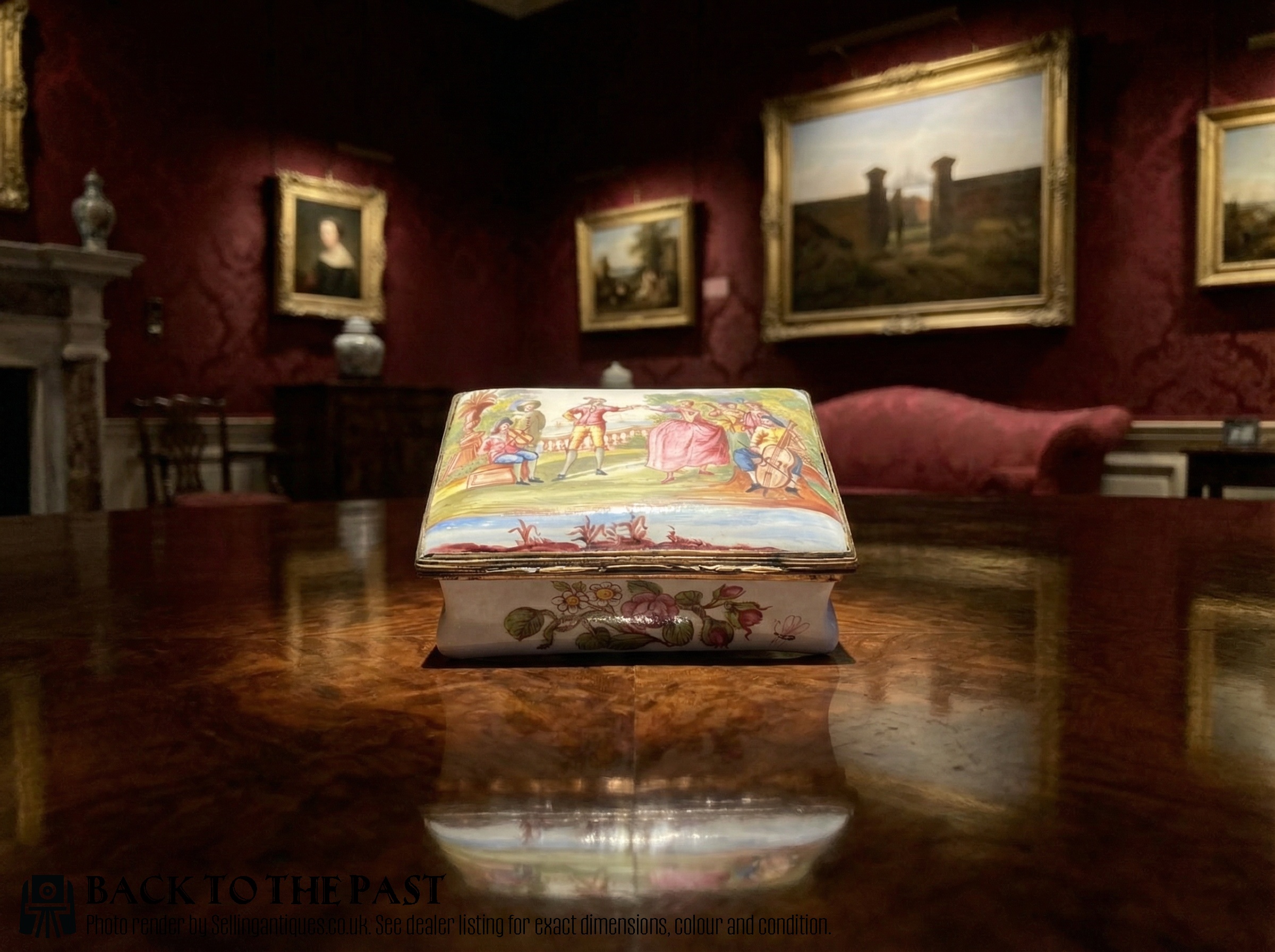
Painted Copper Enamel Box
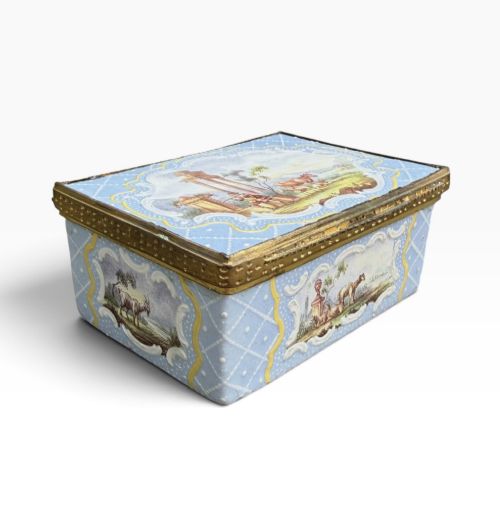
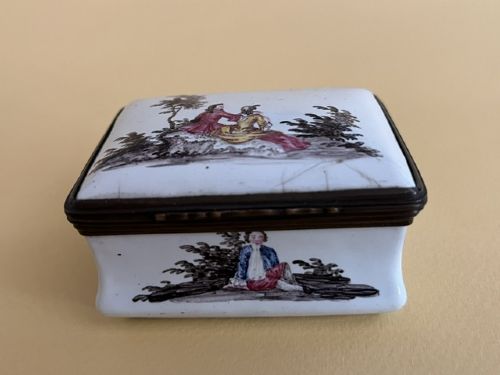
A painted copper enamel box brings together small scale storage and detailed miniature painting from the eighteenth and nineteenth centuries. When searching for a painted copper enamel box, the most common form encountered is the Georgian snuff box or patch box originating from Staffordshire and Bilston workshops.
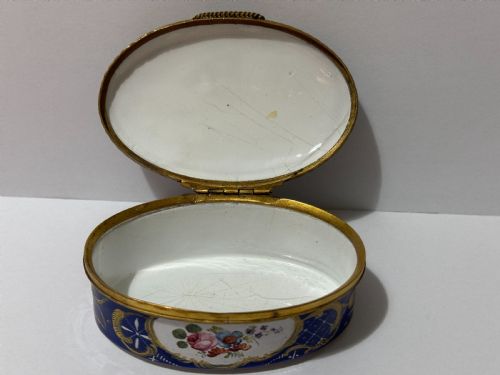
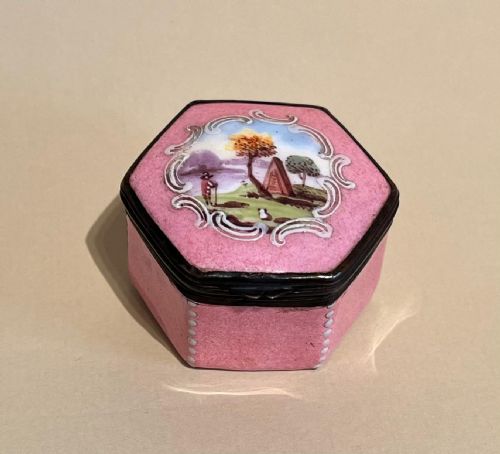
The selection ranges from oval and rectangular patch boxes to novelty trinket boxes and snuff box lids. Makers across these periods produced both English Staffordshire pieces and Chinese Beijing enamel equivalents, often styled in the Rococo taste.
These items served daily social functions among the Georgian elite, used to hold scented snuff or small cosmetic patches for the face. Their survival in varied shapes demonstrates the high demand for pocket sized luxury goods during the eighteenth century.
How They Were Made
The construction of a painted copper enamel box relies on shaping a copper base before fusing vitreous enamel to the metal surface through intense kiln firing. Artisans then applied detailed enamel colours by hand, often incorporating gilt metal or brass mounts to hinge the lids securely.
English pieces from Bilston and Staffordshire utilised powdered glass fused to copper, while Chinese Beijing enamel examples employed similar metalworking and glazing traditions. Subsequent kiln firings locked the painted scenes, such as musicians in parkland, permanently into the glossy surface.
Listings for a painted copper enamel box span both the eighteenth and nineteenth centuries, featuring materials such as copper, gilt metal, and vitreous enamel.
What Varies in Quality
The distinction between average and exceptional work rests upon the finesse of the hand painting and the crispness of the copper shaping. Finer boxes display delicate brushwork in pastoral scenes and portraits, whereas simpler examples show broader, less detailed application of colours.
The preservation of the vitreous enamel coating and the original gilt metal mounts heavily influences the overall character of a painted copper enamel box. Intact hinges, minimal surface craquelure and bright, unblemished enamel pigments separate standard utility boxes from superior collector pieces.
The Painted Copper Enamel Box Glossary
- Bilston enamel
- A term for eighteenth century enamel items produced in the Staffordshire town of Bilston. These pieces are renowned for painted copper enamel box production.
- Patch box
- A small pocket container used during the Georgian era to hold cosmetic silk patches. Ladies applied these patches to the face to hide blemishes.
- Vitreous enamel
- Glass powder melted onto a metal substrate at high temperature. This technique forms the glossy, colourful coating characteristic of each painted copper enamel box.
- Bonbonniere
- A small ornamental container designed to hold sweets or sugar plums. They share similar construction methods with snuff and patch boxes.
- Beijing enamel
- Enamelware produced in the imperial workshops of China during the Qing Dynasty. These items parallel European enamel techniques on copper bases.
Painted Copper Enamel Box: Frequently Asked Questions
What is a painted copper enamel box used for?
These boxes originally served functional roles in Georgian society, holding dry tobacco snuff or small adhesive cosmetic patches for the face.
Over time, owners also used them as trinket containers or bonbonnieres for sweetmeats, reflecting their status as portable luxury items.
How do I date an enamel box?
Dating relies on stylistic clues, mounting types, and the typical manufacturing periods of Staffordshire and Bilston workshops during the eighteenth and nineteenth centuries.
Shape, painting style, and the composition of the copper and brass mounts help distinguish Georgian pieces from later nineteenth century examples.
Are these boxes fragile?
The vitreous enamel surface is essentially glass fused to copper, meaning it can chip or crack if dropped against hard surfaces.
Careful handling and placement away from table edges ensure these miniature painted items survive safely in a modern home.
Where were most English enamel boxes made?
The primary production centre in England was Staffordshire, particularly the town of Bilston, during the eighteenth century.
Workshops in this region specialised in shaping copper bases and applying detailed enamel painting for domestic and export markets.