



Painted China Figurine
When you look for a painted china figurine, you seek small glazed ceramic people and animals carrying centuries of modelled detail.
Painted China Figurine
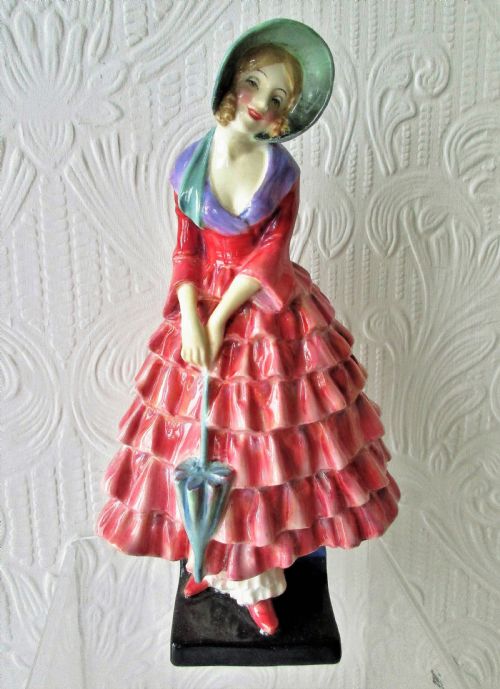
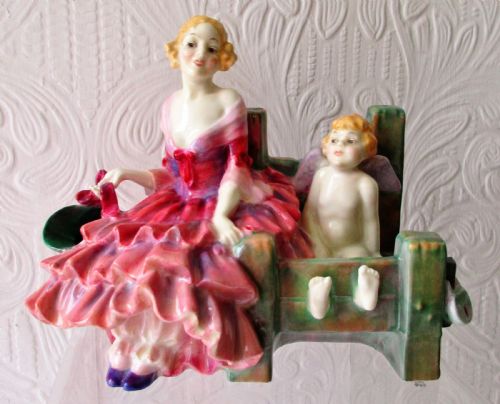
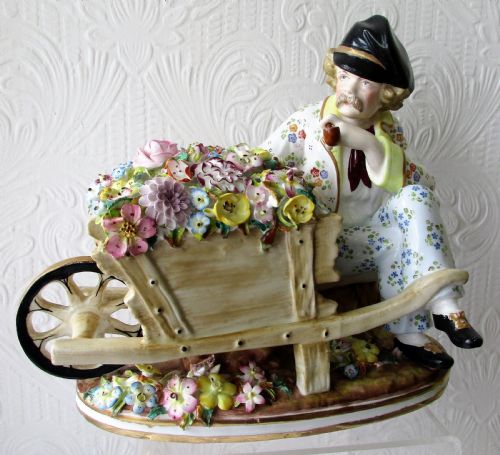
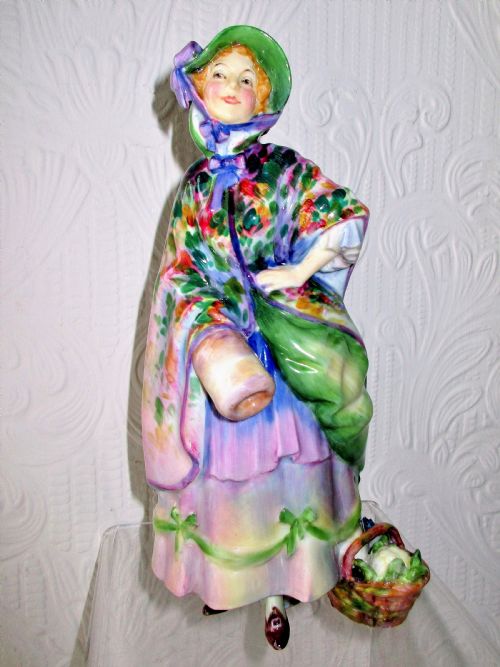
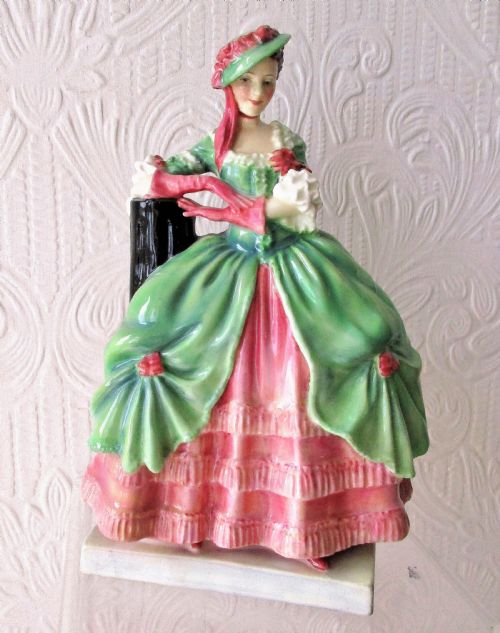
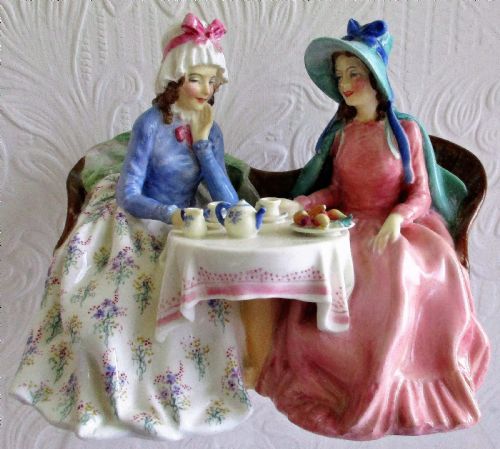
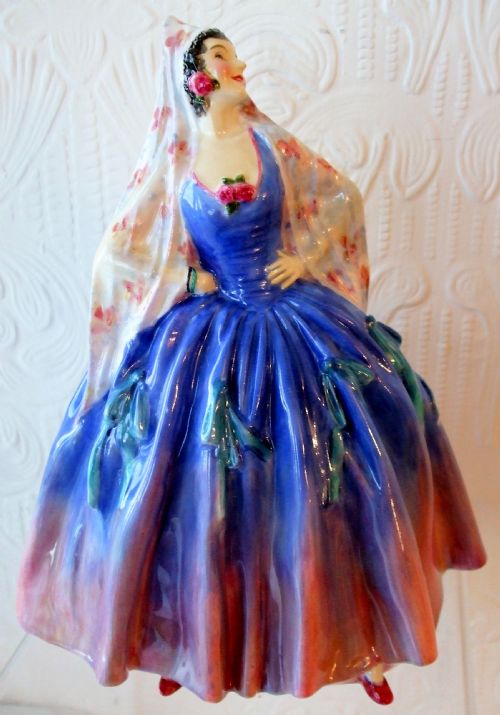
A painted china figurine represents human, animal and allegorical subjects modelled in ceramic and finished with hand-painted pigments. The selection on this page draws heavily from eighteenth-century English and continental works, nineteenth-century Victorian pieces, and twentieth-century English porcelain productions.
Buyers meet everything from early Derby allegorical figures and Bow seasonal characters to Victorian Staffordshire dogs and twentieth-century Royal Doulton character studies. These pieces take the form of single statuettes, paired figures, and small pastoral groups designed for display on mantelpieces and side tables.
Origins span English factories like Chelsea and Worcester alongside German manufacturing centres such as Meissen, Volkstedt, and Dresden. The range includes decorative fairings, candle snuffers, and named porcelain subjects spanning several distinct collecting eras.
How they were made
Makers shaped these items using soft-paste or hard-paste porcelain, bone china, and earthenware, applying ceramic glaze to seal the body before firing. Many examples incorporate enamel colours, gold leaf, and gilt highlights painted directly onto the surface.
The decorative schemes rely on pastel hues, detailed facial expressions, and hand-painted clothing that distinguish individual moulds. French biscuit porcelain figures omit the glossy glaze entirely to achieve a matte, marble-like finish reminiscent of carved stone.
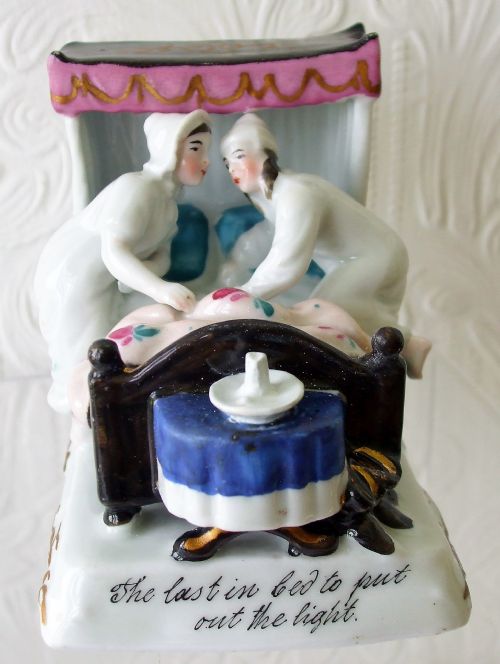
Victorian fairings capture domestic amusement with titles like The Last in Bed to Put Out the Light.
What varies in quality
Painting execution dictates visual success, with superior examples displaying subtle shading in pastel hues and precise line work on eyes and fingers. The application of gold leaf and the overall richness of the enamel palette further separate standard productions from works by notable factories.
Royal Doulton·John Bevington·Triebner Ens And Eckert·Letu And Mauger·Helena Wolfsohn·Freda Doughty
The Painted China Figurine Glossary
- Biscuit porcelain
- Unglazed ceramic fired to a matte finish that resembles marble. This technique gained favour for classical and allegorical subjects in the eighteenth and nineteenth centuries.
- Fairing
- A small, often humorous Victorian ceramic ornament produced for sale at annual fairs. These pieces typically depict domestic scenes with pithy titles along the base.
- Soft-paste porcelain
- An artificial ceramic body created from glass frit and white clay mixtures before true hard-paste porcelain became widespread in Europe. It has a warm, slightly translucent appearance under strong light.
- Anchor mark
- A factory symbol used by establishments such as Chelsea to authenticate their porcelain output. It appears painted in red or gold depending on the period of production.
Painted China Figurine: Frequently Asked Questions
How do I identify an eighteenth-century figure?
Examine the weight, the translucency of the paste, and the hand-applied nature of the pigments under magnification. Early pieces often show distinct kiln scars on the underside and softer pastel enamel palettes.
Compare the base treatment and any factory marks with documented examples from the same period. Anchor marks, crossed swords, and specific impressed numbers help narrow down the manufacturing decade.
Where should I display my figurines?
Position these items away from direct sunlight and areas of high foot traffic where vibrations might cause accidental knocks. Enclosed glass cabinets offer protection from dust while allowing clear viewing angles from all sides.
Ensure stable placement on flat surfaces without relying on sticky waxes that can stain unglazed porcelain bases over time. Adequate spacing lets individual details on pastoral or allegorical groups remain clearly visible.
What is the difference between porcelain and pottery figures?
Porcelain uses refined white clay combined with fluxes that vitrify during high-temperature firing to create a dense, semi-translucent body. Staffordshire dogs and similar earthenware items utilise heavier, opaque clay bodies with a softer structure.
Porcelain figures typically take finer detail in the moulding process and accept glossy or matte enamel colours directly onto the glaze. Pottery pieces often rely on bolder underglaze painting and heavier lead glazes for their surface finish.
Why do some figures lack factory marks?
Many smaller nineteenth-century workshops and regional potters operated without official stamps or relied on paper labels that fell away decades ago. Unmarked figures still reveal their origins through paste composition, moulding style, and painting technique.
Attribution for unmarked pieces rests on stylistic comparisons with documented models from factories like Derby, Bow, or Meissen. The absence of a mark does not diminish the quality of the modelling or the hand-painted artistry.