

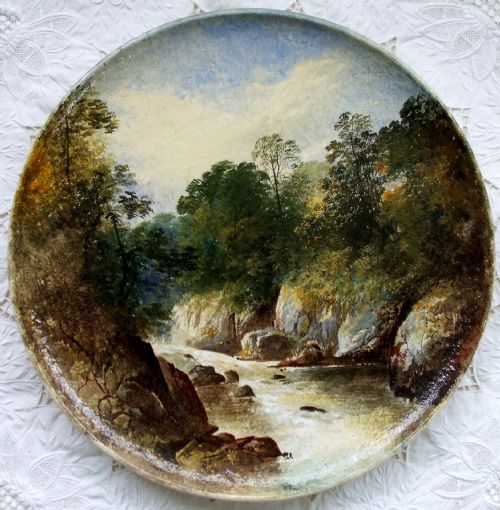

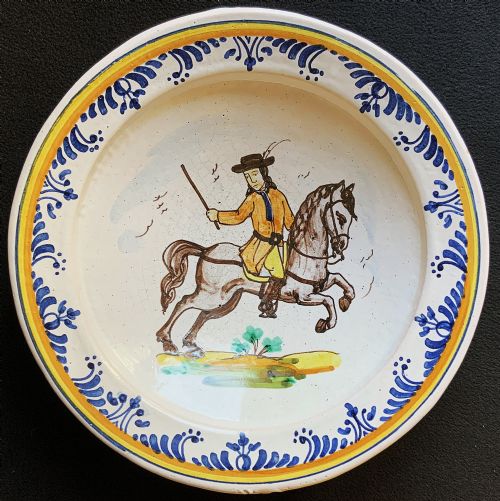


Painted Ceramic Wall Plaque
These painted ceramic wall plaque examples bring together centuries of European and Asian artistry designed to hang directly on interior walls.
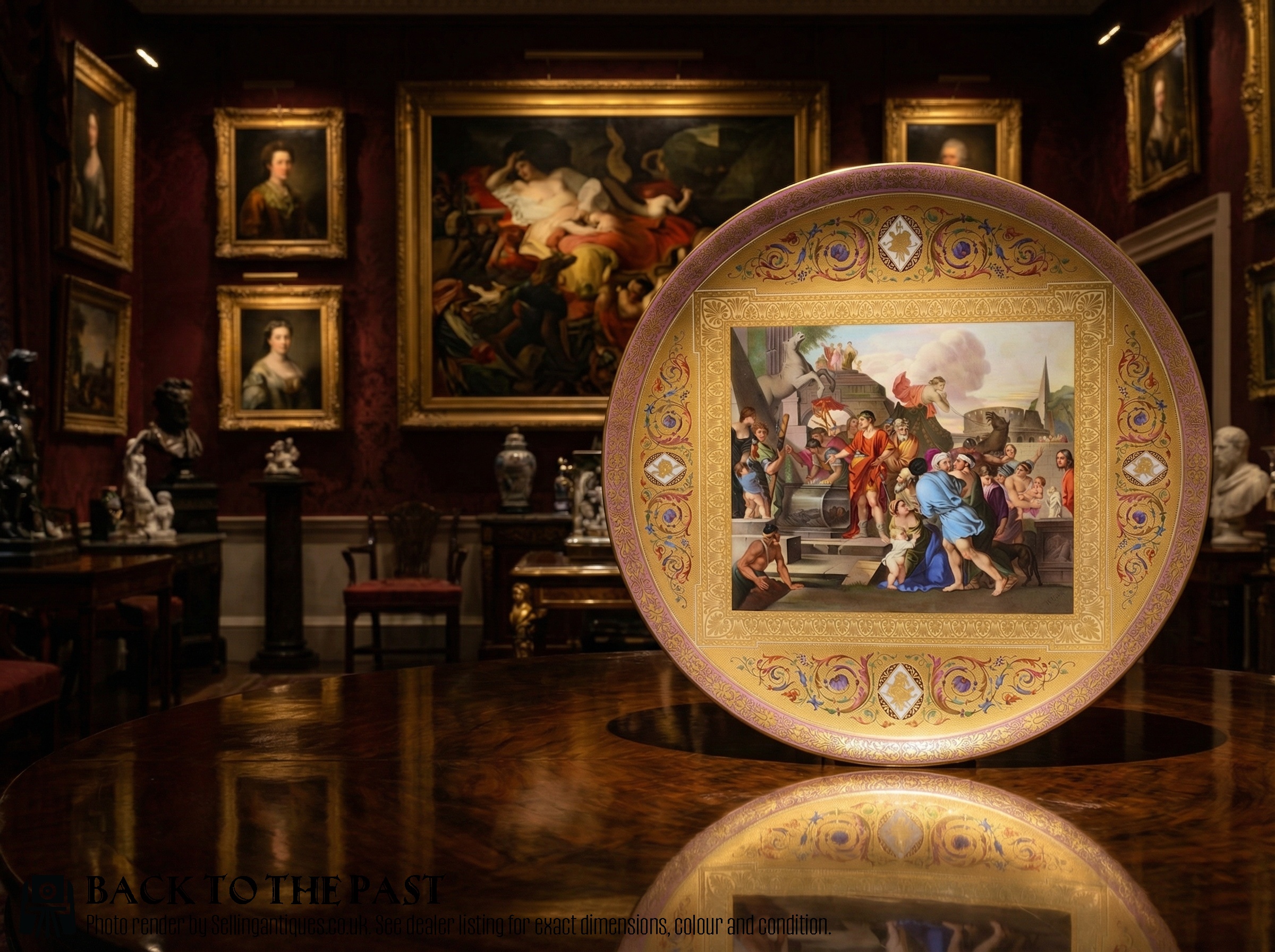
Painted Ceramic Wall Plaque
A painted ceramic wall plaque takes the form of a decorative plate, charger, or flat panel shaped to be mounted on a wall rather than set upon a table. These pieces span the eighteenth, nineteenth, and early twentieth centuries, emerging from major European potteries and Asian kilns.
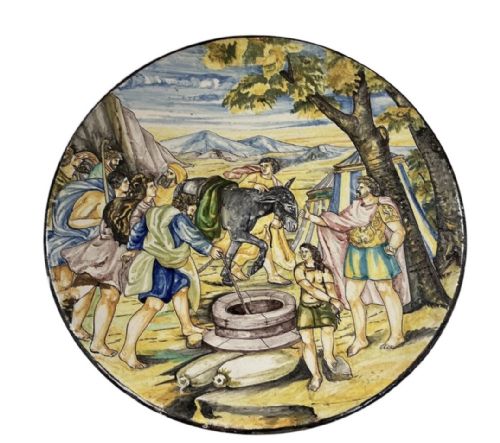
The selection here ranges from large Delft faience and Italian maiolica chargers to framed porcelain portraits and intricate Japanese Imari plates. Makers utilised porcelain, earthenware, and terracotta as grounds for detailed narrative scenes, landscapes, and portraits.
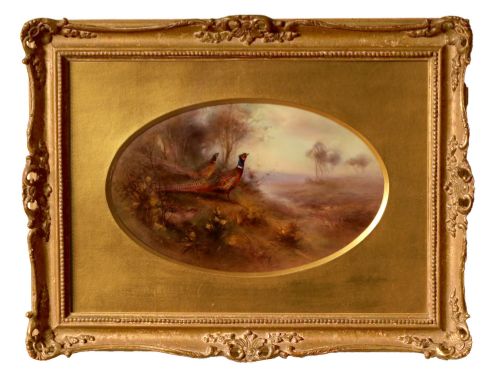
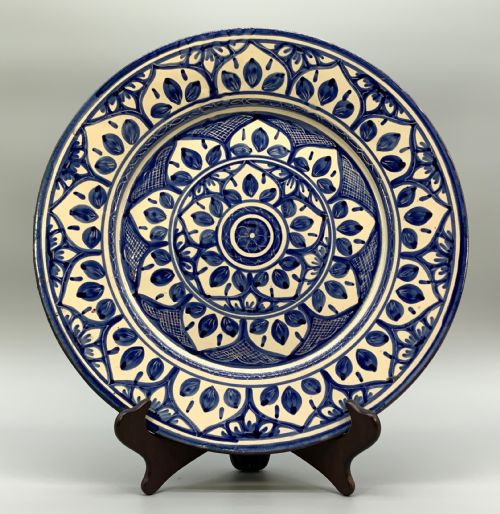
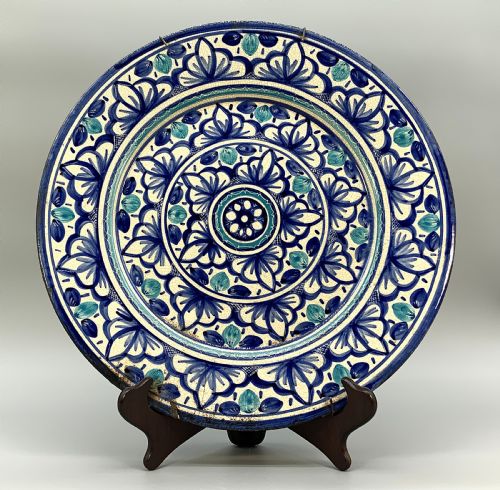
Buyers encounter distinct regional traditions, including Vienna porcelain history paintings, Copeland landscape plaques, and Moorish style earthenware. Each object preserves a specific painted surface rendered on tin-glazed earthenware, enamel, or hard-paste porcelain.
Materials and construction methods
Potters formed the body of each painted ceramic wall plaque from clay, terracotta, earthenware, or porcelain before applying a base glaze. Tin-glazes provided an opaque white surface for pigment application on faience and maiolica, whilst hard-paste porcelain received smooth vitreous coatings.
Artists painted directly onto the prepared surface using mineral pigments, cobalt blues, or enamel colours, often firing the piece multiple times to fix the detailed brushwork. Guilds and factories employed specialised painters for landscapes, portraits, and historical narratives.
Mounting systems varied, with many chargers pierced at the footring for suspension, whilst others were placed inside carved wooden frames, giltwood surrounds, or structured panels.
Listings feature pieces spanning the eighteenth to the mid-twentieth century, employing porcelain, earthenware, and tin-glazed surfaces.
Factors of distinction
Quality rests upon the execution of the hand-painted imagery, separating mass production from works by recognised ceramic artists and master painters. Finer examples display meticulous control over brushwork, tonal gradation, and narrative detail in historical or portrait subjects.
The sophistication of the glaze and the stability of the ceramic body also determine distinction, with superior pieces showing even firing temperatures and well-preserved surface colours. Signed works or those attributed to specific factories maintain higher standards of artistic ambition.
Royal Bonn·Royal Worcester·Ernst Wahliss·KPM porcelain
The Painted Ceramic Wall Plaque Glossary
- Charger
- A large ornamental plate traditionally used for display rather than dining. These heavy circular vessels provide a wide surface for elaborate painted scenes.
- Maiolica
- Tin-glazed Italian earthenware decorated with colourful metal oxides. It frequently depicts classical, historical, or mythological subjects.
- Faience
- Tin-glazed earthenware produced in France, Holland, and Spain. The porous clay body receives an opaque white glaze that accepts detailed painted pigments.
- Enamel
- Vitrified glass paste fused to a metal or ceramic surface under high heat. This technique creates glossy, durable imagery with rich coloration.
- Paste
- The specific ceramic composition of the body. Hard-paste and soft-paste formulations dictate the firing properties and translucency of porcelain.
Painted Ceramic Wall Plaque: Frequently Asked Questions
How were these wall plaques displayed historically?
Owners frequently hung large chargers and plaques directly on walls using wire threaded through pierced footrings or specialised metal clips. Domestic interiors from the nineteenth century often grouped varied plates together as part of decorative wall schemes.
Finer porcelain plaques received dedicated wooden frames or giltwood surrounds, elevating them to the status of traditional oil paintings while protecting their fragile edges.
What subjects appear on these painted ceramic pieces?
Painters drew inspiration from classical mythology, historical events, religious narratives, and natural landscapes. Portraits after Renaissance masters also proved popular among European factories.
Asian pieces often feature traditional aquatic scenes, floral motifs, and figures rendered in distinct regional palettes such as Imari blue and iron red.
Are these plaques signed by the artists?
Many fine pieces bear the signatures or monograms of individual porcelain painters who worked for major factories like Vienna or Royal Worcester. Signatures typically appear subtly within the corner of the painted scene.
Factory marks, pattern numbers, and town stamps are frequently found on the reverse, helping to date the manufacture and identify the workshop.