
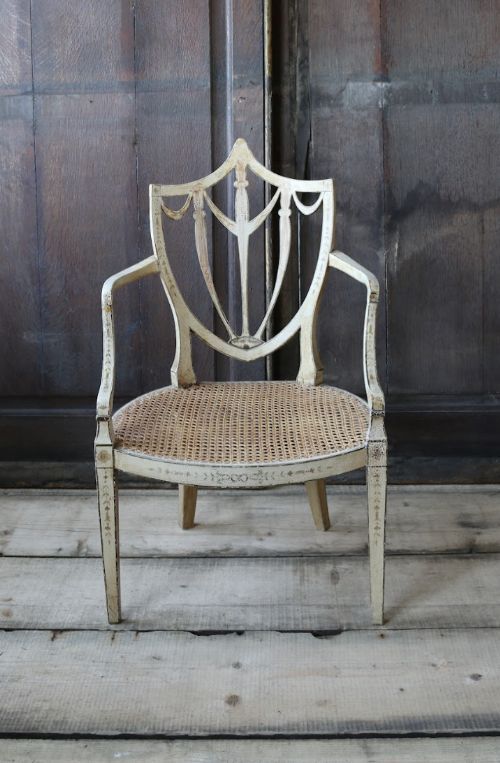
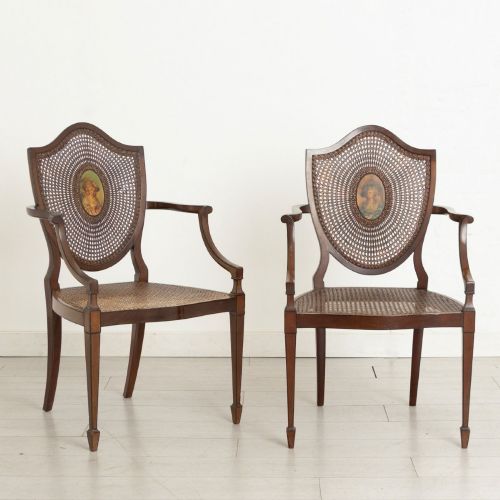
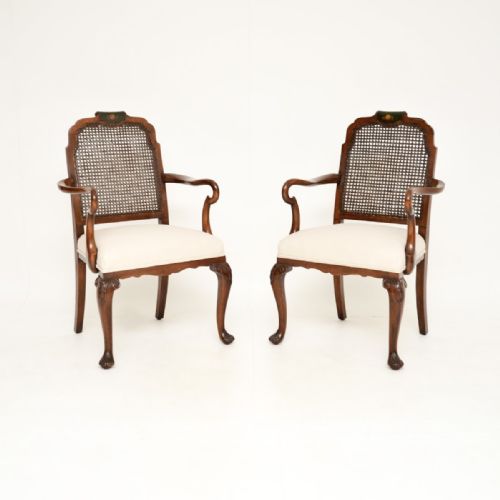

Painted Cane Chair
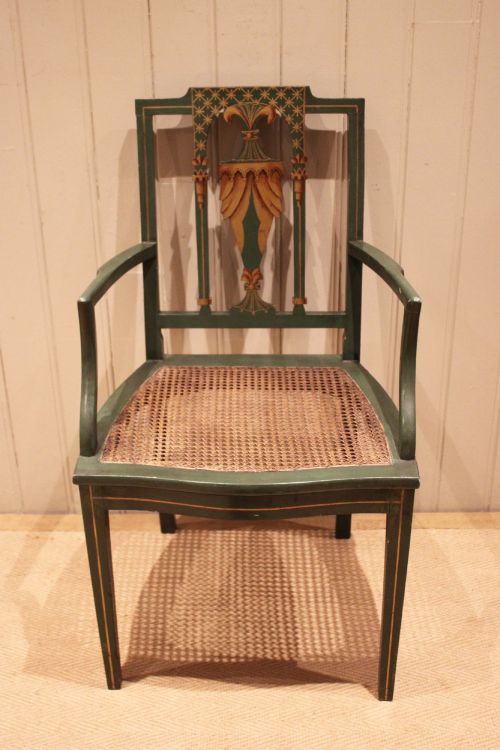
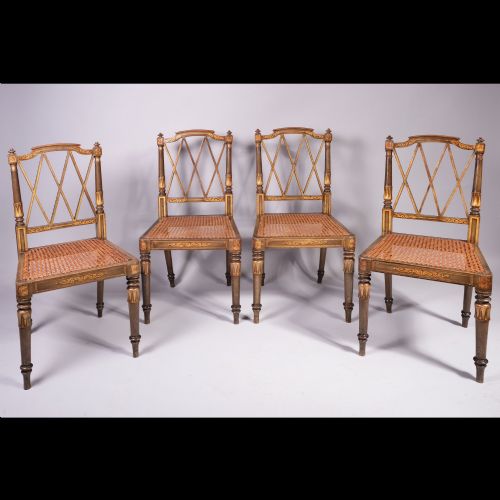
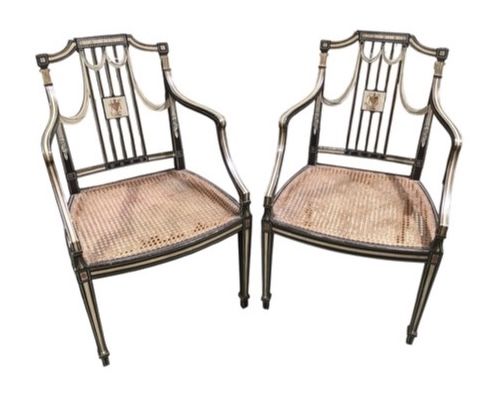
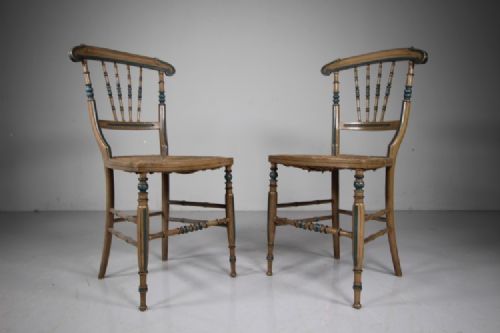
When you search for a painted cane chair, you are looking at timber frames finished in decorative pigments with woven seat or back panels.
Painted Cane Chair
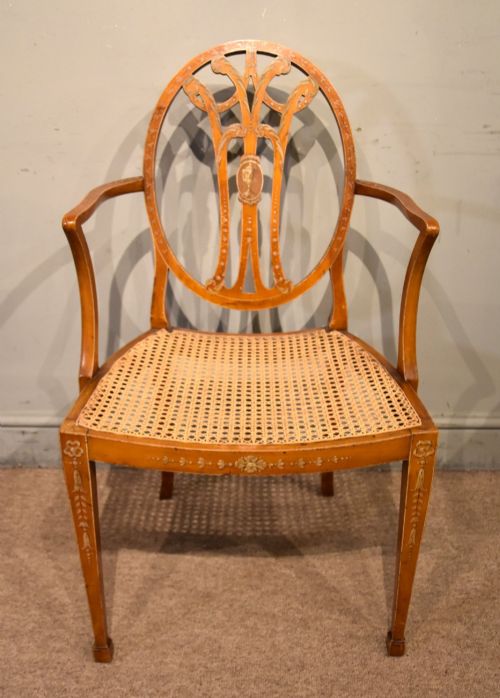
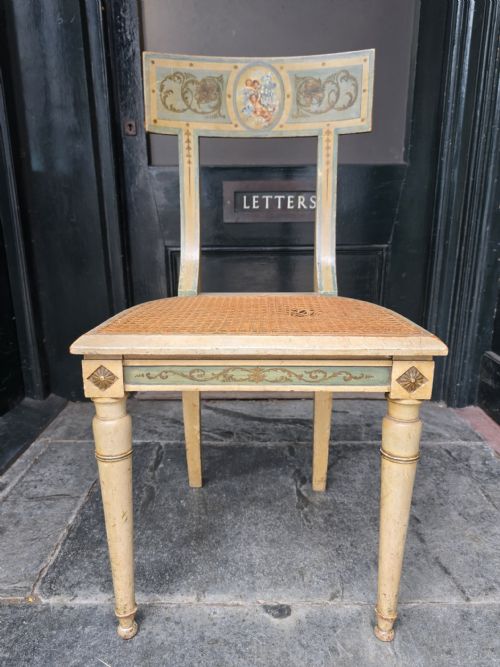
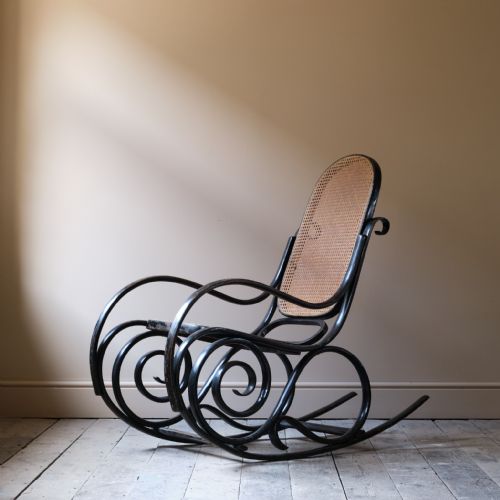
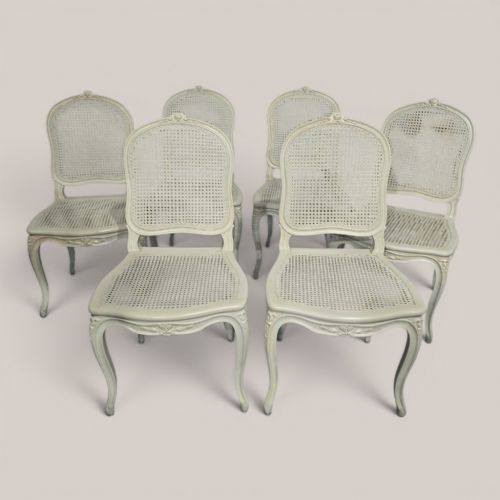
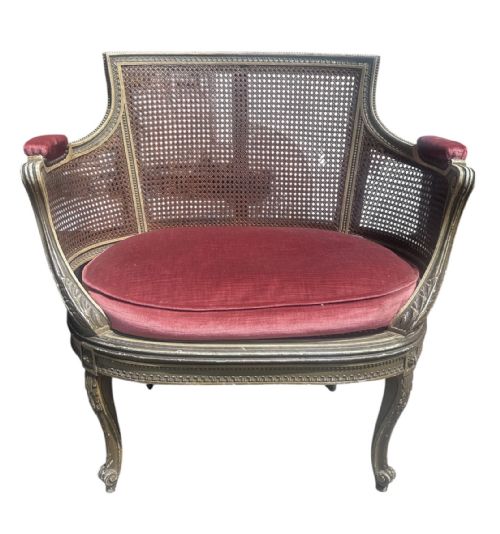
A painted cane chair combines a wooden structural framework with woven plant material panels for seats and backs. The forms range from open armchairs and dining seats to bedroom chairs and larger settees.
The pieces appearing here stretch from the late eighteenth century through the Regency period and Victorian era into the early twentieth century. French designs in the Louis styles and English Regency models form a large part of the selection.
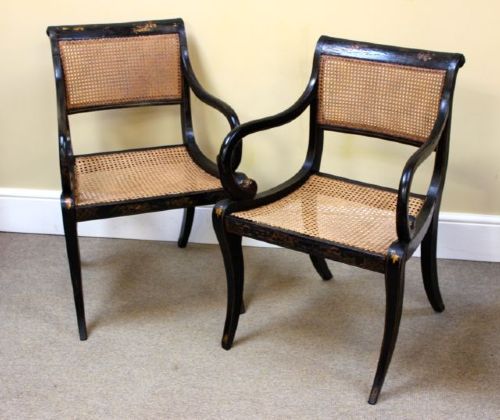
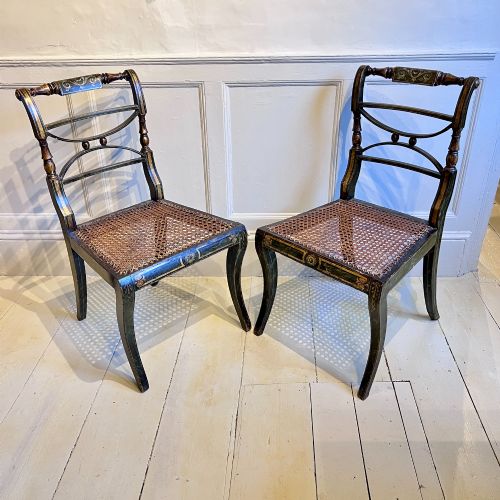
Makers utilised various timbers beneath the pigment, including beech, satinwood, walnut and bamboo, often shaping them into shield backs, sabre legs or curved tub profiles.
How they were made
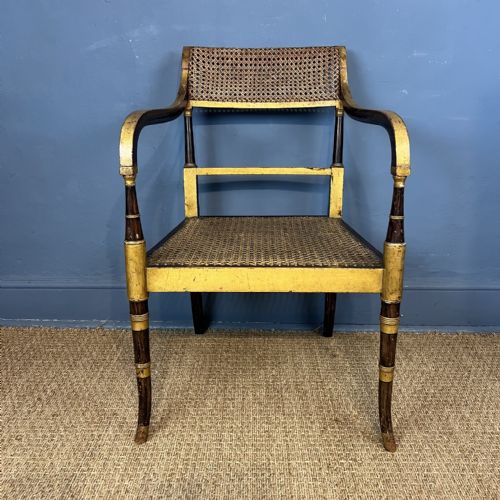
Craftsmen shaped woods like beech or walnut into frames before applying layers of paint, scumble finishes, ebonisation or gold leaf highlights. Many examples feature hand-painted floral motifs or delicate Chinoiserie decoration over the primary coat.
The seating and back panels utilise split rattan cane woven by hand through pre-drilled holes in the wooden framework. This technique provides a taut, resilient mesh that supports the sitter while allowing flexibility.
Children's papier-mâché chairs sit alongside full-size bedroom pieces in the records.
What varies in quality
The distinction between standard items and finer pieces rests upon the survival of the original decorative surface and the precision of the hand-painted details. Original paintwork showing genuine age differs significantly from later repainting efforts.
Construction quality shows in the tightness of the cane weave and the rigidity of the underlying wooden joinery. Superior examples maintain intact frames without structural movement and feature evenly tensioned cane panels.
Gillows·John Gee·Thonet
The Painted Cane Chair Glossary
- Cane
- Split rattan woven into open mesh panels for seats and backs. It offers lightweight durability and flexibility.
- Bergere
- An enclosed upholstered or caned armchair with solid wooden sides. This form originated in France.
- Ebonised
- Wood finished to resemble ebony through dark staining or painting. It appeared frequently on Regency furniture.
- Scumble
- A translucent glaze layer manipulated over a lighter base coat to create decorative grain effects. Victorian makers employed this technique.
- Parcel gilt
- Portions of a surface highlighted with applied gold leaf. This treatment accentuates carved details on frames.
Painted Cane Chair: Frequently Asked Questions
How do I care for antique cane?
Keep the woven panels lightly dusted and maintain moderate humidity in the room to prevent the rattan from becoming brittle. Avoid pressing heavy objects directly onto the centre of the mesh.
Moisturise the cane occasionally with a damp cloth if the atmosphere is particularly dry, allowing it to dry completely before use.
Were these chairs used outdoors?
These pieces were designed strictly for interior domestic spaces such as drawing rooms, libraries and bedrooms. The delicate paint finishes and natural cane cannot withstand exposure to rain or direct sunlight.
Placing them away from temperature extremes protects both the timber substrate and the tension of the woven panels.
How can I identify a Regency piece?
Regency examples often feature ebonised or faux rosewood finishes combined with parcel gilt highlights. Characteristic shapes include sabre legs and reeded framing elements.
Many incorporate classical motifs influenced by French Empire and ancient Roman design principles.
What is scumble paint?
Scumble paint involves applying a translucent glaze over a solid base colour and working it with tools to mimic wood grain or decorative texture. Victorian makers used this technique to elevate simpler timber frames.
Finding this finish intact provides strong evidence of an item's period surface preservation.