


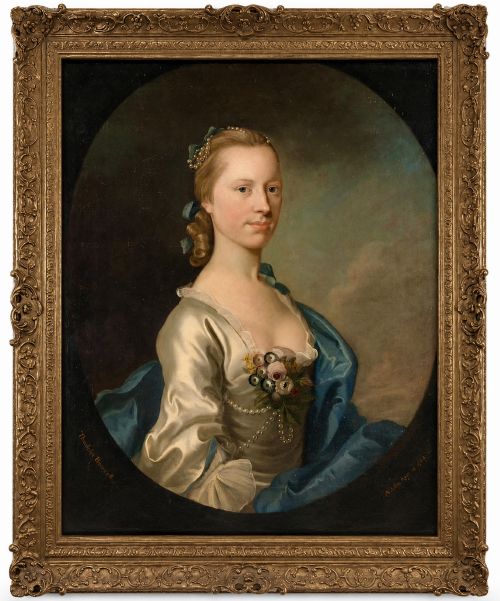


Oval Wood Framed Portrait
An oval wood framed portrait brings centuries of character to a wall, combining intimate portraiture with the soft geometry of a curved wooden surround.
Oval Wood Framed Portrait
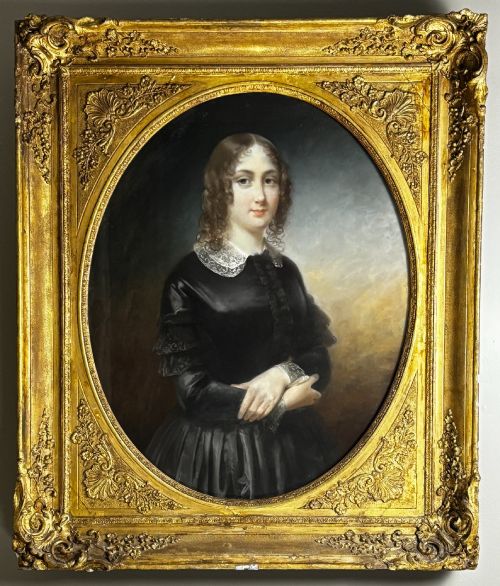
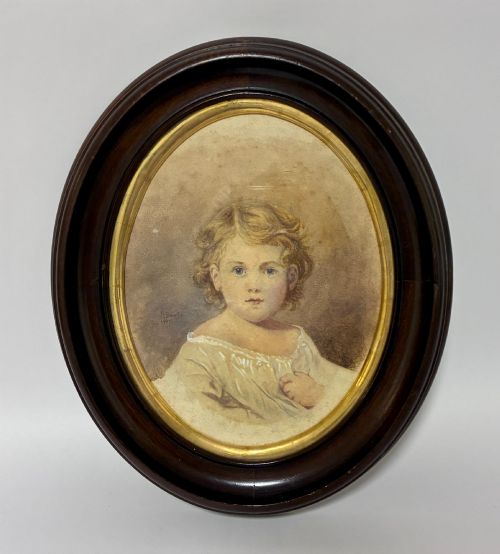
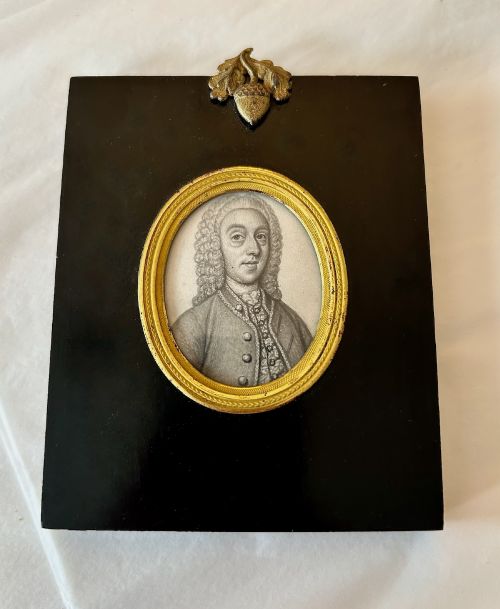
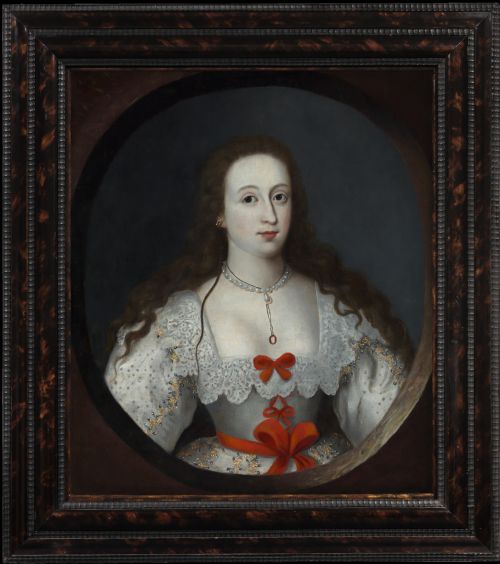
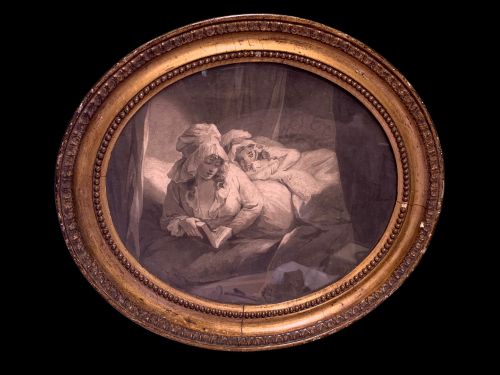
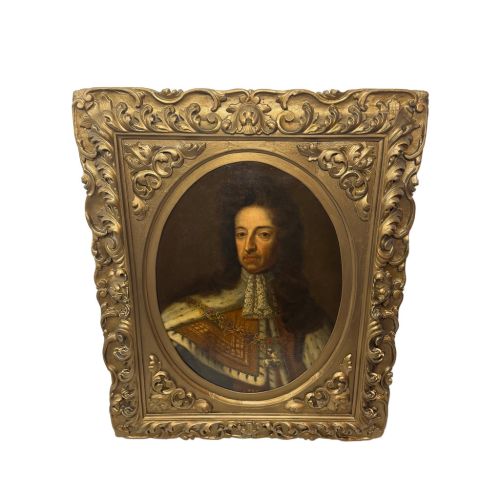
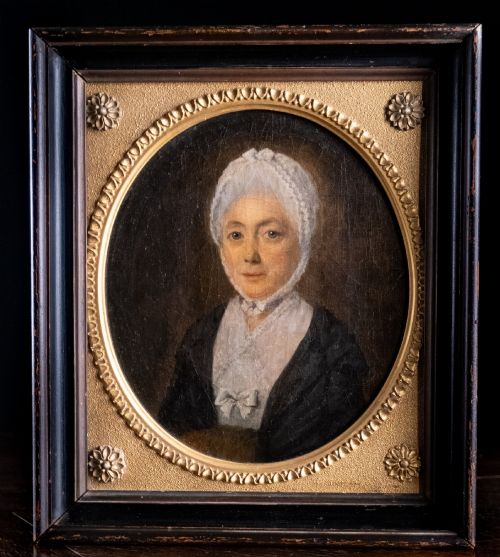
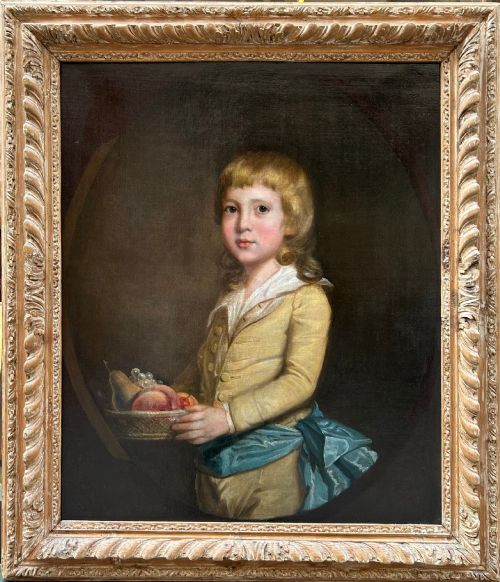
When you search for an oval wood framed portrait, you are looking at miniature paintings, pastel drawings, engravings, and oil paintings housed within curved surrounds. These pieces capture sitters from the seventeenth century through to the early twentieth century, spanning Georgian, Victorian, and Edwardian eras.
You are most likely to meet nineteenth-century portrait miniatures, eighteenth-century oils on canvas, and later prints within simple wood or giltwood frames. The subjects range from named individuals and family members to romantic scenes and historical figures.
The physical form of an oval wood framed portrait relies on the harmonious interplay between the curved aperture of the frame and the painted or printed subject. Wooden surrounds often feature ebonised finishes, gilding, or plain timber grains that draw the eye directly to the central likeness.
How they were made
Makers constructed these frames from timber, frequently applying giltwood, gold leaf, or ebonising to the wood to achieve specific decorative effects. Within these enclosures, artists worked in oil on canvas, oil on copper, oil on wood panel, pastel, plumbago, and watercolour on paper or ivory.
Glazing protected delicate surfaces such as paper engravings, pastels, and miniature watercolours from atmospheric damage. The frames themselves required precise woodworking techniques to bend or carve timber into continuous oval shapes without compromising structural integrity.
Oval Wood Framed Portrait Retail Price Guide 2026
Typical asking prices for oval wood framed portrait among the pieces listed under this phrase on Sellingantiques today, from the lower quarter to the upper quarter. They describe what is for sale here now, not the wider market.
One Victorian husband and wife kept their marital harmony intact by being captured as a framed miniature duo, complete with handwritten dates on the rear.
What varies in quality
The relationship between the artwork and its surround also dictates standard, as period-matching frames that retain their original gilding or ebonising hold greater integrity than later marriages of convenience. The depth of the wooden moulding and the crispness of any gesso ornamentation further distinguish standard tiers.
Thomas Beach·Cornelius Johnson·Allan Ramsay·John Taylor·Thomas Murray·Adriaen Hanneman·William Staveley·Élisabeth Louise Vigée Le Brun
The Oval Wood Framed Portrait Glossary
- Plumbago
- A delicate drawing made with graphite, taking its name from the Latin word for lead ore. These monochrome works were particularly fashionable for detailed portraiture during the seventeenth and eighteenth centuries.
- Oil on copper
- A painting technique utilising a smooth copper plate as a rigid ground instead of canvas or wood. This method allowed artists to achieve exceptional detail and a luminous quality that endures well.
- Ebonised wood
- Timber treated with chemical stains or black finishes to imitate costly ebony. This dark, formal treatment was frequently used on frames to create a striking contrast against pale portrait subjects.
- Mezzotint
- A printmaking process of the intaglio family where the artist works from dark to light by roughening the copper plate. It produces rich tonal gradations well suited to replicating painted portraits.
Oval Wood Framed Portrait: Frequently Asked Questions
How do I hang an oval wood framed portrait?
Hang these pieces at eye level where their curved format can be appreciated without competing with sharper architectural lines in the room. They sit comfortably alone as focal points or grouped alongside other framed works in a gallery arrangement.
Ensure you use sturdy picture hooks suited to the weight of the timber and glass, as older frames can be surprisingly heavy. Avoid placing them in direct sunlight to protect vulnerable pigments, pastels, and paper surfaces from fading.
Are these portraits original or reproductions?
The selection includes genuine period works ranging from seventeenth-century oils to nineteenth-century miniatures, alongside later reproductive prints from the Edwardian era. Examining the back of the frame, the medium, and any historical annotations often reveals clues about the age of the piece.
Examining the materials closely helps differentiate a hand-painted oil or watercolor from a later lithographic print or Medici print. Many listings include specific period attributions and documented histories to guide your understanding.
Can I replace the glass in these frames?
Replacing original glass is generally discouraged because old window glass often possesses subtle distortions and bubbles that contribute to the historic character of the piece. If replacement becomes necessary due to breakage, consult a specialist framer to source clear glass that respects the period aesthetic.
Original glass also helps maintain the sealed microclimate protecting delicate mediums like pastel or watercolour. Retaining original components preserves the overall integrity of the artwork.