

Georgian Monochrome Portrait
Georgian monochrome portrait works bring ink, graphite, and paper together in framed prints that record figures from past centuries.
Georgian Monochrome Portrait
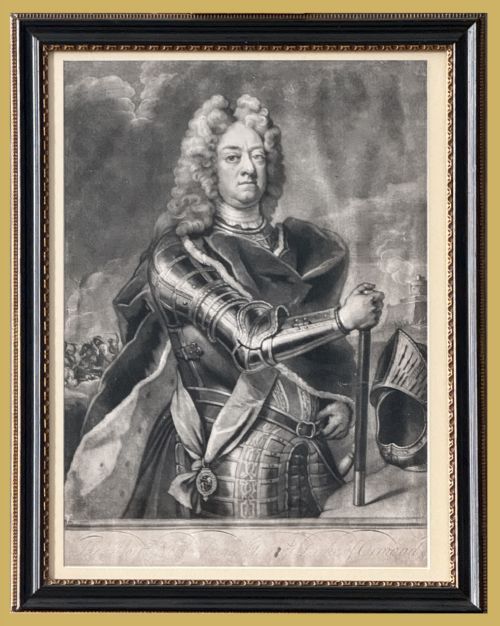
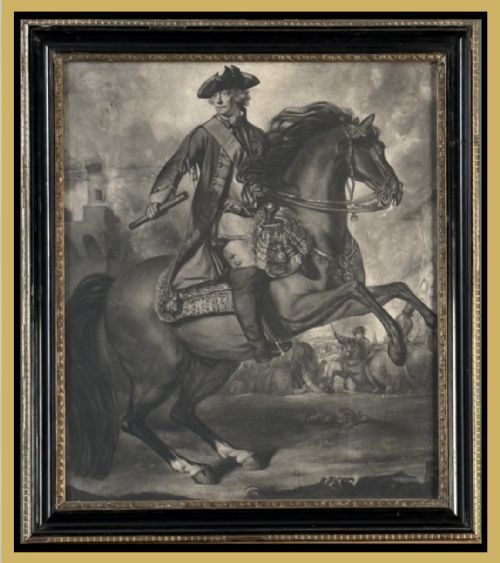
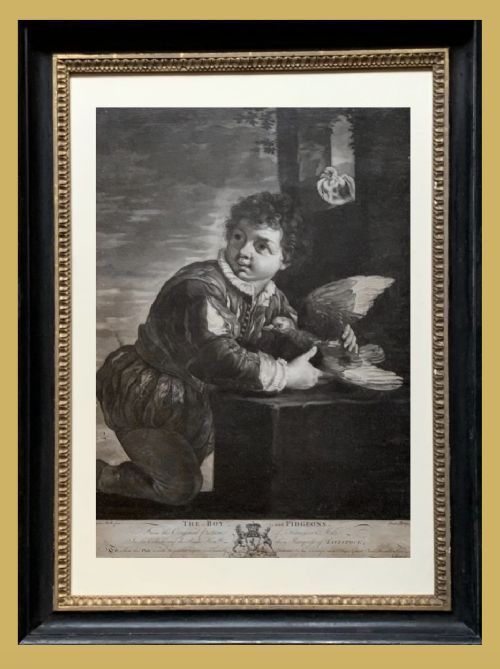
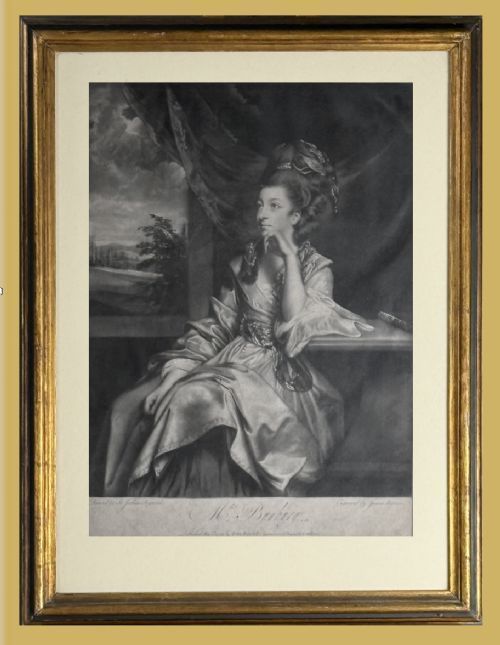
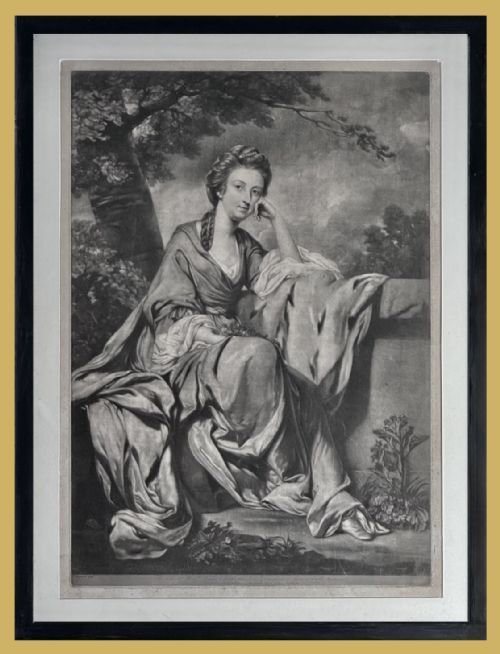
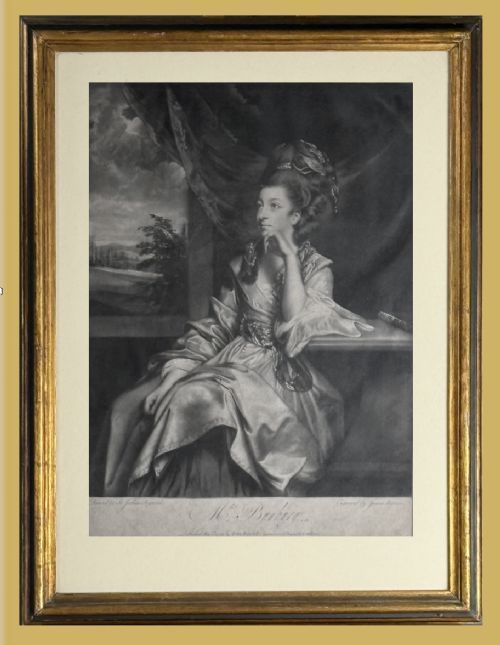
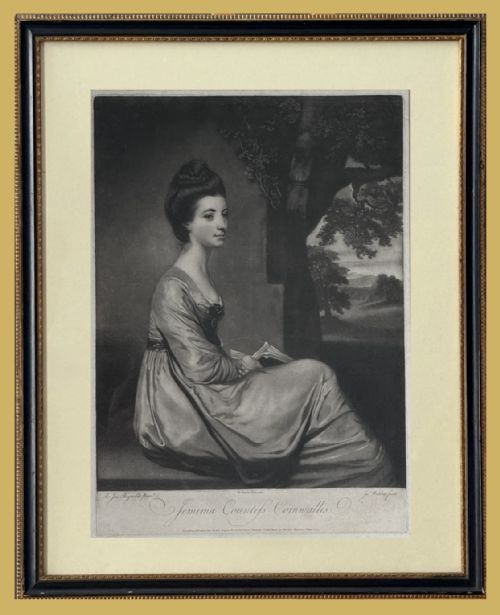
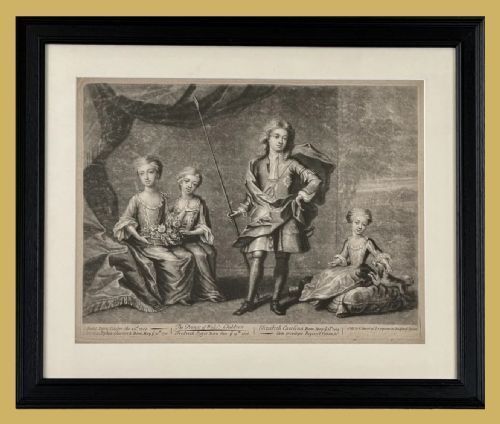
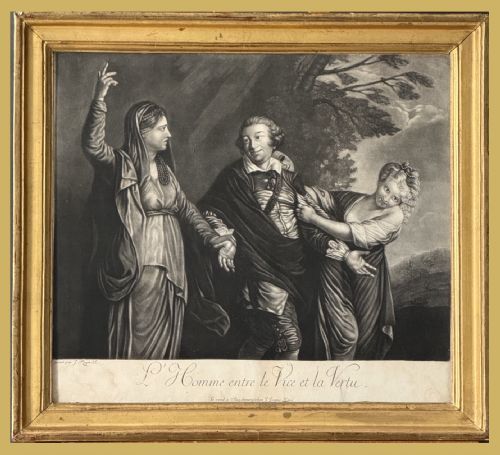
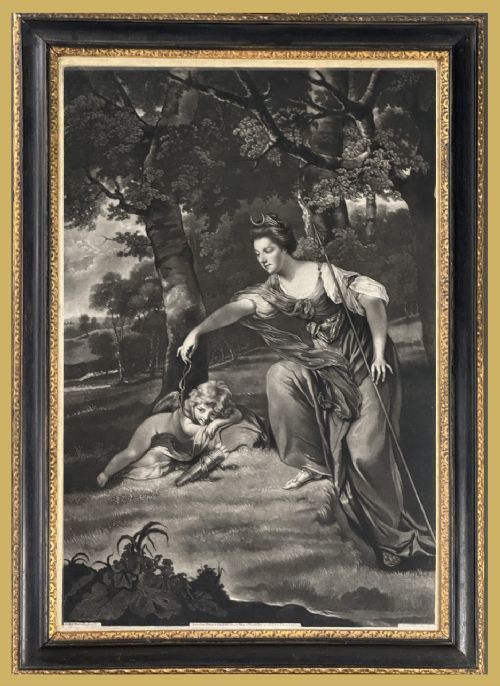
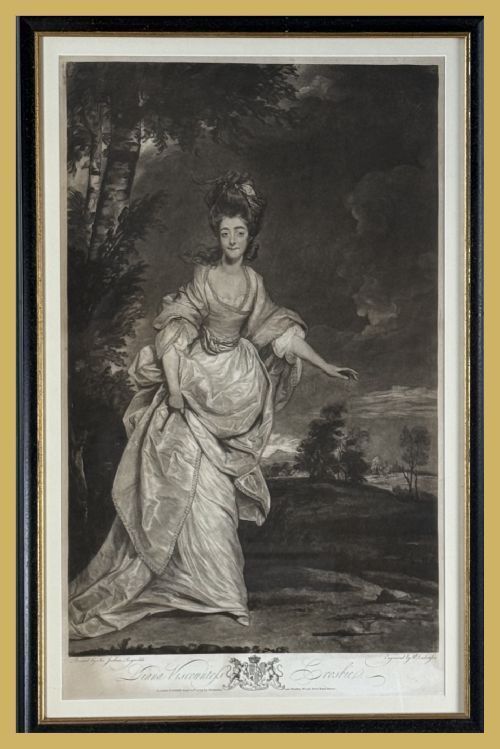
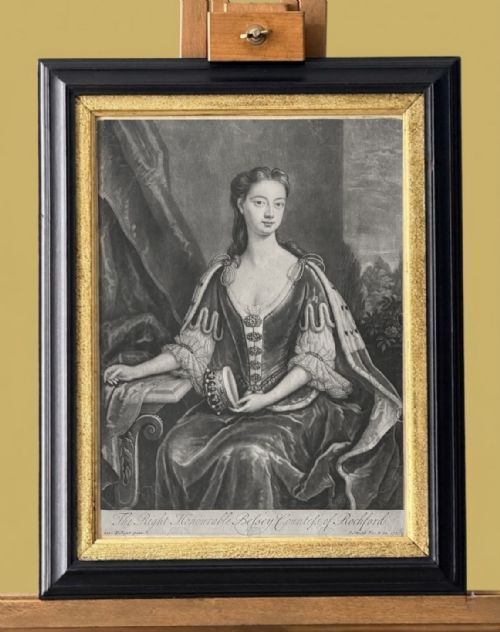
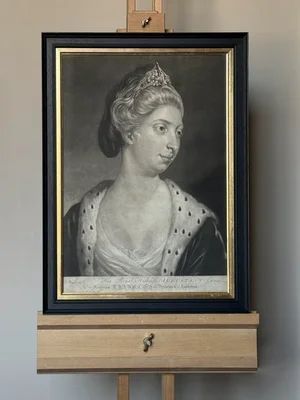
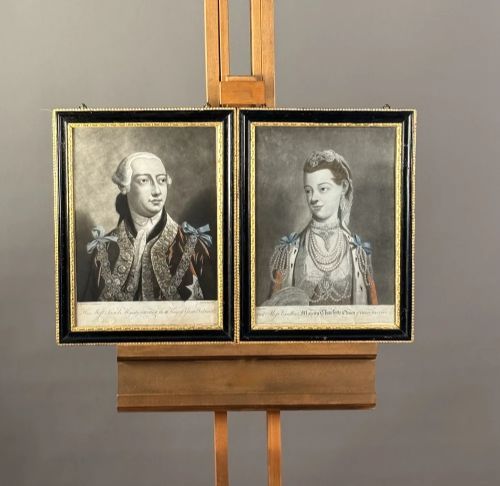
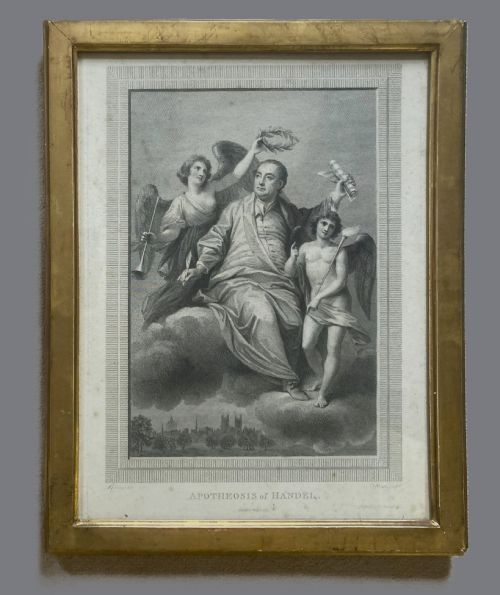
A georgian monochrome portrait gathers together framed prints, engravings, and miniature works created primarily during the eighteenth and early nineteenth centuries. These pieces display historical figures, nobility, and family groups rendered in shades of black, grey, and brown through various printmaking techniques.
Buyers encountering this selection will most frequently find mezzotints and line engravings framed under glass in wood moulding, often finished with gilt or gold leaf. The subjects span royalty, military commanders, and literary figures, capturing the likenesses recorded by painters such as Sir Joshua Reynolds and Sir Godfrey Kneller.
The assortment also includes watercolour works and plumbago drawings on paper or vellum, reflecting the broader output of artists working during the Georgian and Regency periods. These framed artworks provide a direct link to the visual culture of the seventeen and eighteen hundreds.
Materials and Printmaking Techniques
Makers utilised copper plates for mezzotints and engravings, working the surface with rockers and gravers to hold ink for transfer onto paper. Graphite and ink found application in plumbago drawings and watercolours executed directly on paper or vellum surfaces.
Framing employed wood surrounds, sometimes enhanced with gilt leaf or simple painted mouldings to protect the delicate works on paper beneath glass.
Listings feature paper and vellum supports housed beneath glass within wood frames, spanning the eighteenth and nineteenth centuries.
Distinctions in Print Quality and Preservation
The clarity of the impression on the paper separates early strikes from later printings, as copper plates wore down over repeated use. Strong contrast and deep tonal range in the ink indicate a well-maintained plate pulled by a skilled printmaker.
The condition of the paper surface, the presence of original framing materials such as early glass and wood, and the sharpness of the engraved lines determine the overall standing of an individual piece.
John Simon·Edward Fisher·John Boydell·James Watson·John Smith·Thomas Frye·James Heath·John Faber Jr·Valentine Green·James Macardell·Jacobus Houbraken·Richard Houston·James Ward·John Taylor
The Georgian Monochrome Portrait Glossary
- Mezzotint
- A printmaking process where the copper plate is roughened uniformly to produce rich dark tones, then scraped and burnished to create lighter areas. This technique allowed printmakers to achieve subtle gradations of light and shade.
- Plumbago
- A drawing executed in graphite, taking its name from the Latin word for lead ore. These detailed miniature portraits gained popularity for their precision.
- Engraving
- A method of cutting design lines directly into a metal plate using a sharp steel tool called a burin. The resulting incisions hold the ink for printing.
- Vellum
- A fine parchment prepared from calfskin, used as a smooth surface for detailed miniature paintings and ink drawings. It provides a durable alternative to paper.
- Gilt Wood
- Wood that has been coated with a thin layer of gold leaf or gilt powder. This finish appears frequently on the frames enclosing these works.
Georgian Monochrome Portrait: Frequently Asked Questions
What is a mezzotint?
A mezzotint is an intaglio printmaking process where the copper plate is roughened to hold ink and create deep, velvety tones.
Printers scrape and burnish the surface to produce lighter areas, allowing for smooth tonal transitions.
How are these portraits framed?
These works typically sit in wood frames under glass to protect the fragile paper or vellum surfaces from atmospheric moisture and dust.
Many retain period mouldings finished with gold leaf or simple dark paint.
Who are the subjects shown?
The subjects include British royalty, military commanders, aristocracy, and notable literary figures of the seventeenth and eighteenth centuries.
Artists originally painted these individuals in oils before printmakers translated the likenesses into monochrome editions.
What is a plumbago drawing?
A plumbago is a highly detailed portrait drawn in graphite on paper or vellum, emerging as a distinct art form in the seventeenth and eighteenth centuries.
These delicate works rely entirely on fine pencil shading rather than ink or colour.