


Antique Portrait in Oval Frame
When you search for an antique portrait in oval frame, you meet centuries of faces preserved in oil, watercolour, pastel, and silhouette.
Antique Portrait in Oval Frame
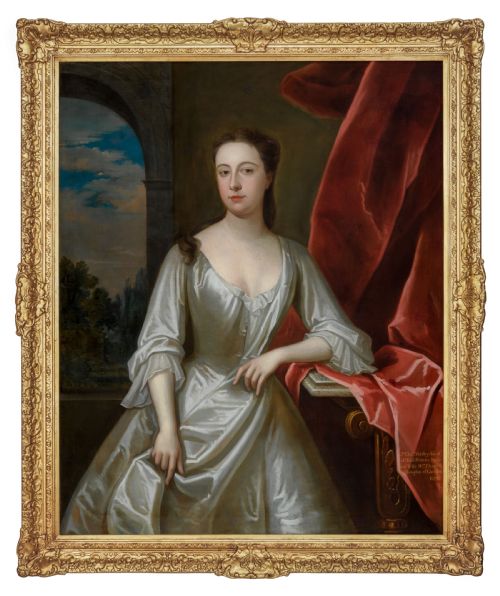
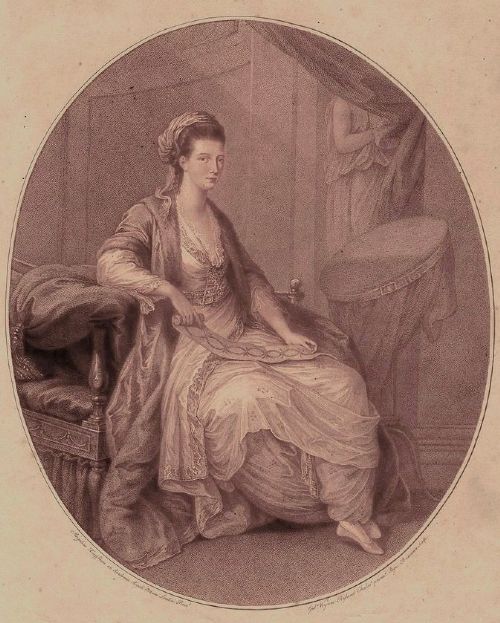
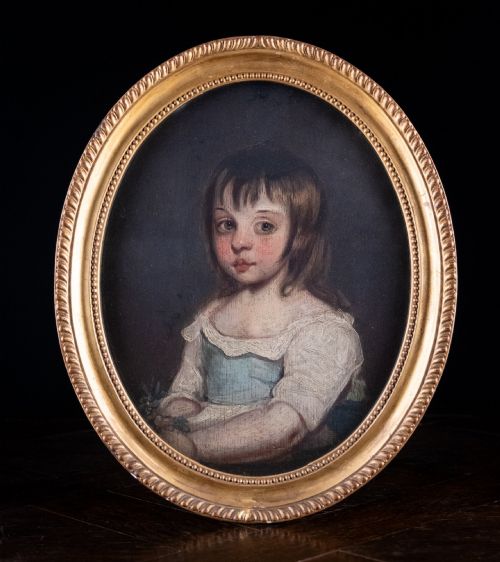
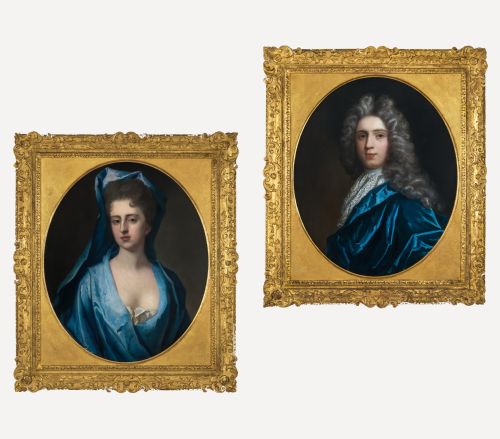
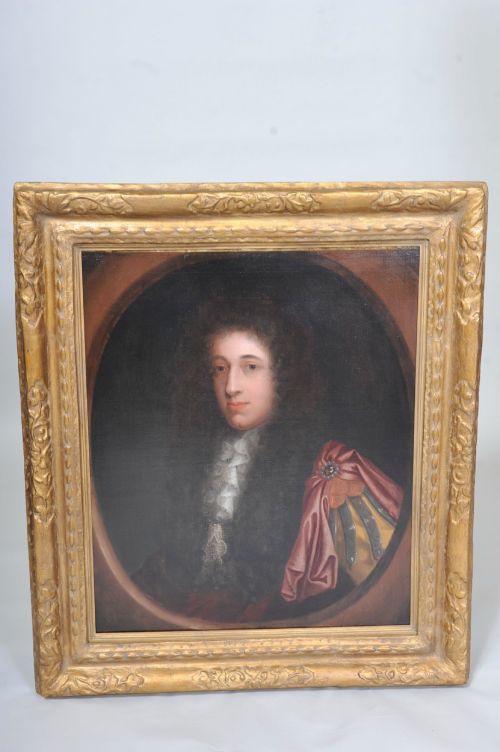
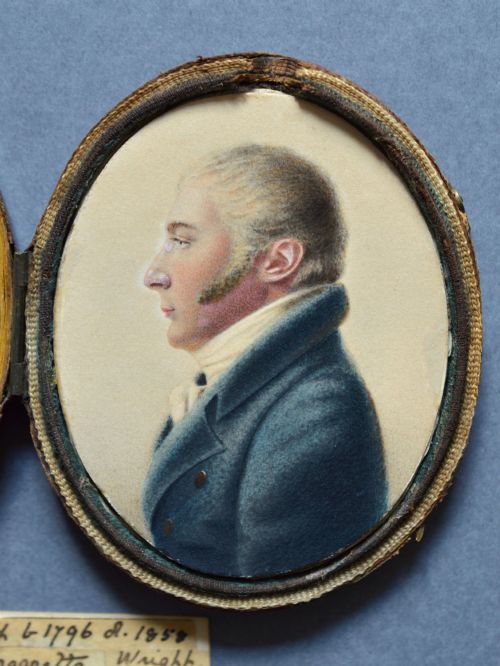
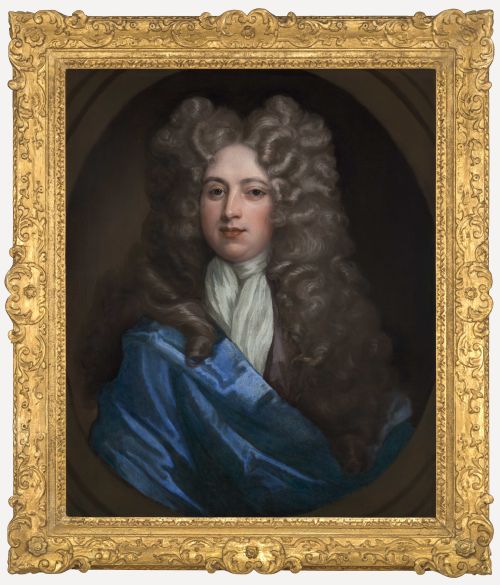
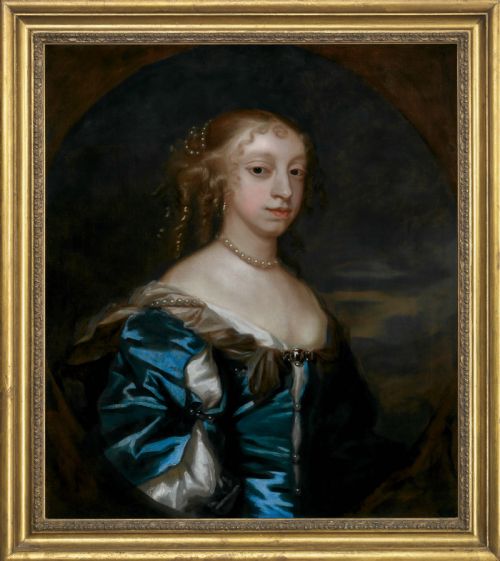
An antique portrait in oval frame presents likenesses spanning the seventeenth, eighteenth, and nineteenth centuries, executed across media such as oil on canvas, paper, and wood panel. The curved boundary of the frame draws the eye immediately toward the subject's face, a convention popularised during the Baroque and Regency periods.
The selection on this page ranges from large oil paintings attributed to seventeenth-century European schools down to intimate silhouette miniatures and pastel drawings. Many pieces retain their original period frames, constructed from giltwood, bronze, or carved wood.
Subjects include nobility, clergymen, named gentlewomen, and unidentified sitters whose identities are preserved through inscriptions or historical attribution. These works reflect the shifting portraiture styles of British and continental European artists across successive centuries.
Materials and Techniques
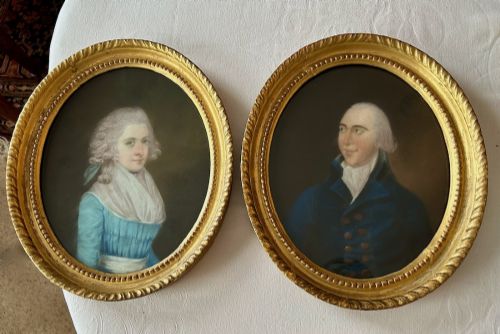
Oil on canvas and oil on wood panel form the foundation of the larger painted works, utilising traditional pigments applied by hand. Watercolour, pastel, and stipple engraving appear frequently in smaller portrait miniatures and works on paper.
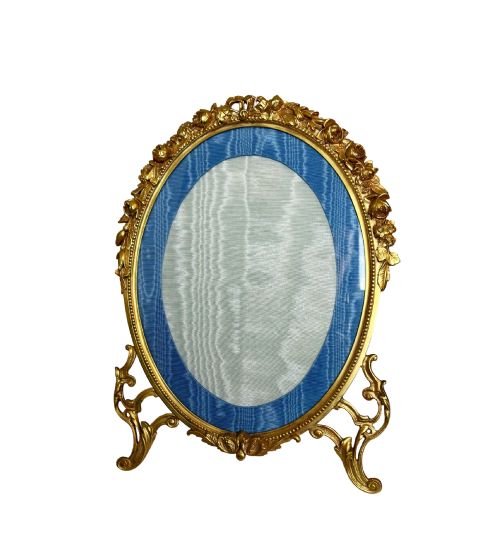
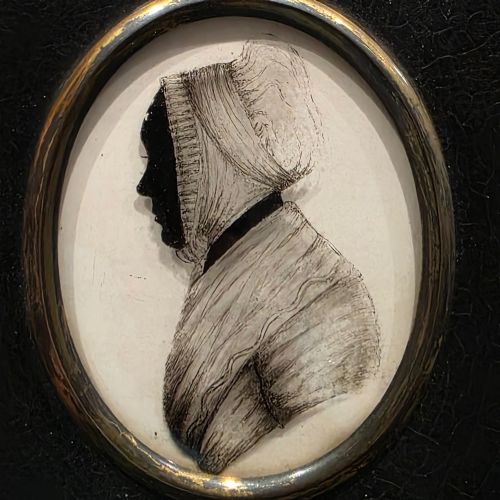
Frames are constructed from wood and finished with gold leaf, gilt bronze, or ormolu. Reverse-painted silhouettes and enamel portraits demonstrate specialised techniques developed to achieve fine detail within miniature formats.
Several sitters peer out wearing elaborate periwigs, reminding us that eighteenth-century hair required serious architectural commitment.
Indicators of Quality
The finesse of the brushwork and the psychological depth of the sitter's expression distinguish accomplished works from standard studio output. Master painters capture light on fabric and skin with a precision that lesser hands miss.
The integrity of the mounting matters greatly; a portrait retaining its original contemporary oval frame holds higher historical interest than one paired with a later replacement. The condition of the underlying canvas, paper, or panel also governs the piece's preservation.
Sir Godfrey Kneller·Michael Dahl·Thomas Murray·James Sharples·Henry Bone·Richard Cosway·John Russell·William Staveley
The Antique Portrait in Oval Frame Glossary
- Oval frame
- A curved housing specifically shaped to enclose rectangular or circular compositions within a rounded perimeter. These are often carved from wood and gilded.
- Portrait miniature
- A small, highly detailed painting, watercolour, or enamel executed on ivory, vellum, or card. They were frequently designed to be worn or kept in travel cases.
- Silhouette
- A profile portrait filled in with a solid dark colour, typically black, against a pale background. Some examples feature delicate highlights in gold leaf.
- Stipple engraving
- A printmaking technique where an image is created using a multitude of tiny dots rather than continuous lines. It allows for subtle gradations of tone.
- Giltwood
- Wood that has been treated with a thin layer of gold leaf or gesso and gold paint. It is commonly found on frames from the Georgian and Regency eras.
Antique Portrait in Oval Frame: Frequently Asked Questions
How are antique oval portraits dated?
Dating relies upon stylistic evidence, costumes, hair styles, and occasionally inscriptions or documentation left on the reverse of the canvas or frame. Costumes and periwigs offer particularly reliable clues for seventeenth and eighteenth-century pieces.
Experts also examine the construction methods of the frame and the stretcher bars behind the canvas. Subtle shifts in framing technique across the Georgian and Victorian eras help narrow down the period of manufacture.
Did oval frames always belong to these portraits?
Many portraits were conceived specifically for oval apertures, matching the curvature of the stretcher or board from the outset. Artists during the Baroque and Regency periods frequently composed their subjects to fit within rounded borders.
Some rectangular works were later cut down or placed behind oval mats within larger frames. Inspecting the edges of the canvas reveals whether the composition was originally painted to an oval format.
What is the difference between an oil painting and a miniature?
Oil paintings are typically executed on canvas or wood panels using fluid pigments that allow for blended tones and larger scales. Portrait miniatures are executed on a much smaller scale using watercolour, enamel, or gouache on specialised surfaces.
Miniatures were intended for intimate, personal viewing rather than public display on a large wall. They often feature protective glass covers and delicate metal bezels.
How should I care for an antique framed portrait?
These works require stable environmental conditions away from direct sunlight and excessive humidity. Ultraviolet light can fade watercolours and pastel pigments over time, while temperature swings risk cracking wooden panels.
Dusting should be performed gently with a soft, dry brush, avoiding any liquid cleaners on the canvas or gilded frame surfaces. Professional conservators should handle structural repairs to canvas or fragile gold leaf.