


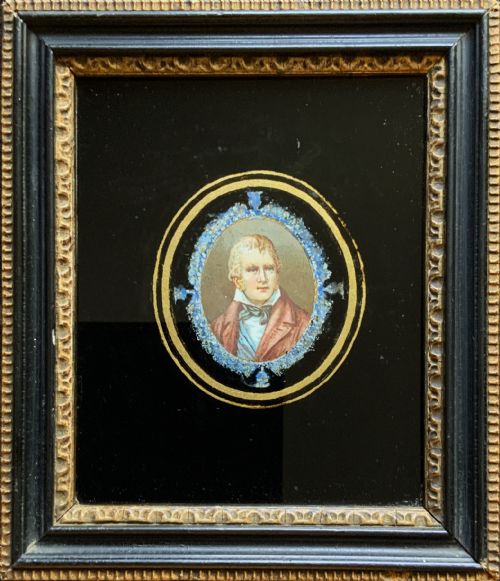

Ebonised Frame Miniature Portrait
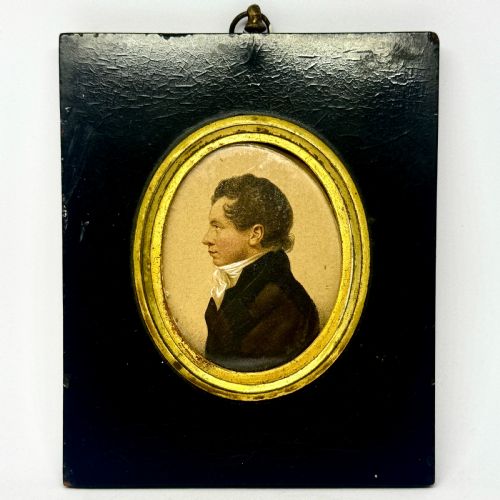
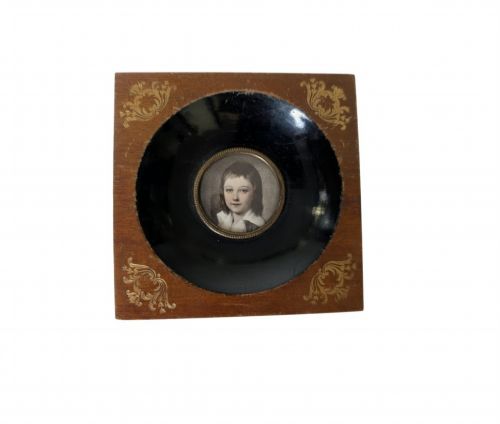
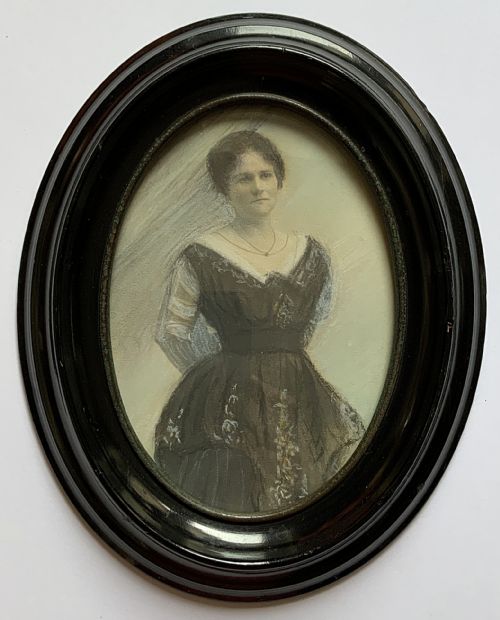
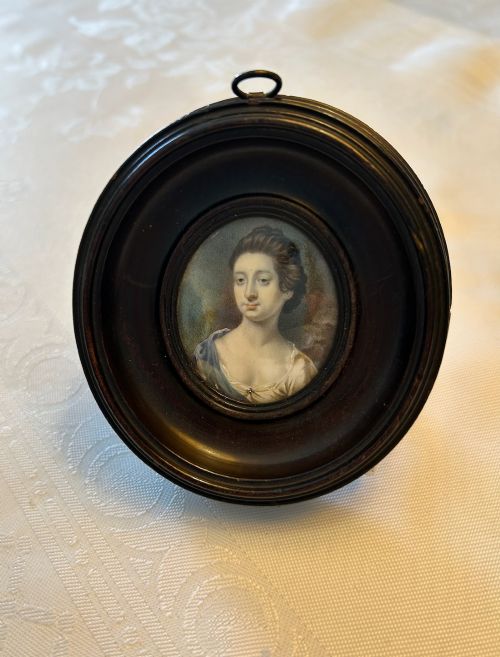
An ebonised frame miniature portrait carries the intimate likeness of an earlier era within a dark, lustrous surround.
Ebonised Frame Miniature Portrait
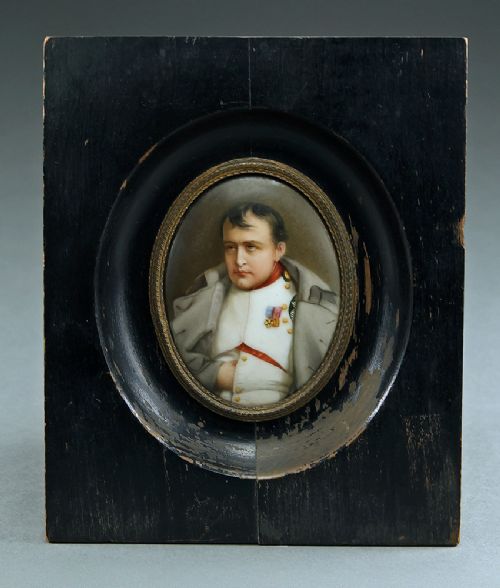
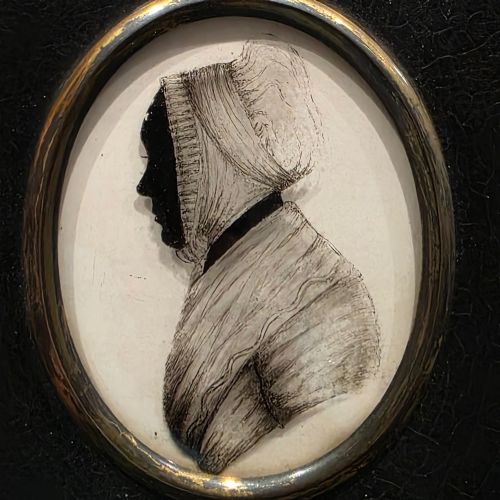
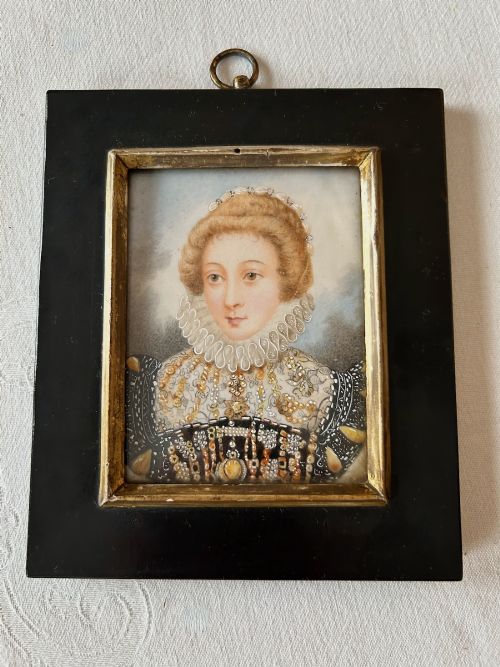
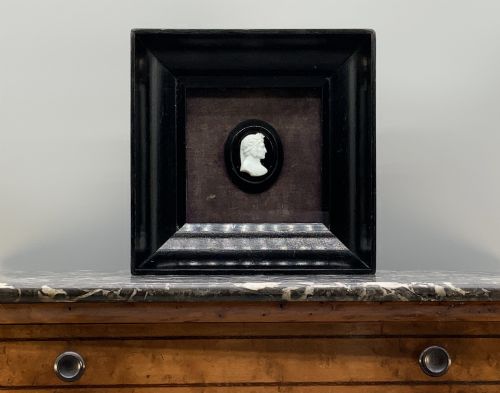
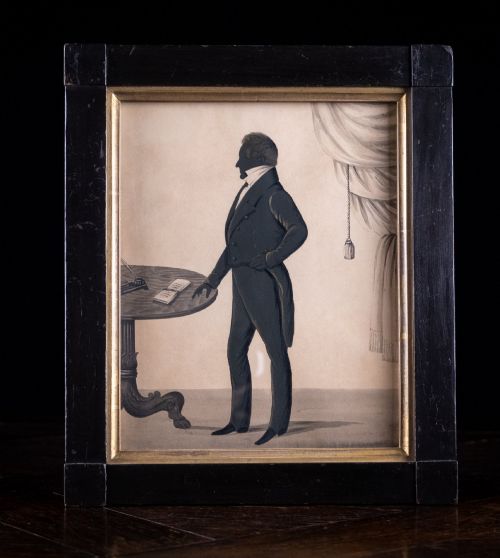
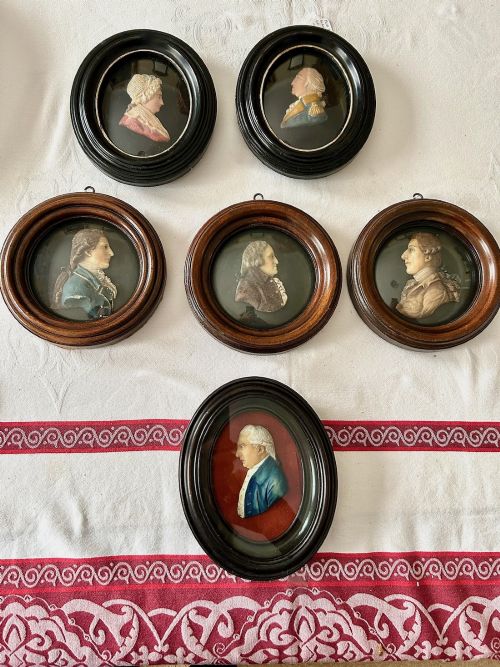
When you search for an ebonised frame miniature portrait, you encounter small-scale likenesses produced across the eighteenth, nineteenth and early twentieth centuries. These pieces encompass delicate watercolours, silhouettes on glass or paper, and carved plaques enclosed in dark wood.
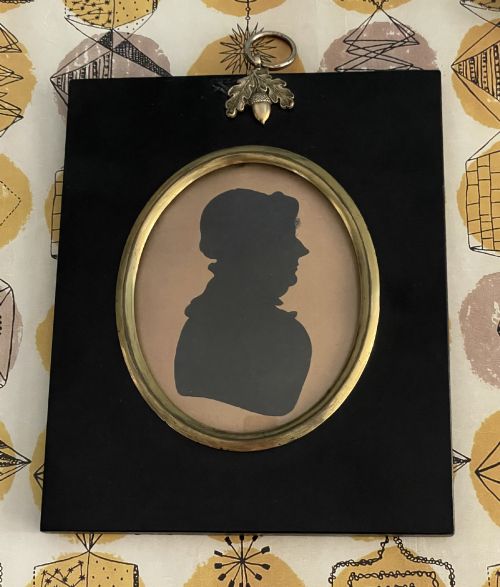
The version you are most likely to meet on this page combines a Georgian or nineteenth-century portrait study with a characteristic blackened timber moulding. Such items frequently present profile silhouettes or painted subjects in oval formats.
Originating from British and continental schools, these works capture sitters ranging from named dignitaries to anonymous children. The dark timber surround provides a stark border that isolates the subject and focuses the eye entirely upon the painted or cut visage.
How They Were Made
The physical construction relies upon timber treated to imitate expensive ebony, paired with protective glass and backing materials. Watercolour, plumbago, and reverse painting on glass form the primary mediums applied to paper, card, ivory, or chalk.
Frames are turned or jointed from wood, often finished with a dark stain or polish to achieve a uniform black sheen. Gilt brass mounts, bezels, and leaf accents frequently accompany the dark timber to highlight the inner aperture.
Listings feature works executed in watercolour, wax, ivory, enamel, and glass across the seventeenth, eighteenth, and nineteenth centuries.
What Varies in Quality
Quality rests upon the precision of the portrait work and the integrity of the original housing. Finer examples display meticulous brushwork, crisp silhouette cutting, or sophisticated plumbago shading by recorded hands.
The harmony between the artwork and its period surround dictates desirability. Intact glass, original backing papers, and well-preserved timber mouldings elevate the standing of a piece far above items with replacement parts.
Henri Fradelle·George Atkinson·James Gillespie·John Taylor·Thomas London·John Miers·Jeremiah Steele
The Ebonised Frame Miniature Portrait Glossary
- Ebonised wood
- Timber treated with stain, paint, or chemical processes to resemble genuine ebony. This dark finish gained immense popularity during the Georgian and Victorian eras for framing works on paper.
- Plumbago
- A drawing executed in graphite, taking its name from the Latin word for lead ore. These monochrome works offer exceptional linear detail.
- Silhouette
- A solid, dark profile likeness cut from paper or painted onto a pale ground. They are frequently associated with profile artists of the eighteenth and nineteenth centuries.
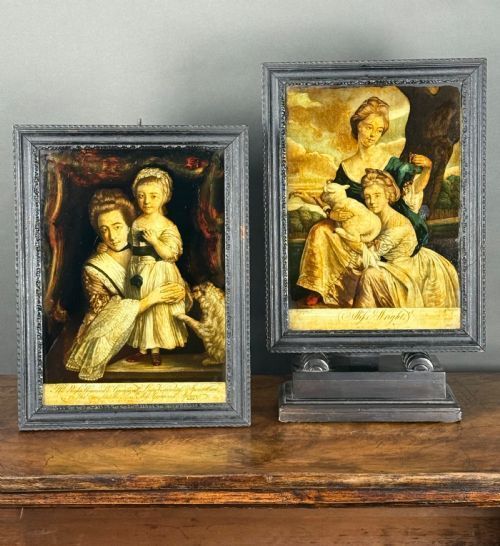
- Reverse painting on glass
- An artistic technique where the image is painted directly onto the rear surface of the glass pane and viewed from the front. This method imparts a glossy, preserved finish.
- Hogarth frame
- A specific moulding profile characterised by an ogee shape with a inner slip of gilt or brass. It remains a classic choice for framing miniatures and small prints.
Ebonised Frame Miniature Portrait: Frequently Asked Questions
What periods do these portraits cover?
The pieces span from the seventeenth century through the Georgian and Regency eras into the Victorian period and early 1900s.
Most examples originate from the late eighteenth and nineteenth centuries, reflecting the height of the miniature portrait and silhouette tradition.
What materials were used for the frames?
Frames are predominantly constructed from wood treated with an ebonised finish to create a deep black appearance.
Many incorporate brass bezels, gilt leaf accents, and glass panes to protect the delicate paper, ivory, or painted surfaces within.
Where were miniature portraits displayed?
These small works were designed to be hung closely together on domestic walls in groups or intimate arrangements.
Owners also kept them on cabinet surfaces or stored them safely in travel cases during the Grand Tour period.