


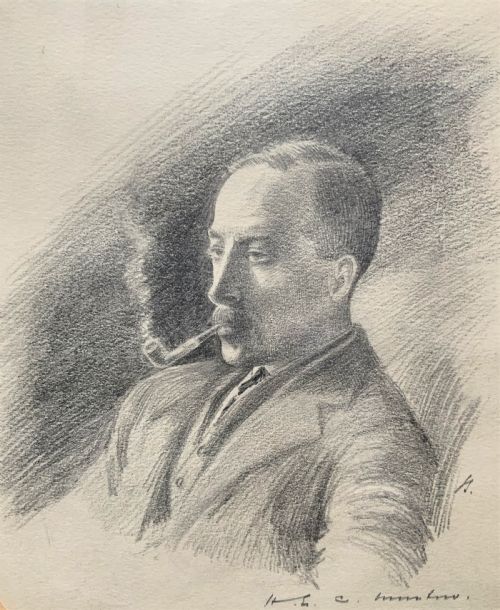
English Portrait Study
An English portrait study captures character and presence through graphite, pastel, oil on canvas, or watercolour on paper.
English Portrait Study
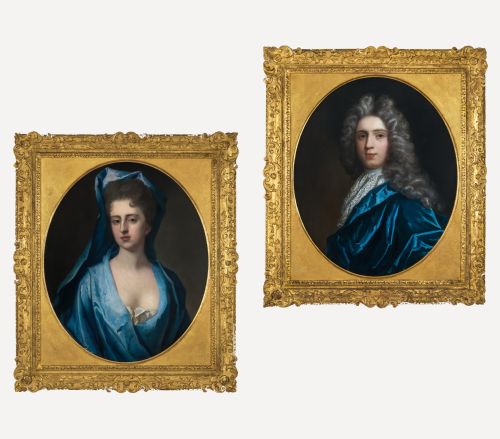
An English portrait study ranges from rapid graphite sketches on paper to finished oil on canvas paintings and framed watercolour works. These pieces capture sitters from various eras, spanning the seventeenth century through the Victorian period and into the twentieth century.
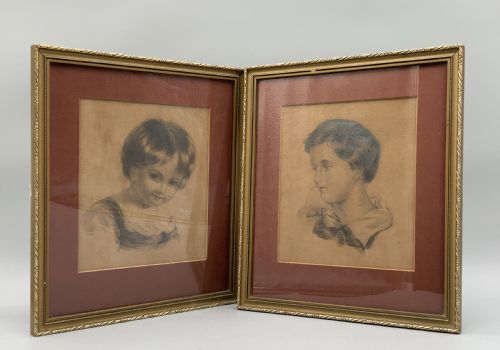
Buyers seeking an English portrait study most frequently encounter nineteenth-century examples and works attributed to the English School. These pieces appear in forms such as pencil drawings, circular oil paintings, and small watercolour studies.
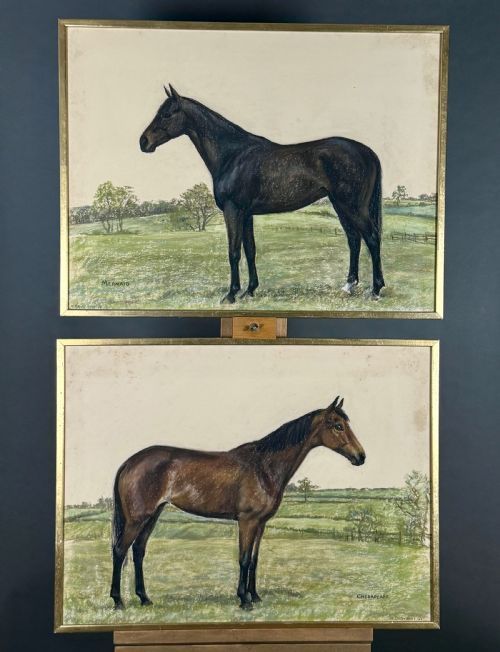
The selection includes specific character depictions, equestrian subjects, and formal likenesses rendered by named artists as well as anonymous hands. Each work reflects the prevailing artistic conventions of its respective period, from Regency elegance to Victorian romanticism.
Materials and techniques
Makers utilised traditional supports including canvas, stretched paper, card, and wood panels for these works. Graphite, monochrome ink, pastel, and watercolour provided the dry and fluid mediums for preparatory sketches and finished drawings.
Oil painters applied pigments to canvas and panel, sometimes employing gilt wood frames to finish the presentation. Watercolours frequently combined ink outlines with transparent washes of colour on paper.
Draftsmen worked in the manner of established portraitists, using pencil to establish tone, line, and expression. The handling of these materials reveals the direct, unpolished approach characteristic of working studies.
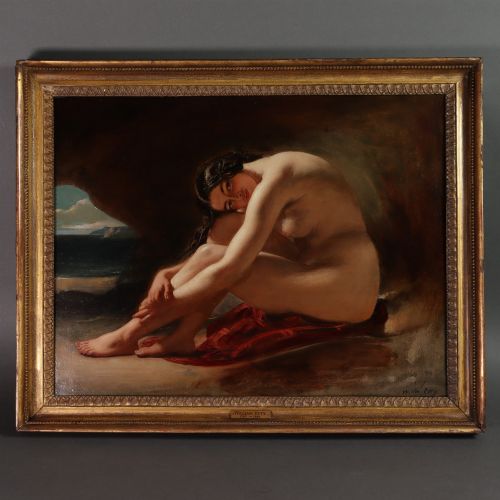
A disgruntled smoker and a sad white terrier share gallery space with aristocracy and a mermaid.
Assessing quality and execution
Quality in these works rests upon the confidence of the line and the precision of the sitter's likeness. Superior examples demonstrate a secure grasp of anatomy and expression, whether executed swiftly in pencil or carefully built up in oil.
Condition and originality play a role in the standing of a piece, especially regarding the preservation of the paper, canvas, and original framing elements. Works showing direct observation without stiffness hold greater artistic interest.
Michael Dahl·Thomas Murray·Sir Thomas Lawrence·William Etty·Frank Moss Bennett·John Hoppner·John Emms·William Henry Hunt
The English Portrait Study Glossary
- English School
- A designation applied to works created by British artists whose specific identities remain unrecorded. It groups together regional and stylistic traditions across multiple centuries.
- Portrait miniature
- A small-scale painting or drawing intended for intimate viewing. These works capture the likeness of a sitter with fine detail on materials such as card or vellum.
- Pastel on paper
- A medium utilising dry pigment sticks applied to a paper support. It permits rapid blending of tone and colour, favoured for studies and sketches.
- Monochrome ink
- An application of a single-colour fluid medium, often combined with washes. It creates stark contrast and linear definition in preparatory drawings.
- Oil on panel
- A painting executed on a prepared wooden board rather than stretched canvas. This rigid support provided a smooth surface for early portraiture.
English Portrait Study: Frequently Asked Questions
What is an English portrait study?
An English portrait study is an artwork capturing the likeness or character of a sitter by a British artist or within the British tradition. These range from quick preparatory pencil sketches to finished oil paintings.
Such pieces often served as preliminary explorations for larger formal portraits or stood as independent artistic statements of observation.
How were these portrait studies used?
Artists created these studies to capture expressions, lighting, and anatomical details before committing to major commissions. They also served as finished cabinet pieces for private domestic display.
Owners historically mounted them in parlours, studies, and private chambers within framed presentations.
How do I date a portrait study?
Dating relies upon the costume, hairstyle, and framing of the sitter, alongside the material support and handling of the medium. Clues appear in the paper type, canvas preparation, and stylistic markers of the period.
Inscriptions on the reverse or provenance records further assist in narrowing the decade of creation.
How should I display a paper study?
Works on paper require conservation-grade framing behind glass to protect against ultraviolet light and atmospheric moisture. Keeping them away from direct sunlight preserves the fugitive pigments in watercolours and pastels.
Stable indoor humidity prevents the paper support from cockling or developing foxing spots over time.