




Regency Woman Portrait
A regency woman portrait captures female elegance through oil, pastel, or watercolour across the Georgian and Regency periods.
Regency Woman Portrait
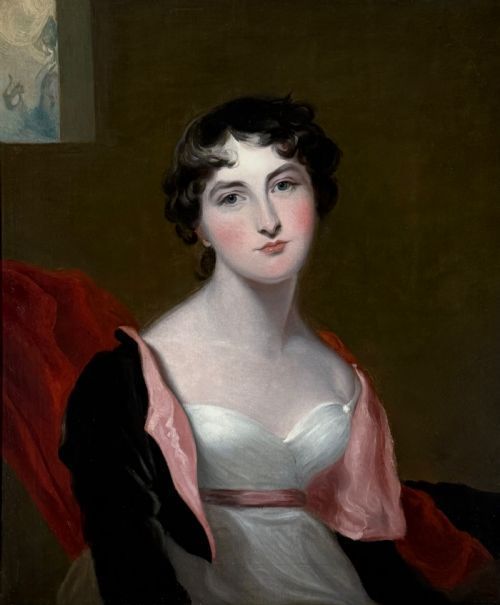
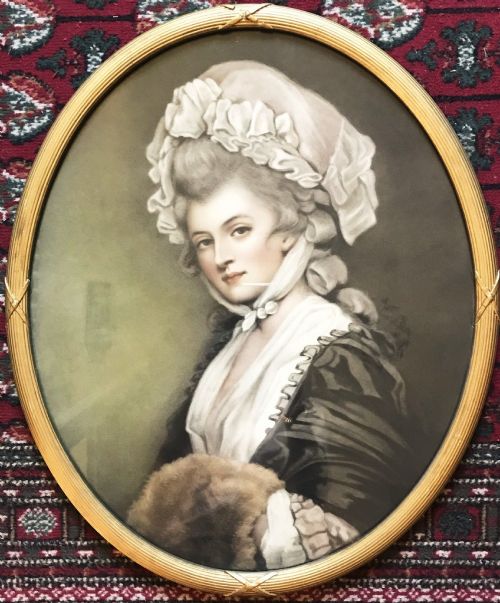
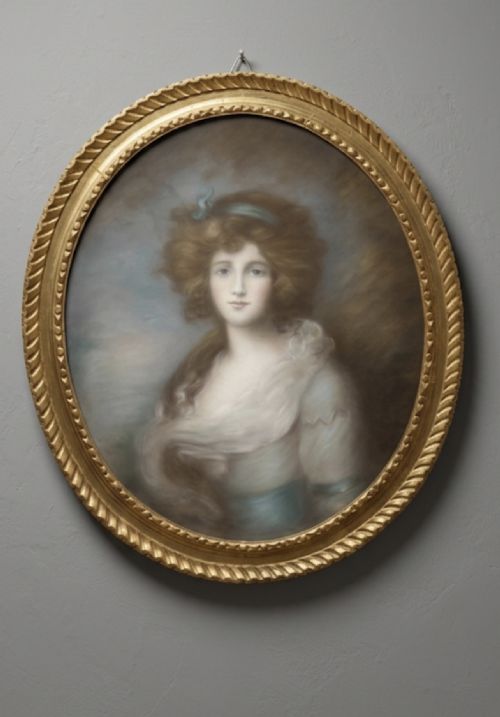
A regency woman portrait represents female subjects executed primarily during the Regency, Georgian, and wider nineteenth century. These artworks appear as full-scale oil paintings on canvas, intimate miniature watercolours, and delicate pastels housed in period frames.
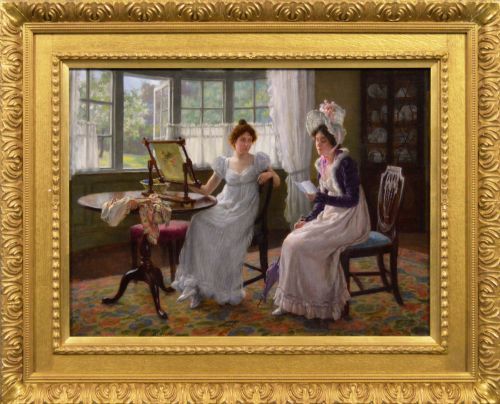
The pieces on this page span several decades, reaching from the eighteenth century into Victorian genre work. Buyers encounter large oval prints, porcelain plaques, and original works depicting named sitters and anonymous ladies alike.
English schools dominate the selection, showing subjects in elaborate bonnets, feathered hats, and white dresses with coral necklaces. Each work reflects the prevailing aesthetic codes of female representation during the early nineteenth century.
Materials and technique
Artists relied on oil on canvas for grander compositions, while employing pastel and gouache for softer, matte finishes on paper. Miniature portraits required fine watercolour work, sometimes applied to ivory or specialised paper surfaces.
Frames play a crucial role in the physical structure of these works, utilising giltwood and original maple to house the paintings. Glass protection is common for works on paper, pastels, and delicate miniatures to preserve the pigments.
Several ladies depicted wear striking feathered hats and coral necklaces, proving that nineteenth-century accessory trends demanded serious attention.
What separates the finest examples
The integrity of the original frame and the stability of the support surface heavily influence the overall standing of an artwork. Unaltered surfaces and legible historical attributions elevate certain portraits above anonymous studio productions.
Sir Thomas Lawrence P.R.A·Thomas Gainsborough·Charles Haigh Wood·Emma Kendrick·Edward Smyth·William Owen RA·George Henry Harlow
The Regency Woman Portrait Glossary
- Pastel
- A dry medium composed of powdered pigment and a binder, creating a velvety surface that requires glass protection. It was widely used for intimate portraits during the Georgian era.
- Gouache
- An opaque watercolour medium containing a white pigment filler, offering rich colour depth. Artists utilised it for detailed miniature portraits.
- Giltwood
- Carved wood treated with gold leaf or gilding powder, commonly forming the decorative frames of nineteenth-century oil paintings.
- Miniature portrait
- A small-scale painting executed with immense precision on ivory, paper, or porcelain. These intimate pieces were often designed to be portable or worn.
- Provenance
- The documented history of ownership and origin associated with an artwork. It provides verifiable context for attribution and dating.
Regency Woman Portrait: Frequently Asked Questions
What materials were used?
Artists worked with oil on canvas, pastel, gouache, and watercolour. Supports range from traditional canvas to paper, ivory, and porcelain plaques.
Frames were frequently constructed from giltwood or maple to complement the interior domestic spaces of the period.
How do I date a portrait?
Dating relies on costume cues such as bonnet styles, waistlines, and hairstyles, alongside framing materials and artist signatures. Clothing changes provide reliable chronological markers.
Most pieces on this page cluster around the early nineteenth century and the Regency era.
Are these works original?
The selection includes original period oil paintings, pastels, and watercolours created during the eighteenth and nineteenth centuries. Some entries also comprise period print reproductions after earlier works.
Examining the medium and support helps determine whether a piece is a unique hand-painted study.
How should I display them?
Works on paper, pastels, and watercolours require placement away from direct sunlight to prevent fading of delicate pigments. Maintaining stable indoor humidity protects both the canvas and the antique frames.
Hanging them at eye level in traditional or contemporary reception rooms highlights their original decorative function.