




Outdoor Cast Iron Scraper
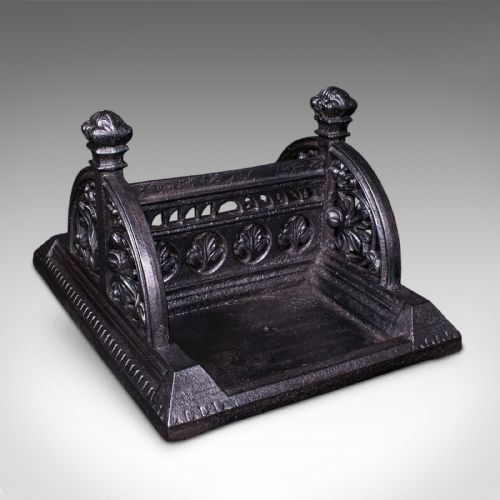
These outdoor cast iron scraper pieces are sturdy threshold sentinels designed to clear heavy mud from muddy boots before entering the house.
Outdoor Cast Iron Scraper
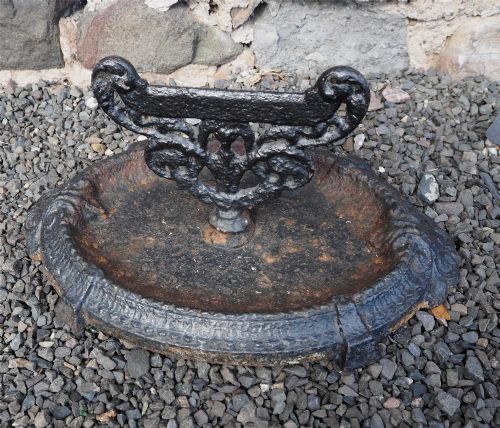
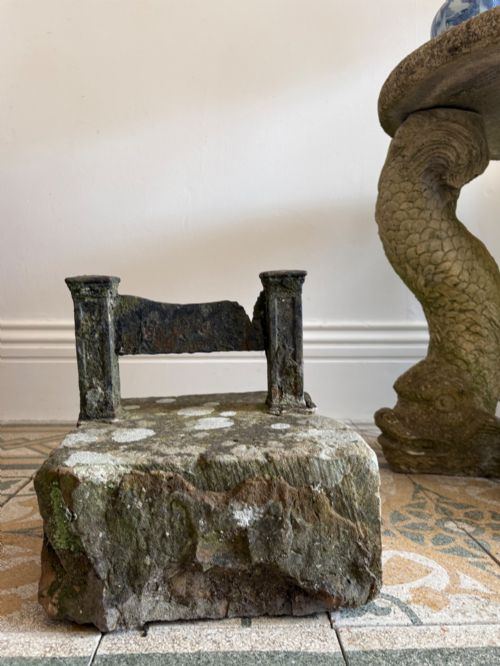
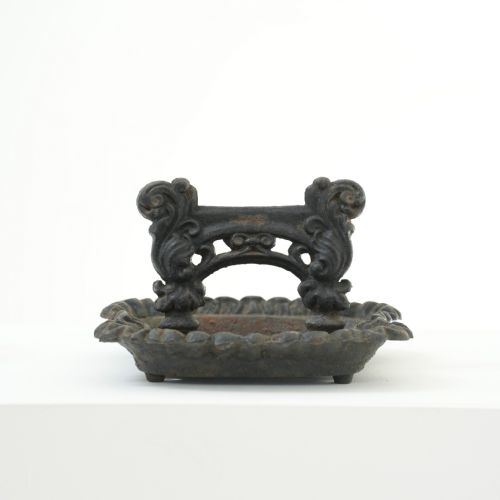
An outdoor cast iron scraper stands by a doorway to strip mud from footwear. These utilitarian objects range from simple courtyard iron blades to grand country house porch fixtures.
Most examples found here date from the Georgian and Victorian periods, often taking the form of a freestanding block or a doorstep inset.
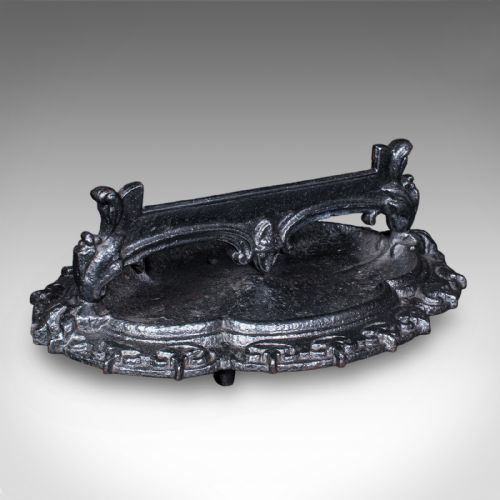
Makers fashioned these items for townhouses and country estates alike, combining a robust cleaning blade with an integrated shoe pull for high boots.
How they were made
Foundry workers poured molten metal into sand moulds to create the rigid cast iron frames and blades. This method allowed for crisp decorative details in revival styles.
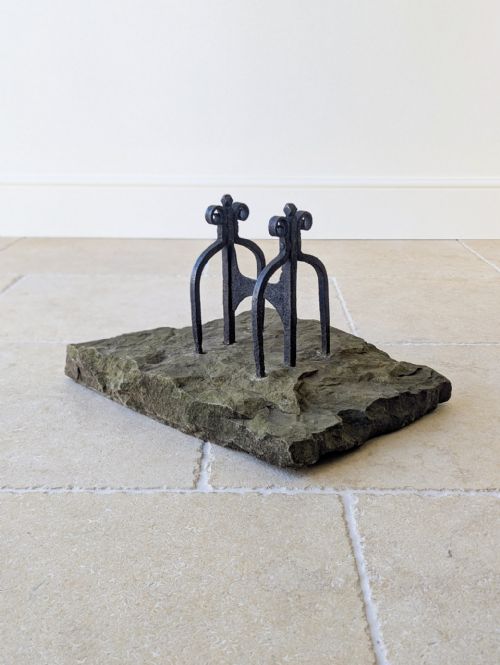
Many heavy pieces are firmly anchored into hewn stone or Yorkstone blocks for stability. Wrought iron elements appear alongside cast components to provide structural support.
Outdoor Cast Iron Scraper Retail Price Guide 2026
Typical asking prices for outdoor cast iron scraper among the pieces listed under this phrase on Sellingantiques today, from the lower quarter to the upper quarter. They describe what is for sale here now, not the wider market.
Some Victorian house guests must have hopped precariously on one foot while wrestling stuck boots through the attached shoe pull.
What varies in quality
The weight and thickness of the casting determine the durability and presence of the piece. Substantial country house examples show a far heavier gauge of metal than small town varieties.
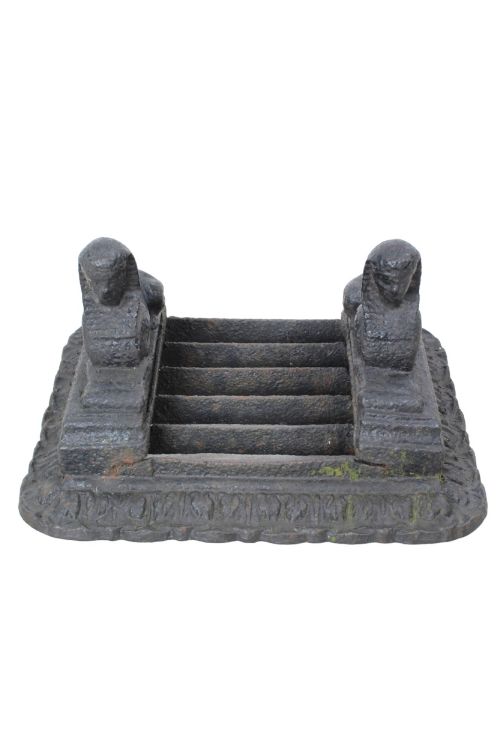
Design ambition separates basic utility from high craftsmanship. Elaborate Gothic revival or Egyptian revival motifs elevate a simple threshold tool into architectural ornament.
Coalbrookdale
The Outdoor Cast Iron Scraper Glossary
- Boot Scraper
- A metal blade mounted near a doorway specifically for scraping soil off the soles of boots. They sit either freestanding or built into masonry.
- Shoe Pull
- An upward hook or loop attached to the scraper frame designed to help a person yank off tight riding boots. It forms an integral part of many entrance designs.
- Yorkstone
- A tough, fine-grained sandstone quarried in Yorkshire, frequently used as the heavy mounting block for sturdy outdoor scrapers. Its density anchors the metal blade firmly against pressure.
- Gothic Revival
- An architectural and decorative style drawing inspiration from medieval forms. Scrapers in this aesthetic feature pointed arches and heavy ecclesiastical motifs.
Outdoor Cast Iron Scraper: Frequently Asked Questions
Where were they originally placed?
These scrapers stood immediately outside front doors, side entrances, and porch steps of domestic properties. Households relied on them to stop dirt from reaching interior flagstones and carpets.
Positioning depended on the layout of the threshold, with some built directly into stone steps and others anchored beside the path.
How do I clean an outdoor scraper?
Maintenance involves removing accumulated dirt with a stiff brush and applying a protective wax or oil coat. This prevents moisture from causing surface oxidation on the metal.
Avoid harsh chemical treatments that strip away historical patination built up over decades of exposure.
Can I use mine outdoors today?
These robust iron objects are built to withstand external elements and function outdoors indefinitely. Placing them by a modern doorway revives their original purpose.
Ensure stone bases rest on a level surface to prevent rocking under heavy foot pressure.
How do I date a cast iron scraper?
Dating relies on stylistic clues such as Gothic or Egyptian revival motifs popular during the nineteenth century. The presence of hand-hewn Yorkstone and specific casting textures also point towards Georgian or Victorian origins.
Earlier pieces often display simpler, heavier wrought iron supports compared to later mass-produced foundry work.