



Cast Iron Door Scraper
These cast iron door scraper pieces are sturdy thresholds helpers designed to keep heavy mud outside, crafted to endure generations of foot traffic.
Cast Iron Door Scraper
A cast iron door scraper is a functional entrance fixture designed to clean mud and dirt from footwear before entry into a home. When you search for a cast iron door scraper, you encounter practical items originating from the Georgian and Victorian periods.
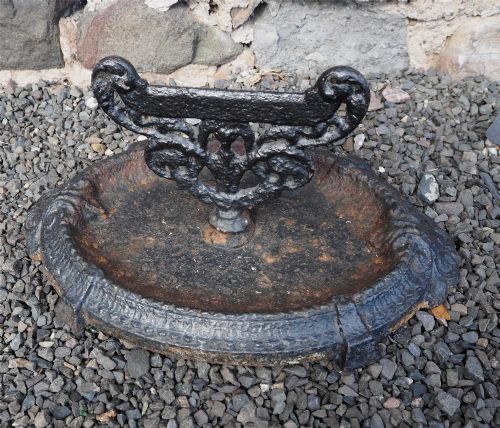
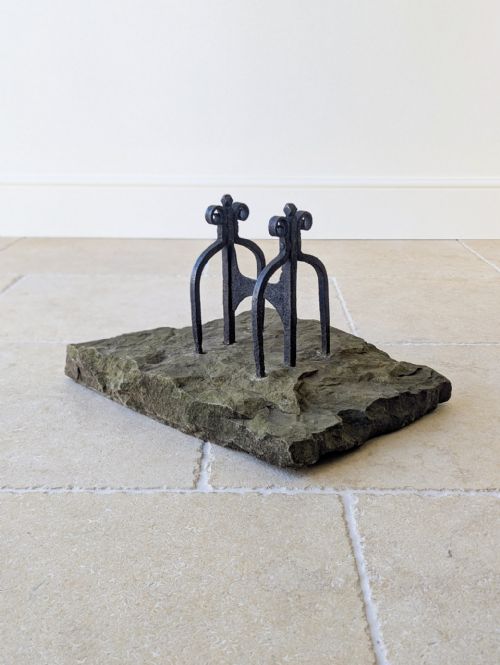
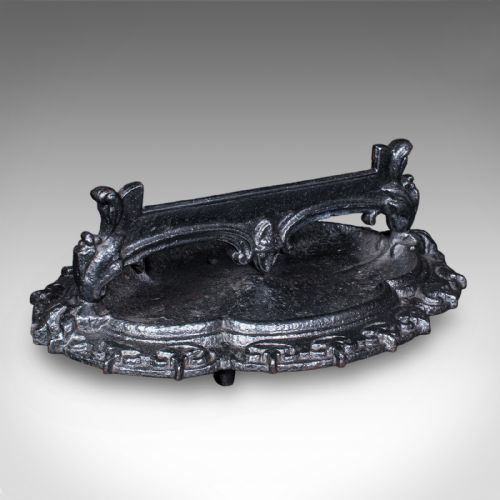
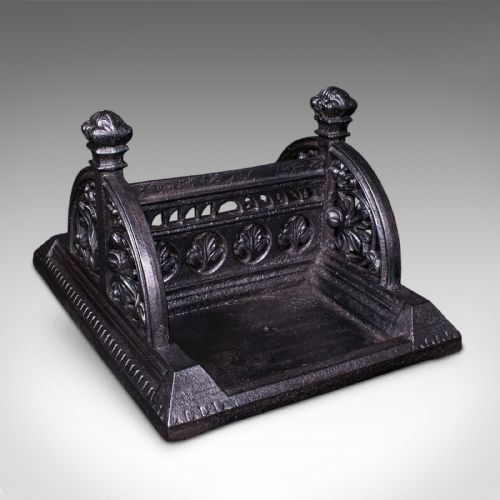
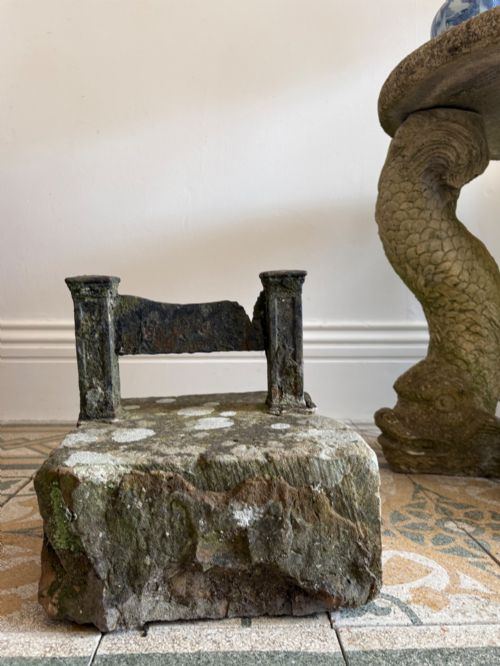
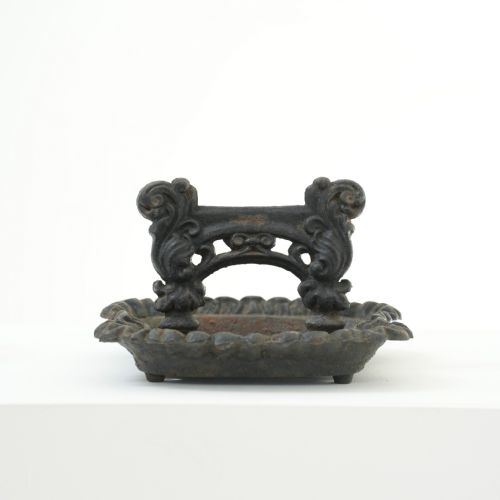
The majority of pieces seen on this page take the form of boot scrapers mounted onto stone blocks or designed for direct doorstep placement. These utilitarian objects range from simple town house models to elaborate Gothic Revival and Coalbrookdale designs.
Country house and townhouse variants dominate the selection, often incorporating shoe pulls or integrated stone bases like Yorkstone. They represent enduring elements of British domestic architecture from the nineteenth century.
Materials and construction
Makers utilised durable metal and masonry, primarily pairing cast iron and wrought iron with hewn stone or Yorkstone blocks. The metal components were shaped through traditional foundry casting and smithing techniques.
The heavy iron blades and frames were securely anchored into solid stone bases or doorstep mounts to withstand vigorous daily use. Many examples incorporate decorative motifs reflecting Victorian Gothic Revival and Georgian aesthetic preferences.
Listings feature items from the Georgian, Regency, and Victorian periods, constructed from cast iron, wrought iron, and Yorkstone.
Evaluating quality and character
Quality in a cast iron door scraper rests in the thickness of the metal casting and the integrity of the supporting stone block. Heavier country house models and pieces featuring integrated shoe pulls or ornate architectural styling command greater presence.
The distinction between standard town house examples and finer foundry work lies in the crispness of the iron detailing and the quality of the stone mounting. Well-preserved surfaces with honest weathering demonstrate the enduring utility of these entryway fixtures.
Coalbrookdale
The Cast Iron Door Scraper Glossary
- Cast Iron
- A tough, heavy iron-carbon alloy poured into moulds to create rigid forms. It forms the primary blade and frame material for these entryway fixtures.
- Wrought Iron
- Iron that has been heated and hammered by hand into shape. It provides tough, fibrous metalwork often combined with cast elements.
- Yorkstone
- A durable British sandstone quarried in Yorkshire and used extensively for paving and building. It frequently serves as the heavy mounting block for nineteenth-century scrapers.
- Gothic Revival
- An architectural and decorative style drawing inspiration from medieval forms. It appears on scrapers through pointed arches and decorative tracery.
- Shoe Pull
- An integrated metal loop or handle designed to help steady the foot while cleaning footwear. It adds both mechanical utility and distinct silhouette to the scraper.
Cast Iron Door Scraper: Frequently Asked Questions
Where were these door scrapers originally placed?
These fixtures were positioned immediately outside front doors, entrance porches, and carriage steps of townhouses and country estates.
Their primary purpose was to allow residents and visitors to remove heavy mud and soil before stepping indoors.
How do I maintain a cast iron scraper outside?
Cast iron naturally develops a surface patina when exposed to the elements, requiring minimal active maintenance.
Periodic brushing removes debris, and a protective coat of wax or blacking helps preserve the metal surface.
Can these scrapers be installed in modern gardens?
These pieces integrate easily into contemporary gardens, patios, and modern home entrances.
Their heavy stone bases allow them to rest securely on paving without permanent ground installation.
How do I distinguish Georgian from Victorian examples?
Georgian pieces often display restrained lines and simpler wrought or cast forms typical of earlier domestic architecture.
Victorian examples frequently introduce heavier ornamentation, such as Gothic Revival motifs or manufacturer attributions.