
Ornate Oval Wall Mirror
An ornate oval wall mirror brings depth and light to a room, catching the eye with elaborate frames.
What they are
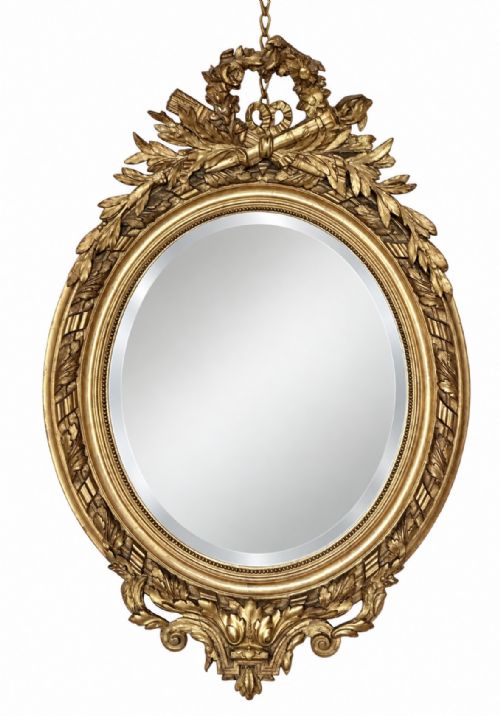
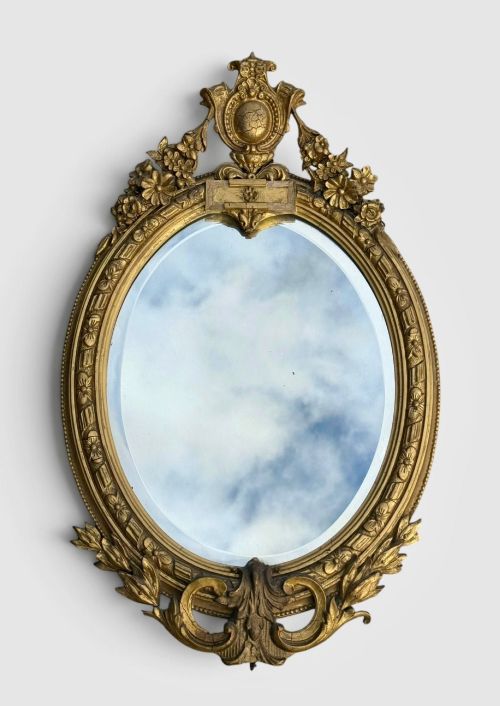
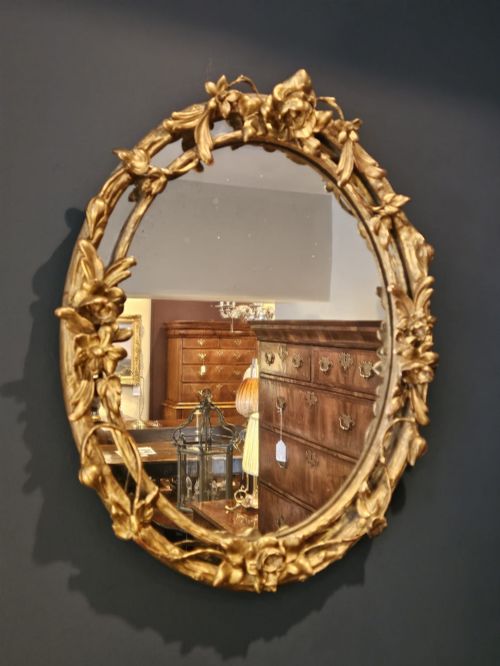
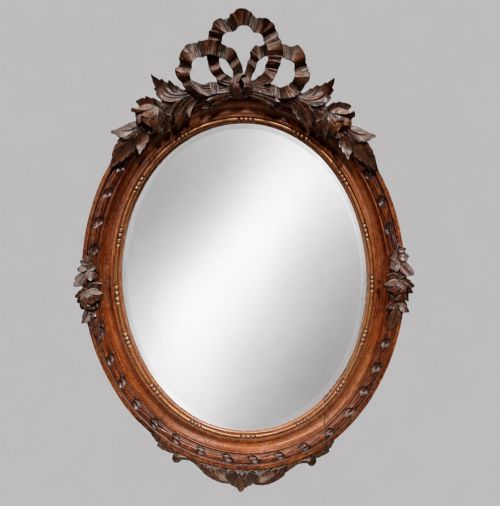
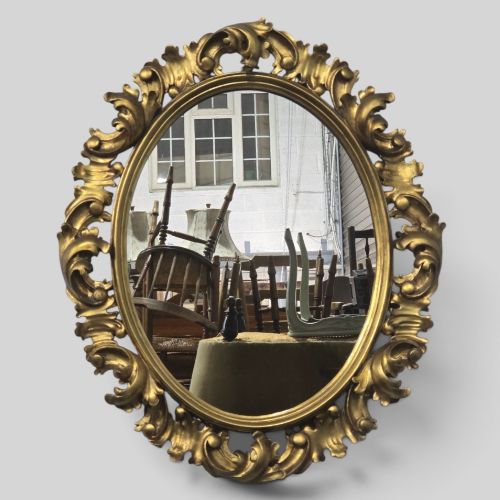
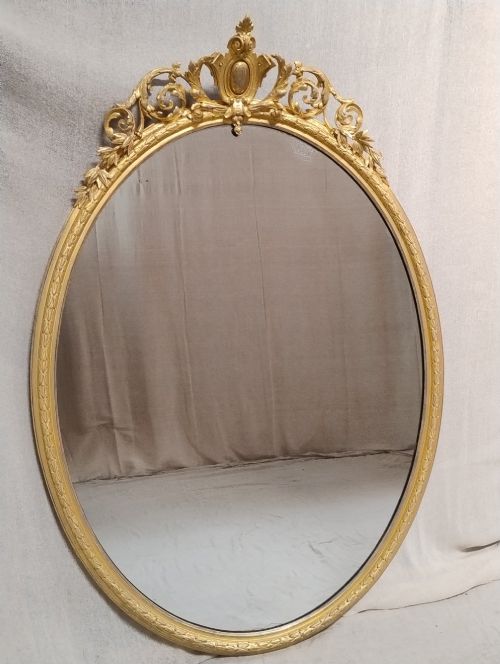
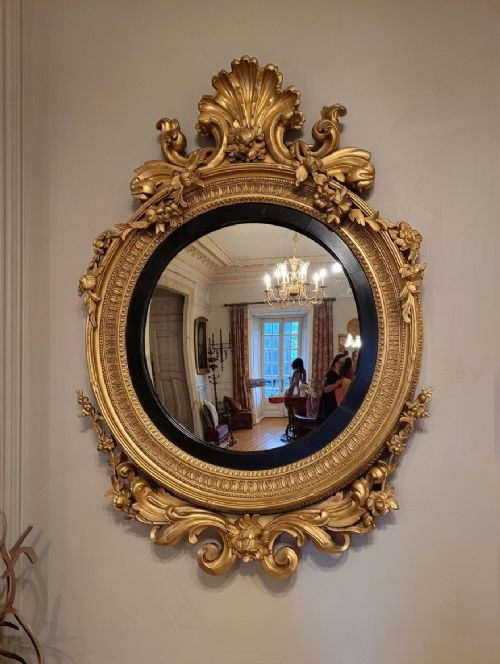
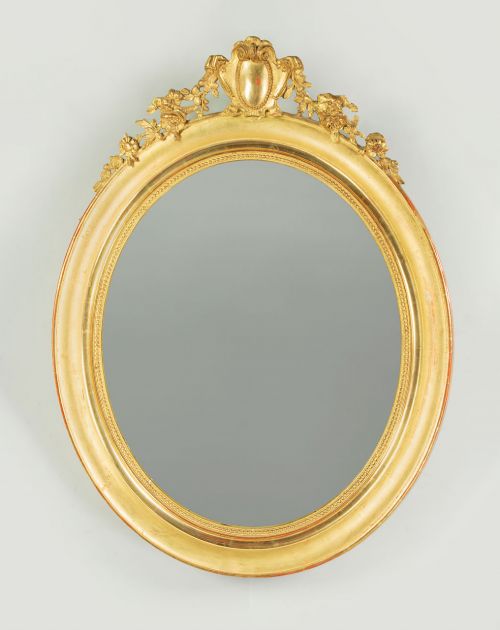
An ornate oval wall mirror appears in Victorian and early twentieth-century examples, taking the form of wall mirrors designed for hanging in reception rooms and hallways. These pieces showcase elaborate framing that defines the aesthetic of the period.
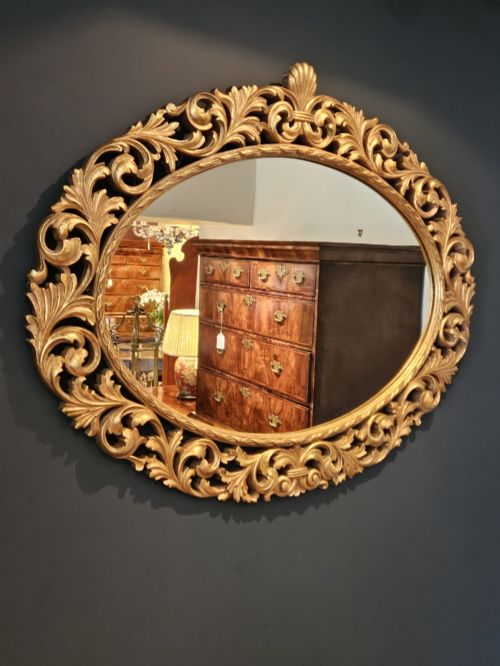
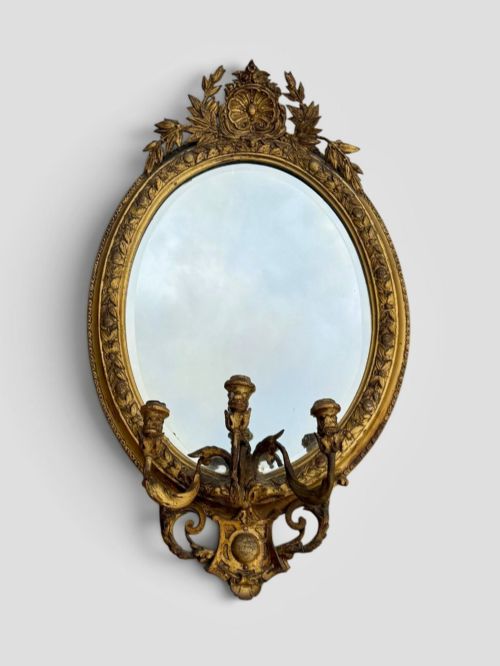
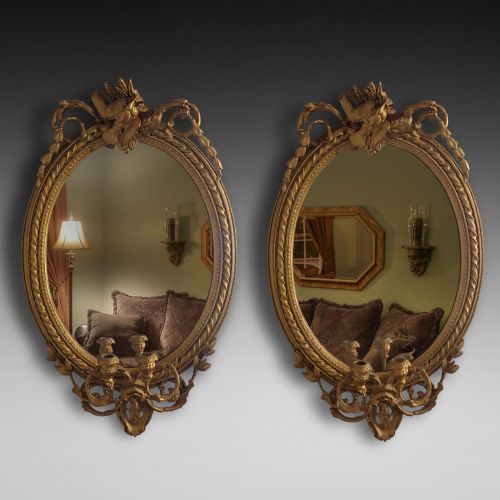
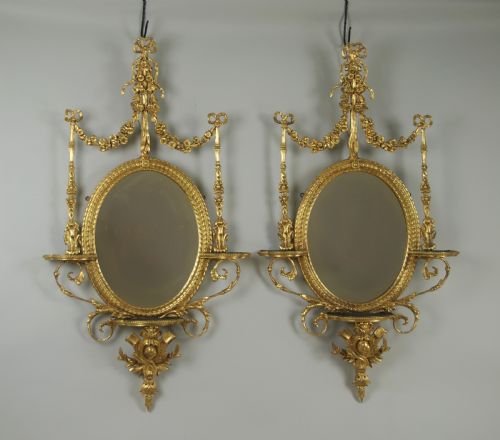
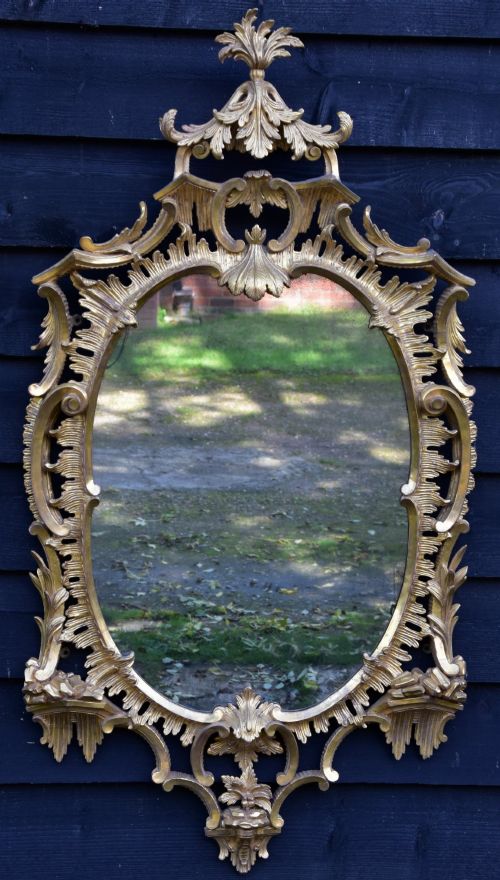
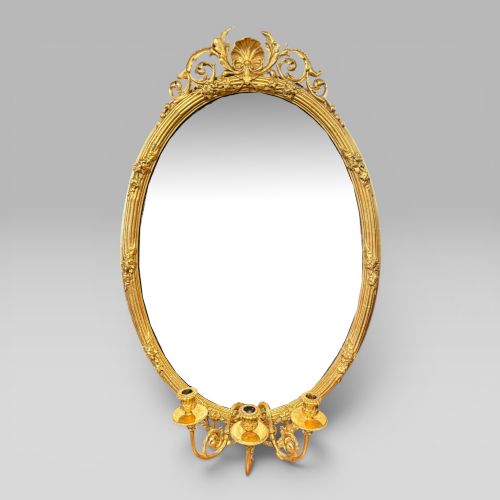
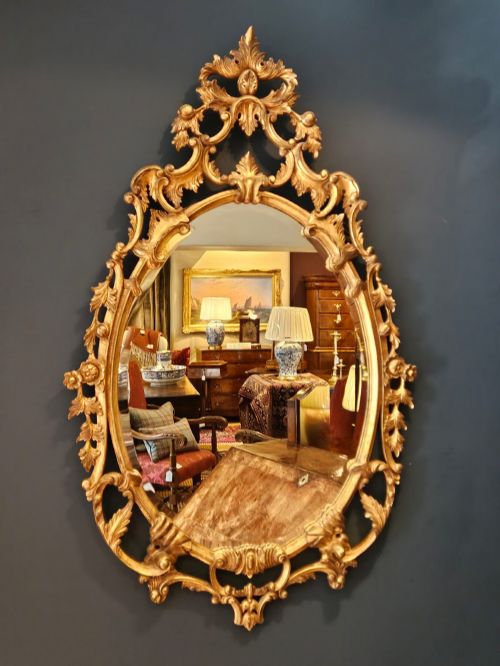
The selection ranges from large deep carved oval gilt mirrors to girandole designs and nineteenth-century gilt framed mirrors. The Rococo Revival style dominates the design vocabulary, offering exuberant curves and scrolling foliage.
How they were made
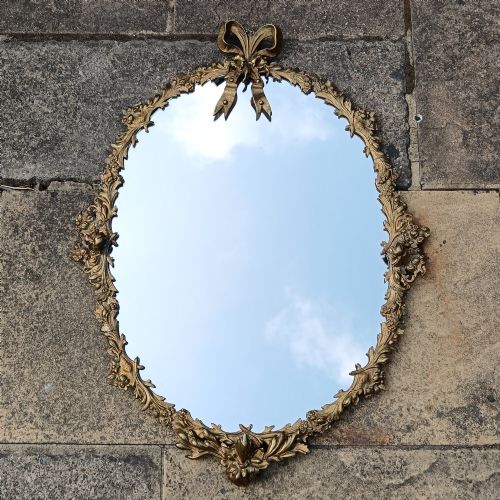
Frames rely on wood and carved gesso foundations, shaped into intricate scrolls and asymmetric motifs before receiving applications of gold leaf or gilt finish. Certain pieces employ cast gilt metal alongside traditional wooden structures.
Reflective surfaces consist of standard glass cut to fit the curved perimeters of the oval frames. Porous base materials beneath the gilding require careful preparation to achieve a smooth metallic sheen.
Listings feature wall mirrors spanning the Victorian era up to nineteen-twenty, utilising wood, gesso, and gold leaf.
What varies in quality
Depth of carving and the crispness of relief ornament separate ambitious workshop production from simpler commercial output. Deeply undercut gesso and timber retain sharper detail in floral and scroll elements.
The purity and application method of the gold leaf or gilt finish dictate how light interacts with the frame over decades. Rich burnishing and intact preparation layers distinguish the finer survivals from plain painted alternatives.
The Ornate Oval Wall Mirror Glossary
- Gesso
- A plaster mixture applied to wood frames as a base for gilding. It allows craftsmen to carve intricate relief details before applying gold leaf.
- Giltwood
- Timber that has been covered with thin sheets of gold leaf or gold paint. This technique gives the appearance of solid gold while keeping the weight manageable for wall hanging.
- Girandole
- A decorative wall mirror featuring attached candle sconces. The candleholders reflect additional light into the room.
- Rococo Revival
- A nineteenth-century design movement inspired by eighteenth-century French styles. It is characterised by shell motifs, C-scrolls, and asymmetrical natural forms.
Frequently Asked Questions
Where should I hang an ornate oval wall mirror?
These mirrors suit principal reception rooms, above mantelpieces, or in entrance hallways where they bounce natural light around the space.
Ensure the wall fixings match the weight of the timber and gesso frame to support the piece securely.
How do I clean a gilt mirror frame?
Dust the carved surfaces gently with a soft dry brush to remove particles without disturbing fragile gesso or leaf.
Avoid liquid cleaners entirely, as moisture penetrates old preparation layers and causes the gilt finish to flake.
Are these mirrors English or French?
Surviving examples originate from both English and French workshops, often sharing similar Rococo Revival design influences from the nineteenth century.
Construction methods and timber choices sometimes offer clues to the specific regional origin of the maker.
How can I tell the Victorian pieces apart?
Victorian examples display characteristic weight and construction techniques, using dense timber foundations and traditional gesso build-ups.
Later twentieth-century versions often show simplified casting methods and different preparation layers beneath the surface finish.