


French Carved Gilt Mirror
A French carved gilt mirror brings warmth and reflective depth to a room through centuries-old craftsmanship and gilded surfaces.
French Carved Gilt Mirror
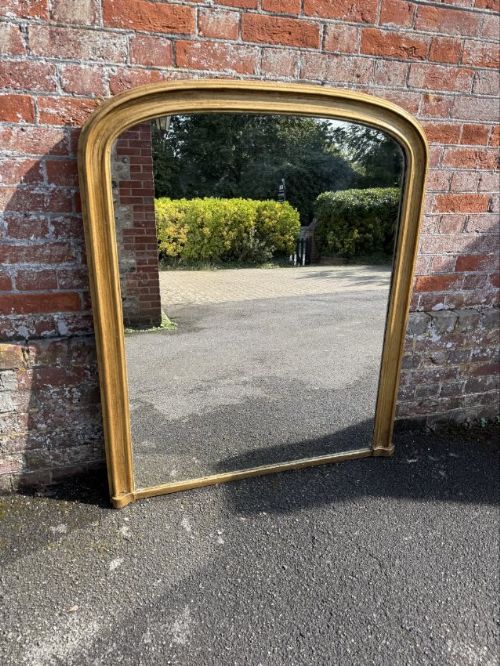
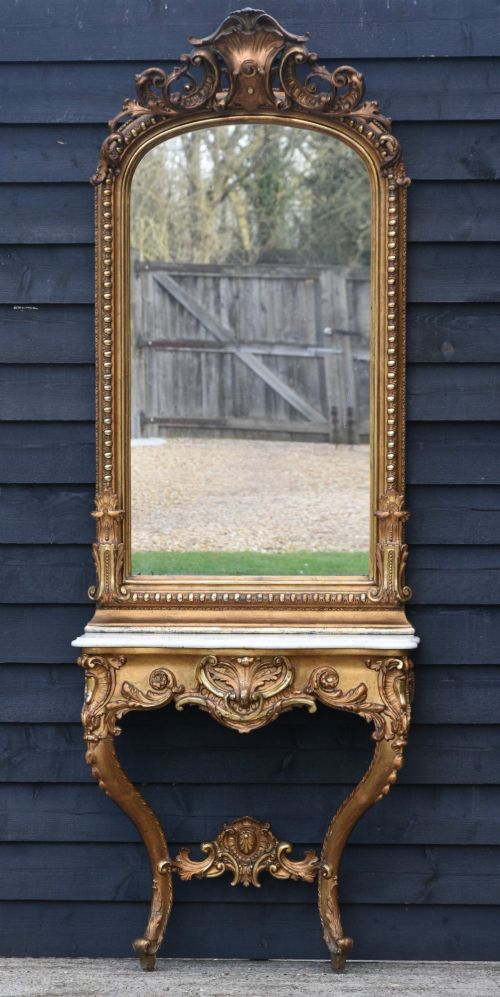
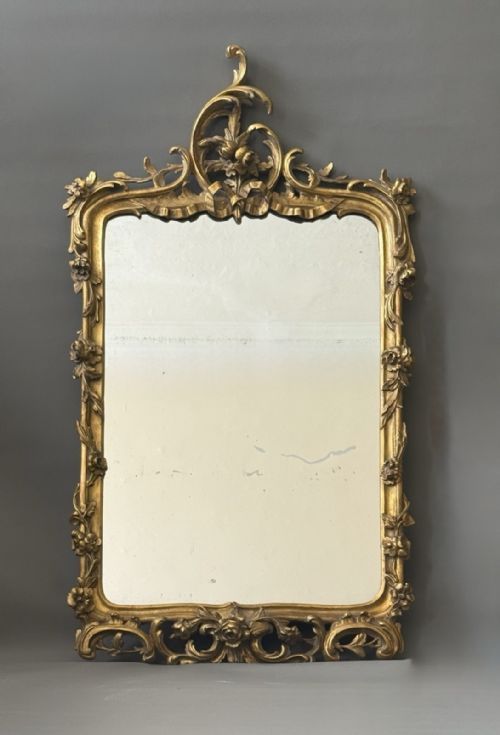
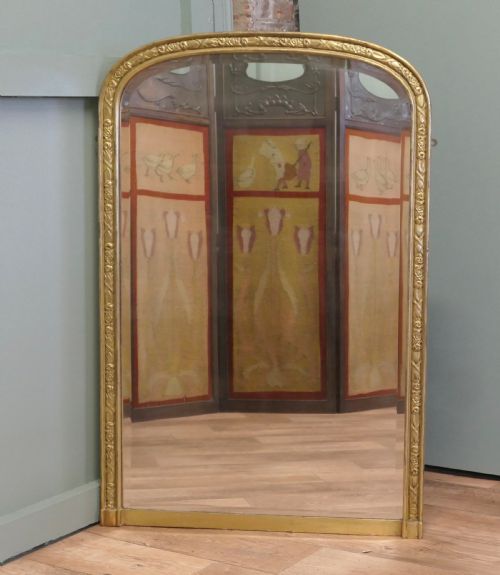
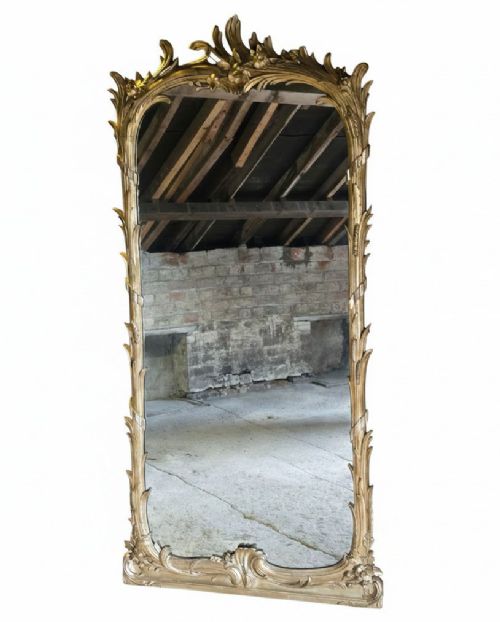
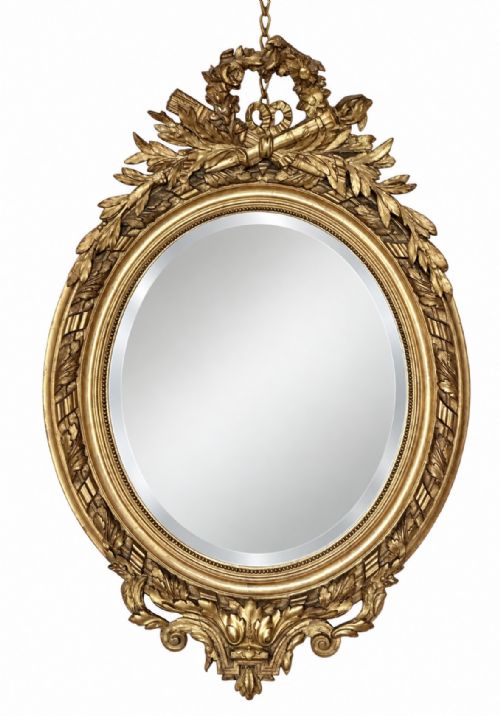
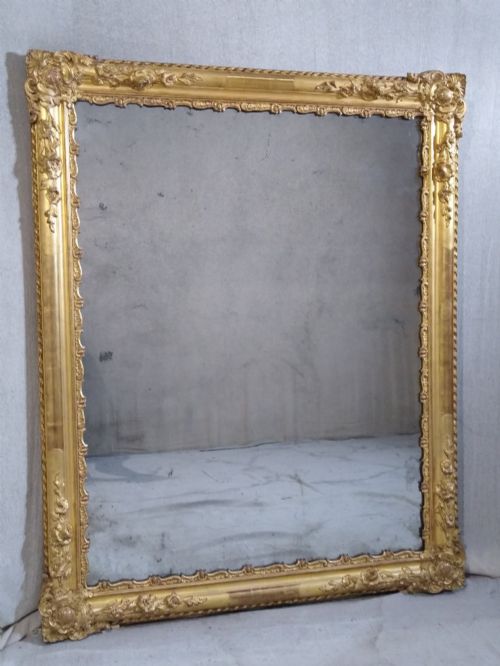
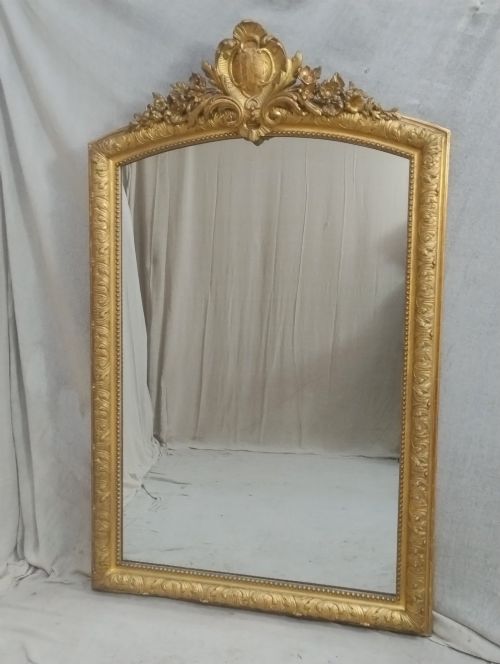
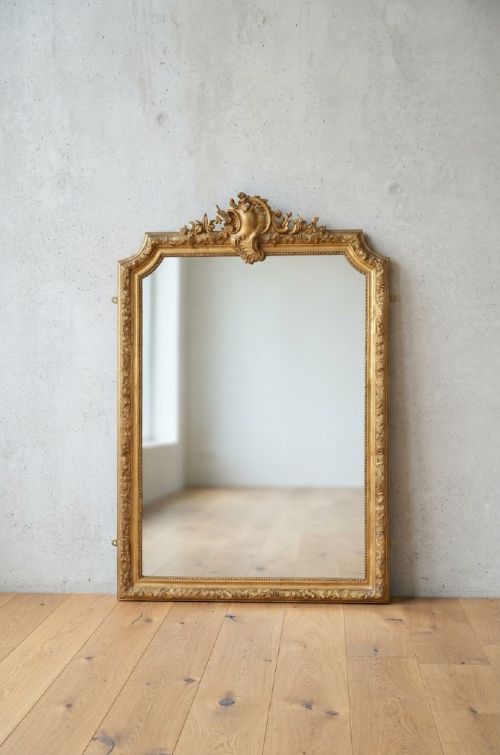
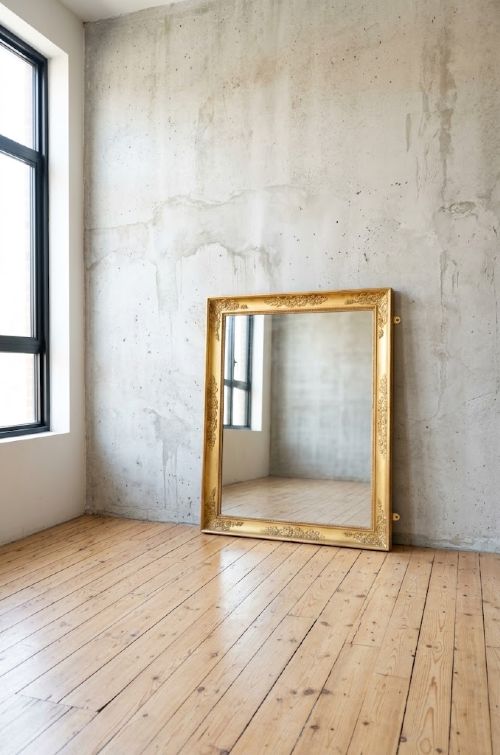
A buyer examining a french carved gilt mirror encounters a variety of historical forms ranging from grand overmantels to compact wall pieces. The selection includes Louis Philippe designs, ornate Rococo Revival pieces, and tall leaner mirrors intended for domestic interiors.
Most examples originate from the nineteenth century, spanning periods such as Napoleon III and the Belle Époque alongside earlier eighteenth-century items. These objects appear as wall mirrors, pier glasses, and console combinations designed to enhance light within living spaces.
Materials and construction
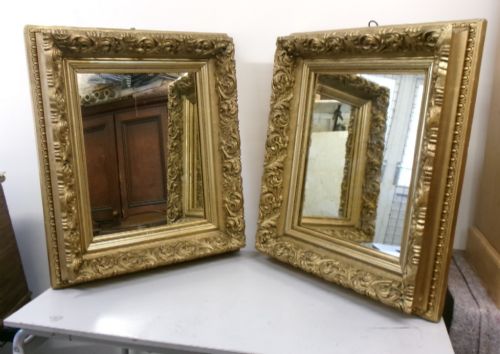
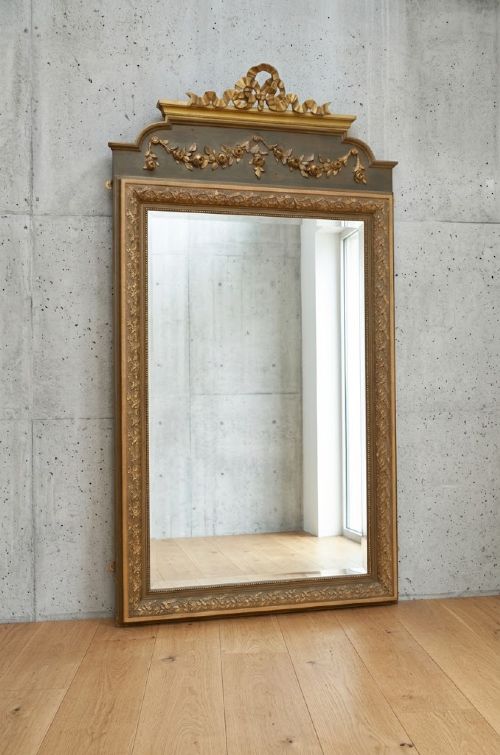
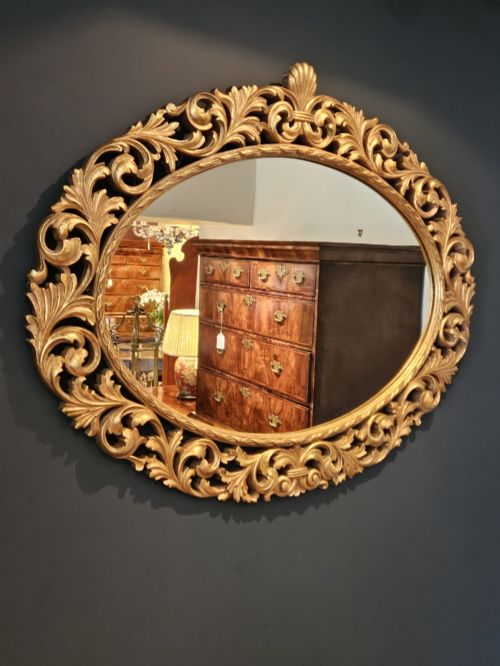
Frames typically consist of carved wood, timber, or composition material built up with gesso to receive layers of gold leaf, silver-gilt, or paint. Artisans carved intricate floral, ribbon, and mythological motifs directly into the wooden substrate or moulded details in gesso.
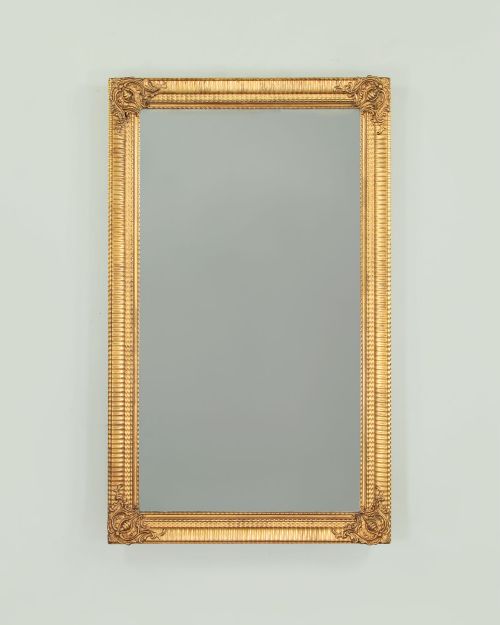
Mirrors utilise historic glass plates, including original mercury glass with foxed patination, secured within rebated or ribbed frames. Construction methods involve traditional joinery suited to heavy frames, often incorporating arched tops or shaped crestings.
Several mirrors incorporate hidden ribbon crests and olive green accents, proving that nineteenth-century French decorators loved a playful touch just as much as we do.
Evaluating quality
Quality rests upon the crispness and depth of the hand-carved ornamentation across the wooden frame and gesso detailing. Superior pieces display finely rendered foliage and scrolls without heavy wear to the underlying material.
The integrity of the original gilding and the preservation of the mirror plate distinguish higher-grade examples. Original mercury glass and untouched gold leaf provide the historical authenticity desired by collectors.
The French Carved Gilt Mirror Glossary
- Gesso
- A plaster-based material applied to wood frames to create a smooth surface for gilding. Artisans mould or carve relief decorations into this layer before applying gold leaf.
- Mercury glass
- An early type of mirror glass made by pouring a mercury-tin amalgam behind the glass plate. This process creates a distinctive mottled reflection known as foxing over time.
- Louis Philippe
- A mid-nineteenth-century French style characterised by restrained curves and rounded upper corners. These mirrors offer understated elegance compared to heavily ornamented Rococo pieces.
- Overmantel mirror
- A large horizontal mirror designed specifically to hang above a fireplace mantelpiece. They often feature generous proportions to reflect light across the room.
- Pier glass
- A tall mirror designed to fit on the wall space between two windows. These pieces frequently pair with matching console tables.
French Carved Gilt Mirror: Frequently Asked Questions
How do I date a French gilt mirror?
Dating relies on stylistic markers such as the restrained geometry of Louis Philippe frames or the asymmetrical scrolls of Rococo Revival designs. Construction techniques and the condition of the mirror plate also offer clues to the period of manufacture.
Examination of the wood, gesso, and backboards helps distinguish nineteenth-century production from eighteenth-century originals. Subtle changes in decorative motifs reflect the shifting tastes of French makers across different decades.
What is mercury glass?
Mercury glass refers to historic mirror plates produced using a liquid amalgam of mercury and tin. This technique creates a deep, slightly cloudy reflection that ages distinctively.
Over the centuries, chemical reactions cause dark spots and speckling known as foxing. Collectors prize original mercury plates for the authentic historical character they impart to antique mirrors.
How should I hang a heavy gilt mirror?
Hanging a heavy carved wood and gesso mirror requires fixing directly into structural wall studs or using appropriate masonry anchors. The weight of large overmantel and leaner mirrors demands robust hardware distributed across multiple points.
Professional installation is recommended to ensure the frame remains secure against the wall. Ensuring the hanging wire or brackets match the weight of the timber and glass prevents accidental damage.
What is the difference between an overmantel and a wall mirror?
Overmantel mirrors are proportioned horizontally to sit comfortably above a fireplace opening. Their dimensions and frame designs are traditionally scaled to anchor the central hearth of a room.
Standard wall mirrors feature versatile rectangular, oval, or arched formats suited to various wall spaces throughout a home. While both utilise carved giltwood frames, their original placement determined their specific width and height ratios.