

Ornate Gold Leaf Frame
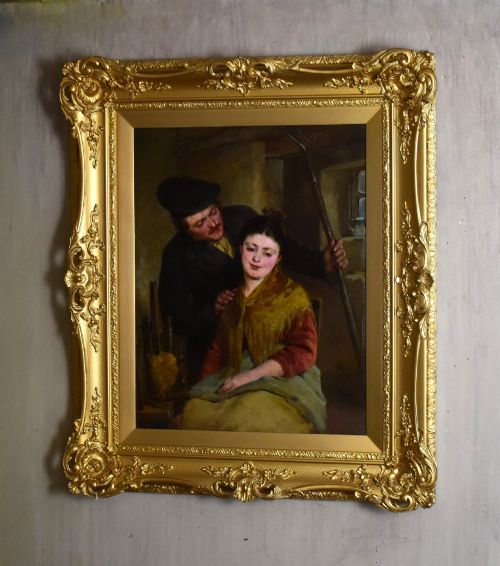
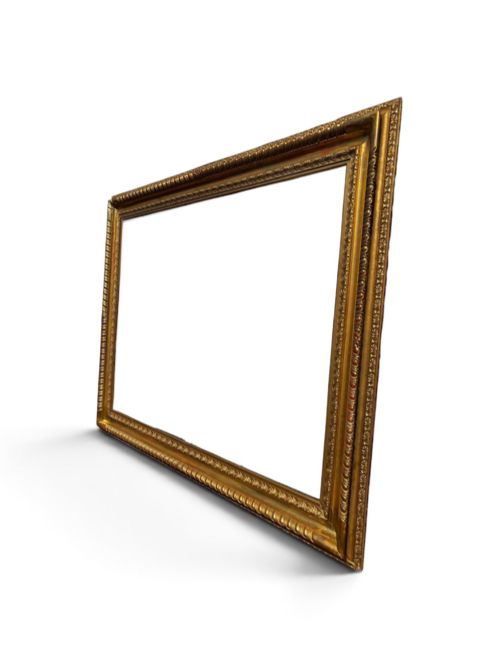
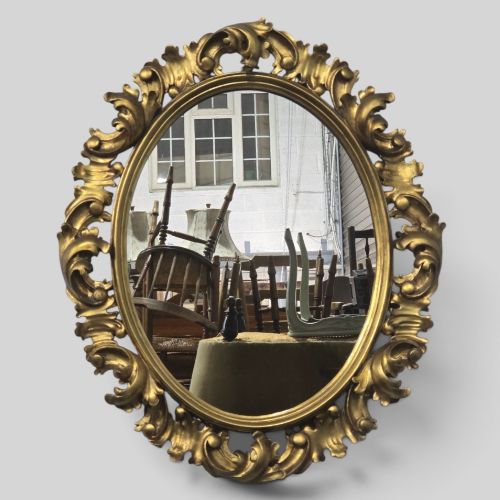
An ornate gold leaf frame brings depth and a warm metallic sheen to a room, holding oil paintings, watercolours, or mirrors with distinct period character.
Ornate Gold Leaf Frame
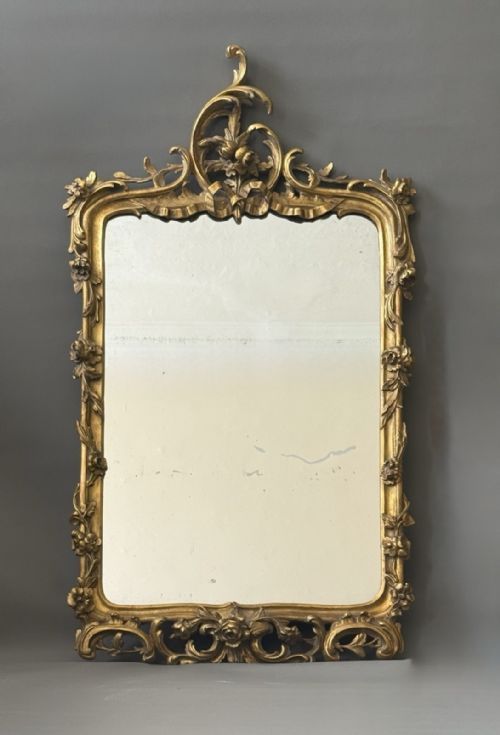
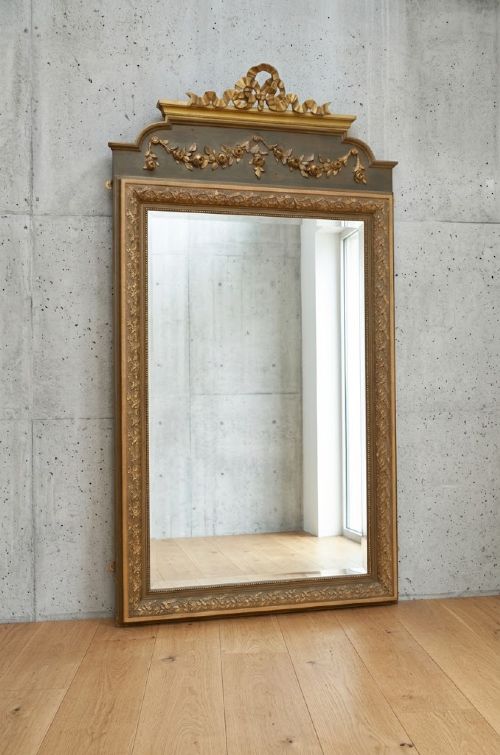
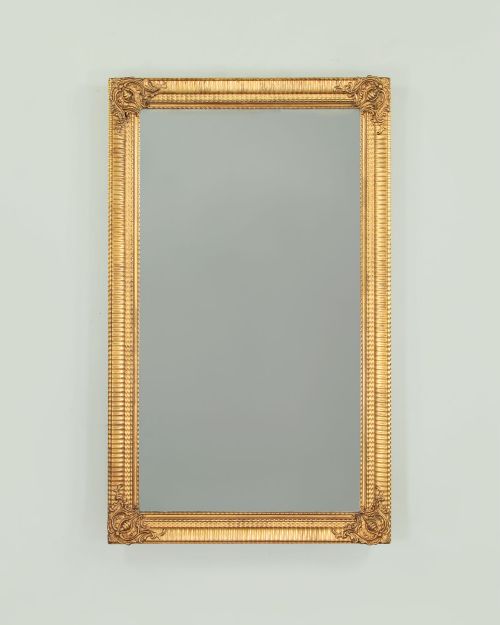
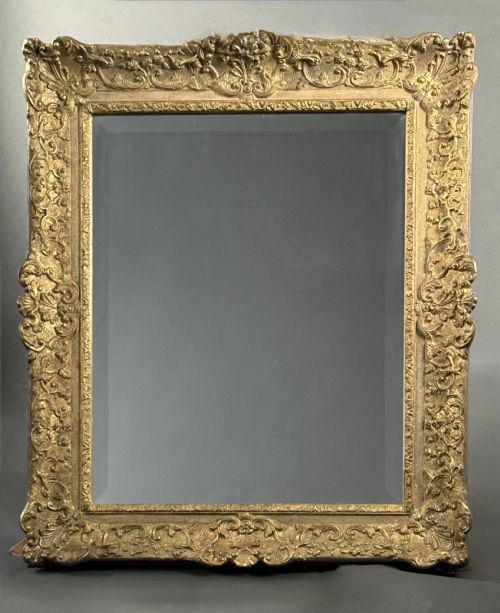
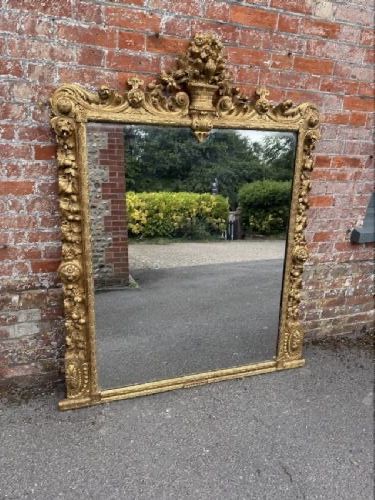
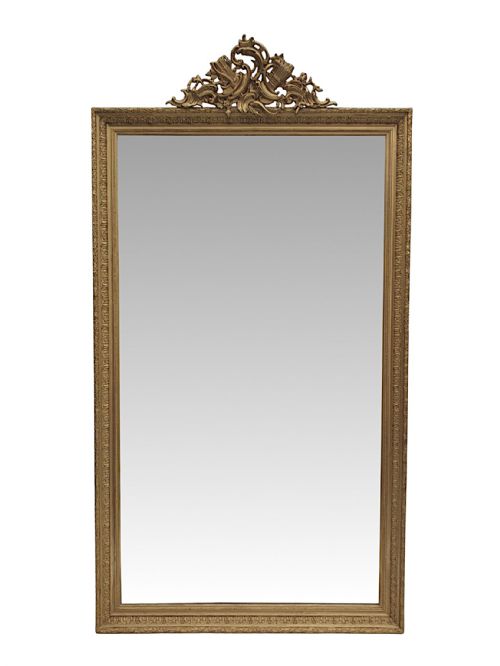
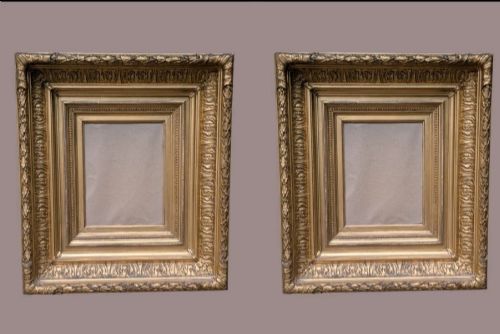
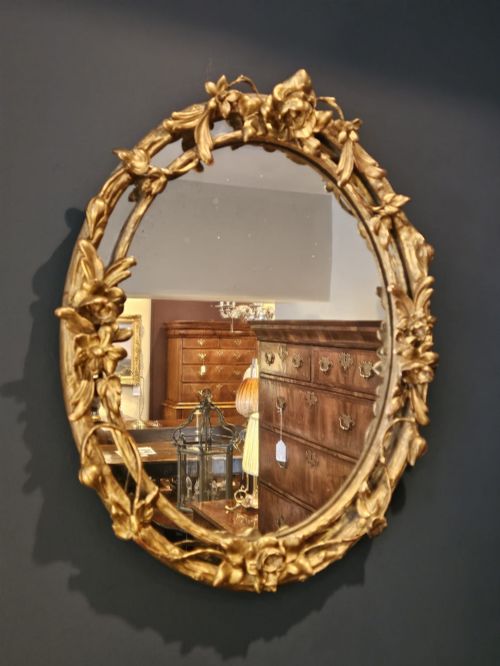
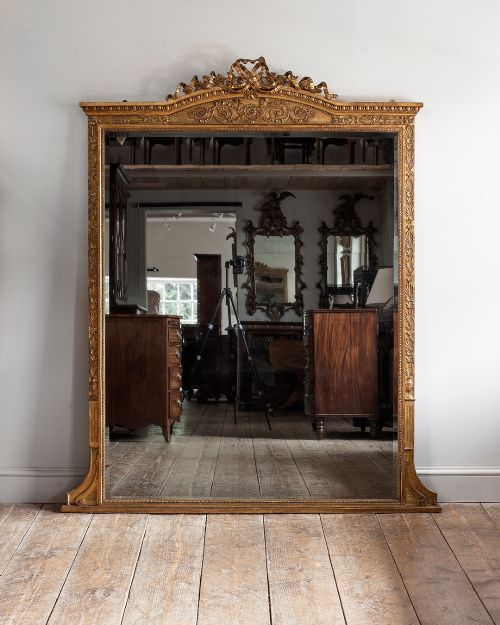
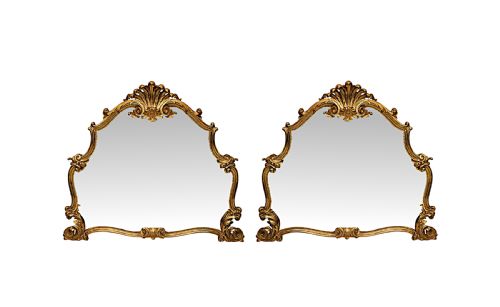
When searching for an ornate gold leaf frame, buyers encounter a mix of functional wall mirrors, overmantel mirrors, pier mirrors, and picture frames designed to hold oil paintings or prints. The selections span the eighteenth, nineteenth, and early twentieth centuries, drawing heavily on French Rococo, Italian Florentine, and Victorian styles.
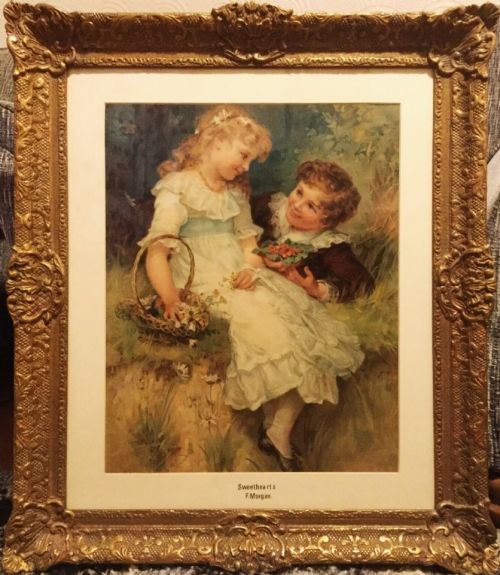
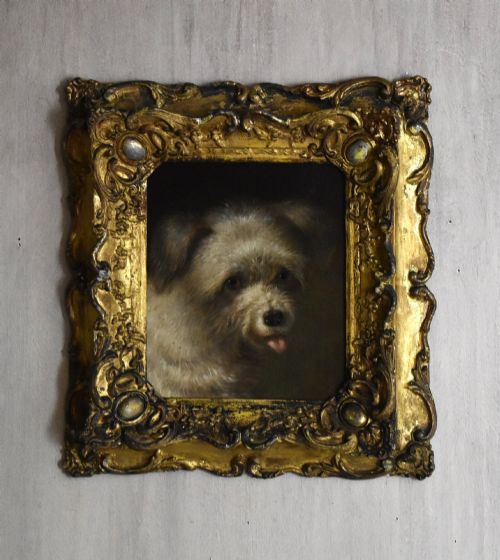
Framed artworks also feature among the items, including nineteenth-century oil paintings and portrait prints. These pieces demonstrate how the ornate gold leaf frame served both to display fine art and to reflect light in domestic spaces.
Materials and Technique
Carved timber and moulded gesso form the structural base for the majority of these pieces. Artisans applied thin sheets of gold leaf over prepared surfaces, sometimes combining the gilding with painted details such as olive green or exposed wood.
Glass plates vary across the inventory, including antique mercury plates, foxed glass with natural ageing spots, and bevelled mirror plates. Each type of glass interacts differently with the surrounding gilded border.
Listings feature eighteenth and nineteenth-century items, incorporating Victorian and Edwardian periods alongside French Rococo Revival styles.
Evaluating Craftsmanship
Quality in an ornate gold leaf frame rests upon the depth and crispness of the carving work. Hand-carved gesso and timber show a distinct sharpness in scrollwork and floral details compared to simpler moulded compositions.
The preservation of the original gilding and the condition of the glass plate influence the character of the piece. Surviving mercury or foxed plates alongside intact gold leaf indicate a well-maintained object with genuine age.
Martin Theodore Ward·Howard Helmick·Edgar Hunt·Charles Hunt·Renato Moretti·Jacob Akkersdijk·George Rankin·Frederick Morgans
The Ornate Gold Leaf Frame Glossary
- Giltwood
- Wood that has been coated with gold leaf or gold paint. This finish provides the characteristic metallic brilliance seen on period frames and mirrors.
- Gesso
- A plaster-like mixture applied to wood surfaces as a base for gilding. It allows artisans to carve intricate relief decorations before applying gold leaf.
- Overmantel mirror
- A large mirror designed to hang above a fireplace mantel. These pieces often feature horizontal proportions to fit the architectural space.
- Mercury plate
- An older type of mirror glass made using a tin and mercury amalgam. It produces a characteristic mottled reflection and deep dark spots over time.
- Rococo revival
- A nineteenth-century design style inspired by the asymmetrical curves and shell motifs of the eighteenth-century Rococo movement.
Ornate Gold Leaf Frame: Frequently Asked Questions
How do I hang a heavy overmantel mirror safely?
Large overmantel mirrors require secure fixings into structural wall studs or masonry to support their substantial timber and glass weight. Professional installation ensures the frame remains stable against the wall.
Weight distribution across multiple brackets helps protect antique joints and heavy plasterwork from strain over time.
What is a mercury mirror plate?
A mercury plate refers to older mirror glass produced using a tin-mercury backing technique rather than modern silvering. This method yields a softer reflection with characteristic dark foxing spots.
These plates indicate significant age and contribute to the authentic appearance of nineteenth-century frames.
How do I clean a gold leaf frame?
Dusting gently with a soft dry brush is the safest way to remove particles from delicate gesso and gold leaf surfaces. Moisture and modern chemical cleaners can damage the fragile metallic layer.
Professional conservation advice should be sought if the gilding shows signs of flaking or active deterioration.
How can I tell a Victorian frame from an 18th-century one?
Eighteenth-century pieces often feature deep, hand-carved wooden structures with distinct organic asymmetry in the Rococo style. Victorian reinterpretations frequently rely on moulded gesso composition applied over timber bases.
Examining the construction joints, backing boards, and the wear of the gesso helps clarify the manufacturing period.