



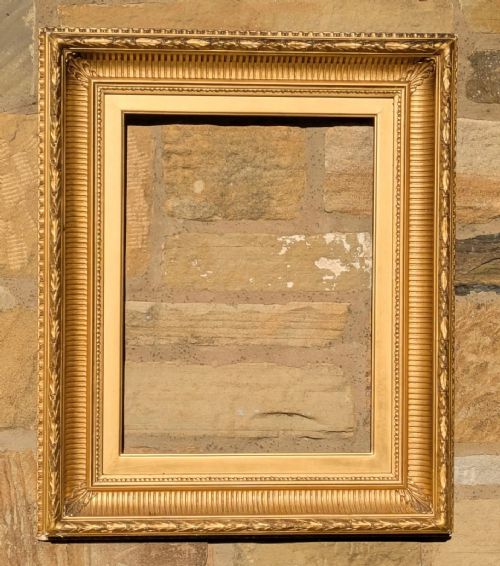

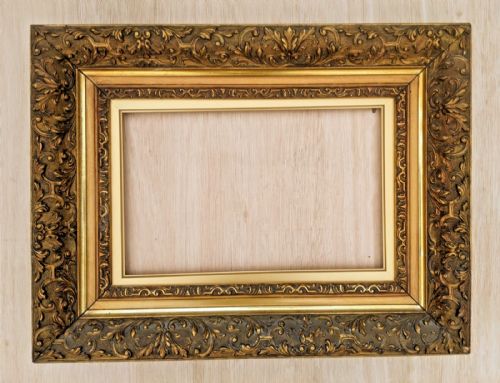


Heavy Ornate Framed Picture
A heavy ornate framed picture commands attention on a wall, bringing depth and historical presence to any interior.
Heavy Ornate Framed Picture
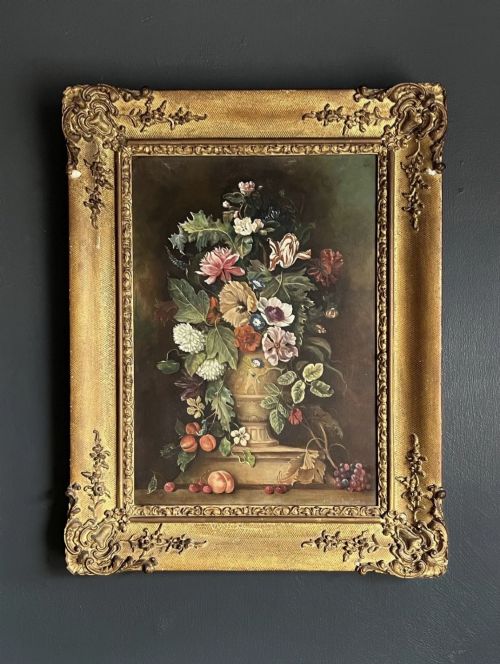
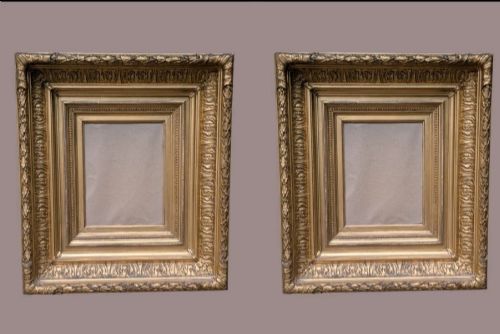
A heavy ornate framed picture combines substantial physical presence with elaborate surface decoration, frequently housing oil paintings, mirrors, or prints. The selections on this page span several centuries, with the Victorian era heavily represented alongside distinct pieces from the seventeen-hundreds and nineteen-thirty.
Buyers encounter a variety of forms designed for wall display, including deep picture frames, oil paintings on canvas, and wall mirrors. These items showcase revival styles such as Victorian Rococo, Baroque, and Dutch Golden Age influences.
The origin and period define the character of each piece, ranging from mid-nineteenth-century examples to earlier centuries. These objects serve as focal points in a room, drawing the eye through sheer scale and decorative richness.
Materials and construction
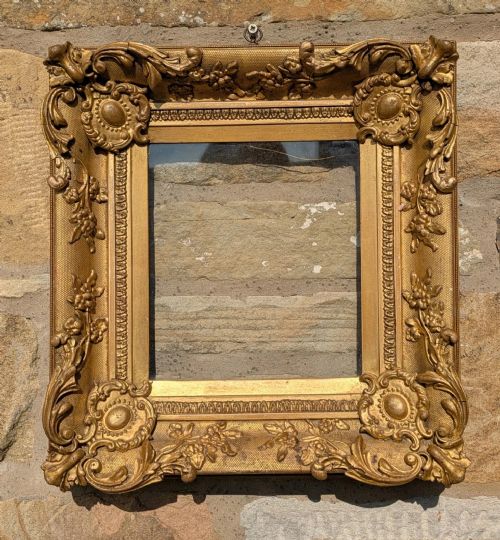
Makers constructed the foundation of these pieces using sturdy wood, applying layers of gesso to build up intricate relief ornaments and mouldings. Artisans then gilded the surfaces with gold leaf or dark gilt finishes to achieve a luminous appearance.
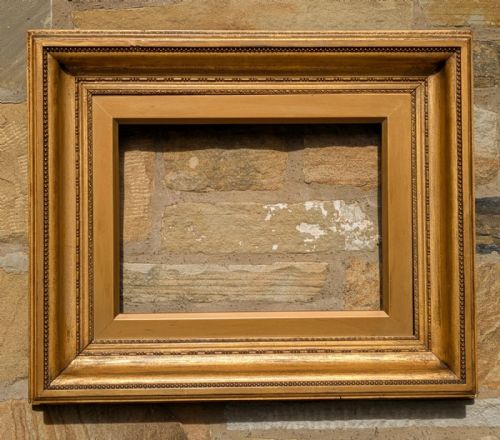
Works housed within these surrounds include original oil paintings on canvas and glass mirrors. Linen slips frequently appear inside the wooden frames to provide a textural border between the artwork and the outer moulding.
Materials documented across these listings include gesso, gold leaf, giltwood, wood, glass, canvas, and oil paint.
Assessing the craftsmanship
Quality rests in the crispness of the moulded gesso ornament and the depth of the timber moulding itself. Superior pieces exhibit deeply carved or modelled relief work that retains its definition across large surface areas.
The integrity of the gilding and the preservation of the original wood ground dictate the visual success of the piece. Finishes that age gracefully without losing their underlying detail distinguish the finer examples from simpler production.
The Heavy Ornate Framed Picture Glossary
- Gesso
- A plaster-like mixture applied to wood surfaces to create a smooth base for carving or gilding. This material allows artisans to fashion elaborate three-dimensional scrollwork and floral motifs.
- Giltwood
- Timber that has been coated with gold leaf or gold paint to simulate solid gold. It provides the reflective, opulent surface characteristic of ornate nineteenth-century framing.
- Rococo Revival
- A nineteenth-century design movement characterised by asymmetrical scrollwork, C-scrolls, and naturalistic shell and flower motifs. This style heavily influences the decoration found on many large frames and mirrors.
- Linen slip
- A narrow fabric-covered insert placed between the outer frame and the painting or mirror. It adds a layer of soft texture and visual depth to the overall composition.
- Dutch Golden Age Style
- An aesthetic referencing the seventeenth-century painting traditions of the Netherlands. Frames and artworks in this vein often emphasise rich dark tones and classic portrait or floral subjects.
Heavy Ornate Framed Picture: Frequently Asked Questions
How do I hang a heavy ornate framed picture safely?
These pieces require robust wall fixings due to their substantial timber and gesso weight. Secure the hanging wire or brackets directly into wall studs or use heavy-duty masonry anchors.
Ensure the hanging hardware on the back of the frame matches the total weight of the canvas and wood structure before mounting.
Can I change the artwork inside the frame?
Many of these surrounds are built to house standard oil paintings or mirrors of specific dimensions. You can swap contents provided the depth and rebate of the moulding accommodate the new canvas.
Consult a professional framer if the antique rebate requires adjustment to avoid damaging the historic wood and gesso.
How do I clean a gilded gesso frame?
Dust the ornate surface gently with a soft dry brush to remove particles without disturbing the delicate relief work. Avoid liquid cleaners or chemical agents that can strip the gold leaf or damage the underlying gesso.
Keep the piece away from direct sunlight and excessive moisture to preserve the integrity of the antique finish.
What distinguishes a Victorian frame from earlier styles?
Victorian examples often display heavy proportions and robust revival styles like Rococo or Baroque influences. They utilise thick gesso mouldings designed to project outward from the wall with dramatic presence.
Earlier pieces from the seventeen-hundreds tend to feature different joinery techniques and distinct hand-carved profiles compared to mass-produced nineteenth-century variations.