

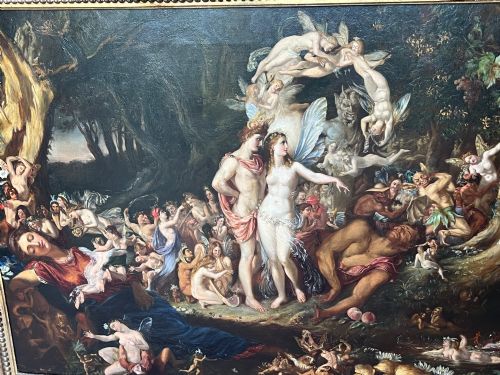

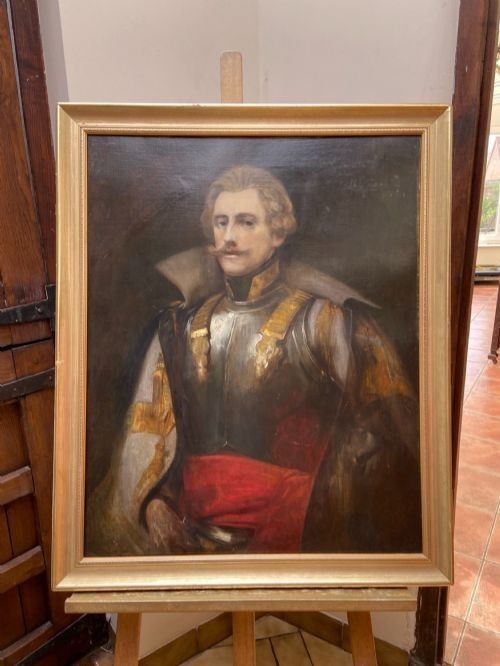
Antique Oil Art Painting
These antique oil art painting works capture centuries of portraiture, landscape, and marine subjects rendered in rich pigments on canvas and panel.
Antique Oil Art Painting
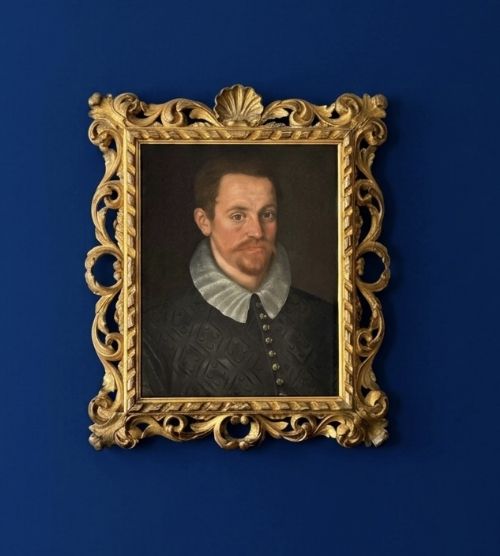
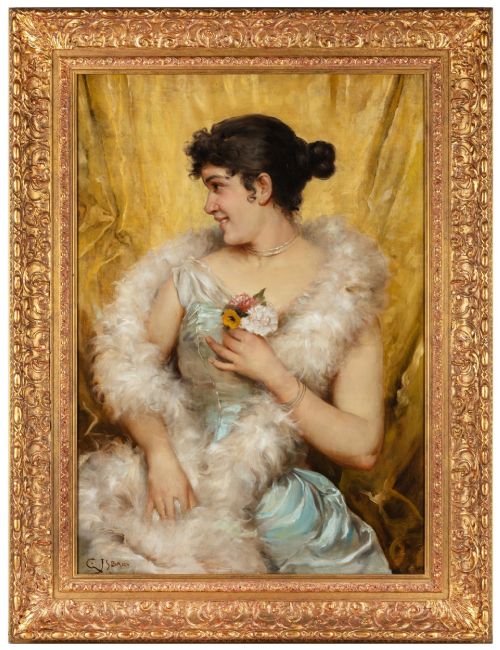
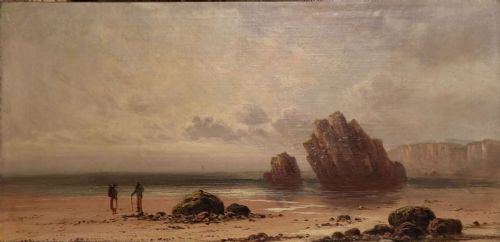
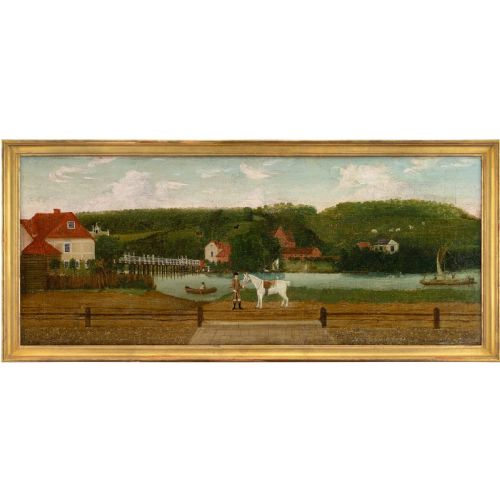
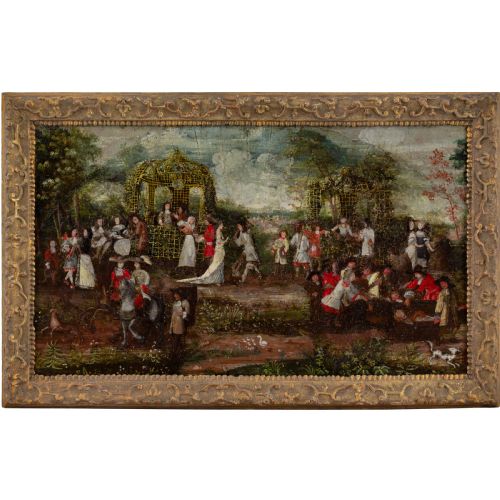
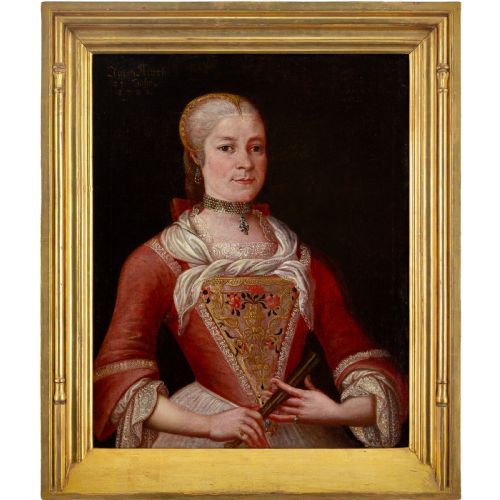
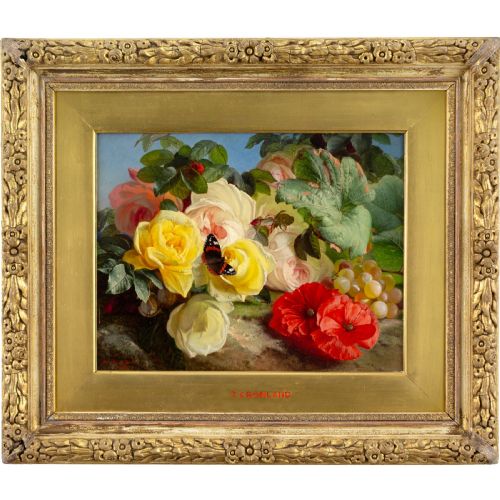
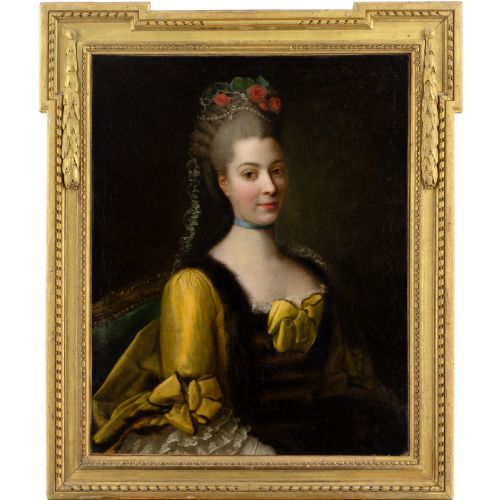
An antique oil art painting selection spans centuries of European and British artistic output, featuring works ranging from formal 17th-century aristocratic portraits to expansive 19th-century pastoral and coastal landscapes.
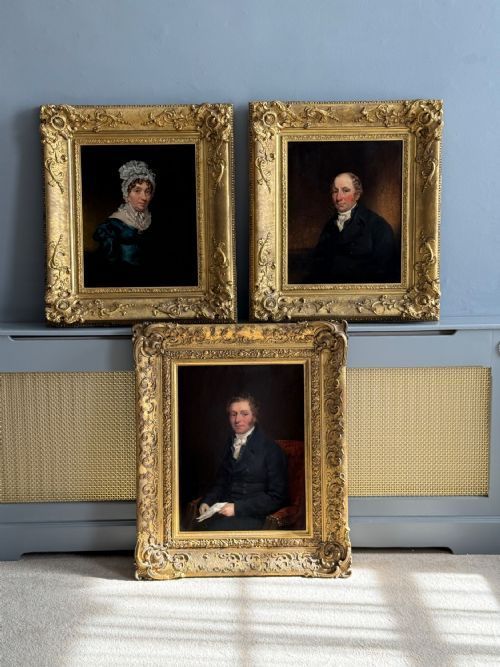
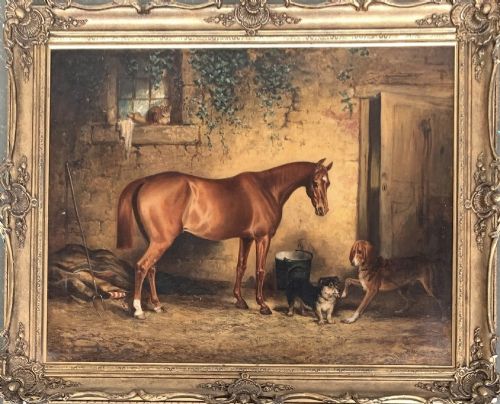
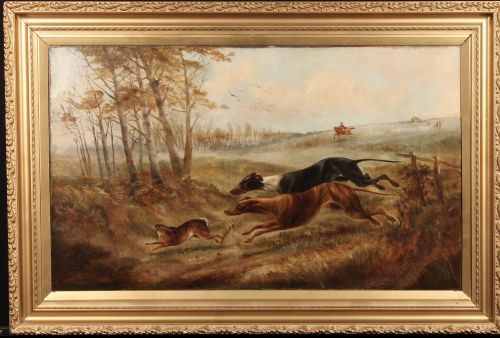
Buyers frequently encounter formal portraiture depicting gentlemen and ladies in period attire alongside genre scenes, sporting studies of horses and hounds, and devotional or mythological compositions.
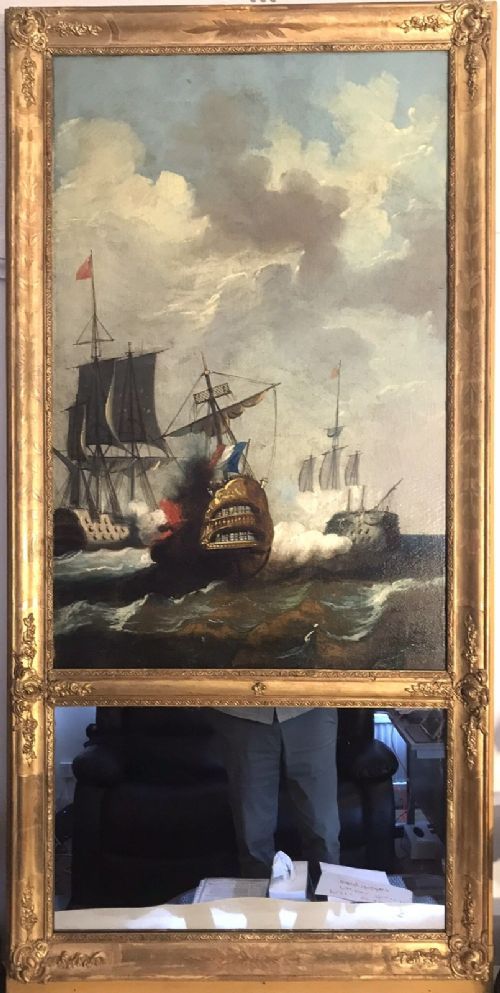
The collection includes works executed on various traditional supports, most notably stretched canvas, sturdy wood panels, and occasional specialised surfaces like gilded trumeau mirrors.
How They Were Made
Traditional creation relied on slow-drying oil paint applied to prepared surfaces such as woven canvas or rigid wood panels, allowing artists to build deep, luminous layers of colour and subtle tonal gradations.
Painters utilised natural ground pigments mixed with oils like linseed, often sealing their supports with gesso or priming layers before beginning the delicate work of glazing and impasto application.
Listings feature works spanning the 17th century through the 20th century, executed in oil on canvas, wood panel, and giltwood frames.
What Varies In Quality
The standard of an antique oil art painting is determined by the precision of the brushwork, the psychological depth or compositional harmony of the subject, and the handling of light and shadow.
Superior examples demonstrate confident anatomical rendering, well-preserved pigment integrity without extensive modern overpainting, and an accomplished integration of background detail with the central subject.
SIR WILLIAM BEECHEY R.A·JOSEPH CLOVER RA·HENRY BARRAUD·SIR JOSHUA REYNOLDS·JEAN-BAPTISTE VAN LOO
The Antique Oil Art Painting Glossary
- Oil on Canvas
- A traditional painting medium where slow-drying pigments suspended in oil are applied to a stretched woven fabric support. This combination offers a textured surface and flexibility over centuries.
- Giltwood
- Carved wood treated with gold leaf or metallic powder to create a brilliant, reflective decorative finish. It frequently frames grand portraits and antique mirrors.
- Impasto
- A technique where paint is laid onto a surface in very thick areas, usually thick enough that the brush or painting-knife strokes are visible. It adds tangible texture and dimension to the artwork.
- Panel
- A rigid flat support made of wood used by artists instead of canvas. Wooden boards provided a stable, smooth surface favoured by many early European schools.
- Trumeau
- An architectural mirror featuring an oil painting set into the upper section of the decorative wooden frame. These pieces originated in France to adorn ornate interior walls.
Antique Oil Art Painting: Frequently Asked Questions
Why do some canvases show fine cracking?
Crazing or craquelure develops naturally as oil paint hardens, loses moisture, and shrinks over many decades or centuries of environmental shifts.
This network of fine lines is a normal characteristic of age and authentic materials rather than an inherent structural fault.
How do I identify the period of a portrait?
Clothing styles, hairstyles, collars, and ruffs provide the most reliable chronological markers for dating historical subjects accurately.
Additionally, the stretcher construction, canvas weave, and framing style offer physical clues that help narrow down the decade of creation.
Where should I hang an oil painting?
These works require stable interior environments away from direct sunlight, high humidity, and rapid temperature fluctuations near radiators or fireplaces.
Maintaining consistent atmospheric conditions prevents the wooden panels or canvas supports from warping, expanding, or cracking over time.