



Dutch Genre Scene Canvas
These dutch genre scene canvas works capture domestic life and tavern interiors through oil on canvas, offering a direct view into historical everyday scenes.
Dutch Genre Scene Canvas
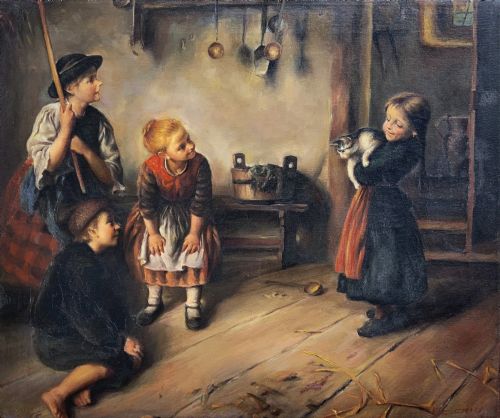
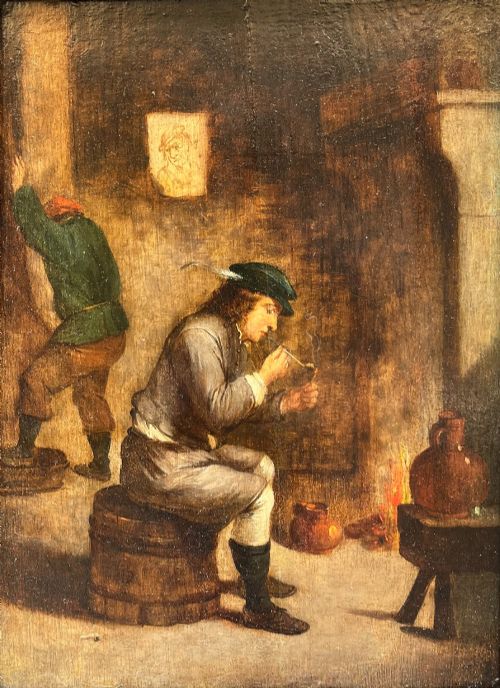
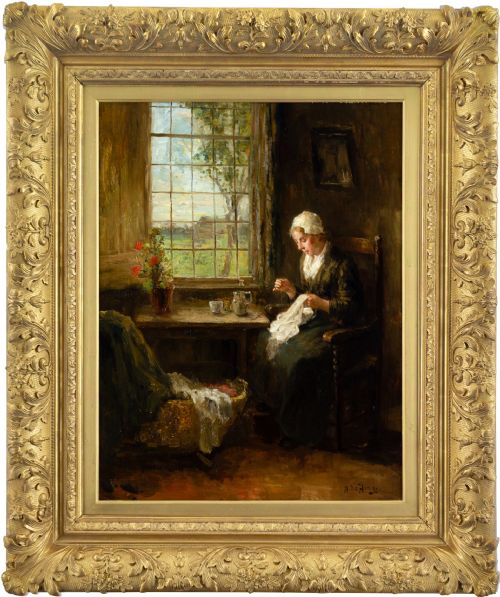
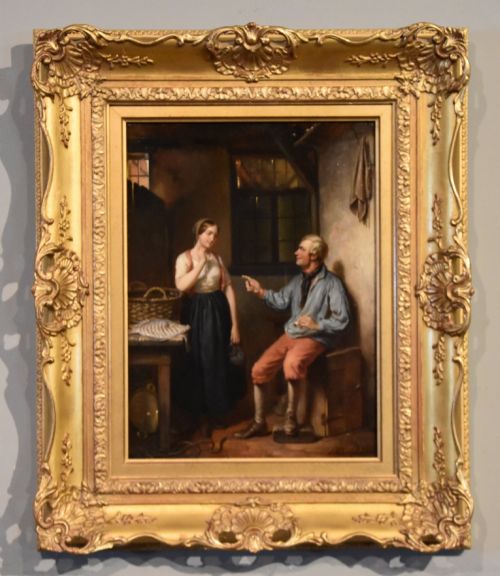
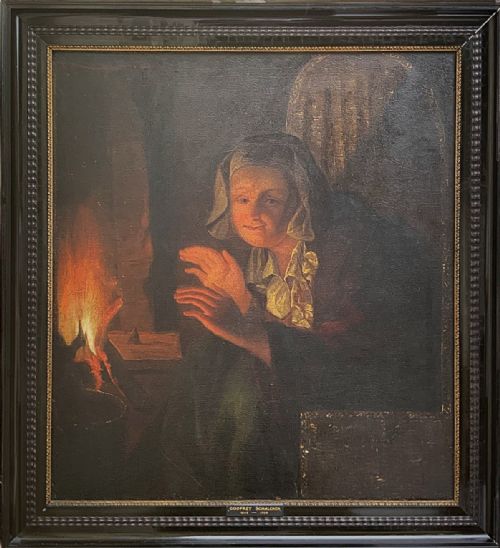
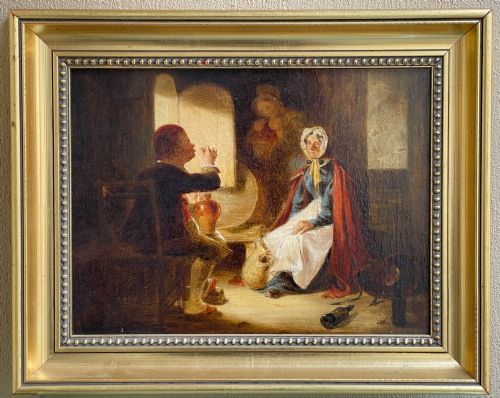
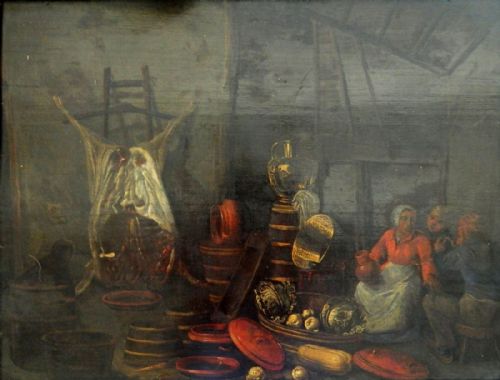
When searching for a dutch genre scene canvas, you encounter oil paintings and wall art depicting everyday domestic life, tavern interiors, and figures engaged in ordinary tasks. The works span multiple periods, including the 17th century, 18th century, 19th century, Regency, and Victorian eras, alongside later mid-century examples from 1920, 1930, and 1950. You frequently meet paintings influenced by the Dutch Golden Age, Dutch School, and Flemish Baroque traditions, capturing peasants, children, and musicians.
The subjects range from tavern interiors and peasants merrymaking to quiet domestic hours and larder scenes, executed in oil paint on canvas. Many pieces reflect later interpretations, including works created in the manner of or after established historical painters, alongside original mid-century compositions. These paintings serve as traditional wall art that brings historical narrative and figurative detail into an interior space.
What varies in quality
The standard of a dutch genre scene canvas rests upon the fluidity of brushwork, the depth of the oil paint layers, and the expressive handling of light and shadow within the composition. Works showing confident figurative rendering and balanced interior perspective separate themselves from more mechanical or derivative reproductions.
Framing and material preservation also dictate the standing of a piece, with period giltwood and gesso frames contributing significantly to the overall integrity. Original hand-painted oil on canvas works carry greater artistic depth compared to printed oileograph alternatives.
Materials recorded across the inventory include oil paint, canvas, wood, gesso, and giltwood frames.
David Teniers·Bernard De Hoog·Jacob Akkersdijk·Godfried Schalcken·Ludolf de Jongh·Willem Johannes Martens·Reinier de la Haye·Jan Steen
The Dutch Genre Scene Canvas Glossary
- Dutch Genre Painting
- Art depicting scenes from everyday life, typically showing ordinary people in domestic interiors or taverns rather than grand historical or mythological subjects.
- Oil on Canvas
- A traditional painting medium where pigments suspended in drying oils are applied to a stretched woven fabric support.
- Giltwood
- Wood that has been coated with a thin layer of gold leaf or gold paint, frequently used for ornate picture frames.
- Gesso
- A plaster-like mixture used as a smooth base for paint or moulded to create decorative relief details on picture frames.
- Flemish Baroque
- An artistic style associated with the Southern Netherlands during the seventeenth century, characterised by dynamic movement and rich colour.
Dutch Genre Scene Canvas: Frequently Asked Questions
What is a dutch genre scene canvas?
It is an oil painting on canvas depicting everyday domestic life, tavern gatherings, or figures in interior settings, drawing on historical painting traditions.
The selections include original antique works, period pieces created after earlier masters, and mid-century interpretations.
How do I identify the period of a painting?
Dating relies on stylistic clues, the handling of the oil paint, and the construction of the canvas and wooden stretcher frame.
Evidence points to examples ranging from the seventeenth century through to the mid-twentieth century, including Regency and Victorian interpretations.
Are all these pieces original oil paintings?
The majority consist of hand-painted oil on canvas works, though archival records also document printed oileograph versions on canvas.
Checking the texture of the oil paint surface helps distinguish between a painted canvas and a mechanical print.
How should I frame and display these artworks?
Many pieces are traditionally paired with heavy carved wooden gilt frames or gesso mouldings that reflect their period of origin.
Displaying them away from direct sunlight protects the oil paint and preserves the integrity of the canvas and frame.