


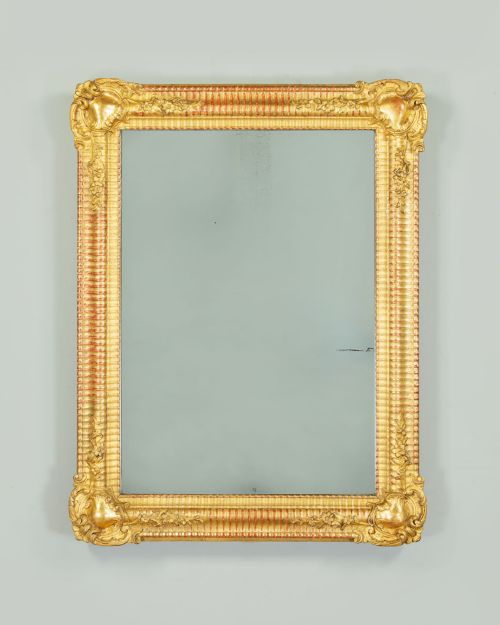

Ornate Gold Hanging Mirror
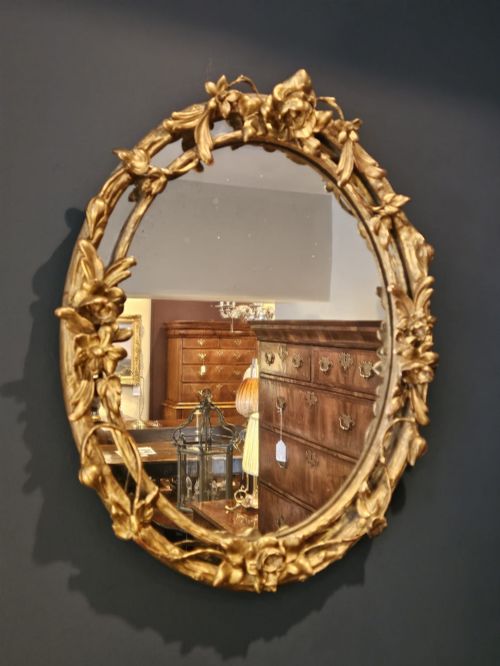
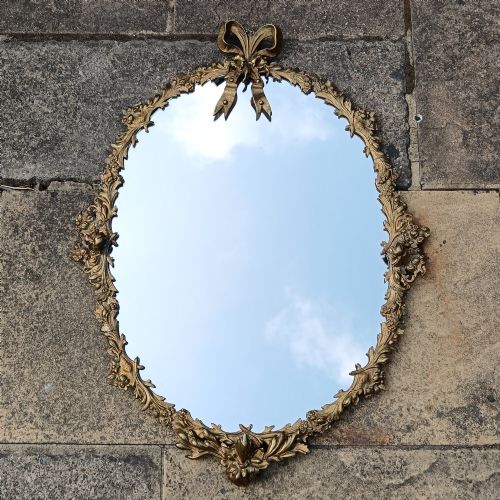
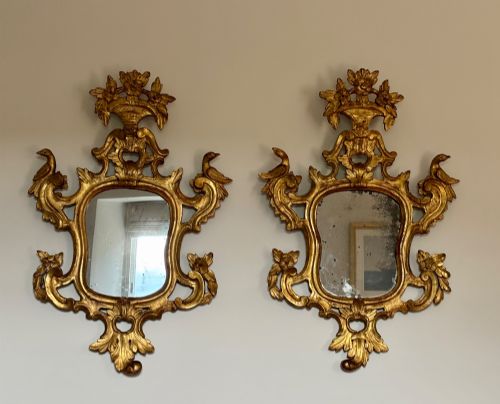
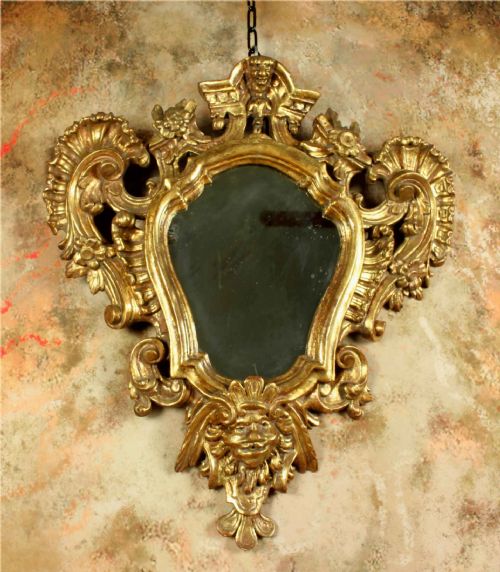
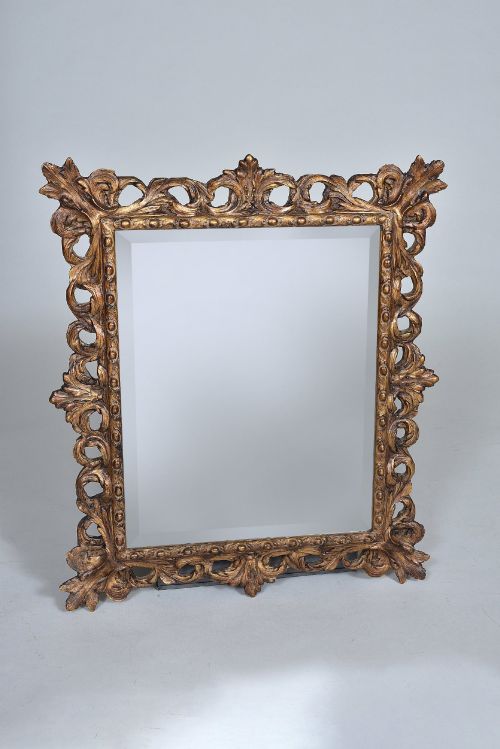
An ornate gold hanging mirror brings warmth and reflective depth to a room, drawing the eye with sculptural gilding.
Ornate Gold Hanging Mirror
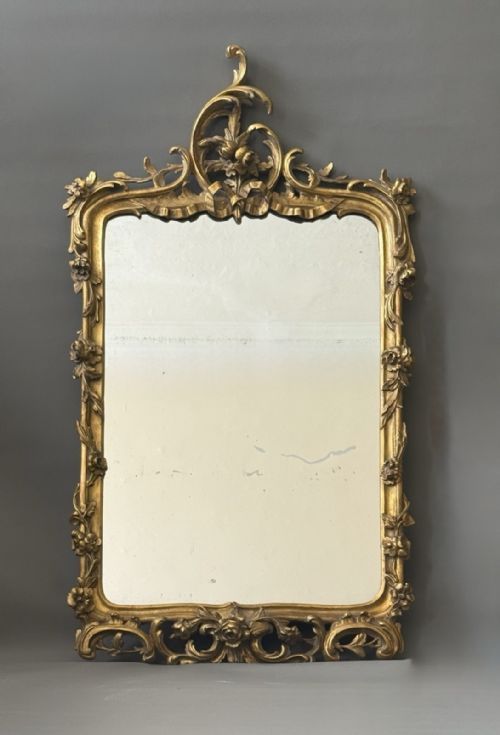
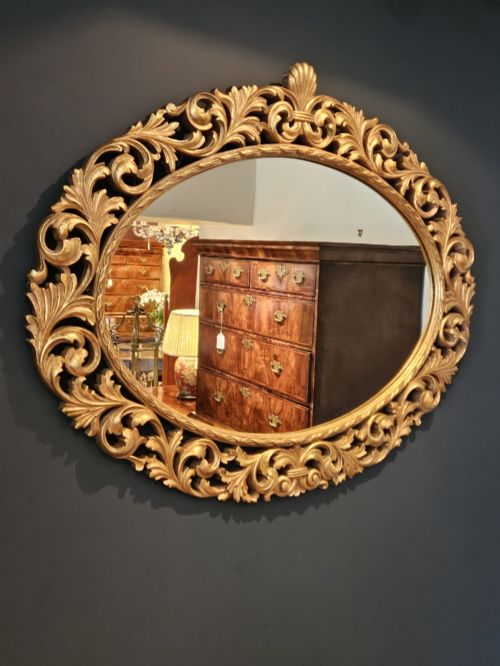
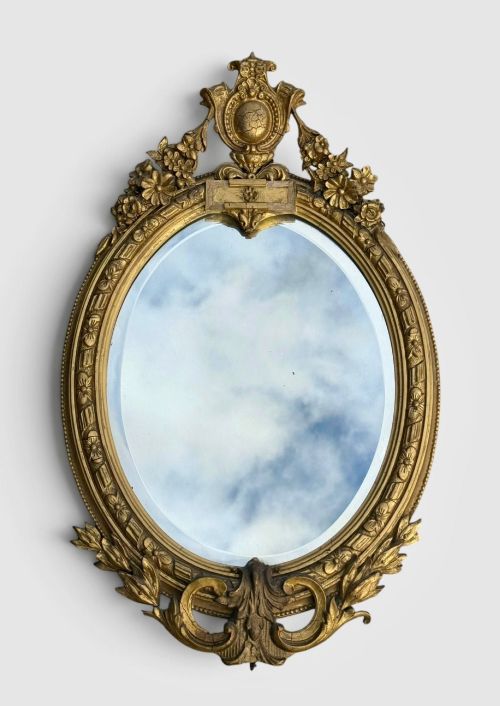
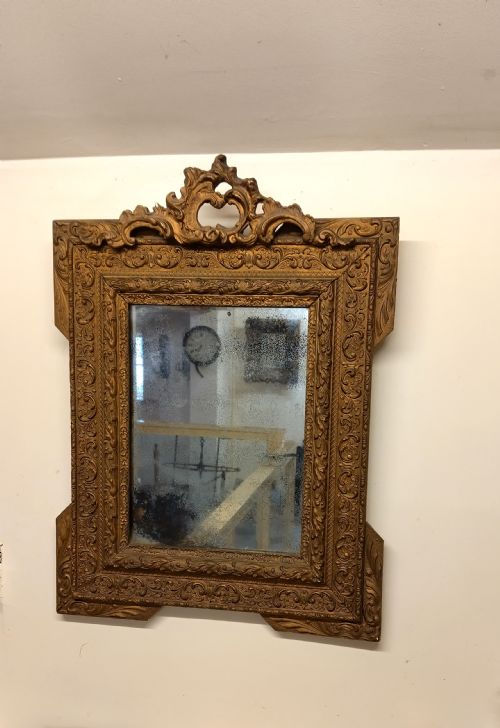
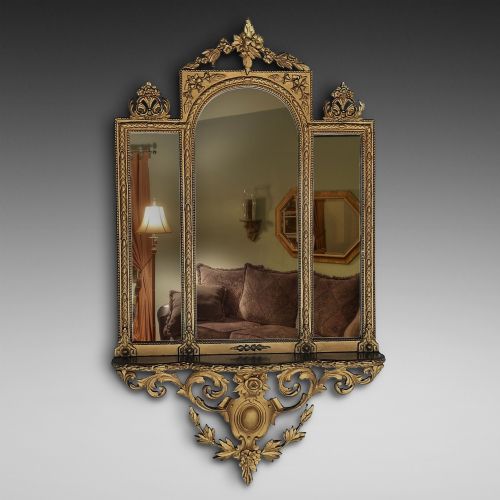
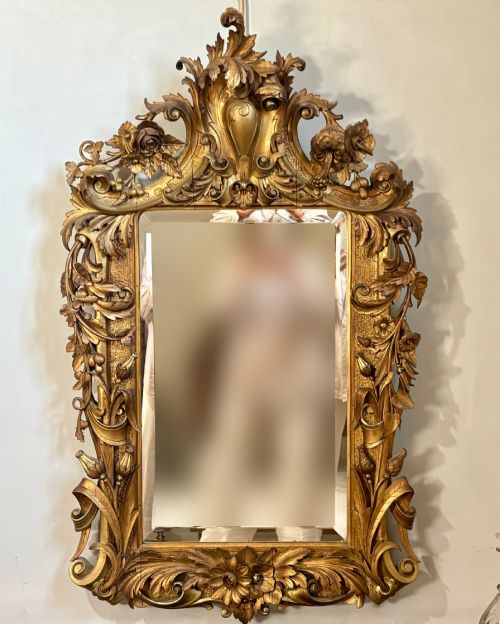
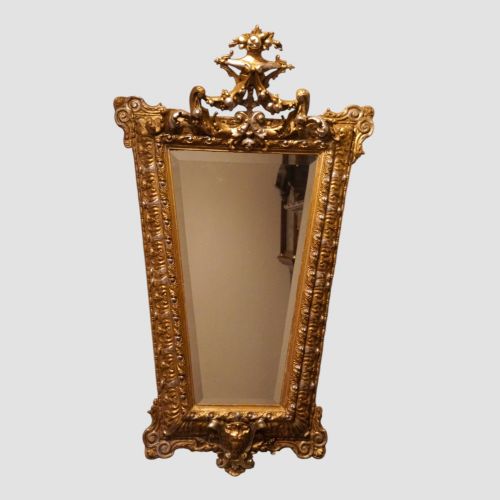
An ornate gold hanging mirror provides functional reflection while serving as a decorative focal point on interior walls. Buyers searching for an ornate gold hanging mirror encounter pieces ranging from compact oval wall fixings to large architectural overmantle designs.
The selections span multiple eras, with nineteenth-century examples and Victorian interpretations appearing frequently alongside eighteenth-century French and Italian works. These pieces often take the form of wall mirrors, dressing mirrors, or console table pairings.
Stylistic influences lean heavily into the decorative vocabulary of Rococo Revival, Louis XVI Revival, and Baroque traditions. The forms utilise scrolling foliage, asymmetrical cartouches, and carved wooden frames designed to catch candlelight or natural illumination.
How they were made
Frames are constructed primarily from timber, gesso, and giltwood, utilising carved wood or moulded composition applied to a wooden base. Artisans applied thin layers of gold leaf or silver-gilt over prepared gesso surfaces to achieve a luminous metallic finish.
Alternative manufacturing techniques include pressed brass and cast gilt bronze, particularly in French and Hollywood Regency examples from later periods. Engraved or antique glass plates are secured within the frames, sometimes showing the subtle imperfections characteristic of older manufacturing methods.
Several mirrors sport carved ram heads, proving that eighteenth-century sheep made surprisingly fierce domestic guardians.
What varies in quality
The depth and crispness of the carving distinguish finer examples from simpler production pieces, particularly where hand-carved giltwood reveals sharp relief work against moulded composition. The quality of the gilding itself determines how gracefully the surface ages over decades.
Proportion and the integrity of the original mirror plate further separate standard domestic mirrors from exceptional decorative statements. Superior frames maintain harmonious symmetry or purposeful asymmetry without relying on heavy, uniform machine moulding.
The Ornate Gold Hanging Mirror Glossary
- Giltwood
- Wood that has been coated with gold leaf or powder. This finish provides the bright, reflective metallic surface seen on traditional frames.
- Gesso
- A plaster-like mixture applied to wood frames to create a smooth surface for gilding. It allows artisans to carve intricate relief details before applying gold leaf.
- Plate
- The sheet of glass used for the mirror reflection. Antique plates often display hand-bevelling or subtle age foxing.
- Pier mirror
- A tall, narrow mirror designed to hang on the wall between windows, often positioned above a console table.
Ornate Gold Hanging Mirror: Frequently Asked Questions
How do I hang a heavy giltwood mirror?
Heavy giltwood and gesso mirrors require secure wall fixings anchored directly into structural studs or masonry. Using heavy-duty picture hanging wire rated well above the weight of the mirror ensures stability.
Professional installation is recommended for larger nineteenth-century wall and overmantle pieces to distribute the weight safely across the frame.
How do I clean an antique gold mirror?
Dust the carved frame gently with a soft, dry brush to prevent damage to the delicate gold leaf or gesso surface. Avoid chemical sprays or water near the gilt areas.
Clean the glass plate using a minimal amount of glass cleaner applied to a cloth rather than directly sprayed onto the mirror, protecting the surrounding frame from moisture.
How can I tell a nineteenth-century mirror from a later copy?
Nineteenth-century mirrors often exhibit hand-carved wooden elements beneath the gesso, along with old backing boards and oxidation on the mirror plate. Fasteners such as hand-cut screws or traditional fixings offer clues to the period.
Later reproductions may use synthetic composition materials exclusively for the decoration and modern uniform glass without historical silvering wear.
Where should I place a large gold wall mirror?
Positioning the mirror opposite a window maximises natural light distribution and creates an illusion of expanded space within a room. They also function effectively above mantelpieces or console tables.
Ensure the hanging height allows viewers to see their reflection comfortably while anchoring the visual weight of the furniture below it.