

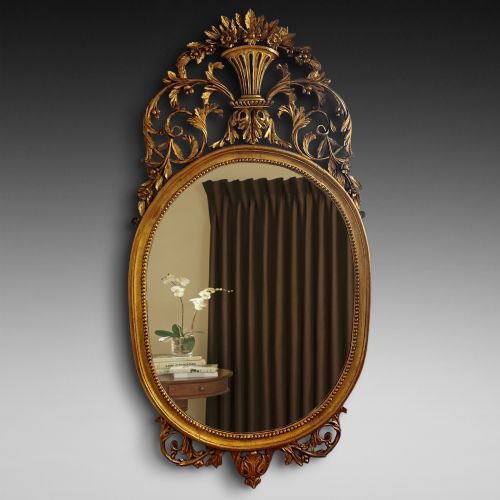
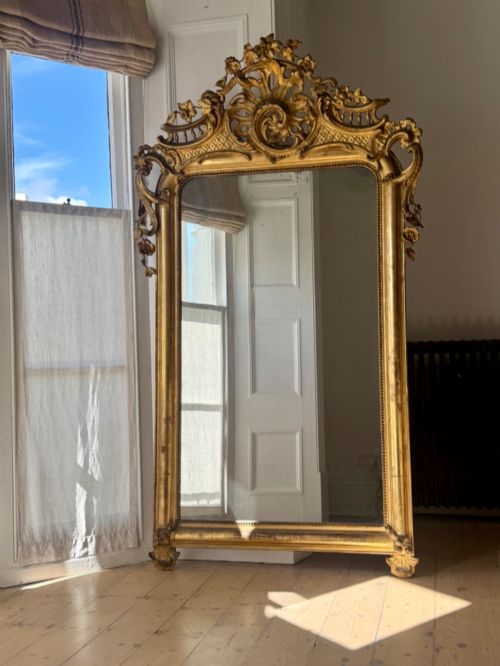
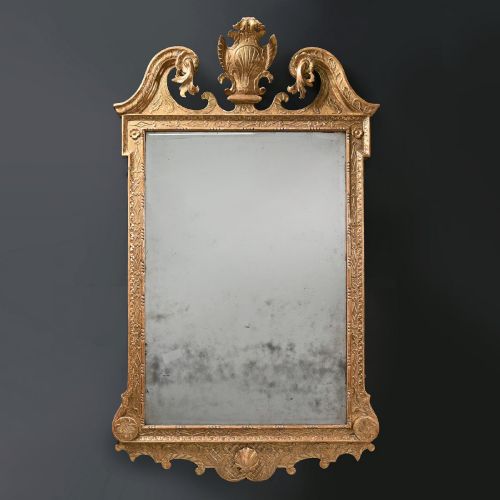
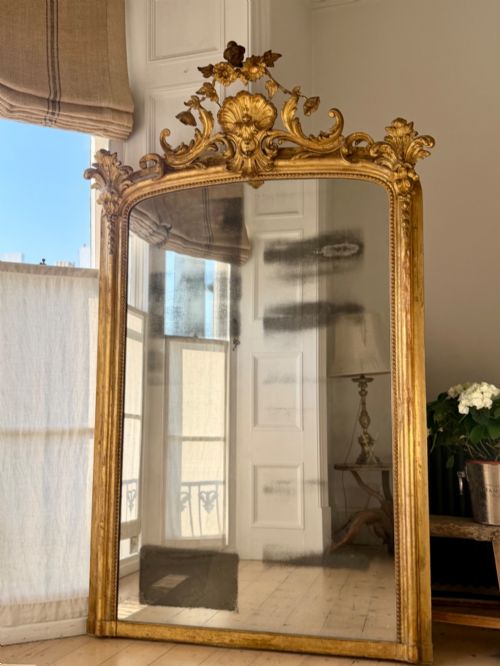
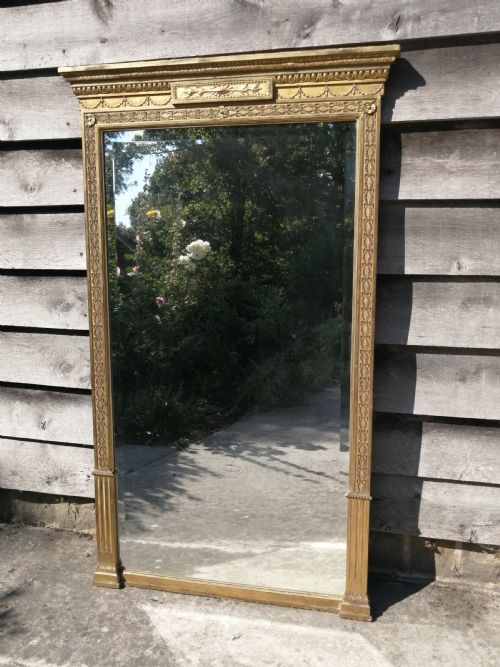
Gilded Pier Glass Mirror
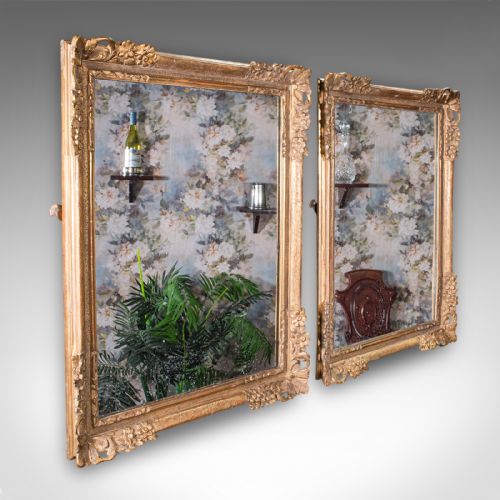
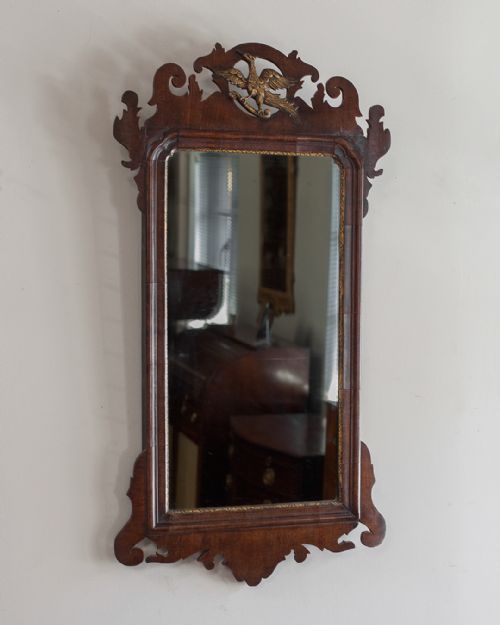
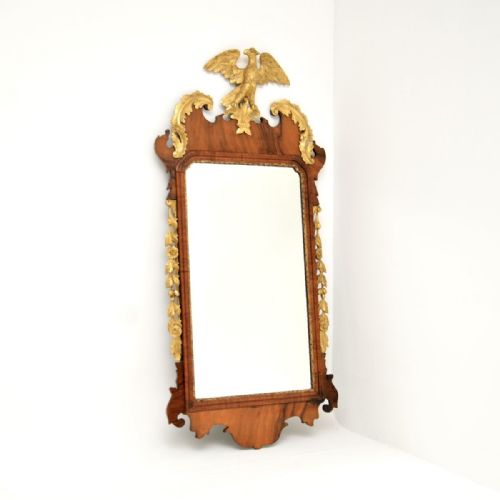
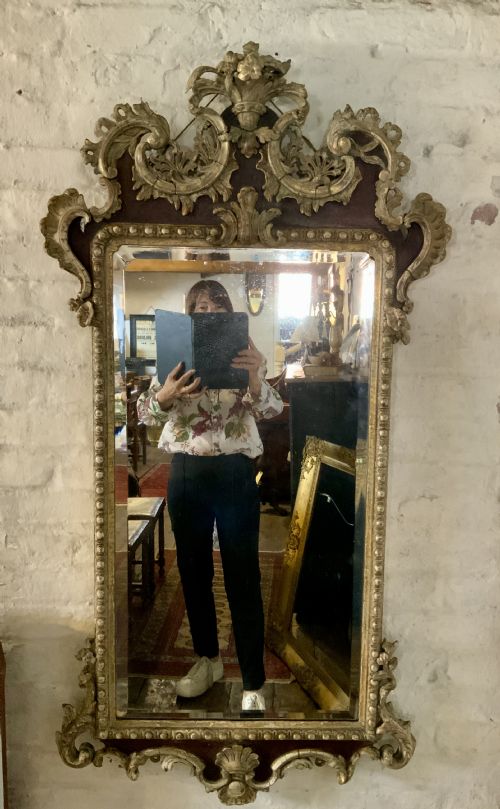
When you choose a gilded pier glass mirror, you select a tall wall piece designed to stand between windows, reflecting light into historic rooms.
Gilded Pier Glass Mirror
A gilded pier glass mirror is a tall and narrow wall glass designed specifically to occupy the vertical wall space, known as the pier, situated between two windows in a formal room. These pieces reflect natural daylight deeper into the apartment and create an impression of greater room height.
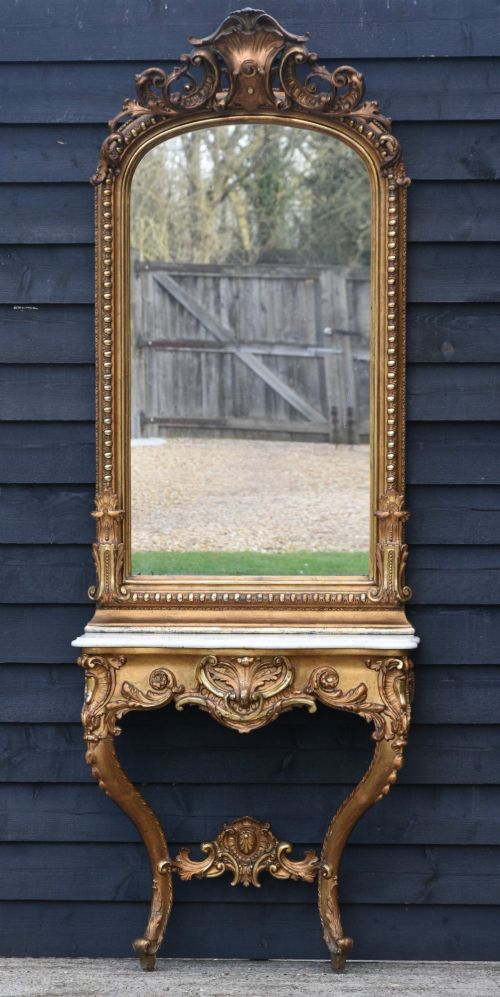
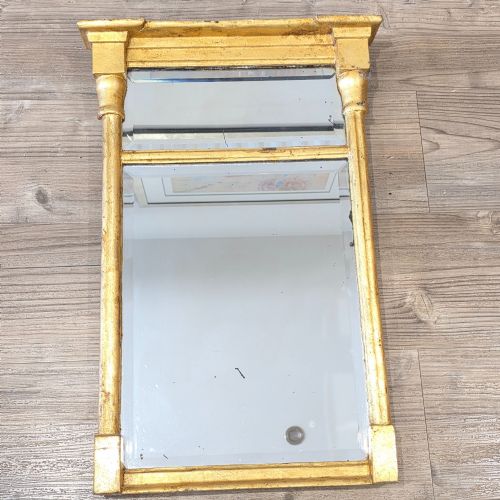
The selections span the 18th century, Regency period, and 19th century, incorporating styles such as Neoclassical, French Rococo Revival, and Victorian designs. Many examples originate from English and French workshops, occasionally paired with console tables or decorated with upper panels.
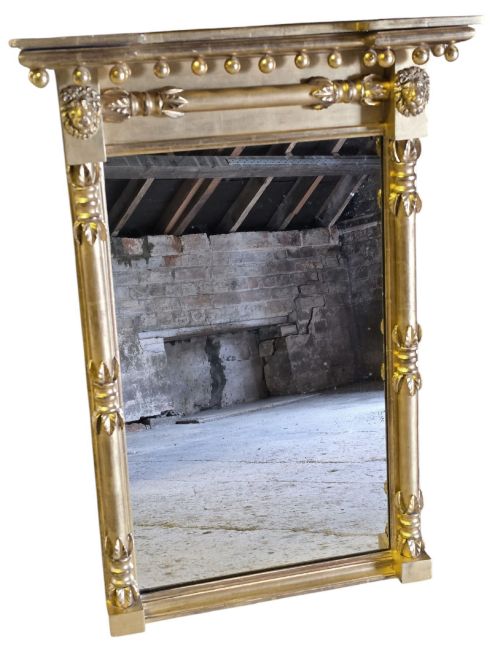
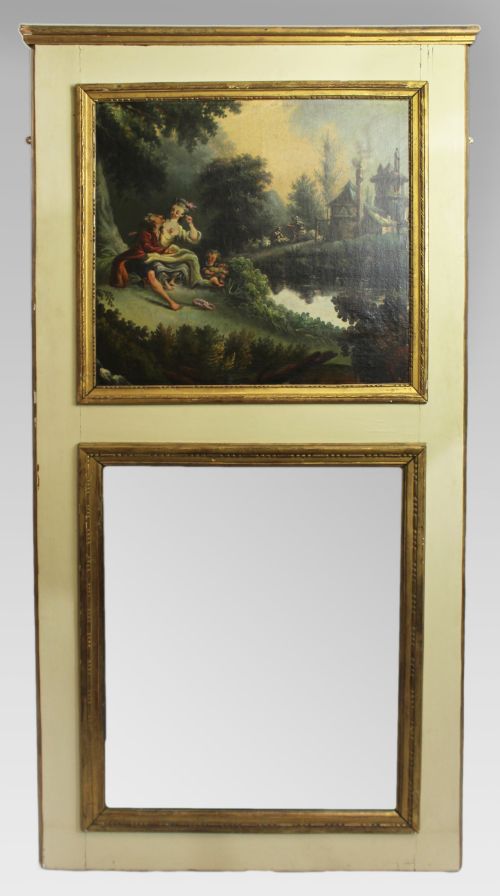
Buyers encounter variations including carved giltwood frames, painted finishes, and mirrors featuring verre eglomise panels or pastoral oil paintings above the main glass plate. Forms range from straightforward upright rectangles to grander architectural shapes incorporating lion masks or gilt gesso details.
How they were made
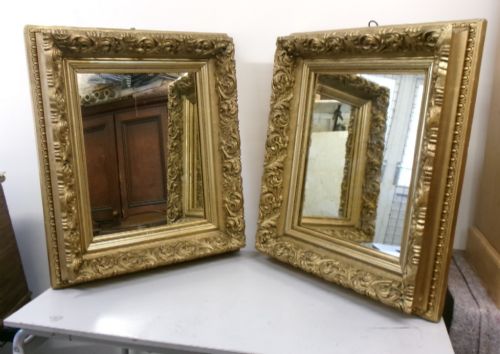
Makers constructed the structural frames from timbers such as mahogany, walnut, and general wood, applying layers of gesso to carve intricate ornamentation before applying gold leaf or paint. Composition material also appears on decorative mouldings in later 19th-century pieces.
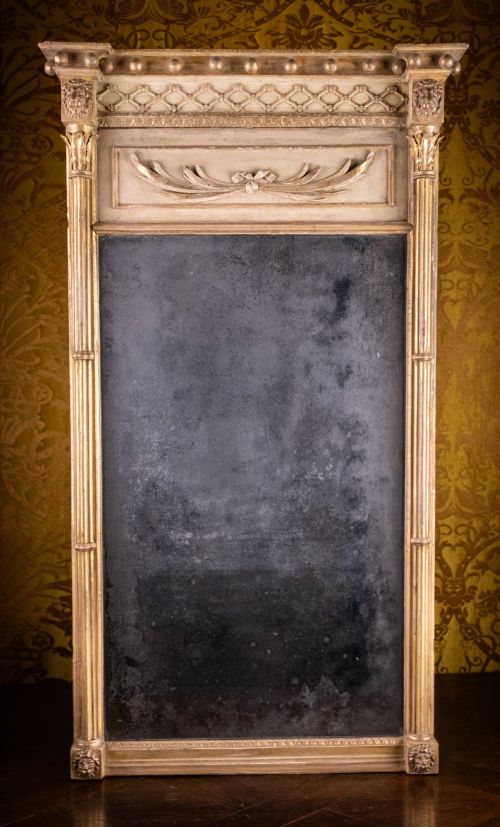
Glass plates included early mercury glass, often showing foxing, alongside original mirror plates and specialised verre eglomise reverse-painted glass panels. Artisans frequently combined carved giltwood with inset oil paintings depicting seascapes or pastoral scenes.
Materials across these listings encompass giltwood, gesso, mercury glass, mahogany, walnut, and composition ornament.
What varies in quality
The depth and crispness of the hand-carved gesso and giltwood ornamentation separate standard productions from masterworks, particularly where fine details like lion masks or acanthus leaves retain their sharp definition. Superior examples display harmonious proportions that complement the architectural scale of period interiors.
The integrity and originality of the mirror plate itself influence value, with authentic mercury glass or original silvered plates showing age character that replacement glass lacks. Cohesion between the frame, original gilding layers, and integrated upper decorative panels distinguishes exceptional survival rates.
Gillows Of Lancaster·William Kent·John Belchier
The Gilded Pier Glass Mirror Glossary
- Pier glass
- A tall mirror specifically proportioned to hang on the wall space between windows. These objects maximise ambient room light.
- Giltwood
- Timber that has been coated with gold leaf over a prepared gesso ground. This technique creates a rich metallic surface finish.
- Verre eglomise
- A cold decoration technique where design work is applied to the reverse side of glass using gold or silver leaf and pigment. It frequently appears as an upper panel above the main mirror glass.
- Trumeau
- A decorative wall panel incorporating a painted canvas or oil artwork alongside a mirror plate. These French pieces often combine landscape scenes with gilt frames.
- Gesso
- A mixture of plaster of Paris and binder used as a base layer on wood frames. Artisans carve fine details directly into this hardened substance before gilding.
Gilded Pier Glass Mirror: Frequently Asked Questions
Where should a pier glass mirror be hung?
These mirrors are traditionally positioned on the narrow wall space between two adjacent windows. This placement captures natural daylight and bounces it back into the interior.
They also work effectively above mantelpieces or console tables when the vertical proportions suit the room height.
What is mercury glass?
Mercury glass refers to antique mirror plates produced by pouring a silvering amalgam behind the glass sheet. Genuine examples develop characteristic dark spots and foxing over time.
This ageing process creates a soft, mottled reflection valued by collectors of 18th-century and Regency furnishings.
Can I place a console table beneath it?
Many pier mirrors were originally manufactured as matched sets with console tables designed to sit directly underneath them. Surviving examples demonstrate how the table and mirror share consistent gilding and style.
Even when acquired separately, pairing a mirror with a marble-topped console creates a balanced architectural arrangement.