
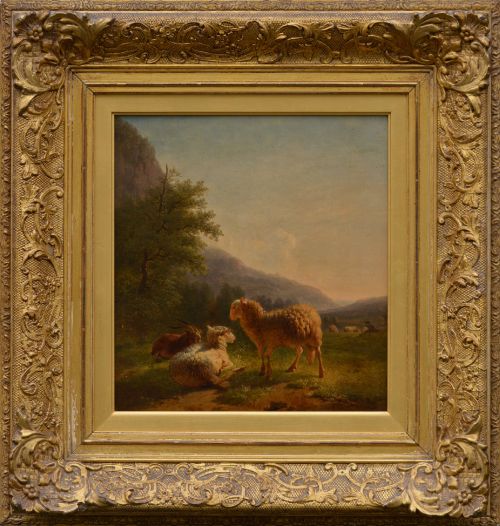
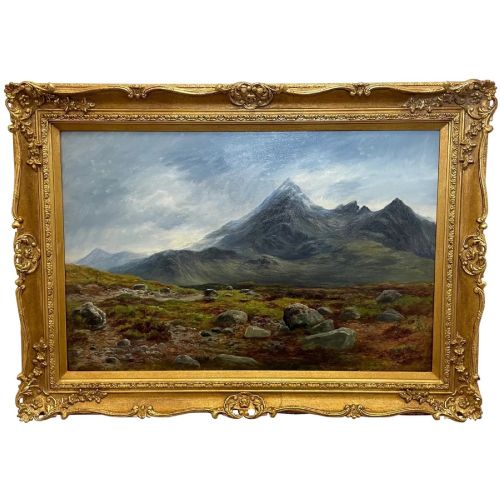
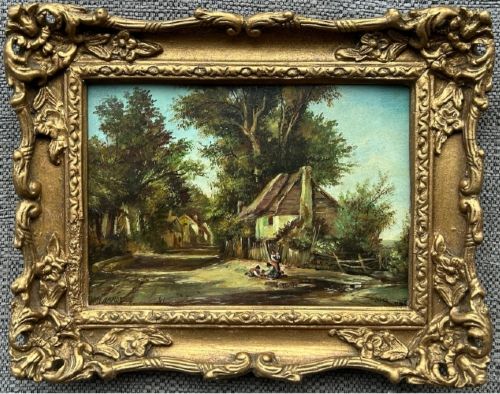
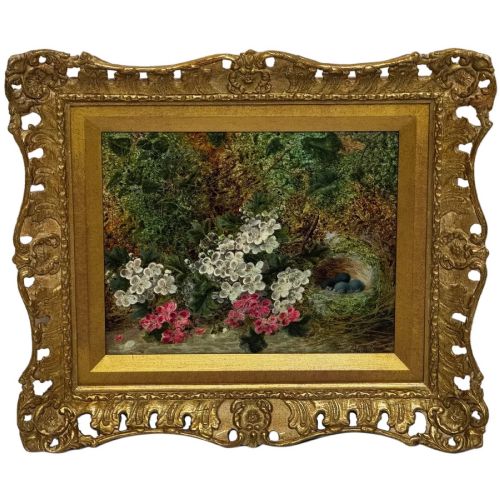
Ornate Gold Frame Artwork
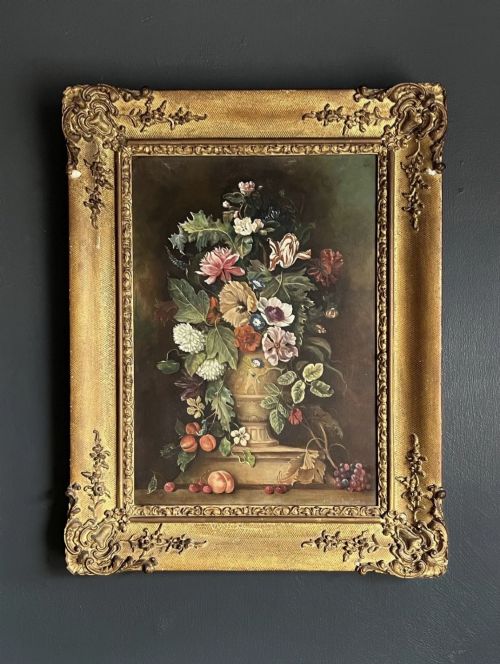
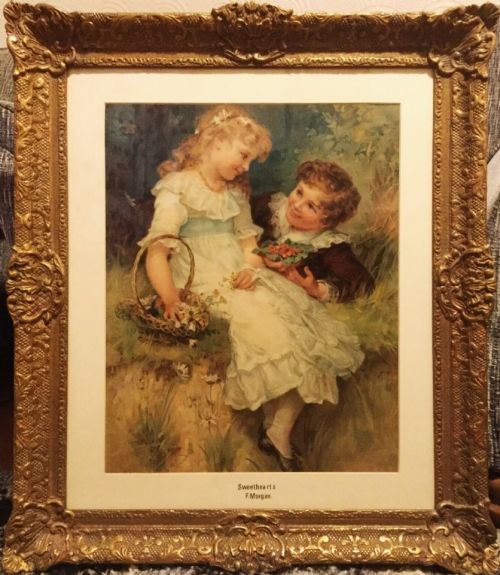
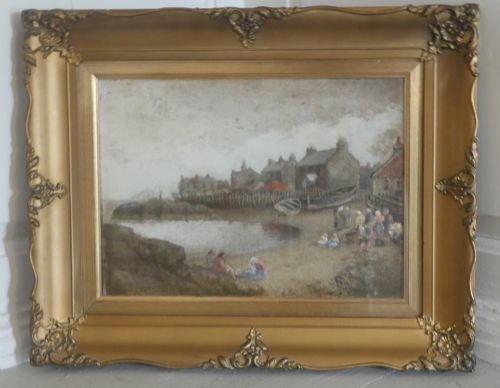
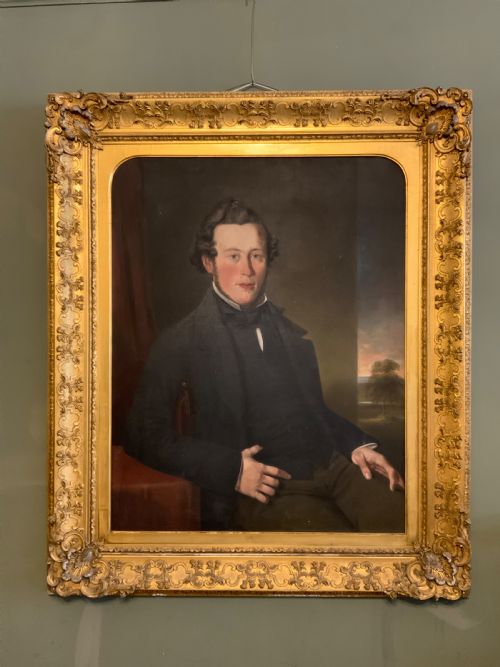
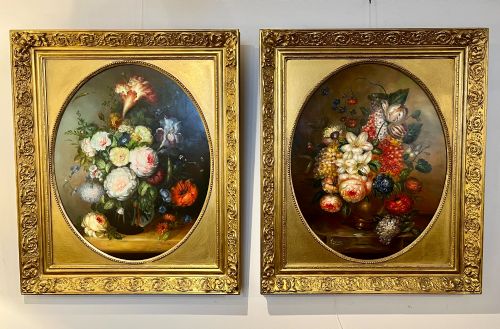
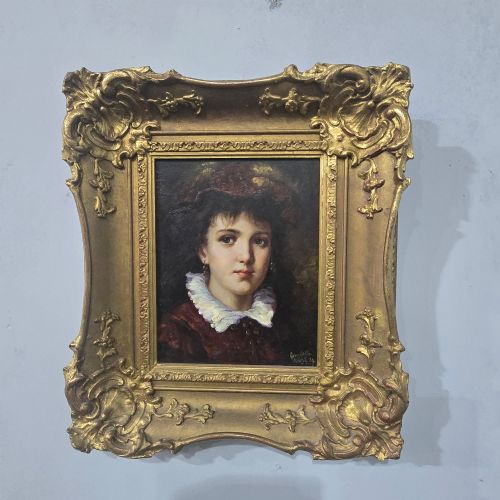
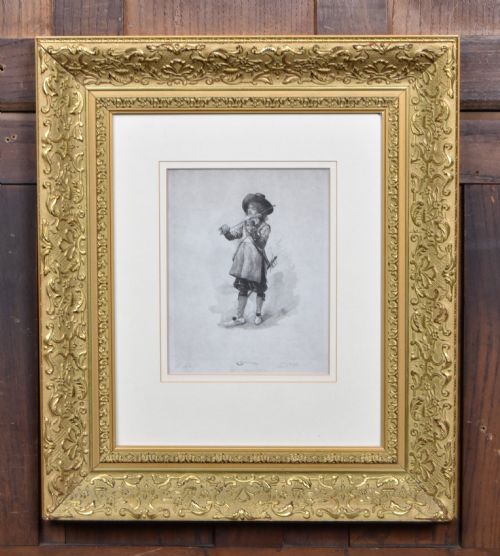
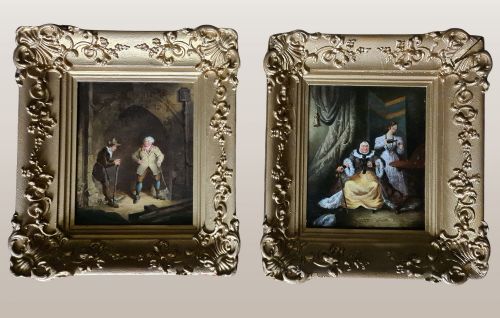
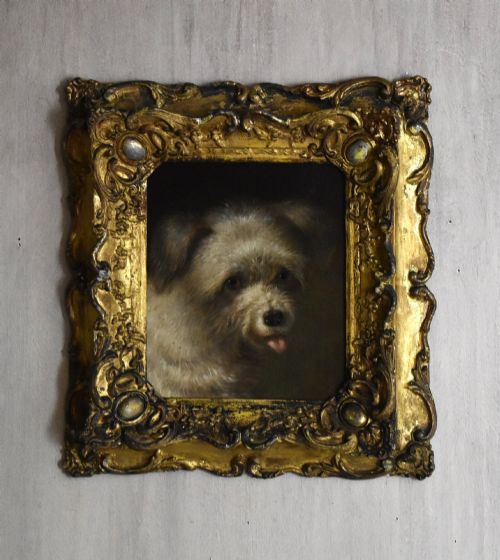
These pieces of ornate gold frame artwork bring together rich oil paintings and elaborate surrounds that lift a wall.
Ornate Gold Frame Artwork
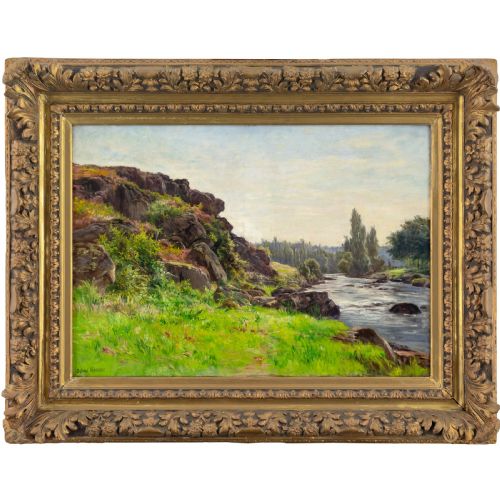
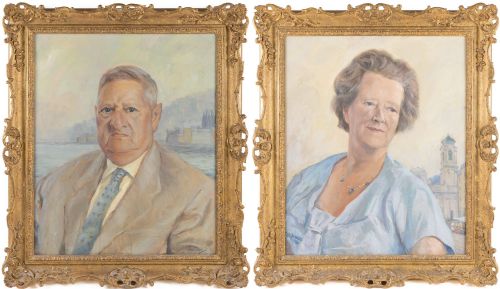
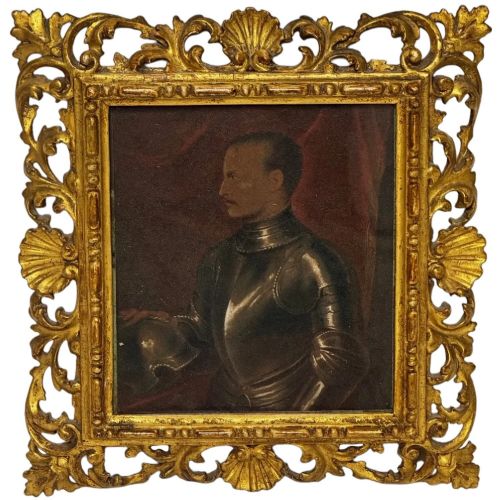
When searching for ornate gold frame artwork, buyers encounter a distinct mix of historical paintings, portraits, and landscapes housed within heavy metallic mouldings. The selection spans the nineteenth century through to the mid-twentieth century, offering oil paintings alongside occasional prints and pastels.
The most frequent form on this page is the oil painting on canvas or panel, often enclosed in a robust wooden surround finished in gesso and gold leaf. These works draw on various established traditions, including Dutch still life compositions, Scottish landscapes, and British portraiture.
Originating from periods such as the Regency era, Victorian decades, and the early twentieth century, these items reflect the dominant artistic tastes of their respective decades. Buyers find everything from intimate floral studies to large cityscapes, each pairing visual artwork with a prominent gilded enclosure.
How they were made
The physical build of these items relies heavily on traditional woodworking techniques where timber frames are carved or moulded, then layered with gesso to create crisp relief details. Artisans then apply gold leaf or gilt finishes over the prepared surface to achieve a bright, reflective sheen.
Within the frame, artists employed oil paint on stretched canvas, wooden panels, or board supports, utilising pigments that have endured across centuries. The integration of canvas and wood with the heavy gilt surrounds represents a collaborative craft between painter and framemaker.
The listings span from the seventeenth century through the Regency and Victorian periods up to the mid-twentieth century.
What varies in quality
Quality in these pieces is dictated by the fineness of the hand-carved detail on the moulding and the depth of the gilding technique. Superior surrounds display crisp relief work and subtle burnishing, whereas lesser examples show flat casting or painted metallic substitutes.
On the canvas, the skill of the brushwork, handling of light, and anatomical accuracy separate master works from standard studio output. The harmony between the artwork and its specific gilt enclosure also influences the overall standing of the piece.
Eugène Verboeckhoven·William Beattie-Brown·Oliver Clare·Edgar Hunt·David Teniers The Younger
The Ornate Gold Frame Artwork Glossary
- Gesso
- A plaster mix applied to wood frames as a base for gilding. It provides a smooth, buildable surface for intricate ornamentation.
- Giltwood
- Timber that has been coated in gold leaf or a gold-coloured finish. This material forms the core structure of many traditional picture surrounds.
- Oil on Canvas
- Pigment mixed with drying oil applied to a woven fabric support. This technique allows for rich colour depth and lasting durability.
- Rococo Revival
- A nineteenth-century style drawing on asymmetrical scrollwork and natural motifs. It produces highly decorative, flowing frame patterns.
- Pre-Raphaelite
- An artistic movement focused on detailed naturalism and vibrant colours. Works from this circle often feature romantic or literary subjects.
Ornate Gold Frame Artwork: Frequently Asked Questions
Are these oil paintings original period works?
The selection includes genuine nineteenth-century and early twentieth-century oil paintings created by named artists and regional schools. Each piece relies on period materials such as canvas and wood.
Examining the back of the panel or canvas often reveals age indicators like oxidised nails, stamps, and historic labels confirming the era.
How should I clean a gilt gesso frame?
Dust these decorative surrounds gently using a soft, dry artist brush or a feather duster. Avoid damp cloths or chemical cleaners, which can strip the delicate gold leaf.
Water and commercial sprays damage the underlying gesso layer, so keeping the surface strictly dry preserves the original metallic finish.
What lighting suits gold frame artwork best?
Warm, indirect lighting highlights the metallic sheen of giltwood without causing glare on the oil painting surface. Natural daylight from the side enhances the texture of the brushwork.
Positioning the piece away from direct, harsh sunlight prevents the oil pigments and the wooden backing from drying out prematurely.