

Framed Pastoral Scene Artwork
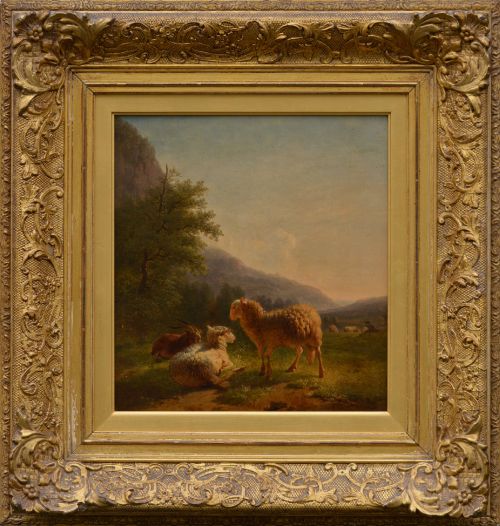
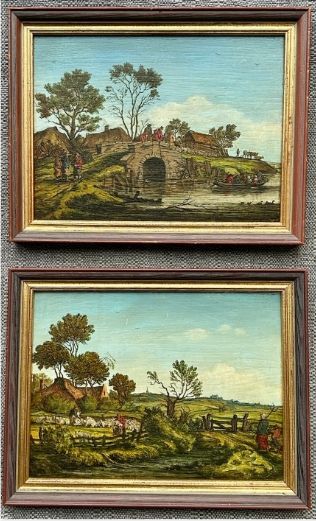
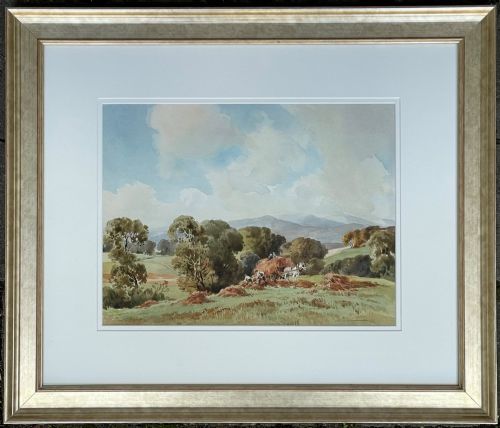
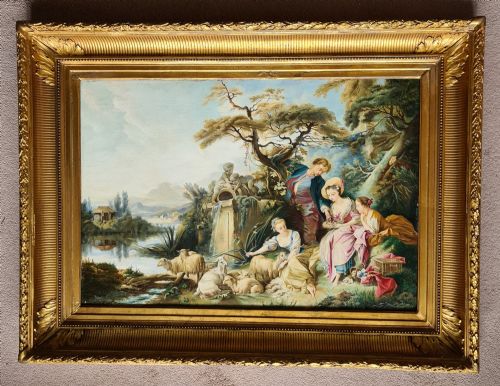
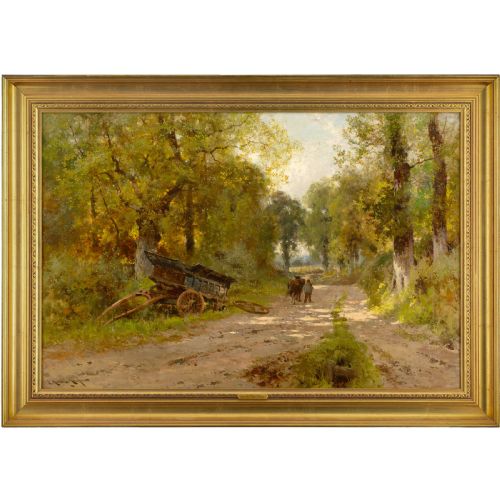
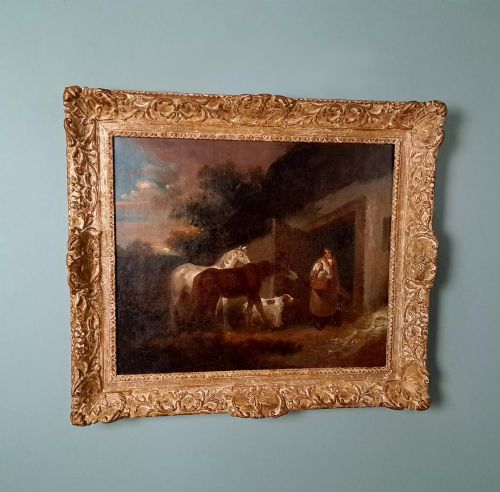
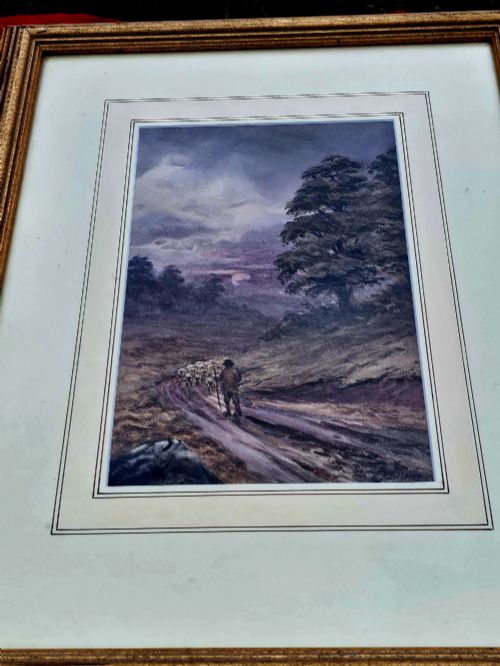
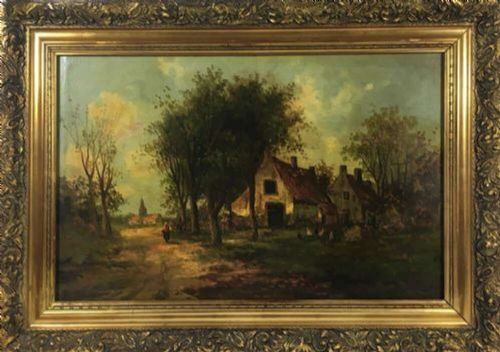
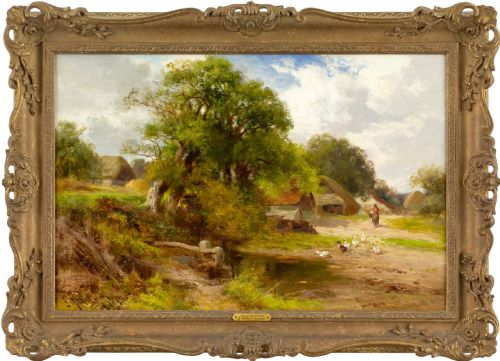
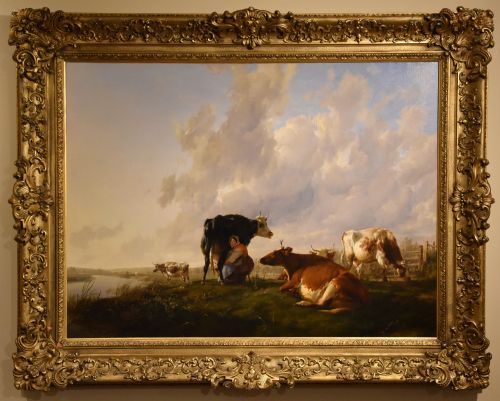
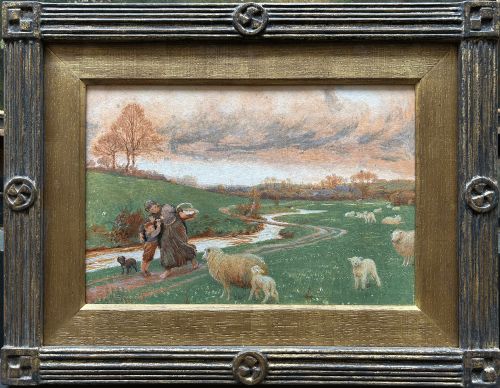
When you search for framed pastoral scene artwork, you find oil paintings, watercolours, and engravings depicting shepherds, cattle, and rural countryside life.

Framed Pastoral Scene Artwork
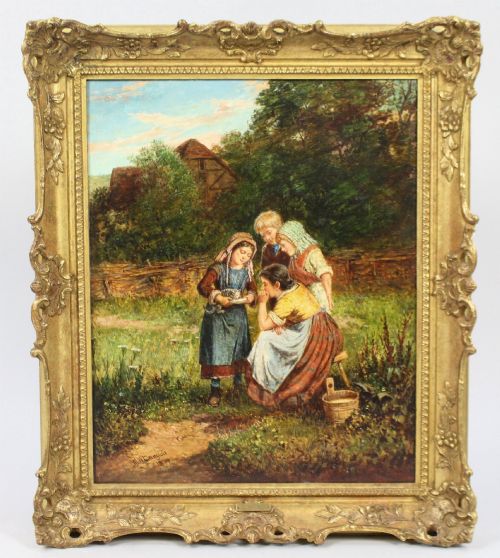
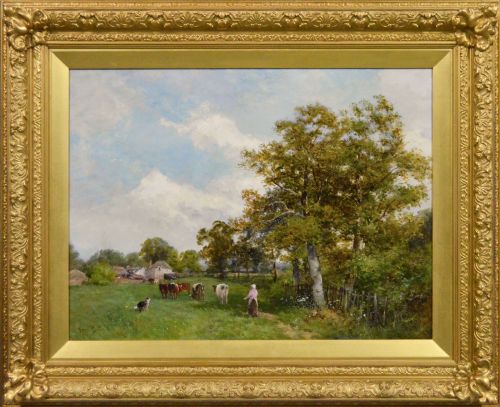
Framed pastoral scene artwork encompasses rural landscapes, farmyard views, and depictions of shepherds, cattle, and milkmaids in open countryside. These pieces capture an idealized view of rural life that appealed strongly to collectors in the nineteenth and early twentieth centuries.
The version you are most likely to meet on this page is a nineteenth-century oil painting on canvas or wood panel, often housed in a decorative giltwood frame. British and French artists dominate the selection, showing river valleys, cottages, and herdsmen at work.
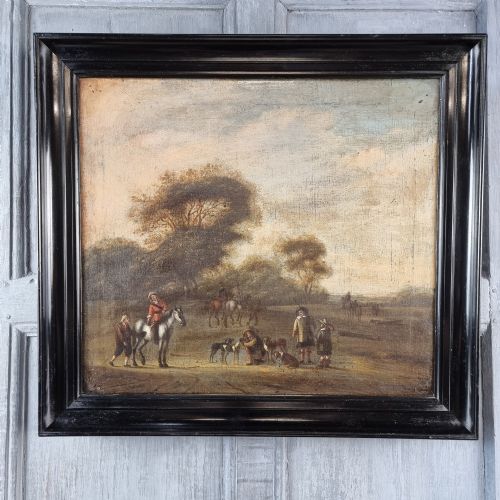
Earlier examples extend back to the seventeenth century, drawing on classical landscape traditions or followers of continental masters. Watercolours and etchings from the Edwardian era also appear regularly, offering softer tones and intimate paper supports.
Materials and technique
Painters used oil on canvas, wood panels, or oak boards, building up rich textures with layered brushwork to render livestock and foliage. Watercolours on paper offer a lighter alternative, utilising transparent washes to capture changing river light and open skies.
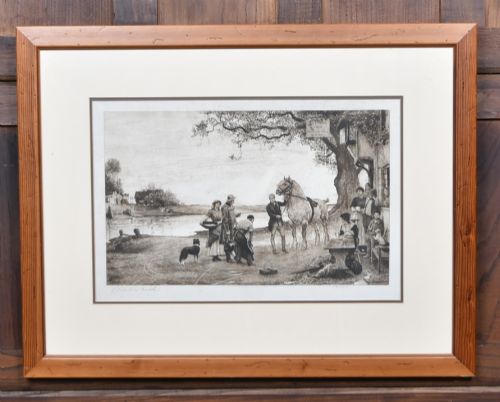
Frames played an integral role, typically constructed from wood and finished with gesso, gold leaf, or giltwood moulding. Etchings and engravings utilised inked metal plates pressed onto paper, allowing multiple impressions of detailed pastoral compositions.
Listings span the seventeenth to the twentieth centuries, featuring oil paintings, watercolours, and engravings in wood and giltwood frames.
Judging the work
Quality rests upon the artist's ability to render animal anatomy and human figures convincingly within a landscape. Stronger pieces display confident brushwork in the rendering of cattle or sheep, alongside a balanced composition that guides the eye through the rural scene.
The proportion and finish of the frame also influence the piece, particularly where original giltwood or gesso mouldings complement the age of the canvas. Finer works maintain depth in the background and atmospheric perspective in the sky, avoiding flat or formulaic foliage.
Eugène Verboeckhoven·William H Myers·W Klombeck·Percy Lancaster·Francois Boucher·John Horace Hooper·William Joseph Shayer Senior·EJ Letheren·Mark William Langlois·David Bates·Robert W Macbeth·Thomas Sidney Cooper·Frederick Walker·Richard Redgrave·George Oyston·Frederick James Kerr·William Watson Jnr·Douglas Cameron·Johann Friedrich Voltz·T C Hofland·Henry H Parker·Miles Birkett Foster·Frederick Hines·Charles Zacharie Landelle·Thomas Baker
The Framed Pastoral Scene Artwork Glossary
- Pastoral
- Depicting country life, shepherds, and agricultural scenes in a peaceful setting. These subjects romanticised rural labour and domestic harmony.
- Gesso
- A plaster mixture applied to wood frames before gilding. It provided a smooth surface for carving intricate decorative motifs.
- Giltwood
- Wood carved and covered with a thin layer of gold leaf or metal powder. It created the ornate, reflective frames typical of nineteenth-century salons.
- Etch
- A printmaking technique where acid bites lines into a metal plate. The resulting grooves hold ink for transfer onto paper.
- Panel
- A flat piece of wood used as a painting support instead of canvas. Oak and mahogany were common choices for smaller works.
Framed Pastoral Scene Artwork: Frequently Asked Questions
What defines a pastoral scene?
A pastoral scene focuses on rural subjects such as shepherds, cattle, farmyards, and cottages in an idealized landscape setting. These artworks draw on classical traditions of country life.
Artists frequently placed animals and figures in foreground positions to give scale and narrative interest to river valleys and woodland views.
Are these works original paintings?
The selection includes original oil paintings on canvas and wood panels, alongside original watercolours on paper. Each medium offers a different texture and depth of colour.
Print formats such as etchings and engravings also appear, representing both contemporary printmaking and copies after earlier masters.
How do I care for an oil painting?
Oil paintings on canvas or panel require stable environmental conditions away from direct sunlight and excessive humidity. Dust should be removed gently with a soft, dry brush.
Avoid using water or cleaning solvents on the painted surface or the giltwood frame, as moisture can damage the gesso and pigments.
When were most of these pieces made?
The majority of the pieces date from the nineteenth century, spanning Victorian realism and romanticism. Works range from early nineteenth-century panels to Edwardian watercolours.
Earlier examples from the seventeenth century and later twentieth-century interpretations also contribute to the stylistic range.