



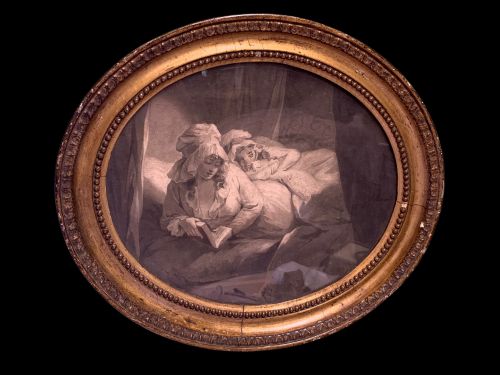
Antique Oval Wall Art
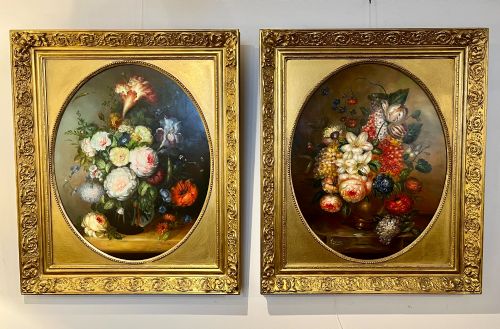
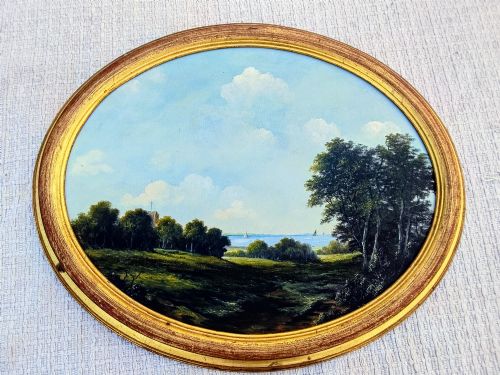
Antique oval wall art brings historic portraiture and intimate framed scenes into domestic interiors through curved wooden or gilded surrounds.

Antique Oval Wall Art
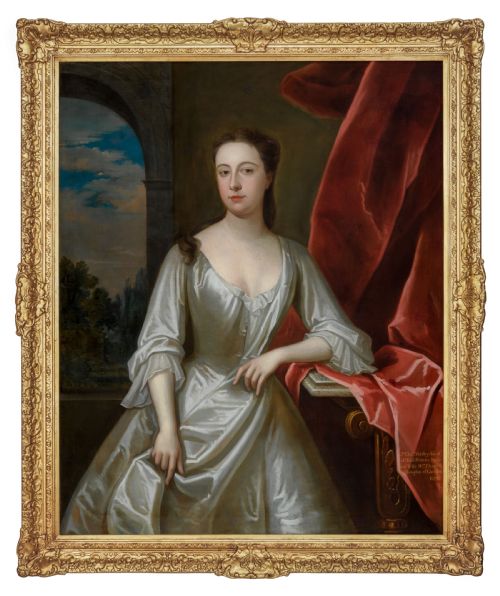
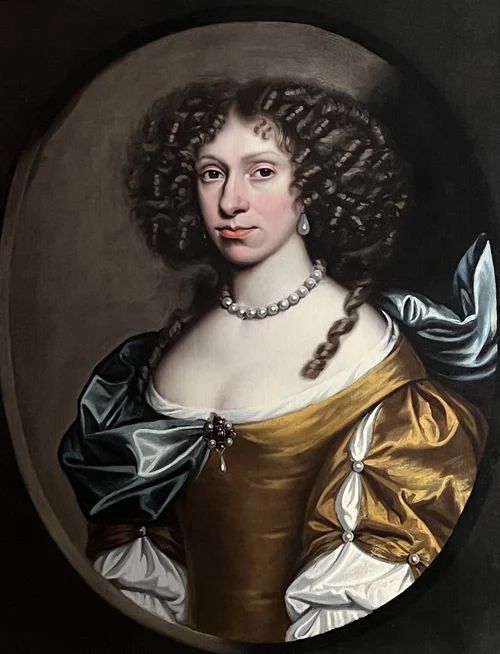
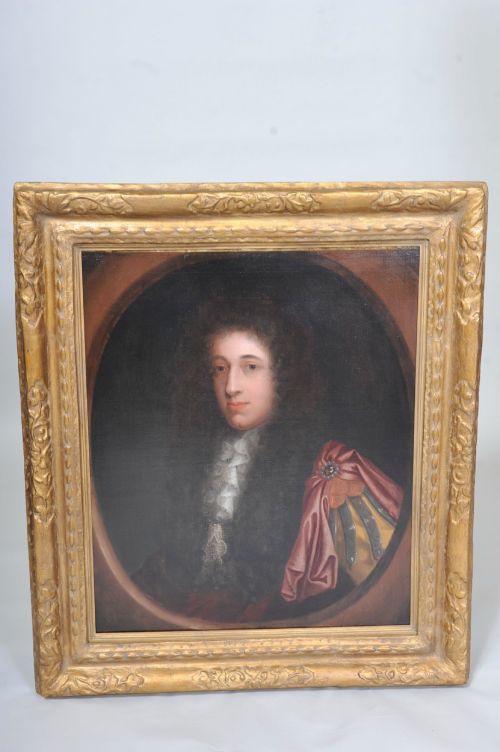
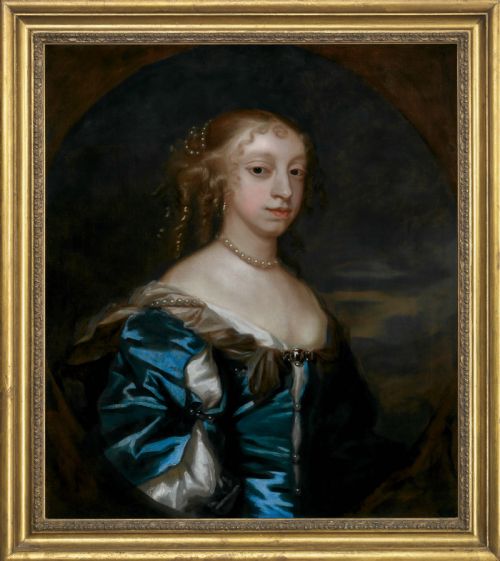
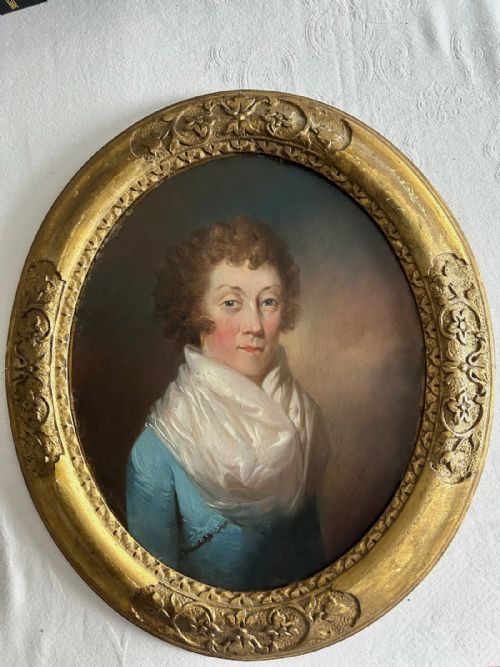
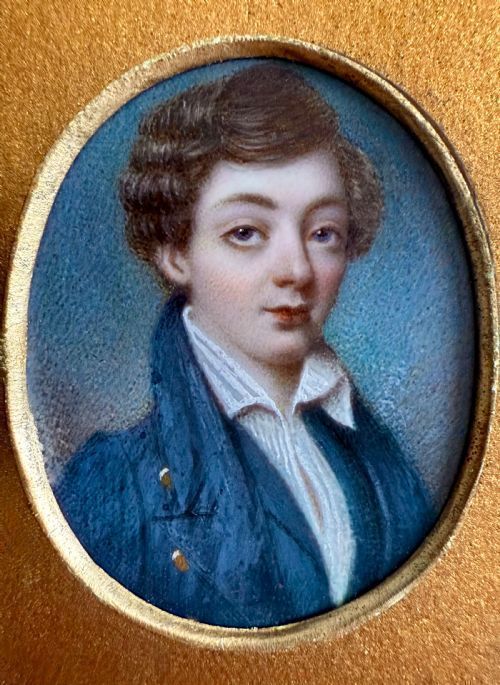
Antique oval wall art encompasses oil paintings, pastels, engravings and portrait miniatures set within curved frames. Buyers seeking these items will find works dating from the seventeenth, eighteenth and nineteenth centuries.
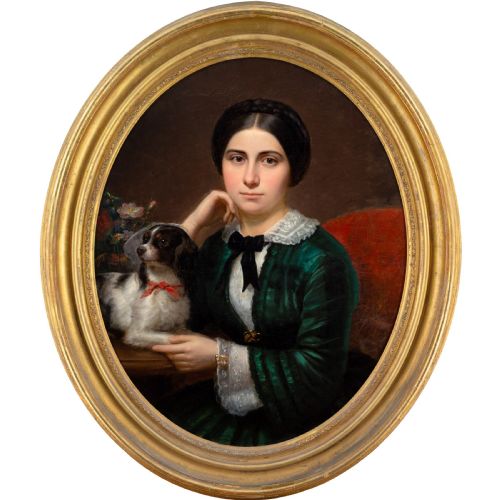
The selection leans heavily toward portraiture in oil on canvas or pastel, alongside framed prints and engravings. Examples range from early depictions of nobility to nineteenth-century romantic studies.
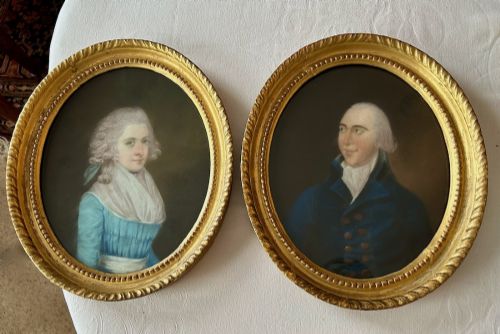
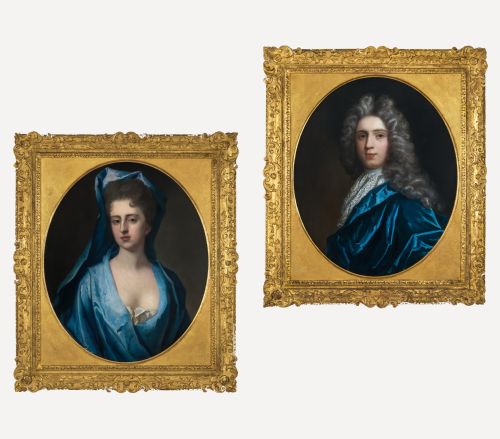
Makers and schools represented include British and European portraitists working across the Georgian, Regency and Victorian eras. These pieces occupy wall spaces individually or in pairs, retaining their original glazing and surrounds.
How they were made
Makers applied oil paints to canvas or board, and pastels to paper, shaping the support to fit curved wooden or giltwood frames. Many works employ gold leaf highlights on carved wooden surrounds to accentuate the circular edge.
Materials across the listings include oil on canvas, pastel, giltwood, copper, glass and gold leaf.
What varies in quality
Quality rests upon the execution of the brushwork and the preservation of the original surface. Portrait miniatures and oils attributed to named artists or established circles command attention for their finer detail.
The integrity of the frame matters equally, with period giltwood and carved wooden surrounds contributing substantially to the overall character of the piece.
Sir Godfrey Kneller·David Scougall·Michael Dahl·Thomas Murray·Richard Cosway·Vincent Clare·Allan Ramsay·John Russell·Charles Jervas·Richard Houston·Thomas Beach·Pieter Borseler·Jeremiah Davison·Louis Icart·Emily Eyres
The Antique Oval Wall Art Glossary
- Portrait miniature
- A small, highly detailed painting, often executed on vellum, card or ivory during the Georgian and Regency periods. These intimate works were frequently framed in matching oval formats for wall display.
- Giltwood
- Wood that has been coated with a thin layer of gold leaf or gold paint. This technique appeared widely on eighteenth and nineteenth-century picture frames.
- Pastel
- A dry medium consisting of powdered pigment and a binder, worked onto paper to create soft portraits. Works in this medium require glass protection to prevent the pigment from shifting.
- Mezzotint
- A printmaking process where the copper plate is roughened to achieve rich tones and subtle gradations of light and shade. Eighteenth-century examples often translate oil paintings into collectible prints.
Antique Oval Wall Art: Frequently Asked Questions
How do I hang antique oval wall art?
These pieces require sturdy picture hooks suited to the weight of the timber frame and glass. Secure the hanging wire or rings firmly to the original structure of the frame without altering historic fixings.
Position the art at eye level where direct sunlight will not fade the oil paint, pastel or paper beneath the glass.
Are original frames important?
Original frames provide historical context and structural harmony with the artwork inside. Giltwood and carved wooden surrounds dating from the same period as the canvas enhance the authenticity of the piece.
Matching an antique painting with a later frame alters its visual balance, making period-appropriate surrounds highly desirable to collectors.
How do I care for oil paintings on canvas?
Keep the canvas away from excessive moisture and extreme temperature fluctuations that cause wood to warp and paint to crack. Dust the surface gently with a soft, dry cloth without pressing down on the paint layer.
Professional cleaning should be left to conservators to avoid disturbing the original varnish and underlying pigments.
How can I tell the period of a frame?
Frame construction techniques, such as hand-carved joints and the application of gesso beneath gold leaf, indicate earlier craftsmanship. Seventeenth and eighteenth-century frames typically display heavier moulding and distinct patination compared to later reproductions.
Examining the backboards and fixings often reveals age markers like handmade nails or early screws.