

Ornate Gilt Framed Picture
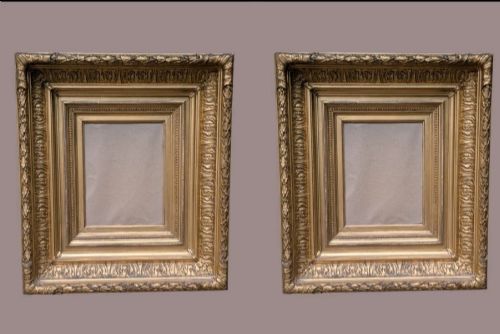
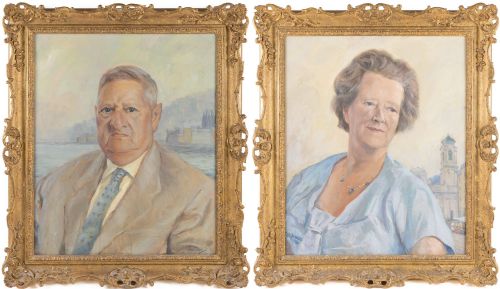
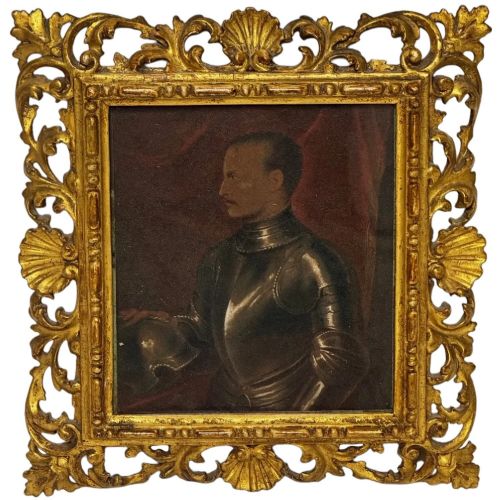
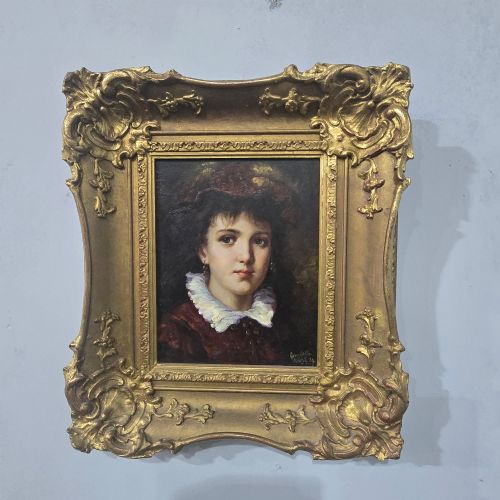
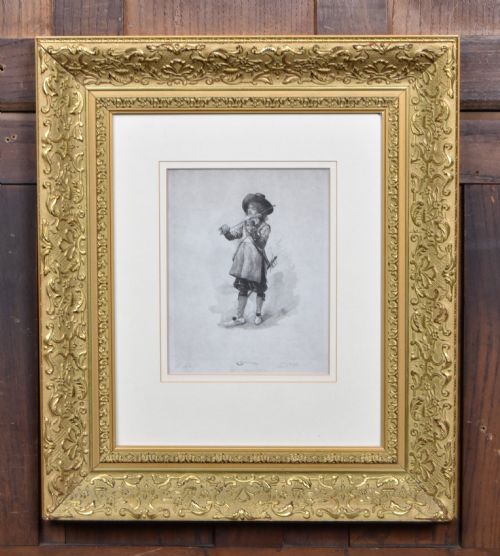
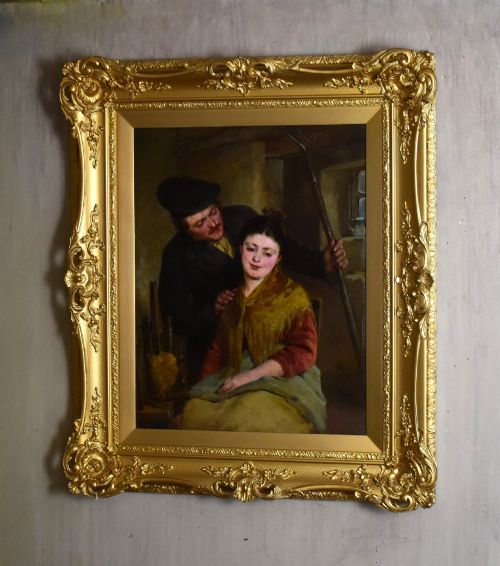
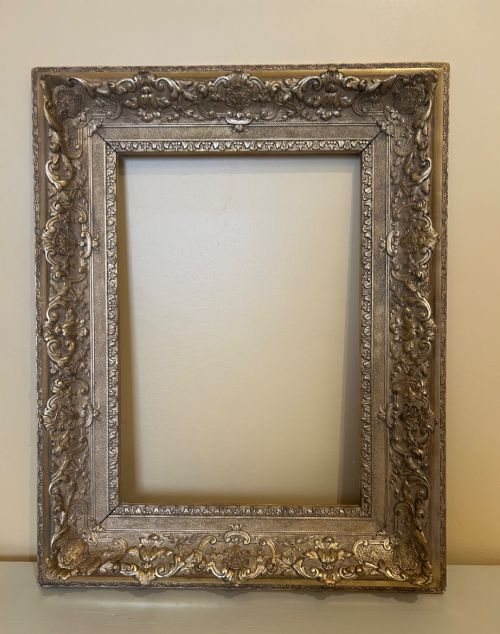
An ornate gilt framed picture brings warmth and heavy decorative presence to a room through gilded surfaces and detailed surrounds.
Ornate Gilt Framed Picture
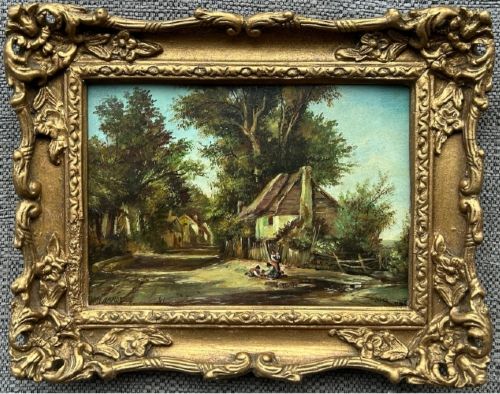
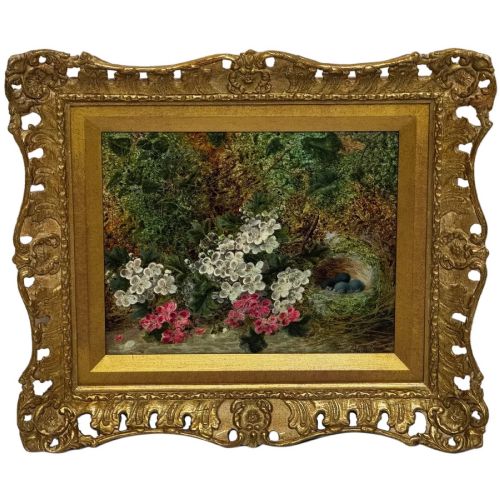
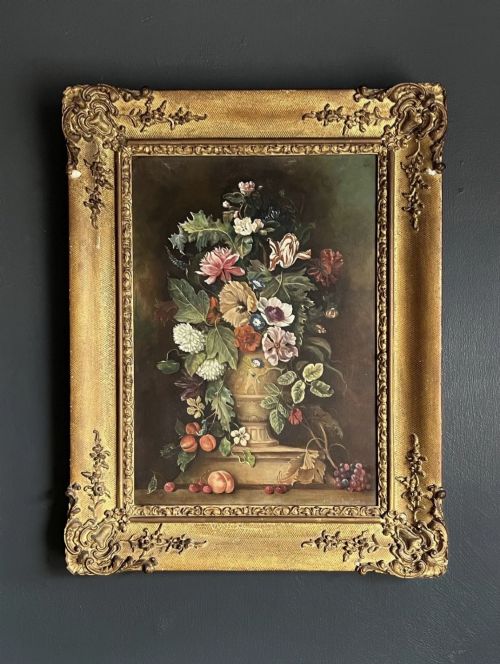
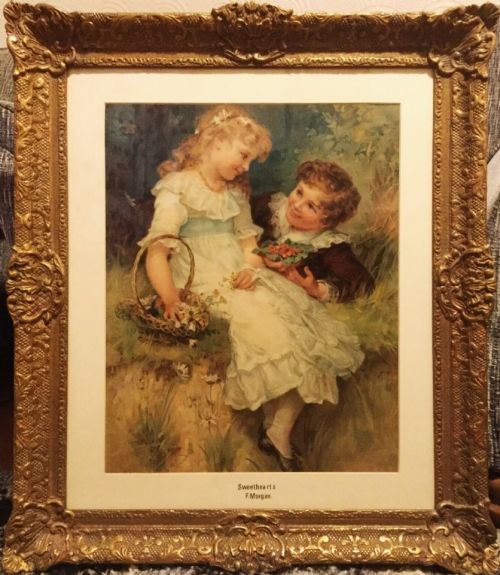
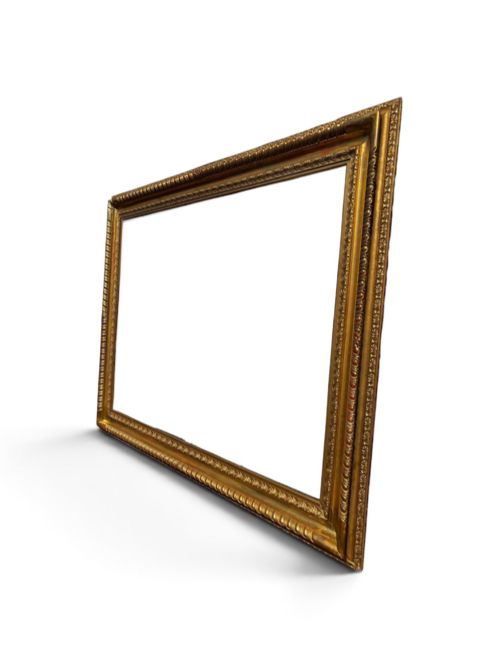
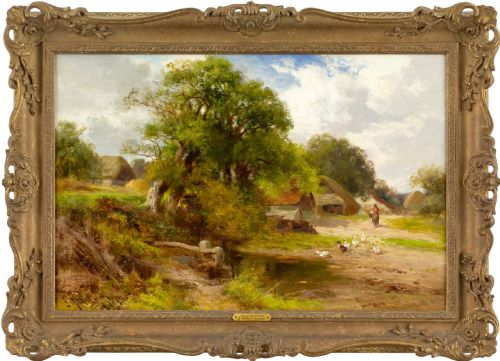
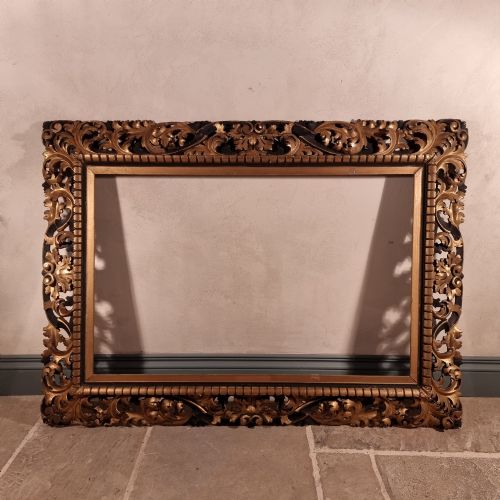
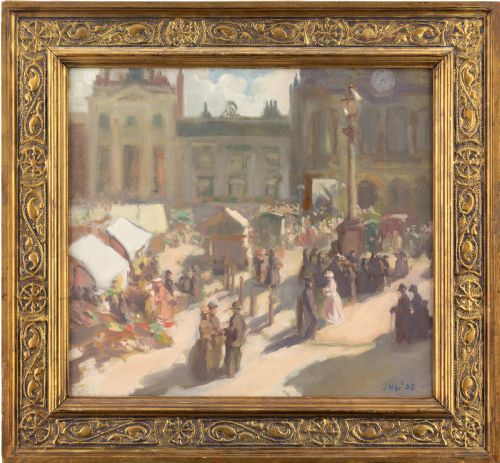
An ornate gilt framed picture combines a central visual artwork with a heavily decorated and gilded border designed to draw the eye. Buyers searching for an ornate gilt framed picture will encounter a range of formats spanning oils on canvas, watercolours, portraits, and empty frames.
The objects on this page originate from periods such as the nineteenth century, Edwardian era, and mid-twentieth century. Styles lean heavily towards Victorian and Rococo Revival aesthetics, bringing distinct nineteenth-century and early twentieth-century character to interiors.
Many listings pair original oil paintings or prints with swept frames, deep mouldings, and linen slips. These pieces function simultaneously as historical artworks and significant decorative wall ornaments.
How they were made
Makers built the structural foundation of each frame using timber, shaping wood to form deep profiles and complex architectural corners. Artisans then applied layers of gesso to the wooden base to create a smooth, responsive surface for subsequent ornamentation.
Gilding involved the application of gold leaf or gilt finishes over the prepared gesso and wood structure to achieve a brilliant metallic sheen. Canvases, panels, and boards received oil paint, pastel, or print applications, secured within the completed frames alongside glass where appropriate.
Ornate Gilt Framed Picture Retail Price Guide 2026
Typical asking prices for ornate gilt framed picture among the pieces listed under this phrase on Sellingantiques today, from the lower quarter to the upper quarter. They describe what is for sale here now, not the wider market.
Listings feature works created using oil on canvas, oil on board, pastels, watercolours, and oleograph prints.
What varies in quality
The depth and crispness of the moulded ornamentation determine the visual impact of the piece. Hand-modelled gesso work showing sharp relief and intricate scrolling distinguishes finer examples from simpler, flatter mouldings.
The integrity of the gilding and the preservation of the underlying timber substrate dictate the overall condition and visual coherence of the object. Heavier, substantial timber frames with intact gold leaf display a superior presence compared to lighter, distressed alternatives.
William Howard Hardy·Oliver Clare·Howard Helmick·John Horace Hooper·John Hodgson Lobley·George Rankin·Thomas Kent Pelham·Arthur Percy Dixon·John Arthur Lomax
The Ornate Gilt Framed Picture Glossary
- Gesso
- A plaster-like mixture applied to wood frames to create a smooth base for gilding. It allows artisans to carve or mould intricate decorative details.
- Giltwood
- Timber that has been coated with gold leaf or a gold-coloured finish. This material forms the primary structure of many decorative antique frames.
- Oleograph
- A type of chromolithograph printed on canvas to imitate an oil painting. These prints often appear within period gilt frames.
- Swept frame
- A frame style featuring deep, flowing curves and scrolling ornamentation. It gained popularity during the nineteenth century in revival styles.
- Linen slip
- A fabric-covered inner border placed between the painting and the outer frame. It provides a neutral visual transition for oil paintings.
Ornate Gilt Framed Picture: Frequently Asked Questions
What periods do these pieces come from?
The selection spans the nineteenth and twentieth centuries, incorporating Victorian, Edwardian, and later twentieth-century examples.
Items range from nineteenth-century oil paintings and frames to mid-twentieth-century Italian portraits and prints.
Are the frames sold with the artwork included?
Many listings feature complete pieces where the artwork and the gilt frame remain together as a single unit.
Other entries consist solely of empty picture frames designed to house separate artworks.
What materials were used to make the frames?
Makers constructed the frames using wood and gesso, finishing the surfaces with gold leaf or giltwood.
Some examples also incorporate bronze, champleve enamel, or fabric linen slips within the design.
What styles are most common?
Victorian and Rococo Revival styles dominate the selection, bringing ornate scrollwork and deep mouldings to the pieces.
Italian Renaissance Revival and nineteenth-century realism also appear across the paintings and frames.