



Ornate Gilded Side Table
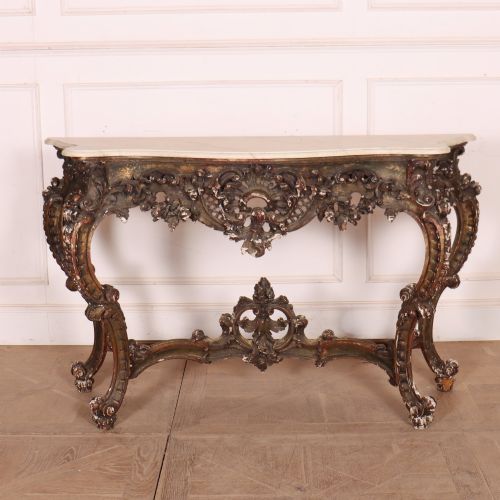
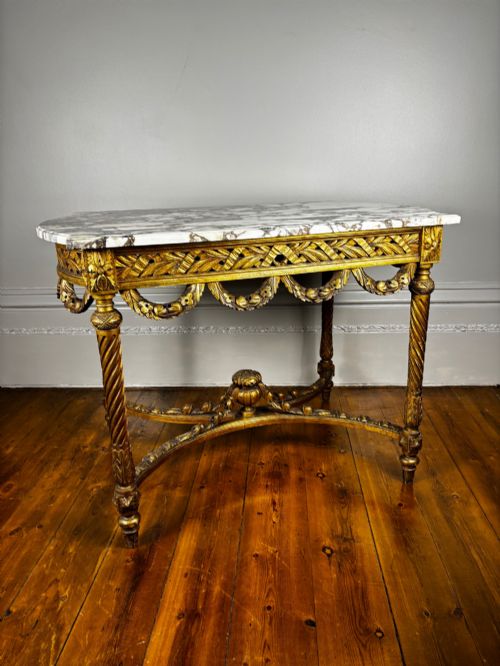
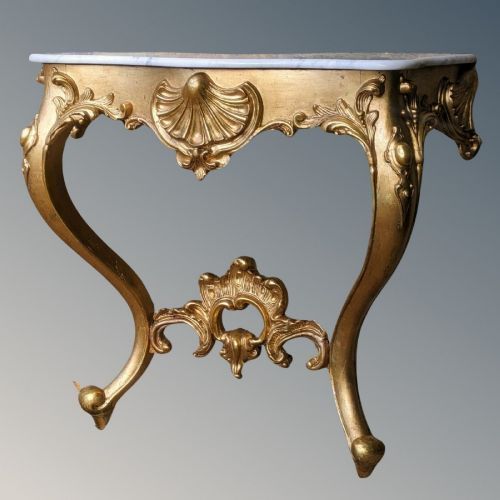
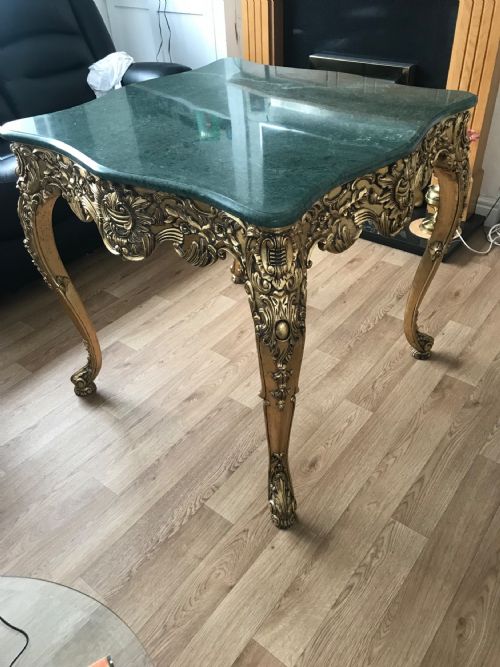
An ornate gilded side table brings reflective surface and carved exuberance into a room, drawing the eye with its gilded finish.
Ornate Gilded Side Table
When you search for an ornate gilded side table, you encounter pieces designed to command attention against a wall or beside seating. Console tables and occasional tables dominate the selection, often topped with polished marble or glass.
The periods represented span from the eighteenth century through the Victorian era into the twentieth century. French Rococo Revival and Italian Rococo styles appear frequently, alongside Venetian and Louis XV designs.
Forms range from console tables paired with mirrors to heavy games tables and carved pedestals. These items serve functional display roles while introducing decorative presence.
Materials and Techniques
Giltwood forms the primary structural foundation for many pieces, decorated with applied gesso and gold leaf to create brilliant reflective surfaces. Wood and carved elements receive elaborate shaping in styles inspired by French and Italian aesthetics.
Marble provides heavy, polished tops in white and green varieties, contrasting with the gilded frames below. Brass, ormolu, gilt bronze, and painted details further enrich the decorative vocabulary of these tables.
Carved wooden dolphins and putti occasionally peer out from beneath heavy marble tops, reminding everyone that furniture once possessed a theatrical sense of humour.
Judging Quality
The distinction between tiers rests upon the depth of hand-carving in the wood and gesso, alongside the crispness of the gilt surfaces. Superior examples display intricate detailing on figures like putti, dolphins, and rams heads rather than flat or purely moulded decoration.
Materials dictate upper levels of craftsmanship, notably through thick, solid polished marble slabs fitted precisely to frames. The integration of bronze mounts or parcel gilt paintwork indicates closer attention by makers during production.
The Ornate Gilded Side Table Glossary
- Giltwood
- Wood that has been coated with gold leaf over a prepared surface. This technique creates a luminous finish characteristic of formal European furniture.
- Gesso
- A plaster mixture applied to wood surfaces as a smooth base for gilding. It allows carvers to achieve sharp relief details before applying gold leaf.
- Ormolu
- Finely chased and gilt bronze mounts applied to furniture. The term derives from French describing ground gold.
- Console Table
- A table fixed against a wall, frequently supported by ornamental brackets or legs. These tables often feature marble tops and companion wall mirrors.
- Rococo Revival
- A nineteenth-century design movement resurrecting eighteenth-century asymmetrical scrollwork and natural motifs. It heavily influences many giltwood tables of the period.
Ornate Gilded Side Table: Frequently Asked Questions
Where should I place an ornate gilded side table?
These pieces suit entrance halls or principal reception rooms where their reflective surfaces and carved profiles create an immediate focal point. They perform well against plain walls that allow the gilding and marble to stand out.
Ensure the floor is level, as heavy marble tops require stable placement. Positioning them away from direct heat sources protects the gesso and wood structure over time.
How do I clean a marble top?
Use a soft, damp cloth with mild soap to wipe the polished surface, followed by a dry cloth to prevent water spots. Avoid acidic cleaners that etch marble.
Keep the gilded wooden base free of dust using a soft dry brush. Vigorous rubbing can damage delicate gold leaf or gesso relief.
What is the difference between giltwood and ormolu?
Giltwood refers to wooden frames covered with gold leaf, providing the main structural and decorative body of the table. Ormolu consists of gilded bronze used for mounts and decorative accents.
Both materials achieve a bright golden appearance but serve different structural purposes on nineteenth-century and earlier furniture.
How can I identify a Rococo Revival piece?
Look for characteristic C-scrolls, shell motifs, asymmetry, and naturalistic floral carvings echoing eighteenth-century French design. These elements appear frequently on nineteenth-century tables.
The presence of heavy gesso work and gilded surfaces further points toward this revival aesthetic.