



Gilded Plant Stand
These gilded plant stand selections bring classical elegance to rooms, offering elevated surfaces for flora crafted in giltwood, marble and bronze.
Gilded Plant Stand
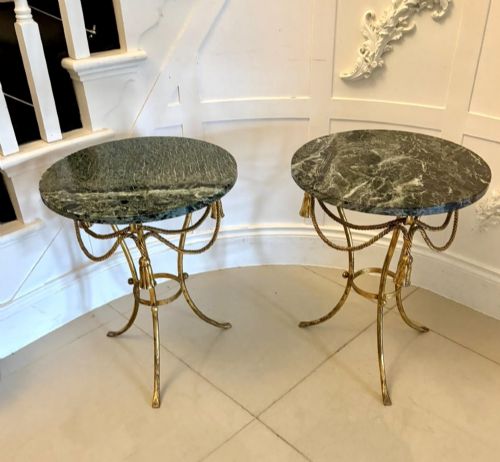
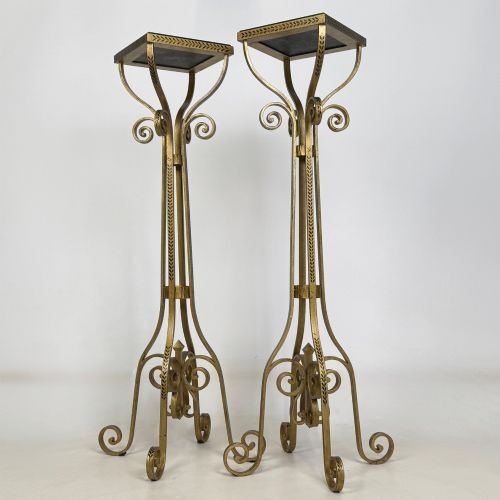
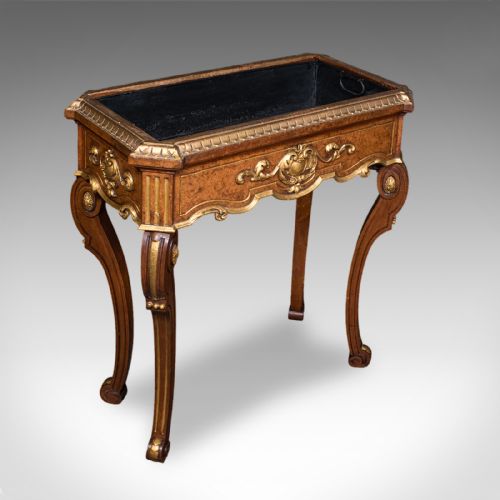
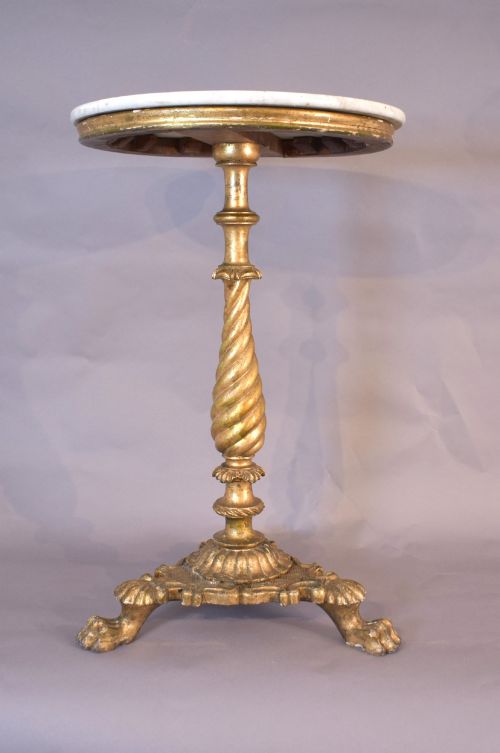
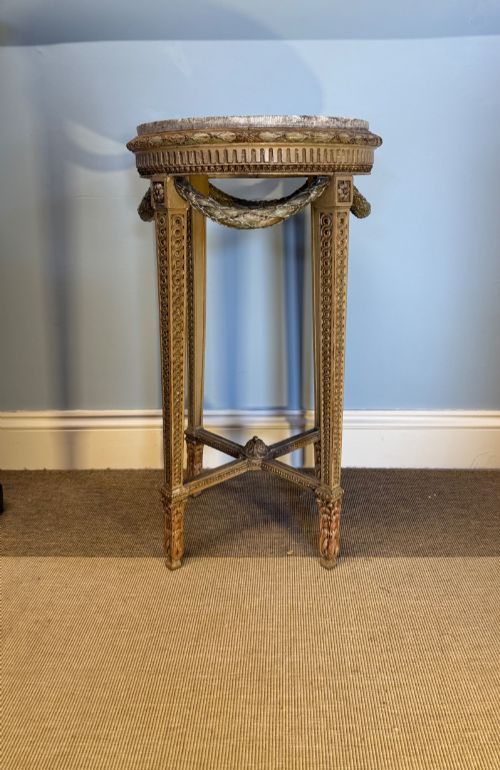
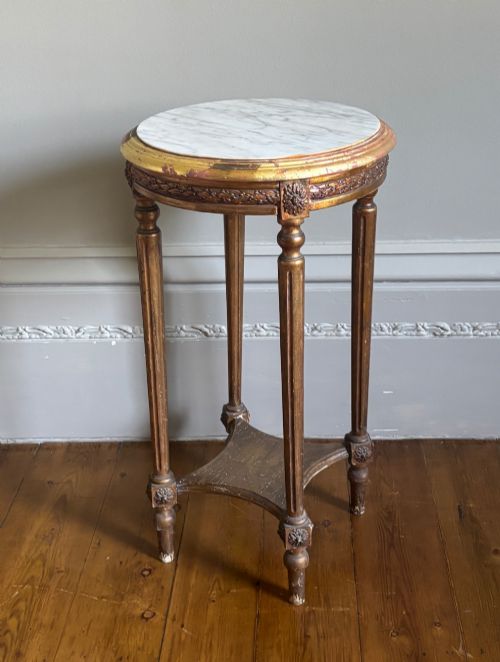
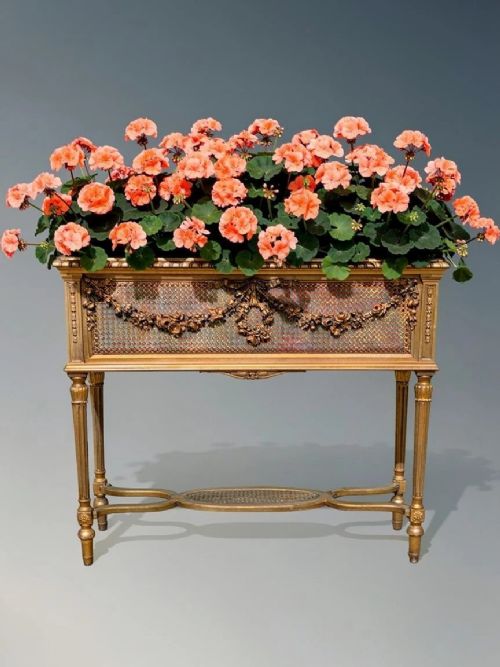
A gilded plant stand serves to elevate decorative foliage, urns and sculptural pieces within a room, combining practical display with ornate furnishing. When exploring a gilded plant stand, buyers encounter forms ranging from tall torcheres to low occasional tables and jardiniere stands.
The pieces originating from nineteenth-century workshops demonstrate diverse European influences, notably French Neoclassical, Louis XV style and Venetian designs. Many examples integrate inset marble tops or brass liners to support potted plants safely while reflecting ambient light.
Makers utilised various timbers and metals, applying gold leaf, gesso and paint to achieve rich decorative surfaces. These objects function equally well as lamp tables, pedestals or standalone decorative accents in traditional interiors.
Materials and construction
Artisans carved structural elements from solid woods such as mahogany, walnut and beech before applying layers of gesso and gold leaf. Ormolu and cast brass mounts provide structural reinforcement and decorative contrast against the gilded surfaces.
Inlaid marble, onyx and verde antique slabs form durable table tops designed to withstand moisture from plants. Carved wooden details, turned columns and tripod supports distribute weight securely while maintaining slender silhouettes.
Listings feature items spanning the eighteenth, nineteenth and early twentieth centuries, constructed from giltwood, marble, gesso, ormolu and brass.
Judging quality and craft
The refinement of the hand-carved ornamentation distinguishes superior items from simpler production pieces, revealing crisp detailing in acanthus leaves, flower mouldings and fluted columns. Hand-applied gold leaf exhibits a deeper lustre and more complex texture than modern metallic paint.
The integrity of the underlying timber framework and the tight fit of marble or onyx inserts determine structural stability. Fine joinery ensures that tall torcheres and multi-tiered stands remain rigid under weight without wobbling.
The Gilded Plant Stand Glossary
- Giltwood
- Timber that has been coated with a thin layer of gold leaf over a prepared gesso ground. This technique creates a luminous finish characteristic of period furniture.
- Torchere
- A tall, slender stand designed to hold a light source or an ornamental urn. These pieces often feature tripod bases and elaborate carvings.
- Jardiniere
- An ornamental planter or stand intended for holding flowers and greenery. They frequently incorporate metal liners to protect the surrounding woodwork.
- Ormolu
- Gilded bronze mounts applied to furniture for decorative effect. The technique involves mercury amalgamation or electroplating on brass or bronze.
- Gesso
- A plaster mixture applied to carved wood to provide a smooth base for gilding. It allows craftsmen to carve intricate relief details before applying gold leaf.
Gilded Plant Stand: Frequently Asked Questions
Where should I place a gilded plant stand?
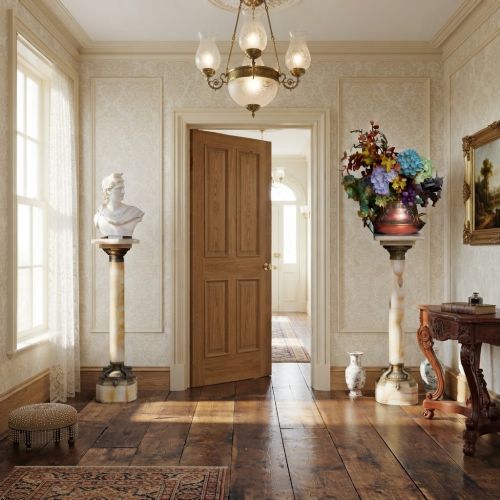
These pieces suit corners, entryways or beside seating where they can display plants, lamps or decorative objects. Their vertical proportions draw the eye upward without occupying excessive floor space.
Ensure they stand on level flooring, particularly when supporting heavy marble tops or tall architectural torcheres.
How do I care for antique giltwood surfaces?
Dust surfaces gently with a soft, dry ostrich feather duster or a clean microfibre cloth. Avoid chemical cleaning agents, abrasive cloths and excessive moisture, which can damage delicate gold leaf and gesso.
Keep pieces away from direct sunlight and strong heat sources to prevent the wood from drying out and the finish from cracking.
How do I identify a nineteenth-century piece?
Examine the construction methods, tool marks on the underside of the wood and the composition of the gesso and gilding layers. Nineteenth-century examples often employ traditional joinery techniques and hand-beaten brass or cast ormolu mounts.
Stylistic cues such as neoclassical proportions, French Rococo revival motifs or Victorian craftsmanship help narrow down the date of manufacture.