

Gold Side Table
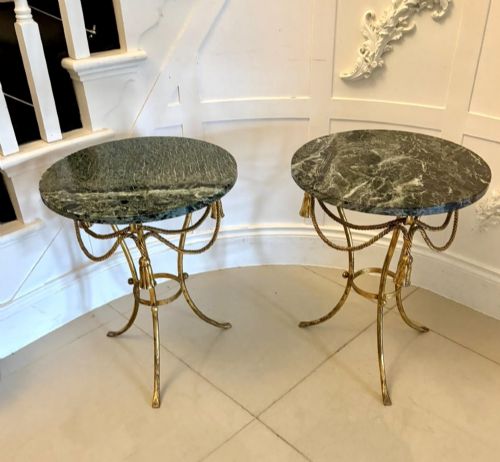
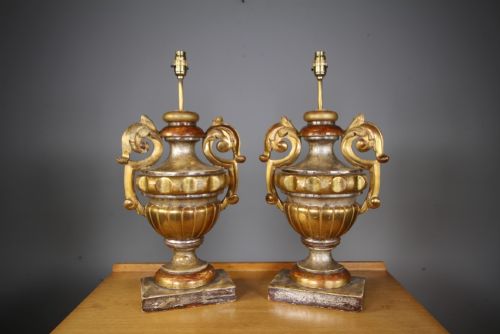
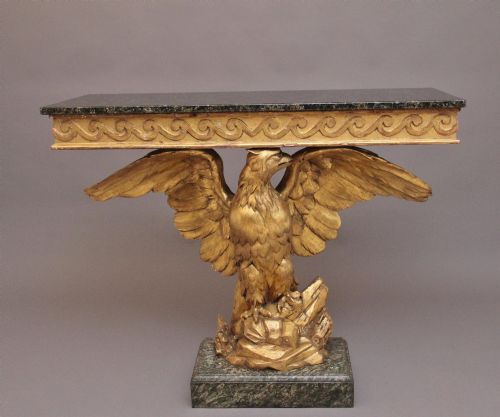
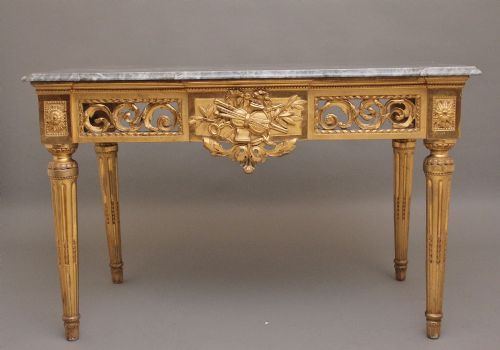
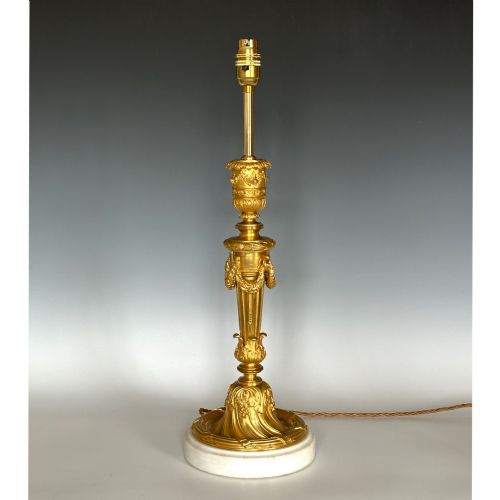
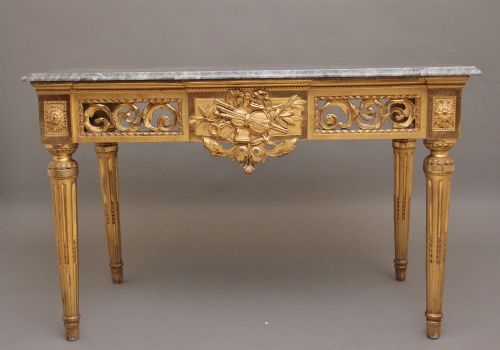
A gold side table brings warmth and reflective surface to a room, appearing in forms from Italian carved giltwood console tables to golden oak occasional pieces.
Gold Side Table
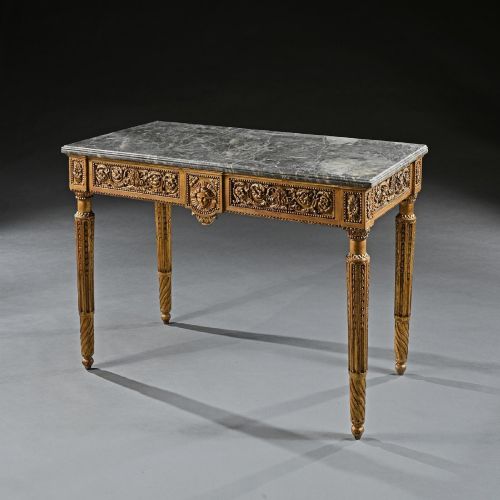
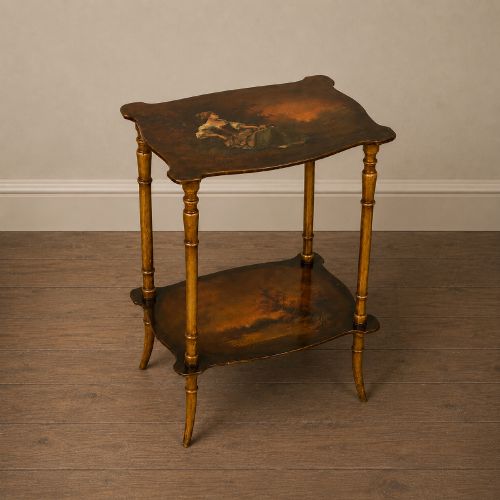
When searching for a gold side table, buyers encounter a diverse group of occasional tables, console tables, and lamp tables spanning several centuries. The selection encompasses elaborate 18th-century Italian carved giltwood consoles with marble tops alongside 19th-century golden oak and mahogany pieces.
Italian and French influences dominate the gilt surfaces, featuring Neoclassical, Rococo Revival, and Louis XV styles. Alongside these, English golden oak and satinwood tables from the Victorian and Edwardian eras offer utilitarian charm with single drawers or barley twist legs.
Chinoiserie and lacquer work also emerge through black and gold occasional tables and work tables from the Regency and later periods. These pieces serve practical functions as lamp stands, wine tables, and small display surfaces while carrying distinctive gilded or golden-toned finishes.
How They Were Made
The construction of these tables relies on hardwoods such as oak, mahogany, and pine as foundational carcase materials. Artisans shaped these woods into console bases, occasional tables, and work tables using traditional joinery and turning techniques.
Surface ornamentation involved applying gold leaf, gesso, and ormolu to carved wood, creating the bright metallic finishes seen on giltwood and parcel gilt pieces. Marble tops, including varieties like verde and breche d'alep, were fitted directly to console and lamp tables for durability and contrast.
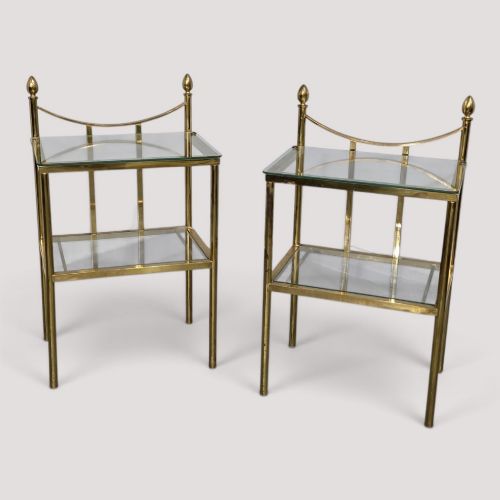
Lacquered and painted surfaces utilised specialist techniques to achieve Chinoiserie and French painted designs, often combining black backgrounds with raised gold motifs. Brass and glass elements also feature in etageres and lamp tables, particularly from later 20th-century decades.
Listings feature marble, brass, giltwood, and gold leaf across Neoclassical, Chinoiserie, and Art Deco styles.
What Varies in Quality
The refinement of the carving distinguishes standard examples from exceptional pieces, particularly within 18th-century Italian giltwood consoles and 19th-century carved frames. Crisp detail in acanthus leaves, cherubs, and figural mounts indicates superior craftsmanship.
The selection and treatment of secondary materials dictate overall integrity, from the thickness and figuring of marble tops to the depth of gold leaf application. Finer tables exhibit careful retention of original gilding and patination on oak, mahogany, and walnut timbers.
E Rousseau·Lambs of Manchester·Edwards & Roberts·Gillows
The Gold Side Table Glossary
- Giltwood
- Wood that has been coated with gold leaf or gold paint. This technique was widely utilised on 18th-century Italian and French console tables.
- Console table
- A table designed to stand against a wall, frequently supported by wall brackets or ornate legs. These often feature marble tops.
- Ormolu
- Gilded bronze used for mounts and decorative fixtures on furniture. It gained prominence in French revival and neoclassical designs.
- Chinoiserie
- European decorative style inspired by Chinese art and craftsmanship. It frequently incorporates black and gold lacquer work on occasional furniture.
- Gueridon
- A small French occasional table supported by a central column or figures. The form dates back to the 17th century and persists into later periods.
- Demi-lune
- Half-moon shape utilised in the design of console and side tables. This form allows the table to sit flush against a wall.
Gold Side Table: Frequently Asked Questions
How were antique gold side tables used?
These tables served primarily as decorative display surfaces in grand halls and reception rooms, holding lamps, candelabra, or ornamental objects. Console variants were designed to stand against walls, sometimes secured with brackets for stability.
Smaller occasional and work tables provided functional utility for sewing, writing, or holding drinks in domestic interiors. Their reflective surfaces helped to bounce natural light around dimly lit period rooms.
Where should I place a gold side table?
A console table sits well against a hallway or drawing room wall, often paired with a mirror above to create a balanced focal point. Smaller lamp tables and etageres fit beside seating areas or in corners where a touch of metallic warmth is required.
The choice depends on the scale of the piece, with grand Italian giltwood tables suiting formal spaces and simpler golden oak tables anchoring cosier rooms.
How do I care for a giltwood surface?
Giltwood requires gentle handling because the thin layer of gold leaf can be easily abraded or damaged by moisture. Dusting should be done lightly with a dry, soft brush rather than a cloth that might catch on carved details.
Keep these tables away from direct sunlight and excessive humidity to prevent the underlying gesso and wood from cracking or warping.
How do I distinguish between periods?
Stylistic cues offer the clearest indication of date, with 18th-century pieces showing deep hand-carving and heavy giltwood construction in Neoclassical or Rococo styles. 19th-century examples often incorporate darker timbers like mahogany and oak alongside revival motifs.
Later Edwardian and 1920s pieces frequently introduce brass, glass, and lighter woods or simpler lacquered finishes reflecting changing domestic tastes.