
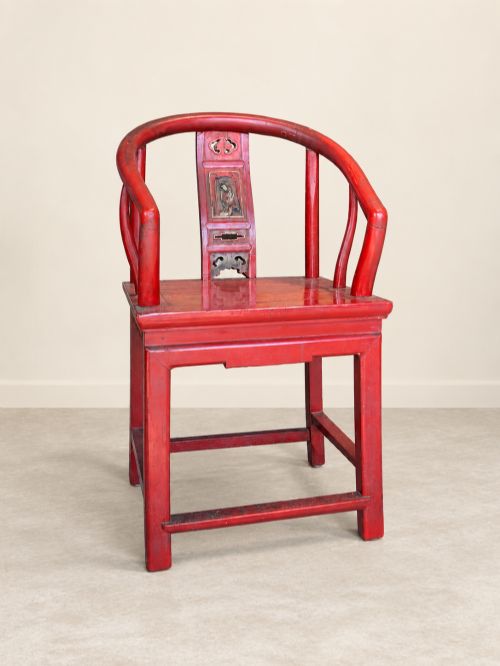
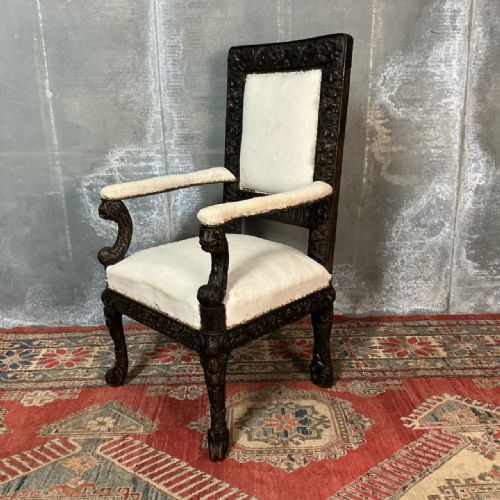
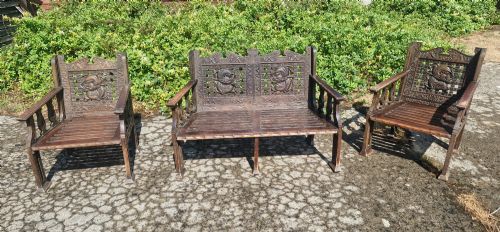
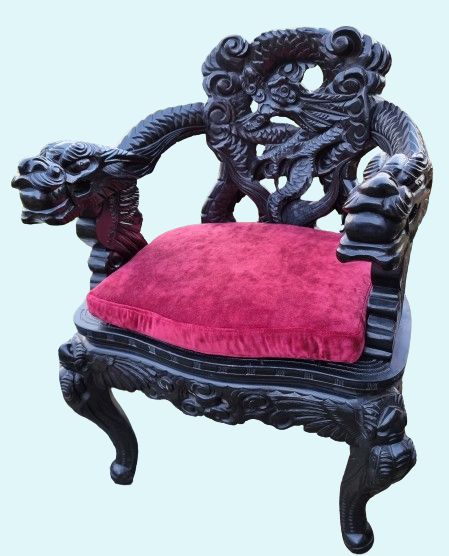
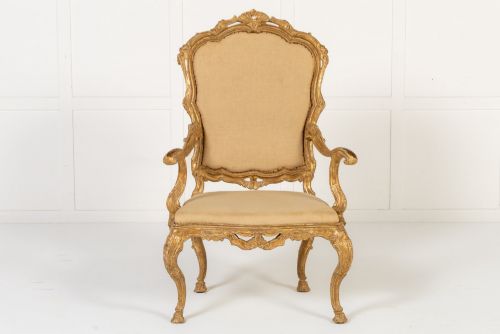
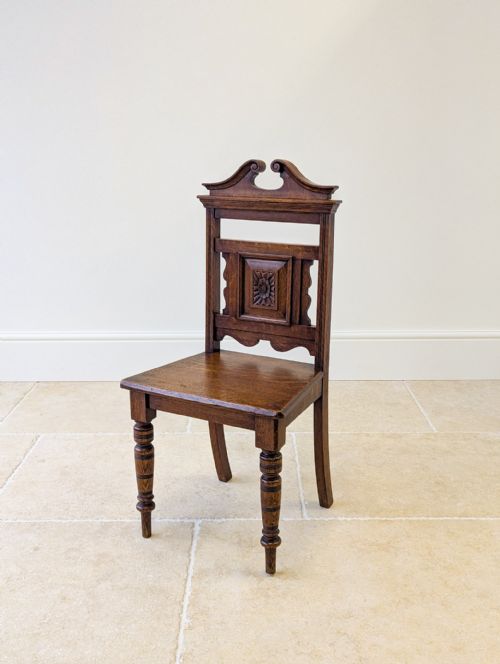
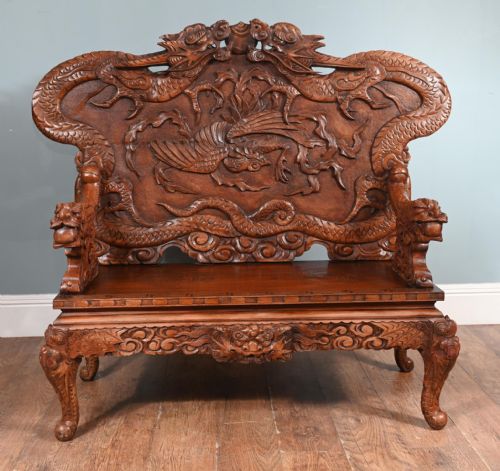


Ornate Carved Wooden Chair
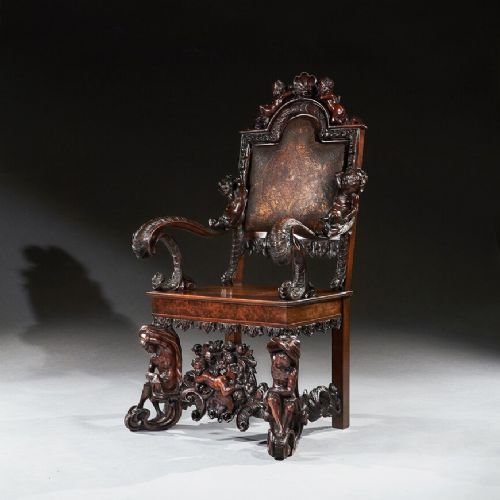
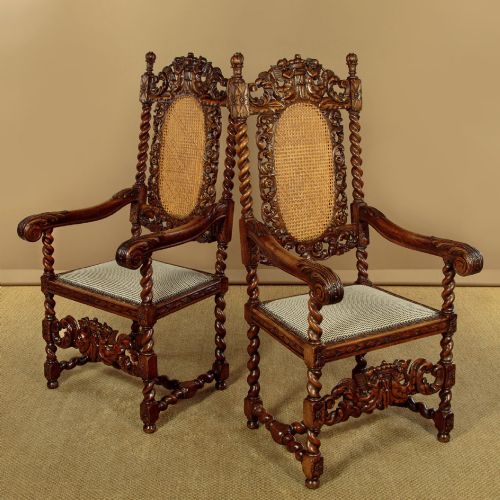
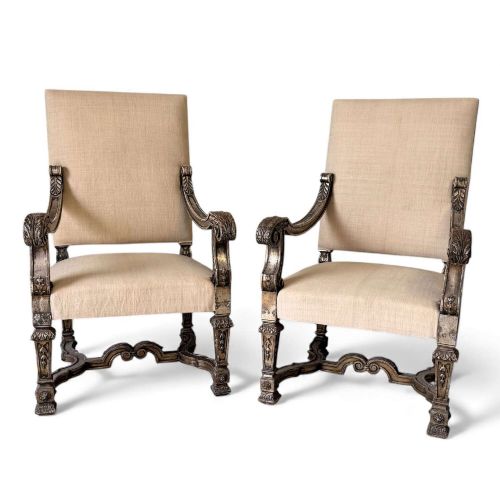
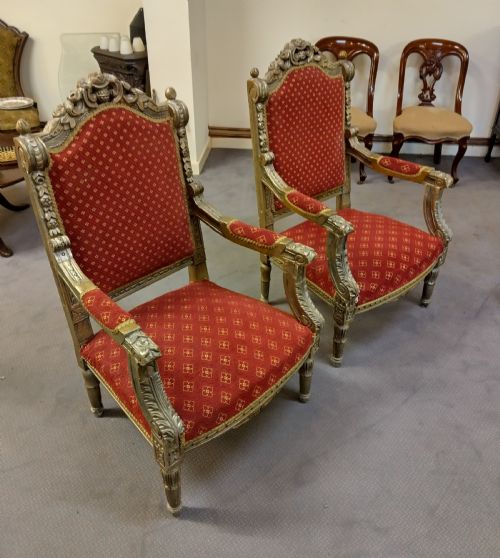
An ornate carved wooden chair brings sculptural presence to a room, drawing the eye through deep relief work and expressive timber framing.
Ornate Carved Wooden Chair
An ornate carved wooden chair encompasses everything from sturdy Victorian oak hall seating and walnut armchairs to intricate Anglo-Indian and Chinese export pieces. Buyers searching this phrase look for heavy hand-carved relief, dramatic silhouettes, and historic character across diverse global workshops.
The most common examples on this page date from the nineteenth century, including walnut hall chairs, mahogany side chairs, and teak veranda seating. European revival styles sit alongside regional oriental items, offering high backrests and sculptural woodwork.
Forms vary widely from practical hall and side chairs to throne armchairs, benches, and complete seating suites. Each piece utilises traditional joinery and dense timbers to support elaborate surface decoration.
Materials and construction methods
Carpenters relied on dense hardwoods such as walnut, oak, mahogany, and teak to hold crisp chisel work without splintering. Giltwood, lacquer, and bone inlay often accented the primary timber frames.
Skilled artisans carved motifs directly into the solid wood elements, creating deep undercuts on backs, legs, and crest rails. Upholstery fabrics like velvet, textile, and traditional cane insert panels completed the seating surfaces where fitted.
Materials across these listings span walnut, oak, mahogany, teak, hardwood, giltwood, lacquer, and bone inlay.
Judging the work
Quality rests entirely in the depth, crispness, and confidence of the carving itself. Master carvers achieved clean undercuts and lifelike anatomical or botanical details that lesser hands left flat and indistinct.
The choice of timber and the integrity of the underlying joinery separate standard production items from exhibition pieces. Timbers with rich natural grain and flawless historic joints elevate the overall sculptural success of the seating.
Andrea Brustolon
The Ornate Carved Wooden Chair Glossary
- Sgabello
- A Renaissance wooden chair featuring a tall carved back and solid trestle supports instead of conventional legs. It typically stood in grand hallways to display family crests.
- Giltwood
- Timber coated with a thin layer of gold leaf over a prepared gesso base. This technique added brilliant reflective highlights to formal ceremonial seating.
- Marquetry
- The art of forming decorative patterns using fitted veneers of different wood species. Craftsmen applied these mosaic designs to flat wooden panels and seat backs.
- Cinnabar
- A bright red mineral pigment applied in thick layers to carved lacquer surfaces. Artisans cut intricate Oriental motifs directly through the hardened layers.
- Savonarola
- A folding X-chair constructed from multiple curved wooden slats intersecting in a scissors pattern. Originating in Italy, it combined portability with architectural dignity.
Ornate Carved Wooden Chair: Frequently Asked Questions
How were antique hall chairs used?
Hall chairs stood near entranceways to receive visitors waiting briefly in the hallway. Their solid wooden seats discouraged lingering while displaying the household's taste through elaborate carving.
Craftsmen often incorporated family crests or heraldic beasts into the high backrests. Guests encountered these sculptural seats immediately upon entering the home.
Where do Anglo-Indian chairs originate?
Anglo-Indian chairs emerged from nineteenth-century workshops in the Indian subcontinent operating under British colonial patronage. Local craftsmen combined traditional deep-relief carving with European furniture forms.
These pieces typically feature dense tropical hardwoods and intricate floral or peacock motifs. They arrived in European country houses as exotic additions to domestic interiors.
What defines Baroque revival seating?
Baroque revival seating draws inspiration from seventeenth-century continental grandeur with sweeping scrolls and high crests. Makers utilised heavy walnut and giltwood to project theatrical authority.
Twentieth-century and nineteenth-century carvers exaggerated these historic proportions for dramatic effect. The resulting armchairs and throne seats relied on imposing scale to dominate a room.
How do I identify Victorian oak chairs?
Victorian oak chairs display the robust dark timber favoured by nineteenth-century British cabinetmakers. Carved fret backs, gargoyles, and linenfold panels frequently appear on hall and occasional seating.
Constructed for durability, these pieces combined functional framing with heavy ornamentation. Their solid presence reflects the industrial confidence of the Victorian era.