






Antique Italian Side Chair
An antique Italian side chair brings centuries of European craftsmanship directly into your home, offering both historic character and striking seating.
Antique Italian Side Chair
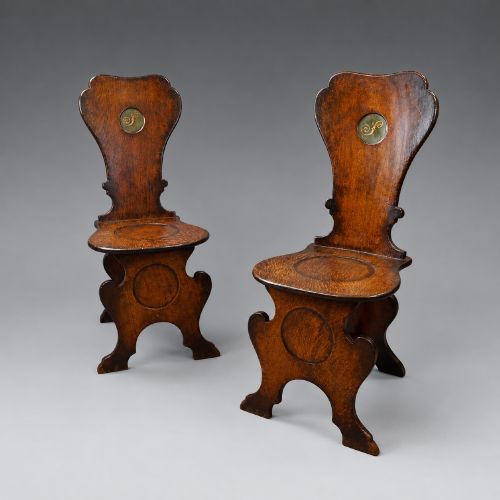
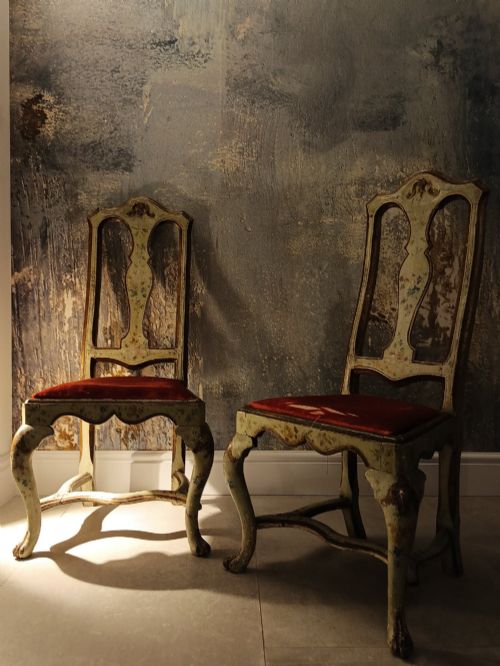
An antique Italian side chair encompasses forms ranging from sturdy hall chairs to elegant dining seats, all originating across various historic Italian regions. When exploring this selection, buyers encounter distinct types such as sgabello chairs, gondola chairs, and carved wooden models.
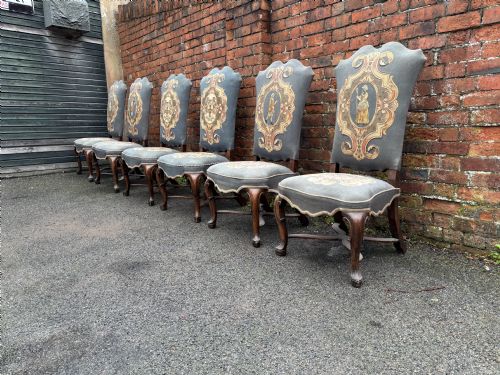
The periods represented stretch from the mid eighteenth century through the nineteenth century, including specific styles like Venetian Rococo, Italian Baroque, and Renaissance Revival. Walnut and oak form the backbone of these offerings, often accompanied by painted wood finishes, gesso, and historic fabric upholstery.
Materials and construction methods
Makers relied heavily on solid hardwoods like walnut, oak, and lime wood, shaping frames through traditional joinery and detailed hand carving. Surfaces frequently feature applied gesso, intricate figural carvings, painted decorations, and bone inlay.
Upholstered variations utilise period textiles including velvet and diverse traditional fabrics to provide cushioning. Brass components and gilt wood appear in specific stylistic iterations from the nineteenth century.
Bone inlay details on nineteenth century chairs prove that historic artisans loved adding tiny skeletal mosaics to their seating.
Factors influencing quality and craftsmanship
Depth and precision of the hand carving separate simpler country pieces from sophisticated urban works, particularly on sgabello backs and scrolled legs. The choice of primary timber, whether figured walnut or standard oak, dictates the inherent visual weight and longevity of the frame.
Originality of surface finish remains central to evaluation, distinguishing unrestored painted wood or aged walnut from later interventions. Integrity of structural joinery and survival of period upholstery elements further separate standard examples from finer specimens.
The Antique Italian Side Chair Glossary
- Sgabello
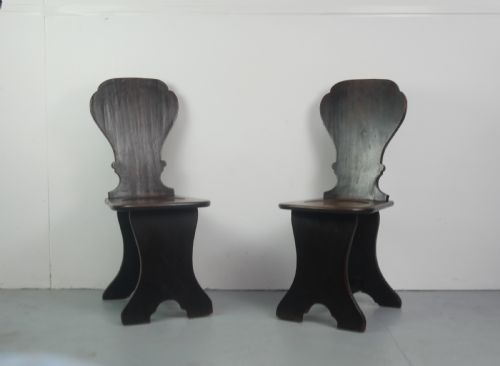
- A light wooden chair featuring a box-like base or three trestle supports instead of conventional legs. This form frequently appears in nineteenth century interpretations of earlier designs.
- Gondola chair
- An upholstered seat with a curved, enclosing backrest reminiscent of a Venetian boat. These pieces typically date to the eighteenth century.
- Gesso
- A plaster mixture applied to wooden surfaces to prepare them for gilding or painting. Artisans used this technique extensively in decorative Italian seating.
- Renaissance Revival
- A nineteenth century design movement that reinterpreted sixteenth century classical motifs. Furniture from this style employs heavy walnut and sculptural relief carving.
Antique Italian Side Chair: Frequently Asked Questions
Where were antique Italian side chairs placed?
These chairs originally functioned as hall seating, dining seats, or decorative accents in grand Italian palazzos and homes. Their compact profiles allowed them to sit flush against walls when not in active use.
Today, buyers place them in entryways, living rooms, or bedrooms as statement pieces that provide functional seating while displaying historic woodworking traditions.
How do I identify an eighteenth century piece?
Eighteenth century examples often display characteristic regional styling such as Venetian Rococo curves or simpler country walnut construction. Examination of the timber underside and joinery methods helps confirm the age of the structure.
Working with authentic eighteenth century surfaces means accepting natural patina and minor historical wear as evidence of genuine age.
Can I use these chairs for daily dining?
Many solid walnut and oak models remain structurally robust enough for regular use around a dining table. Sets of dining chairs and side chairs from this tradition offer durable seating when properly maintained.
Buyers should assess the frame stability and upholstery condition of each specific chair before committing it to heavy daily service.
What is a sgabello chair?
A sgabello is a distinct historic Italian chair type defined by its sculptural trestle supports or solid slab legs rather than four conventional posts. They often feature elaborately carved backs and were traditionally positioned in hallways.
These pieces serve as striking architectural accents in modern interiors due to their distinct profile and historical presence.